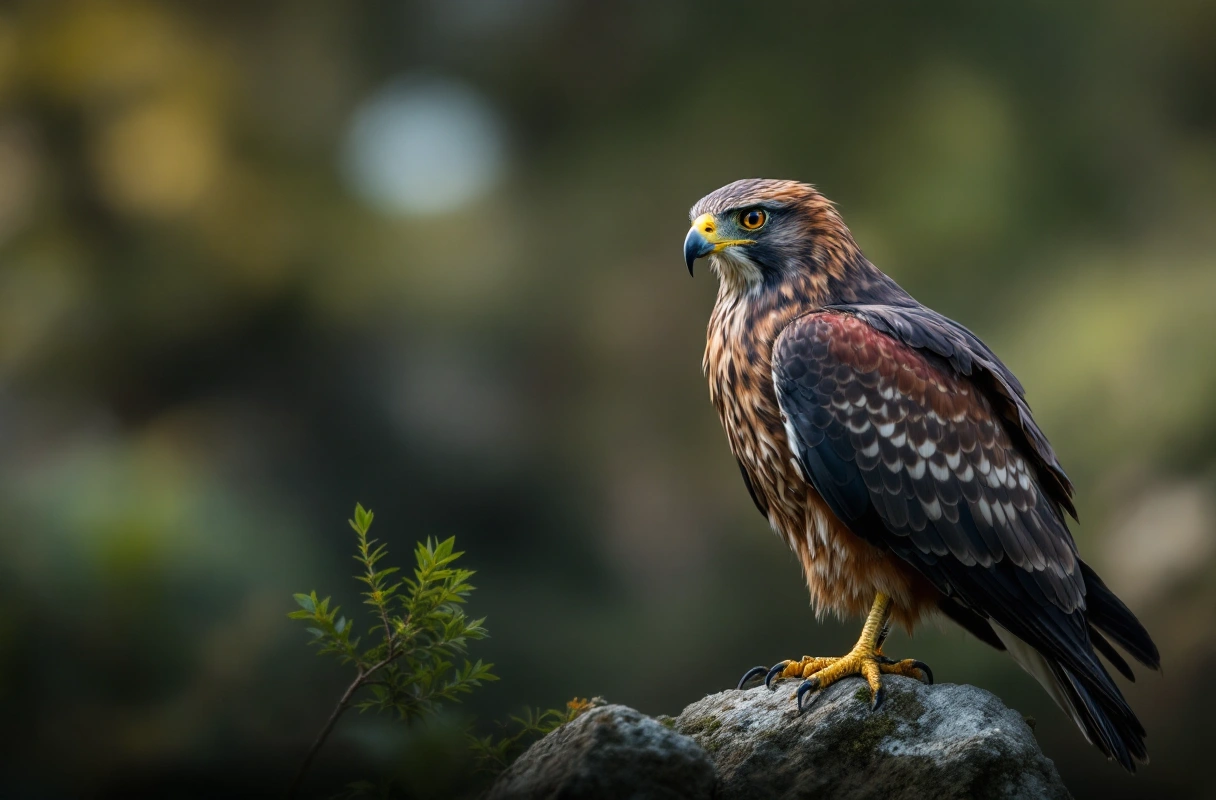
Birdwatching is an exhilarating pursuit that connects enthusiasts to nature, and observing birds of prey offers a unique thrill. Raptors, known for their keen eyesight, powerful talons, and majestic flight, captivate many birdwatchers. However, responsible birdwatching practices are crucial to ensuring that these magnificent creatures thrive in their natural habitats. In this article, we will explore the behavior of birds of prey, the best birdwatching tours to consider, and how to engage in responsible birdwatching that respects wildlife and their ecosystems.

Birds of prey, or raptors, encompass various species, including eagles, hawks, peregrine falcons, and owls. These birds are characterized by their hunting prowess, which is a result of their physical adaptations and behavioral traits. Understanding their behavior is essential for anyone interested in birdwatching, as it enhances the experience and fosters a deeper appreciation for these majestic creatures.
Raptors employ diverse hunting strategies that reflect their adaptability to different environments and prey types. Here are some common techniques:
Soaring: Many raptors, such as eagles and hawks, utilize thermal updrafts to soar high in the sky, scanning the ground for potential prey. This energy-efficient method allows them to cover vast areas while conserving energy.
Pursuit: Falcons are renowned for their incredible speed and agility. They often engage in high-speed chases, diving towards their prey from impressive heights. Their keen eyesight enables them to spot movement from great distances.
Ambush: Some species, like owls, rely on stealth and patience. They often perch silently, waiting for unsuspecting prey to come within striking distance. Their nocturnal hunting habits add an additional layer of challenge for birdwatchers.
Understanding these hunting techniques not only enriches the birdwatching experience but also emphasizes the importance of observing raptors from a respectful distance to avoid disrupting their natural behaviors.
Raptors exhibit fascinating social structures and mating rituals that vary significantly across species. Some species, like the American kestrel, are solitary except during the breeding season, while others, like red-tailed hawks, may form long-term monogamous pairs.
Courtship Displays: Many raptors engage in elaborate courtship displays, which can include aerial acrobatics, vocalizations, and gift-giving behaviors. Observing these rituals can be a highlight of any birdwatching tour.
Nesting Habits: Raptors typically return to the same nesting sites each year. Understanding their nesting habits, including site selection and parental care, can provide valuable insights into their life cycles.
Birdwatchers should be mindful of these behaviors, particularly during the breeding season, as disturbing nesting sites can have detrimental effects on raptor populations.
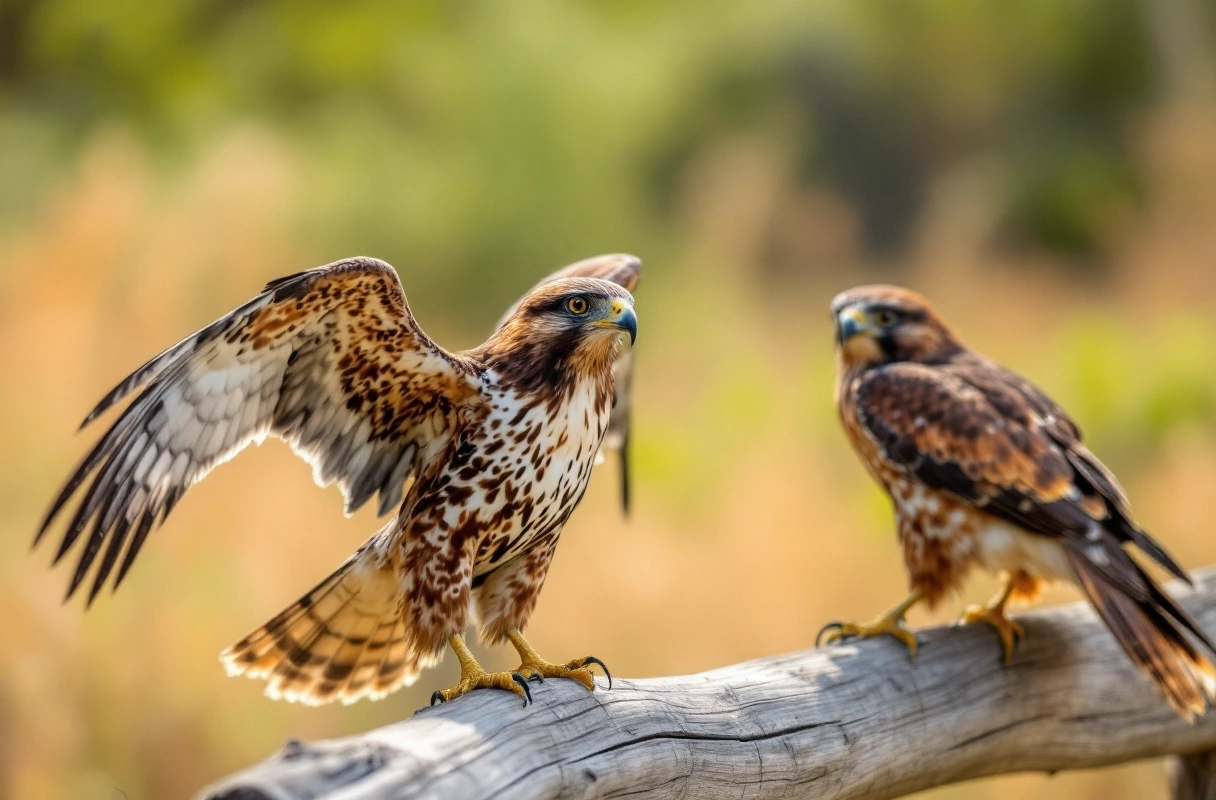
Participating in guided birdwatching tours can significantly enhance your experience, especially when observing birds of prey. These tours often provide expert guidance, ensuring that participants not only see raptors but also learn about their behaviors and habitats.
Hawk Mountain Sanctuary, Pennsylvania
This sanctuary is renowned for its raptor migration, particularly during the fall months. Visitors can witness thousands of hawks, eagles, and falcons as they migrate south. The sanctuary offers guided tours and educational programs.
Big Bend National Park, Texas
Known for its diverse ecosystems, Big Bend provides excellent opportunities to observe various raptor species, including golden eagles and peregrine falcons. Guided tours often include hikes that lead to prime viewing locations.
Point Reyes National Seashore, California
This coastal region is a hotspot for birdwatching, particularly during migration periods. The park's diverse habitats support various raptors, and experienced guides can help visitors spot them.
Bosque del Apache National Wildlife Refuge, New Mexico
This refuge is famous for its wintering populations of sandhill cranes and snow geese, but it also attracts numerous raptors. Birdwatching tours here often focus on the diverse avian life, including hawks and owls.
Everglades National Park, Florida
The Everglades is home to a variety of raptors, including the majestic bald eagle. Guided tours often explore the unique wetlands, providing opportunities to observe raptors in their natural habitat.
These birdwatching tours not only facilitate encounters with birds of prey but also emphasize responsible birdwatching practices, ensuring that wildlife is respected and preserved.
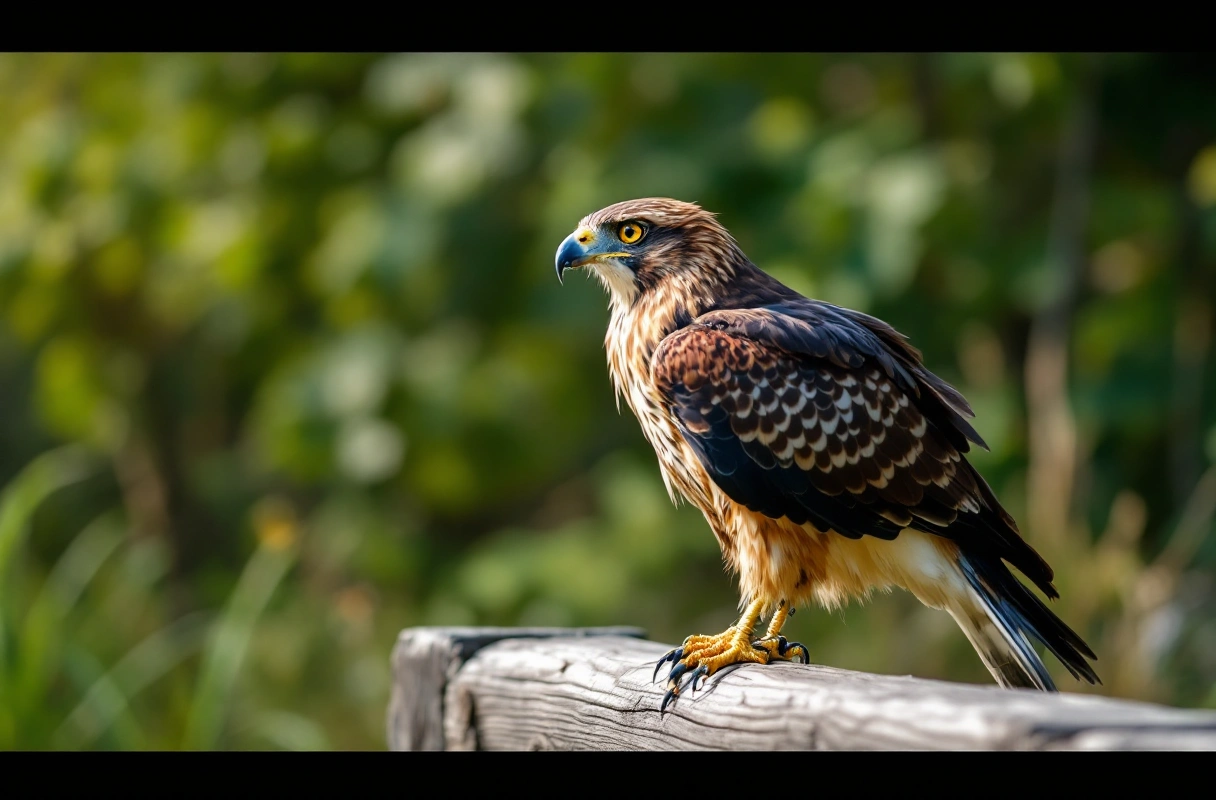
Engaging in responsible birdwatching is essential for the conservation of birds of prey and their habitats. Here are some best practices to follow:
Birdwatchers should prioritize the well-being of raptors by observing them from a safe distance. Approaching too closely can cause stress to these birds, potentially disrupting their hunting and nesting behaviors. Use binoculars or spotting scopes to enjoy close-up views without intruding on their space.
Raptors are particularly sensitive during the breeding season. Avoid visiting known nesting sites and refrain from loud noises or sudden movements that could startle them. If you notice a raptor displaying defensive behavior, such as calling or diving, back away slowly to minimize stress.
As a birdwatcher, you have the opportunity to educate others about the importance of raptors and the need for responsible observation. Share your knowledge with fellow enthusiasts and encourage them to adopt sustainable practices that protect these incredible birds.
Consider supporting organizations dedicated to raptor conservation. Many groups focus on habitat preservation, rehabilitation of injured birds, and education about the importance of these species. Participating in citizen science projects can also contribute valuable data for ongoing research and conservation efforts.
Practice Leave No Trace principles while birdwatching. Stay on designated paths, avoid littering, and respect wildlife by not feeding or handling them. This approach ensures that natural habitats remain intact and healthy for future generations of raptors and other wildlife.
Even experienced birdwatchers can fall into common traps that undermine responsible practices. Here are some frequent mistakes to watch for, along with strategies to avoid them:
Many birdwatchers underestimate how close they can get to raptors without causing stress. Always err on the side of caution and use binoculars for viewing, keeping at least several hundred feet away from nesting sites.
Bird behavior changes with the seasons, particularly during migration and breeding periods. Research local raptor populations and their seasonal patterns to enhance your birdwatching experience and ensure responsible practices.
Different regions may have specific regulations regarding birdwatching and wildlife observation. Always familiarize yourself with local guidelines and respect any restrictions to protect both the birds and their habitats.
A lack of knowledge about raptor species and their behaviors can lead to misunderstandings and missed opportunities. Invest time in learning about local raptors, their habitats, and conservation needs through books, online resources, or local birdwatching groups.
Birdwatching is more than just an enjoyable pastime; it plays a critical role in wildlife conservation. By fostering a deeper appreciation for birds of prey, birdwatchers can become advocates for preserving their habitats and ensuring their survival.
Birdwatchers contribute to conservation efforts in various ways, including:
Data Collection: Many birdwatchers participate in citizen science initiatives, contributing valuable data about bird populations and behaviors that inform conservation strategies.
Advocacy: Passionate birdwatchers often advocate for policies and practices that protect raptor habitats and promote sustainable land use.
Community Engagement: Birdwatching groups frequently engage in local conservation projects, such as habitat restoration and educational outreach, fostering community awareness and involvement.
By understanding the importance of responsible birdwatching, enthusiasts can ensure that future generations will also have the opportunity to observe and appreciate birds of prey in their natural habitats.
Birdwatching is an enriching experience that connects individuals to the beauty of nature, especially when observing birds of prey. Responsible practices not only enhance your experience but also contribute to the conservation of these remarkable species. Engaging in birdwatching tours, understanding raptor behavior, and practicing respect for wildlife are all crucial components of this journey.
The Banana Slug Club is dedicated to promoting responsible birdwatching and conservation efforts. We offer resources and opportunities for birdwatchers to enhance their knowledge and engage in meaningful activities that protect avian species. Whether you are a novice or an experienced birdwatcher, joining our community can deepen your understanding of birds of prey and enrich your birdwatching experience.
Ready to take your birdwatching journey to the next level? Join us in advocating for responsible birdwatching practices and preserving the habitats of these magnificent raptors. Visit Banana Slug Club today to learn more about our initiatives and how you can get involved.
Get free resources, early access to new features and updates.
No spam. Just fun educational emails!


.svg)
.svg)