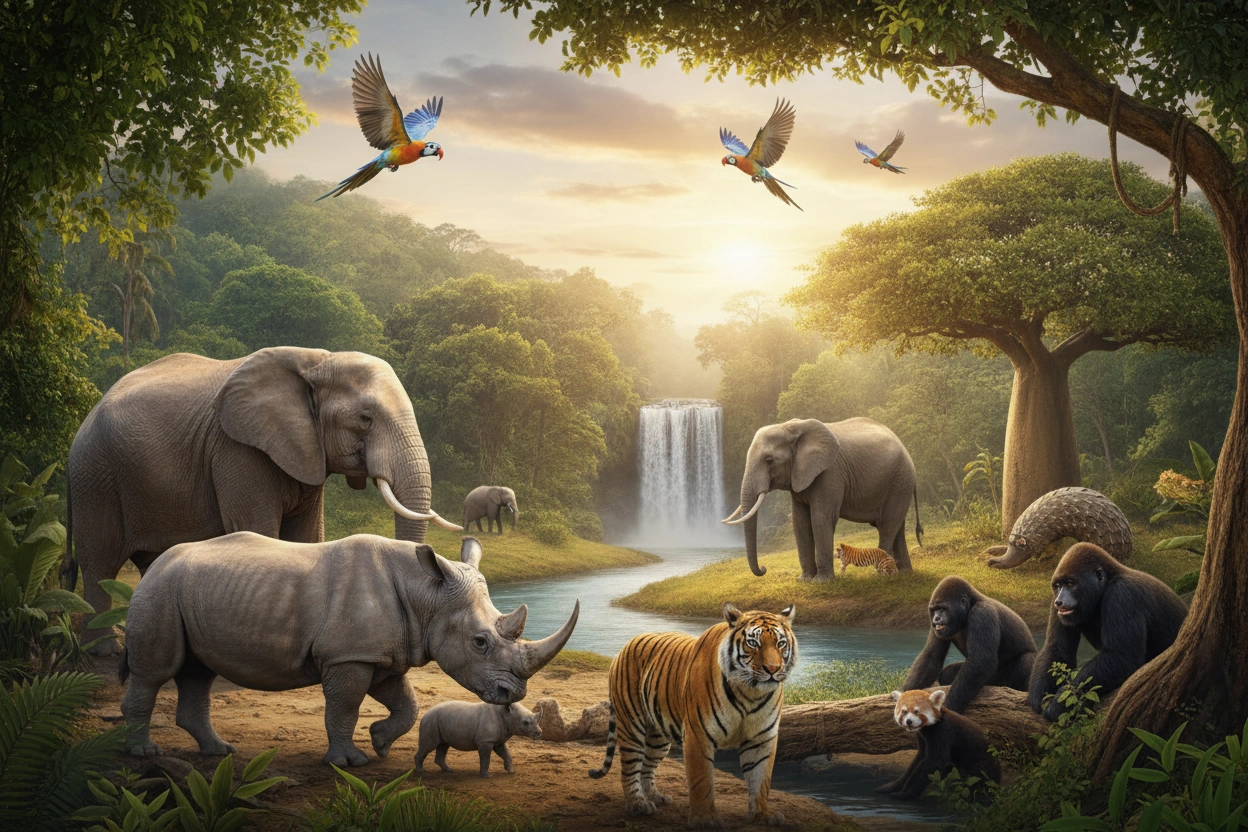
The plight of endangered animals has become a significant concern for conservationists, governments, and the general public alike. As we enter 2026, the urgency to protect these species has never been more critical. With habitat loss, poaching, and climate change threatening their existence, a comprehensive understanding of effective conservation efforts is essential. This article will explore how habitat loss affects endangered species, the importance of conservation initiatives, and practical steps that can be taken to protect these vital components of our ecosystem.

Endangered animals are species that are at risk of extinction due to various factors, including environmental changes, human activity, and ecological imbalances. The International Union for Conservation of Nature (IUCN) maintains the endangered species list, which categorizes species based on their risk of extinction. Understanding the significance of these animals goes beyond mere biodiversity; it encompasses ecological balance, cultural heritage, and even economic interests.
Endangered animals play critical roles in their ecosystems. For instance, apex predators, such as wolves and tigers, regulate prey populations, which in turn maintains vegetation health and supports other species. The loss of these key species can lead to a cascade of ecological consequences, disrupting food chains and altering habitats. Additionally, many endangered species contribute to pollination and seed dispersal, which are essential for plant reproduction and forest regeneration.
Beyond their ecological roles, endangered animals often hold cultural significance for various communities. Many indigenous peoples view certain species as sacred or integral to their cultural identity. Furthermore, biodiversity can have economic implications; ecotourism, for example, thrives on the presence of diverse wildlife. The extinction of species can diminish these economic opportunities, emphasizing the need for conservation efforts that protect both nature and the communities that rely on it.
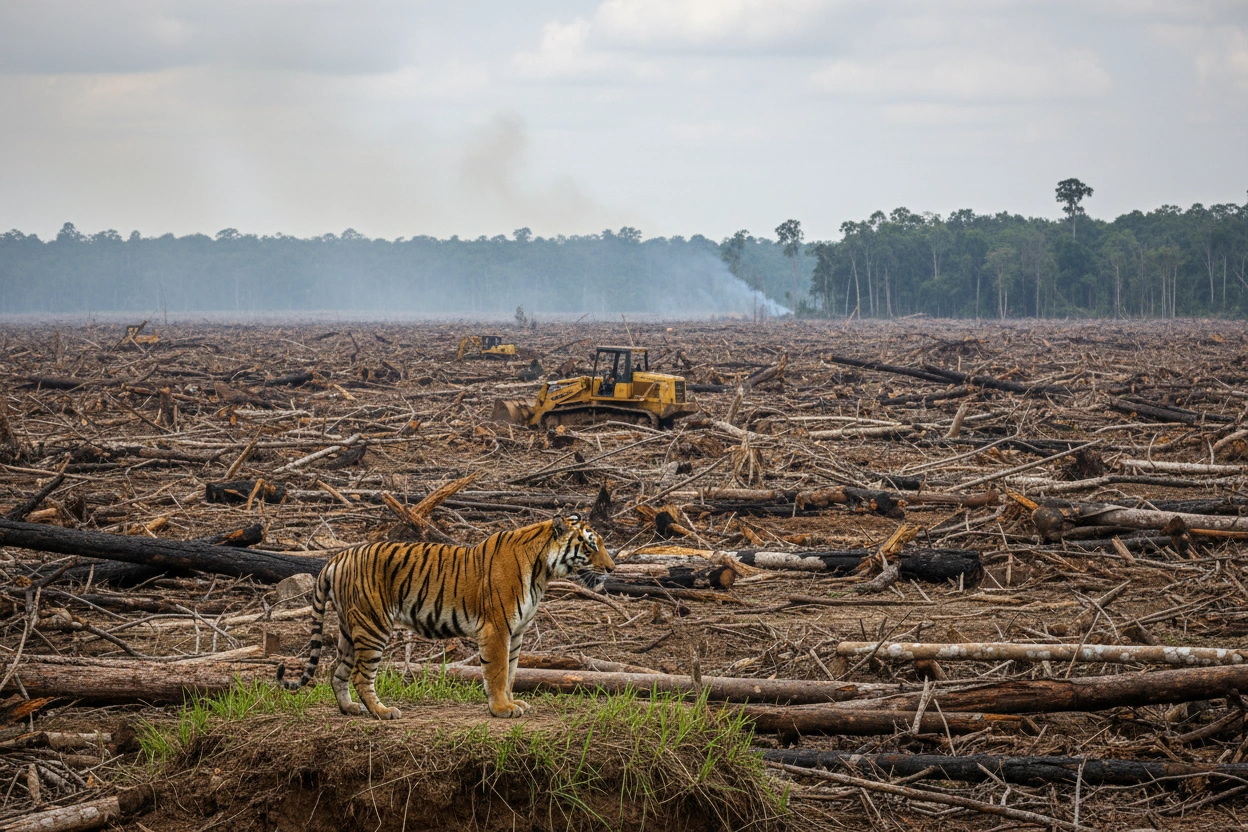
Habitat loss is one of the most significant threats to endangered animals. It occurs when natural environments are transformed or destroyed, primarily due to human activities such as urbanization, agriculture, and deforestation. Understanding the nuances of habitat loss is crucial for developing effective conservation strategies.
Habitat loss can occur through several mechanisms, including:
Each of these activities contributes to the decline of biodiversity, pushing many species closer to the brink of extinction.
The consequences of habitat loss are dire for endangered animals:
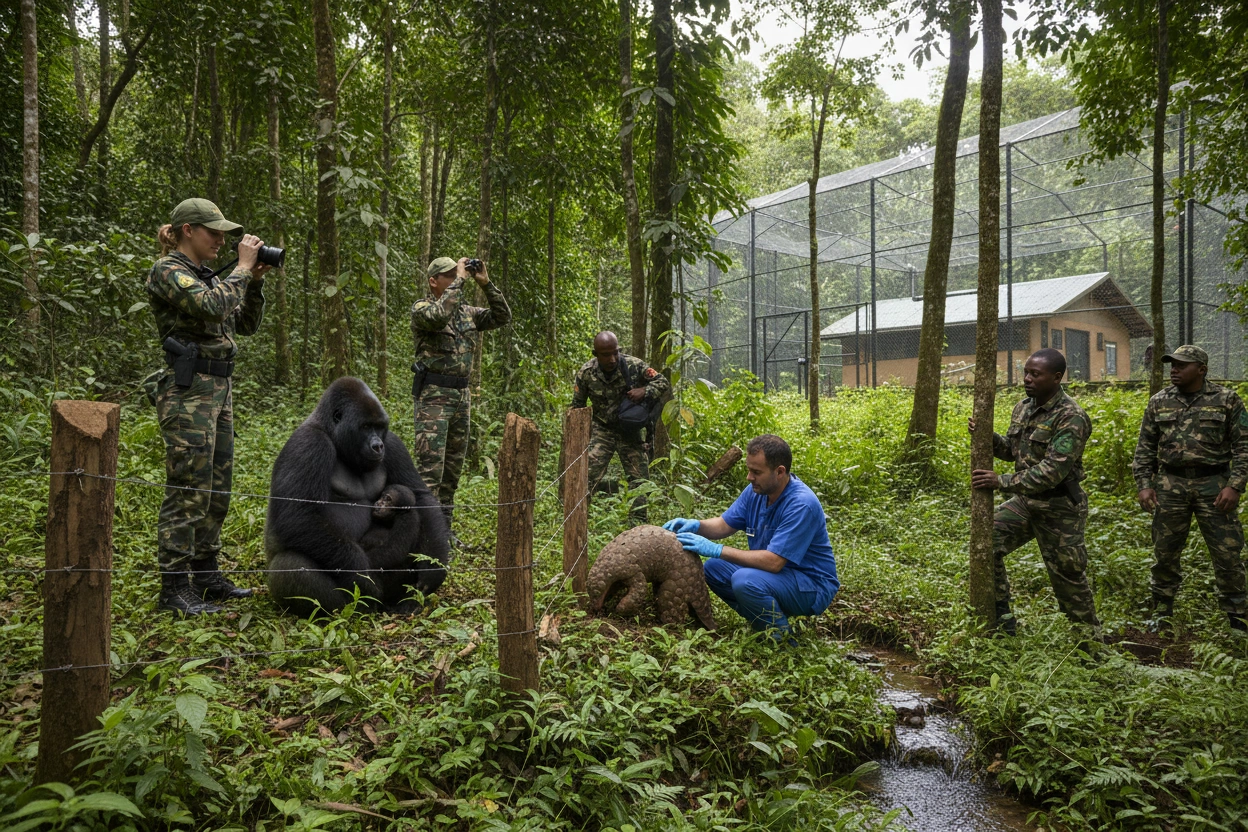
Addressing the challenges faced by endangered species requires a multifaceted approach. Here are some effective conservation strategies that can make a significant impact.
Restoring natural habitats is a crucial step in supporting endangered species. This can involve:
Habitat restoration projects have shown promising results in various regions, demonstrating that with time and effort, ecosystems can recover.
Implementing and enforcing laws that protect endangered species is vital. This can include:
Legal frameworks provide a necessary backbone for conservation efforts, ensuring that endangered animals receive the protection they need.
Local communities play a critical role in conservation. Engaging them through education and involvement can lead to:
Successful conservation efforts often hinge on the support and involvement of local populations, making community engagement an indispensable strategy.
Conducting research on endangered species and their habitats is essential for informed conservation strategies. This can involve:
Research provides the foundation for adaptive management, allowing conservationists to adjust strategies based on real-world findings.
Despite the growing awareness surrounding endangered species, several misconceptions persist that can hinder effective conservation efforts.
Many people believe that conservation efforts should focus solely on well-known, charismatic animals like pandas or tigers. However, all species, regardless of their popularity, contribute to ecosystem health. Lesser-known species play critical roles in their habitats and deserve protection.
While governments play a key role in conservation, individuals and communities can also take meaningful action. Simple steps, such as supporting local conservation organizations, reducing waste, and advocating for sustainable practices, can collectively make a significant impact.
Although extinction is a natural phenomenon, the current rate of species loss is alarmingly high, primarily driven by human activities. Recognizing the urgency of the situation is essential for mobilizing effective conservation efforts.
Numerous organizations and initiatives are dedicated to protecting endangered animals. These entities work on various fronts, from grassroots efforts to international treaties.
Organizations such as the World Wildlife Fund (WWF) and the IUCN are at the forefront of global conservation efforts. They conduct research, advocate for policy changes, and implement on-the-ground projects to protect endangered species.
Local conservation groups often focus on specific regions and species. These organizations work directly with communities to promote sustainable practices and restore habitats. Their localized efforts can lead to significant improvements in biodiversity.
Businesses can also play a role in conservation by adopting sustainable practices and supporting conservation initiatives. Corporate social responsibility (CSR) programs can help fund projects and raise awareness about endangered species.
As we move forward, the future of conservation will likely involve innovative approaches and technologies. Advancements in genetic research, habitat restoration techniques, and community engagement strategies will play vital roles in protecting endangered animals.
The integration of technology in conservation efforts is rapidly advancing. Innovations such as drone surveillance, artificial intelligence for wildlife monitoring, and genetic engineering for species recovery are becoming increasingly prevalent. These technologies can enhance the effectiveness of conservation strategies and facilitate the collection of critical data.
Collaboration among governments, NGOs, communities, and the private sector will be essential for successful conservation. By pooling resources, knowledge, and expertise, stakeholders can create comprehensive strategies that address the multifaceted challenges facing endangered animals.
As we explore the complexities of protecting endangered animals, it becomes clear that effective conservation efforts hinge not only on policies and practices but also on community involvement. The Banana Slug Club is committed to educating and empowering individuals to take action in their local environments. By fostering awareness and encouraging participation, we can collectively contribute to the preservation of endangered species.
In this context, we invite you to explore how you can engage with local conservation efforts, support endangered species initiatives, and promote sustainable practices in your community. Every small action can lead to significant change, and together, we can make a difference in the fight to protect endangered animals.
To learn more about how you can contribute to conservation efforts and support endangered species, visit Banana Slug Club. Your involvement can help ensure a brighter future for our planet's wildlife.
Get free resources, early access to new features and updates.
No spam. Just fun educational emails!


.svg)
.svg)