Pollinator insects play a crucial role in maintaining the health of our ecosystems, as they are responsible for the fertilization of many flowering plants. Their activities significantly enhance the productivity of gardens, orchards, and agricultural fields. As we look to 2026, understanding how to attract these vital creatures to our gardens is more important than ever. This article provides a comprehensive guide on attracting pollinator insects and highlights their significance as food sources in the ecosystem.
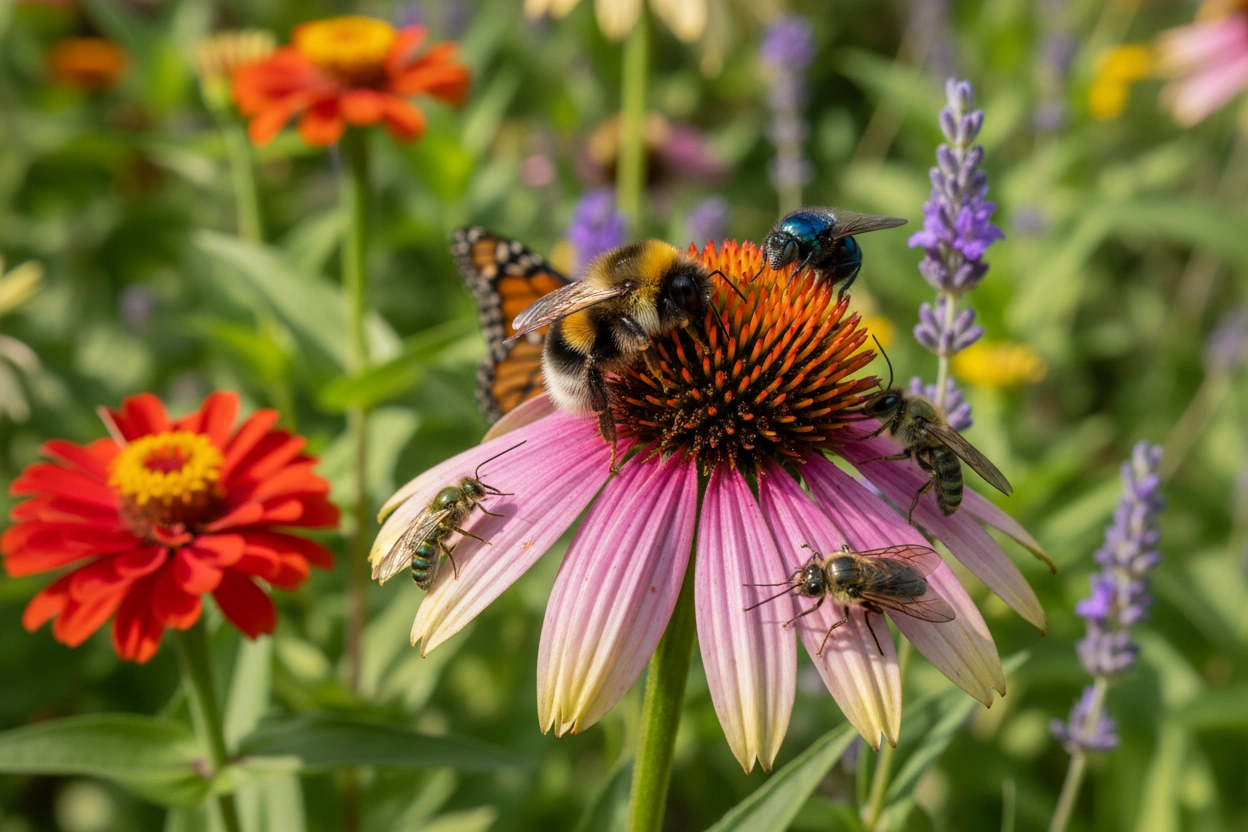
Pollinator insects encompass a diverse group of species, including bees, butterflies, moths, beetles, and flies. These insects are attracted to flowers primarily for nectar and pollen, which they consume for energy and protein. In the process of feeding, they transfer pollen from one flower to another, facilitating fertilization and the production of seeds.
Pollinator insects are essential for several reasons:
As we continue to face challenges such as habitat loss and climate change, supporting pollinator populations in our gardens becomes increasingly critical.
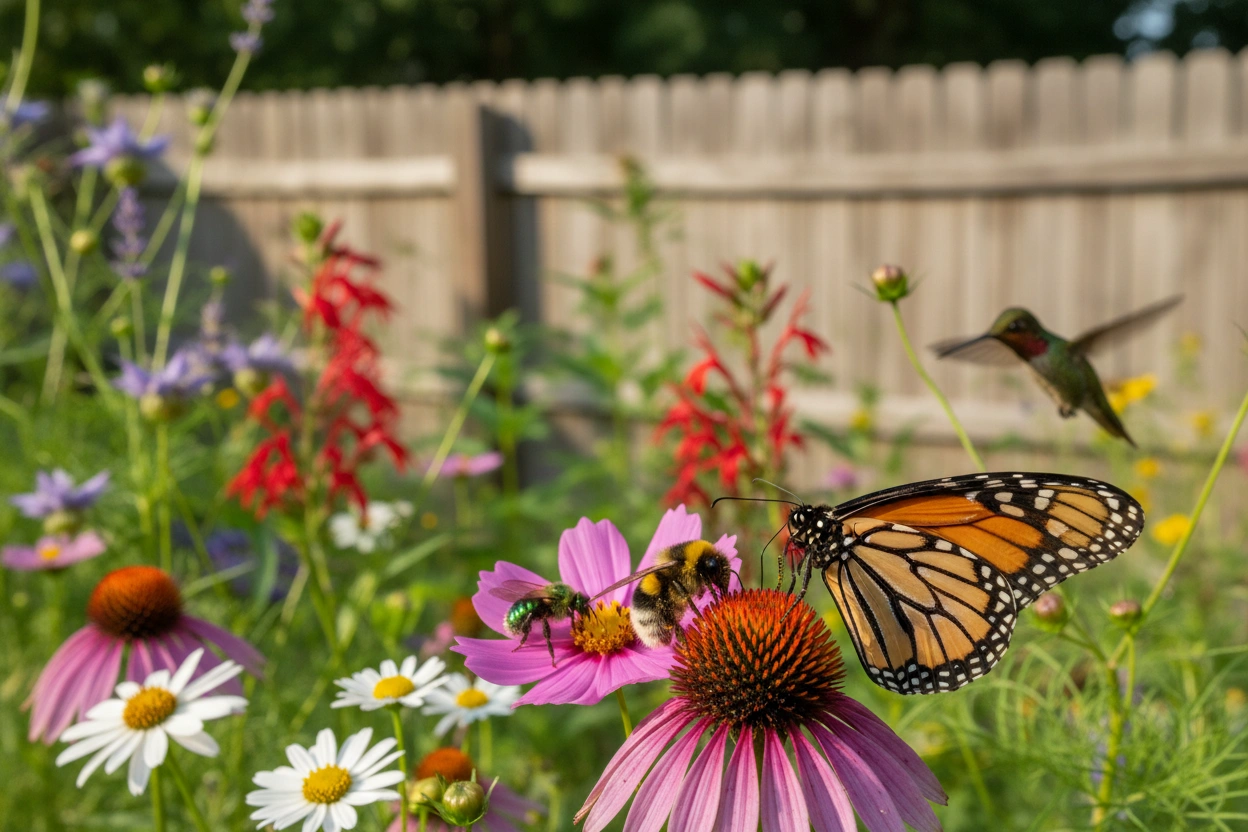
Creating an inviting environment for pollinator insects in your garden can be simple and rewarding. Here are several effective strategies to enhance your garden's appeal to these essential creatures.
Native plants are the best choice for attracting pollinator insects because they have co-evolved with local species. They provide the right type of nectar and pollen that insects are accustomed to.
Pollinators need more than just flowers; they also require suitable habitats for nesting and shelter.
Pesticides pose a significant threat to pollinator populations. To protect these beneficial insects, consider the following:
Like all living creatures, pollinators need water to survive. Incorporating a water source in your garden can be beneficial.
Engaging your community in the importance of pollinator insects can amplify your efforts.
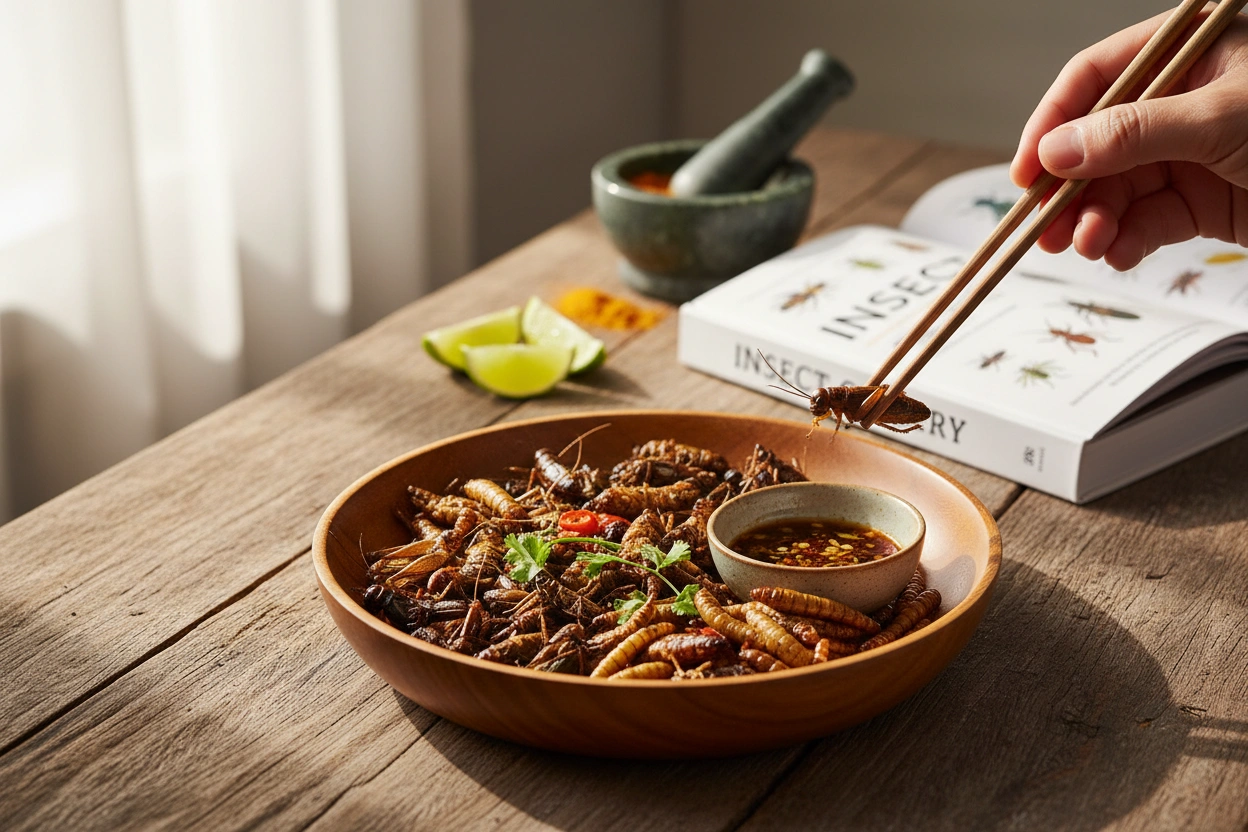
Insects are not only vital for pollination but also serve as crucial food sources for a variety of wildlife. Understanding their role in the ecosystem can enhance your gardening practices.
Insects are a foundational element of many food webs. Here’s how they contribute:
Several insect species are particularly important as food sources:
To support insects as food sources in your garden, consider the following practices:
Despite their importance, many misconceptions exist regarding insects in gardens. Here are a few common myths:
While some insects can harm plants, the majority are beneficial. Pollinators, for instance, are essential for plant reproduction and food production. Instead of viewing all insects as pests, it is crucial to identify which ones support your garden's ecosystem.
Many gardeners believe that using pesticides is the only way to control pests. However, adopting natural pest control methods can be more effective and sustainable in the long run. Utilizing beneficial insects and organic practices can create a balanced ecosystem.
Insects do require water, albeit in smaller quantities compared to larger animals. Providing water sources in your garden can significantly benefit pollinator populations.
As we navigate the complexities of food production and sustainability in 2026, supporting pollinator insects is paramount. Their role in enhancing food security cannot be overstated, as they directly impact crop yields and biodiversity.
By creating pollinator-friendly environments, not only do we support these essential creatures, but we also contribute to a sustainable future. Each garden can serve as a vital habitat, promoting ecological balance and food security.
Engaging with communities to spread awareness about the importance of pollinators can amplify these efforts. Consider collaborating with local organizations to advocate for policies that support pollinator health and habitat preservation.
Understanding the vital role of insects, particularly pollinator insects, is essential for nurturing our gardens and ecosystems. Through proactive gardening practices, we can create environments that support these crucial species while also enhancing our food systems.
Banana Slug Club is committed to providing resources and support for anyone looking to make a positive impact in their gardens. Whether you are just starting your journey into gardening or looking to enhance your existing practices, we are here to help you implement effective strategies for attracting pollinator insects and understanding their role as food sources.
For more insights on fostering a thriving garden ecosystem, visit Banana Slug Club. Together, we can cultivate a greener, more sustainable future.
Get free resources, early access to new features and updates.
No spam. Just fun educational emails!


.svg)
.svg)