The aquaculture industry has seen significant growth in recent years, with crustaceans taking a prominent role in this evolution. In 2026, the demand for sustainable aquaculture practices has become more pressing than ever. As consumers increasingly seek environmentally-friendly seafood options, optimizing the production of crustaceans not only meets market demands but also enhances profitability. This article explores effective strategies for maximizing return on investment (ROI) in crustacean farming while ensuring sustainability.
Understanding the nuances of crustacean farming can be complex, yet it is essential for aquaculture professionals aiming to achieve both economic and environmental goals. This comprehensive guide will delve into the most effective strategies to optimize crustacean production, addressing common misconceptions and providing actionable insights that can lead to increased profitability.
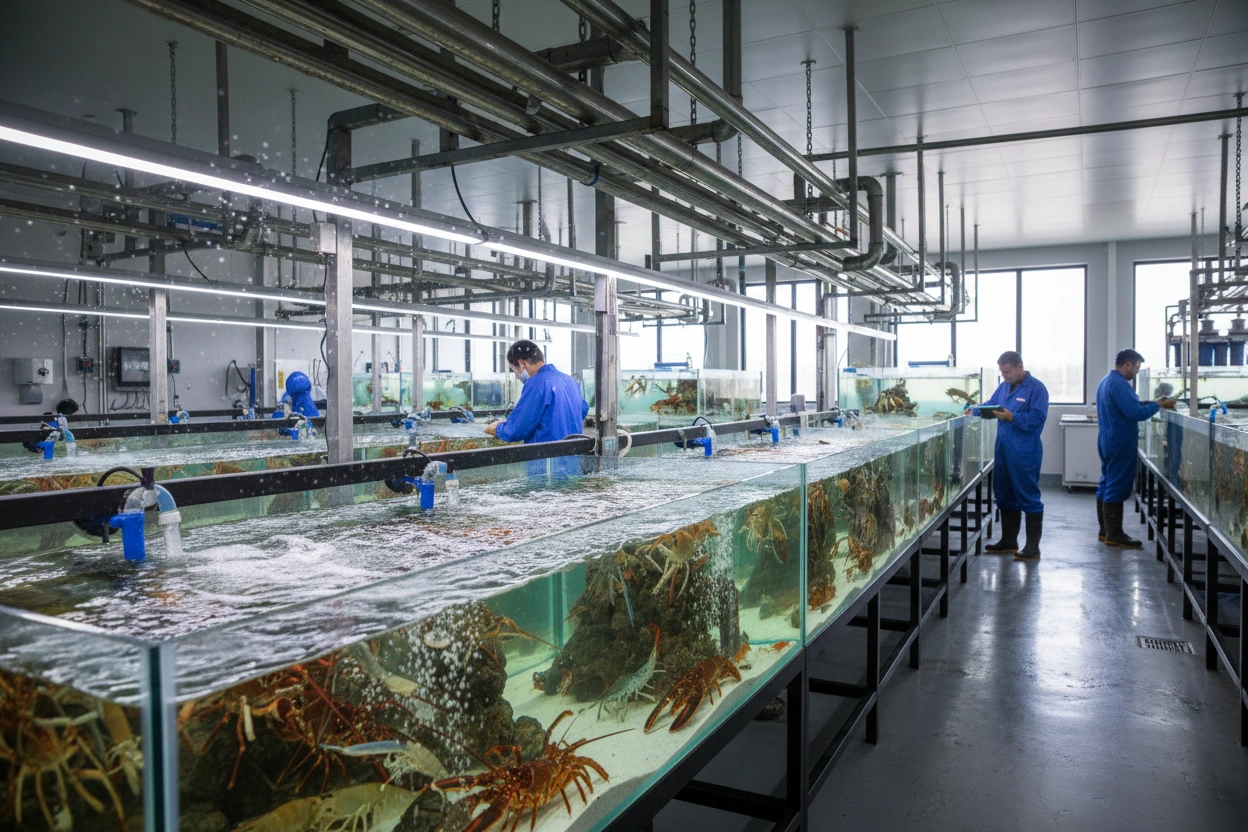
Crustaceans are a diverse group of aquatic animals, including shrimp, crabs, and lobsters, all of which play a critical role in the global seafood market. The aquaculture of crustaceans contributes significantly to food security and economic development in many regions, particularly in Southeast Asia and Latin America. However, the industry faces challenges such as disease management, environmental impacts, and market fluctuations.
Sustainable aquaculture practices are essential for maintaining the health of marine ecosystems and ensuring the long-term viability of crustacean farming. Overfishing and habitat destruction have led to declines in wild crustacean populations, emphasizing the need for responsible farming techniques. Adopting sustainable practices not only benefits the environment but also aligns with consumer preferences, enhancing brand reputation and customer loyalty.
The crustacean aquaculture sector is not without its challenges. Key issues include:

To maximize ROI in crustacean aquaculture, farmers must implement effective strategies that enhance production efficiency while ensuring sustainability. Here are some top strategies to consider:
Utilizing advanced breeding techniques can significantly improve the quality and yield of crustaceans. Selective breeding allows farmers to produce stock that is more resilient to diseases and better suited to environmental conditions. Discover Incredibly Fun Facts about the Lobster.
Feeding is one of the largest operational costs in crustacean farming, making it a critical area for optimization. Efficient feeding practices can lead to better growth rates and lower costs.
Maintaining optimal water quality is essential for the health and growth of crustaceans. Poor water quality can lead to stress and disease, negatively impacting production.
Sustainable farming practices not only protect the environment but also appeal to environmentally conscious consumers.
The integration of technology in crustacean farming can lead to significant efficiency gains and cost reductions.
As the industry evolves, several misconceptions about crustacean farming persist, potentially hindering progress. Addressing these misconceptions is crucial for both new and established farmers.
Many believe that adopting sustainable practices will significantly increase operational costs. However, while there may be initial investments, the long-term savings from reduced feed waste, improved growth rates, and higher market prices for sustainably farmed crustaceans often outweigh these costs.
Not all crustacean species are created equal in terms of profitability. Market demand can vary greatly among species, and farmers should conduct thorough market research to identify which species offer the best potential return on investment.
Small to medium-sized crustacean farms can also benefit from technology. There are numerous affordable options available, such as mobile apps for monitoring water quality or automated feeders that can significantly improve operational efficiency.
To successfully implement the strategies discussed, crustacean farmers should consider the following actionable insights:
Investing in research and development is vital for the advancement of crustacean aquaculture. Continuous innovation can lead to the development of new breeding techniques, improved feed formulations, and sustainable farming practices.
Collaboration between academic institutions, industry stakeholders, and government agencies can foster innovation. Such partnerships can lead to breakthroughs in disease management, environmental sustainability, and overall production efficiency.
Farmers should explore funding opportunities for research and development projects. Government grants and private investment can provide the necessary resources to implement innovative practices.
As the aquaculture industry continues to grow, the future of crustacean farming looks promising. With increasing consumer demand for sustainable seafood and advancements in technology, farmers have a unique opportunity to optimize their operations for better ROI.
Several trends are likely to shape the future of crustacean aquaculture, including:
The optimization of crustacean farming is not just about maximizing profits; it is also about building a sustainable future for aquaculture. By implementing best practices and innovative strategies, farmers can contribute to the health of marine ecosystems while meeting the growing demand for seafood.
Banana Slug Club is committed to supporting aquaculture professionals in their journey towards sustainable practices. Through resources, training, and community engagement, we aim to empower farmers to maximize their ROI while protecting our oceans.
To learn more about how we can assist you in optimizing your crustacean farming practices, visit Banana Slug Club today. Together, we can make a difference in the world of aquaculture.
Get free resources, early access to new features and updates.
No spam. Just fun educational emails!


.svg)
.svg)