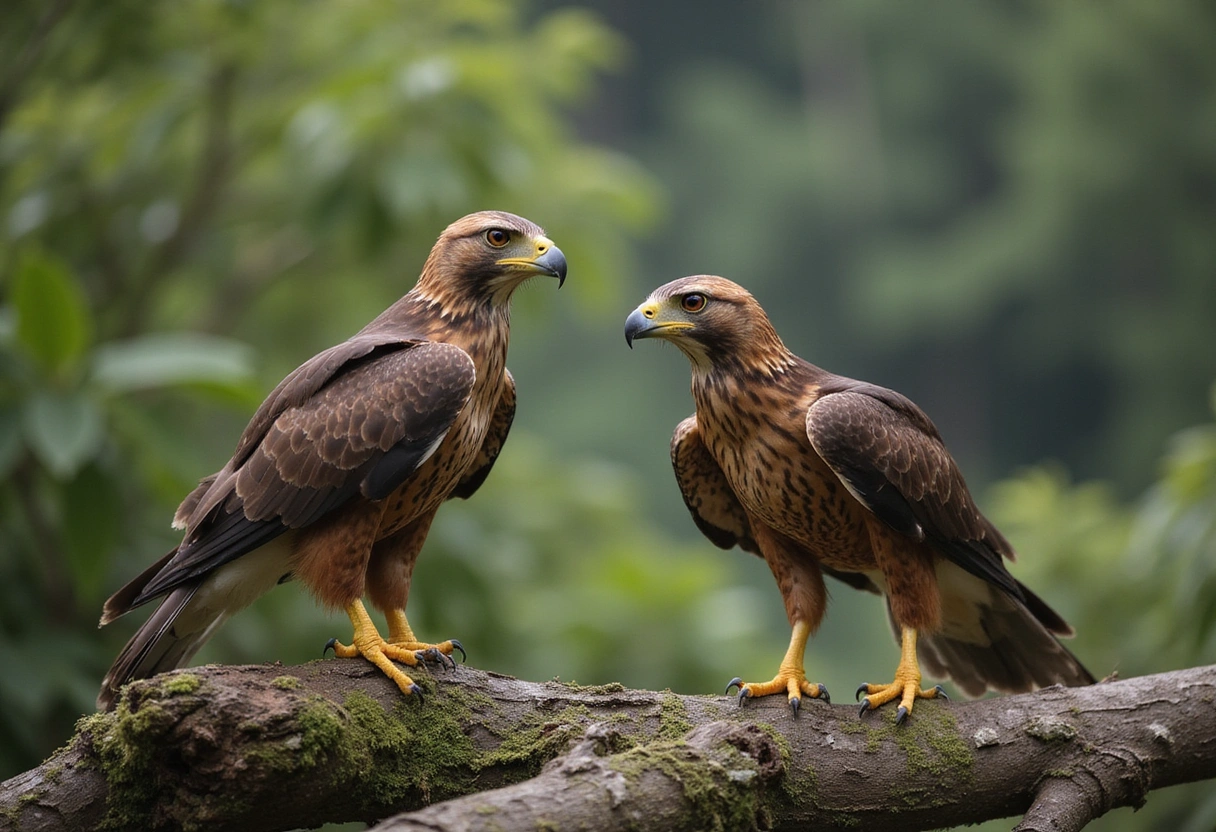
Birdwatching is an exhilarating hobby that combines patience, knowledge, and a profound appreciation for nature. Among the most captivating subjects in the avian world are birds of prey, which include eagles, hawks, falcons, and owls. These magnificent creatures showcase incredible adaptations that allow them to thrive as hunters in various ecosystems. Understanding how to identify these birds not only enhances your birdwatching experience but also fosters a deeper connection with nature. This article delves into the intricacies of identifying birds of prey, provides best practices for bird photography, and equips you with insights to elevate your birdwatching tours.
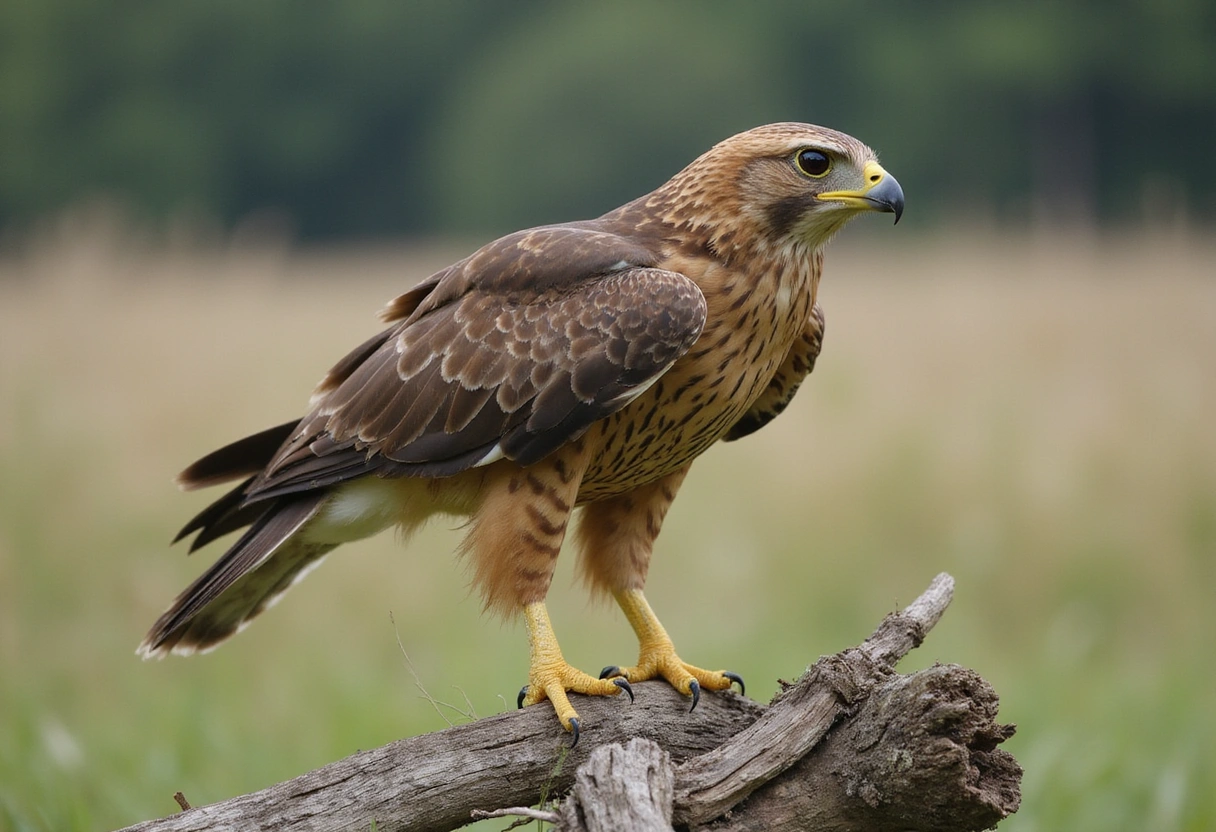
Birds of prey, also known as raptors, are distinguished by their keen eyesight, strong talons, and hooked beaks, which enable them to hunt effectively. They occupy various habitats, from forests and grasslands to wetlands and urban areas. Raptors can be classified into several families, each exhibiting unique characteristics and hunting strategies.
Vision: Raptors possess extraordinary eyesight, often capable of spotting prey from great distances. For instance, a bald eagle can see a rabbit from a mile away. This acute vision is attributed to the large size of their eyes relative to their head and the high density of photoreceptor cells.
Talons and Beaks: The formidable talons of birds of prey are designed for grasping and killing prey. The strength and curvature of the talons vary among species, reflecting their hunting techniques. Similarly, their beaks are sharp and hooked, enabling them to tear flesh efficiently.
Flight Patterns: Raptors are masterful fliers, employing various strategies to hunt. For example, hawks often soar on thermal currents to gain altitude before diving down to catch their prey. Understanding these flight patterns can aid in identifying specific species during birdwatching.
Many enthusiasts may confuse different species of raptors, leading to misidentification. Here are a few common misconceptions:
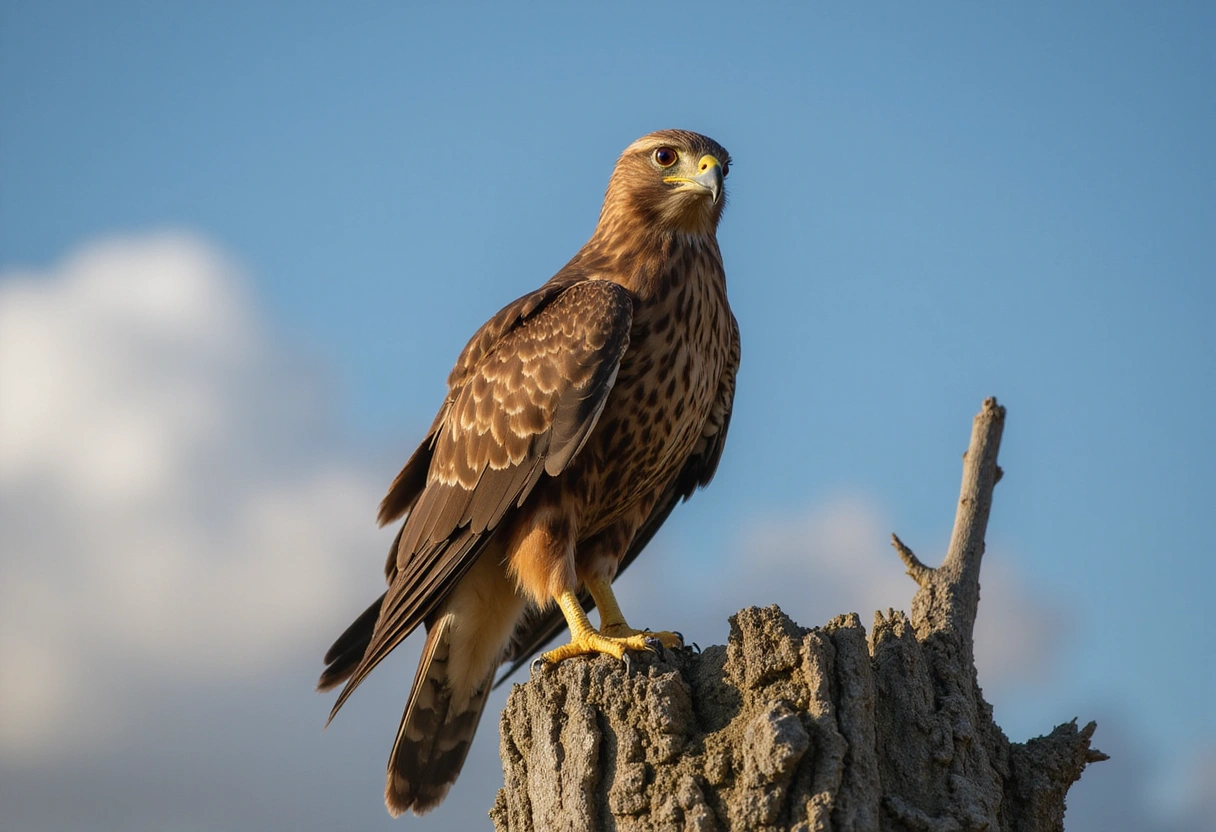
Capturing the beauty of birds of prey through photography can be immensely rewarding. However, it requires skill, patience, and an understanding of the birds' behaviors. Here are some essential practices to enhance your bird photography experience.
When photographing birds of prey, having the right equipment is crucial. Consider the following:
Know Your Subject: Research the behavior and habitat of the raptors you intend to photograph. Understanding their hunting patterns and preferred perches can significantly increase your chances of a successful shot.
Use Natural Light: Early morning or late afternoon provides the best natural light for photography. The soft, warm tones during these times enhance the colors of the birds and their surroundings.
Be Patient and Stealthy: Birds of prey can be skittish. Approach your subject quietly and remain still to avoid startling them. Using camouflage clothing can also help you blend into the environment.
Focus on the Eyes: In bird photography, sharp focus on the eyes is essential. This detail brings the image to life and creates a connection between the viewer and the subject.
Experiment with Angles: Capture birds from different angles to find the most flattering perspective. Low angles can emphasize the bird's size and power, while high angles can provide context about its environment.
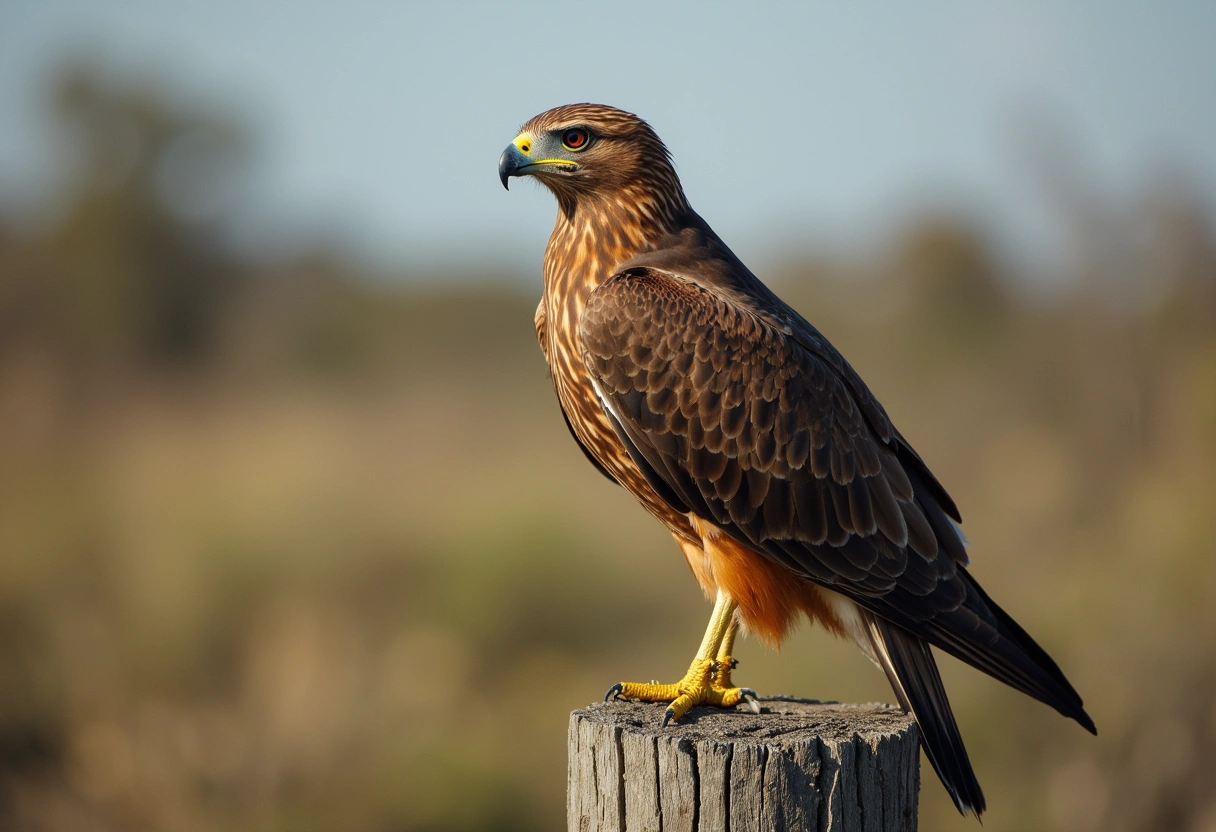
Birdwatching tours can be an exciting way to observe birds of prey in their natural habitats. Whether you're a seasoned birdwatcher or a novice, enhancing your tours with the following tips can lead to a more rewarding experience.
Selecting the ideal location is paramount for successful birdwatching. Consider the following factors:
Collaborating with local birdwatching guides or organizations can enhance your tours significantly. Experts provide valuable insights into local species, habitats, and best practices for observation. They can also lead you to less-known locations that are rich in bird activity.
Incorporating technology into your birdwatching experience can be beneficial. Consider using:
Understanding and identifying birds of prey is not just a hobby; it plays a crucial role in wildlife conservation. Raptors are indicators of ecosystem health, and their presence can signify a balanced environment. Engaging in birdwatching fosters a sense of responsibility towards nature and encourages conservation efforts.
Birdwatching, particularly focusing on birds of prey, offers a unique opportunity to connect with nature while developing skills in observation, identification, and photography. By mastering the art of identifying raptors and practicing responsible birdwatching, you not only enhance your experience but also contribute to the greater good of wildlife conservation.
At Banana Slug Club, we are dedicated to fostering a love for nature among students, families, and nature enthusiasts. Our programs are designed to inspire curiosity and learning about the natural world, including the fascinating realm of birds of prey. Whether you are looking for engaging educational resources or fun activities for kids excited about wildlife, we invite you to explore our offerings.
Visit our website or contact us for more information on how you can deepen your understanding of birds of prey and become an active participant in the conservation of our natural world. Together, we can celebrate and protect the incredible biodiversity that surrounds us.
Get free resources, early access to new features and updates.
No spam. Just fun educational emails!


.svg)
.svg)