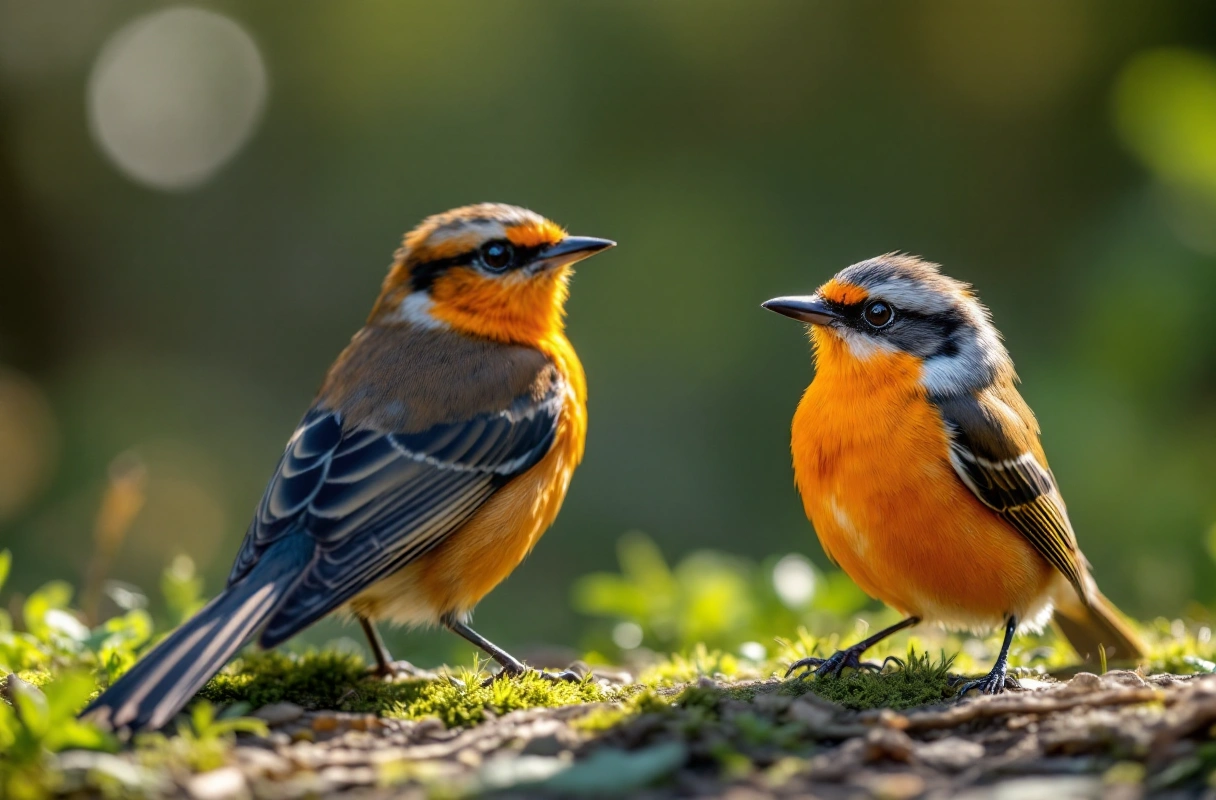
Bird watching is a rewarding and enriching hobby that connects enthusiasts with the beauty of nature. Whether you are a novice seeking to identify local species or a seasoned bird watcher looking to refine your skills, understanding essential bird facts is crucial. This article will guide you through key insights into bird identification, common bird behaviors, and delve into the fascinating world of migration patterns.
As of December 2025, bird watching has seen a resurgence, with more individuals taking an interest in observing and identifying various species. The thrill of spotting a rare bird or understanding its behaviors can be exhilarating. This guide aims to equip you with the knowledge and tools necessary to embark on your birding journey with confidence.

Understanding the basic principles of bird identification is fundamental for anyone looking to immerse themselves in this hobby. Identifying birds involves recognizing their physical characteristics, behaviors, and habitats. Here are several critical aspects to consider:
Birds exhibit a vast range of physical traits, which can serve as key identifiers. Some of the most notable features include:
Understanding common bird behaviors enhances your ability to identify species. Notable behaviors include:
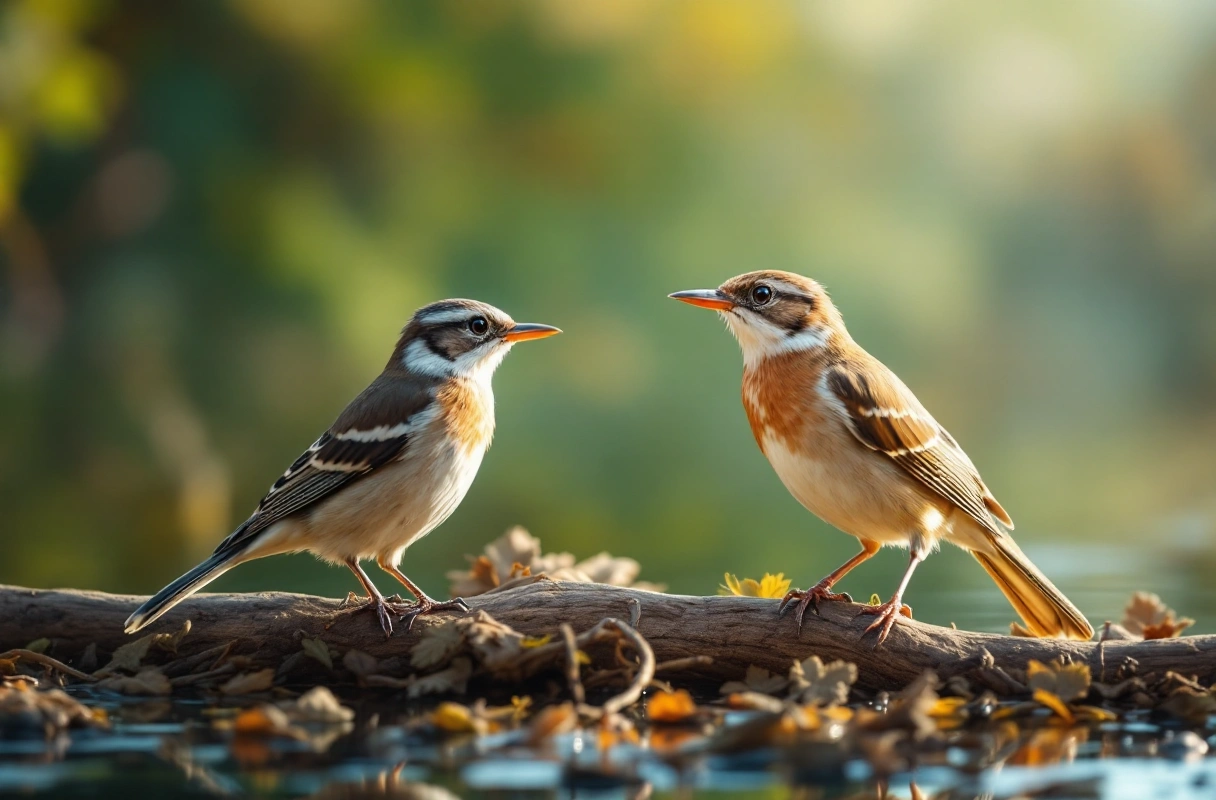
Migration is one of nature's most extraordinary phenomena, with many bird species undertaking long journeys each year. Here are ten fascinating migration patterns that every bird enthusiast should know:
Arctic Tern: This small seabird holds the record for the longest migration, traveling approximately 71,000 kilometers (44,000 miles) annually from its breeding grounds in the Arctic to wintering areas in the Antarctic.
Bald Eagle: While some bald eagles are year-round residents, others migrate south in winter, often traveling hundreds of miles to find open water and food sources.
Monarch Butterfly: Although not a bird, the migration of the monarch butterfly is comparable. They travel up to 3,000 miles from North America to central Mexico, showcasing the wonders of migration.
Barn Swallow: These birds migrate from North America to South America, covering a distance of about 5,000 miles. They are known for their agile flight and social behavior.
Snowy Owl: While primarily a resident bird in the Arctic, snowy owls sometimes migrate south during winter in search of food, leading to fascinating sightings in unusual locations.
Common Blackbird: This species exhibits both migratory and sedentary behavior, with some populations moving south in winter while others remain in their breeding areas.
Sandhill Crane: Sandhill cranes migrate from their breeding grounds in Canada to warmer southern states, performing elaborate courtship dances during their migration.
American Woodcock: Known for its unique aerial displays, the American woodcock migrates from northern breeding grounds to southern regions, often in small groups.
Red-tailed Hawk: These birds migrate seasonally, often traveling alone or in small groups. They utilize thermals to gain altitude, conserving energy during their long flights.
Ruby-throated Hummingbird: This tiny bird migrates from North America to Mexico, often crossing the Gulf of Mexico in a single flight, demonstrating incredible endurance.
Bird migration is influenced by various factors, including food availability, breeding conditions, and environmental changes. Here are some key insights:
Timing: Many species migrate during specific times of the year, often coinciding with seasonal changes in temperature and food sources. For example, many birds return north in the spring to take advantage of abundant food supplies for raising young.
Navigation: Birds utilize a combination of instinct, environmental cues, and celestial navigation to find their way during migration. They rely on landmarks, the sun, and stars to guide their paths.
Habitat Changes: Climate change and habitat destruction can significantly impact migration patterns, forcing birds to adapt their routes or alter their timing. Understanding these shifts is crucial for conservation efforts.
Despite the joy of bird watching, several misconceptions can hinder the experience. Here are some common myths and the truths behind them:
Many beginners believe that high-end binoculars and cameras are necessary for bird watching. While quality equipment can enhance the experience, starting with basic binoculars and a field guide is entirely sufficient.
Not all bird species migrate. Many are year-round residents, adapting to seasonal changes by finding food and shelter. Familiarizing yourself with local species helps to clarify which ones are migratory.
Bird watching is accessible to everyone, regardless of experience level. Beginners can find joy in observing common species and gradually expanding their knowledge. Community resources, such as local birding clubs, can provide guidance and support.
To enhance your bird identification skills, consider the following practical tips:
Keep a Bird Journal: Document your sightings, including location, date, and notable behaviors. This practice will help you track your progress and recognize patterns over time.
Utilize Field Guides: Invest in a good field guide that covers the birds in your region. These guides often include images, descriptions, and information on behaviors, making them invaluable resources.
Join Birding Groups: Connecting with local birding communities can provide support, knowledge sharing, and opportunities for group outings. Engaging with experienced birders can accelerate your learning.
Practice Patience: Bird watching requires patience and observation. Spend time in nature, quietly observing, and you will gradually become more attuned to the presence of birds.
Use Technology: Numerous apps and websites are available for bird identification, allowing you to listen to calls, view images, and share sightings with others. Leveraging technology can enhance your experience significantly.
As you delve into the world of bird watching, it's essential to recognize the broader context of your efforts. Understanding bird facts not only enriches your experience but also contributes to conservation efforts. Engaging with local communities and organizations can amplify your impact and foster a sense of belonging among fellow enthusiasts.
The Banana Slug Club is dedicated to fostering a love for nature and wildlife, including birds. By engaging with the community, you can learn more about local bird species, participate in conservation efforts, and share your passion with others.
As you embark on your birding journey, remember that the key to mastery lies in continuous learning and engagement. The knowledge you've gained about bird facts, behaviors, and migration patterns will serve as a foundation for your adventures. Embrace the challenges and joys of bird watching, and consider joining the Banana Slug Club to connect with like-minded individuals who share your enthusiasm.
For more information on birding resources and community events, visit Banana Slug Club. This vibrant community is eager to support you in your quest to master bird species identification and appreciate the wonders of the avian world.
Get free resources, early access to new features and updates.
No spam. Just fun educational emails!


.svg)
.svg)