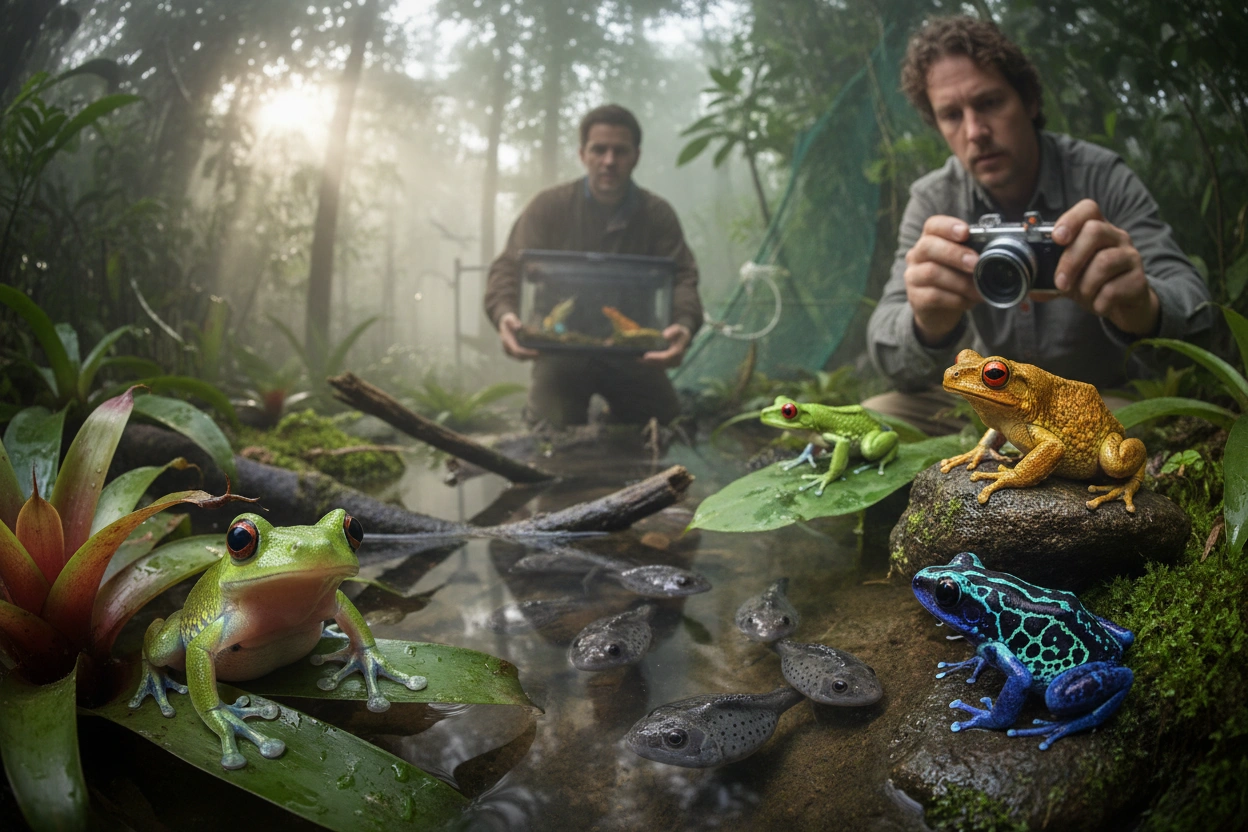
Insects play a crucial role in maintaining the balance of ecosystems, especially in the context of climate change. As gardeners, understanding the importance of insects can significantly enhance the health of your garden. In 2026, the impacts of climate change are more pronounced than ever, affecting insect populations and their roles in our gardens. This article delves into how insects contribute to biodiversity, their interactions within ecosystems, and practical insights for gardeners to foster a healthy environment.

Insects are often overlooked, yet they are vital components of ecosystems. They contribute to various ecological functions that support plant life, animal populations, and overall biodiversity. Understanding these roles helps gardeners appreciate the intricate web of life that sustains their gardens.
One of the most well-known contributions of insects is pollination. Insects such as bees, butterflies, and beetles are essential for the reproduction of many flowering plants.
Gardeners can enhance pollination by planting diverse flora that attracts various pollinators, creating a more vibrant and productive garden.
Insects also contribute to soil health, which is critical for plant growth.
By fostering a habitat for beneficial insects, gardeners can improve soil structure and fertility, leading to healthier plants.
Insects are natural pest controllers. Predatory insects, such as ladybugs and lacewings, help manage pest populations without the need for chemical interventions.
The presence of a wide variety of insects contributes to the overall biodiversity of an ecosystem.
Creating a garden that supports a range of insect species not only benefits the garden itself but also contributes to the broader ecological health of the area.
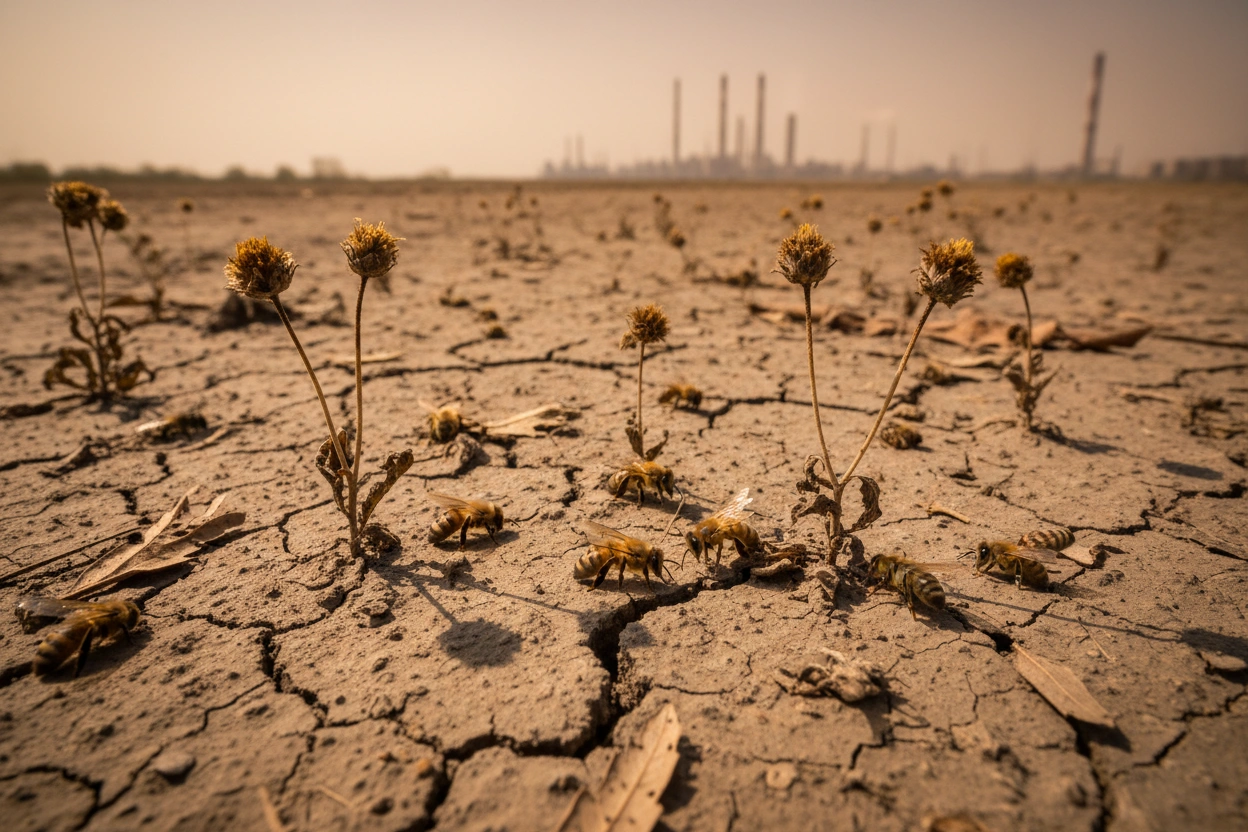
Climate change poses significant challenges to insect populations, impacting their behavior, distribution, and survival. Understanding these effects can help gardeners adapt their practices to support insect life.
Increased temperatures can alter insect life cycles and behaviors.
Gardeners should consider planting native species that are adapted to local climate conditions, ensuring that they remain in sync with local insect populations.
Climate change can lead to habitat loss, further stressing insect populations.
By incorporating native plants and creating diverse habitats, gardeners can help mitigate these effects and provide essential resources for insects.
As insect populations fluctuate due to climate change, food webs are also affected.
Gardeners can promote stability in food webs by maintaining a diverse range of plants that support various insect species, ensuring a balanced ecosystem.
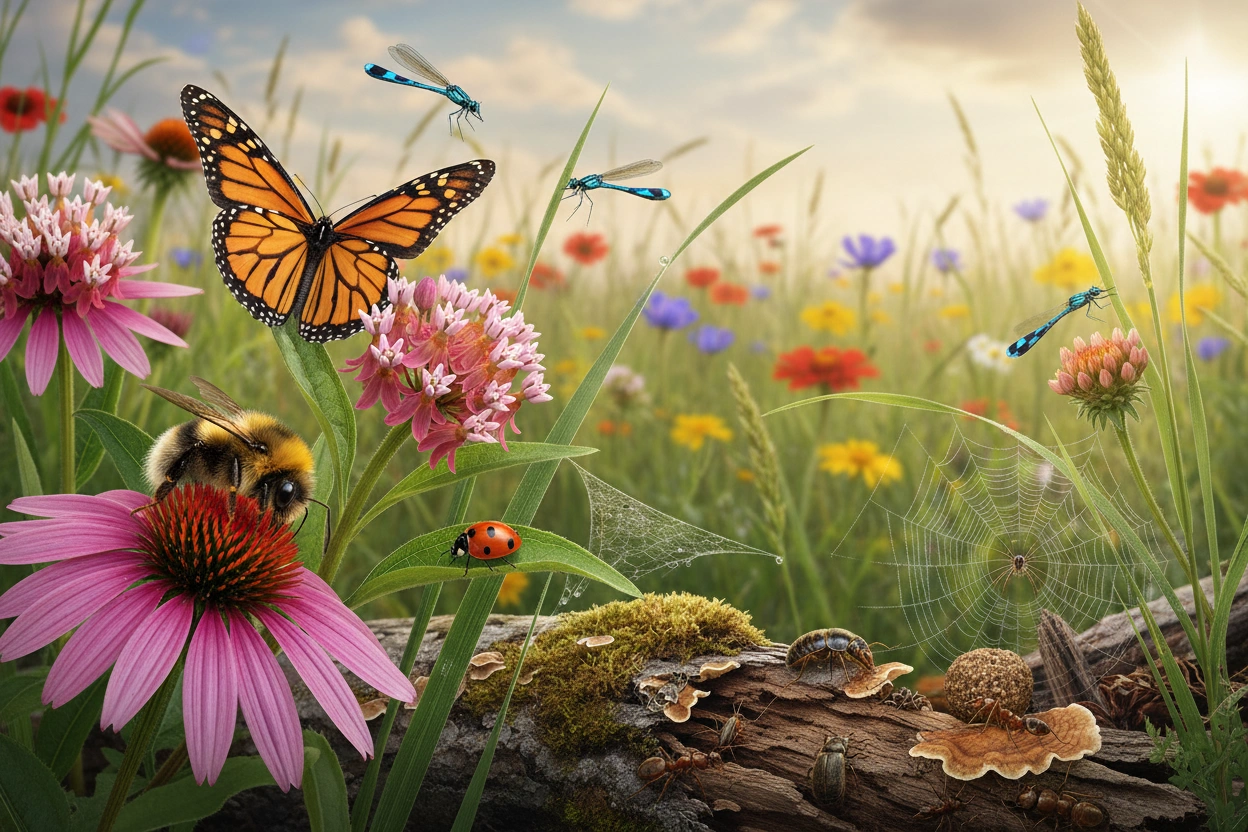
The contribution of insects to biodiversity is multifaceted and critical for ecosystem stability. Gardeners should recognize the importance of fostering insect diversity in their gardens.
Insects thrive in diverse habitats.
Designing gardens with diversity in mind can help increase the number of insect species, which benefits the entire ecosystem.
Insects often engage in mutualistic relationships with plants and other organisms.
Gardeners can promote mutualistic interactions by planting a variety of species that support different insect relationships, creating a more resilient garden ecosystem.
Insects also contribute to genetic diversity within ecosystems.
By supporting a range of insect species, gardeners contribute to the genetic diversity that is essential for healthy ecosystems.
To foster a healthy environment for insects, gardeners can adopt several best practices. These practices not only enhance biodiversity but also improve the overall health of gardens.
Encouraging pollinators is essential for garden productivity.
By creating pollinator-friendly spaces, gardeners can ensure a robust insect population that supports plant reproduction.
Healthy soil is fundamental for sustaining insect populations.
By prioritizing soil health, gardeners create a thriving environment for both plants and insects.
Diversity is key to attracting a wide range of insects.
A diverse plant palette not only supports insects but also enhances the aesthetic appeal of gardens.
Understanding the role of insects can empower gardeners to make informed decisions.
By educating themselves and others, gardeners can contribute to a greater understanding of the importance of insects in ecosystems.
As the climate continues to change, the importance of insects in maintaining ecological balance becomes increasingly clear. Gardeners have a unique opportunity to support these vital creatures and, in doing so, contribute to the health of their local ecosystems.
Insects are not merely pests; they are essential allies in the fight against climate change. By understanding their roles in ecosystems and implementing best practices, gardeners can create environments that support insect populations, promote biodiversity, and foster resilience in the face of environmental challenges.
Gardening with an awareness of the crucial role insects play in our ecosystems is a significant step towards sustainability. As we navigate the challenges posed by climate change, embracing practices that support insect populations becomes vital.
Banana Slug Club recognizes the importance of insects in promoting a healthy garden environment. By providing resources and guidance, Banana Slug Club helps gardeners implement strategies that benefit both their gardens and the broader ecosystem.
For more information on how you can support insects in your garden and embrace sustainable practices, visit Banana Slug Club. Together, we can cultivate a healthier environment for insects and the ecosystems they sustain.
Get free resources, early access to new features and updates.
No spam. Just fun educational emails!


.svg)
.svg)