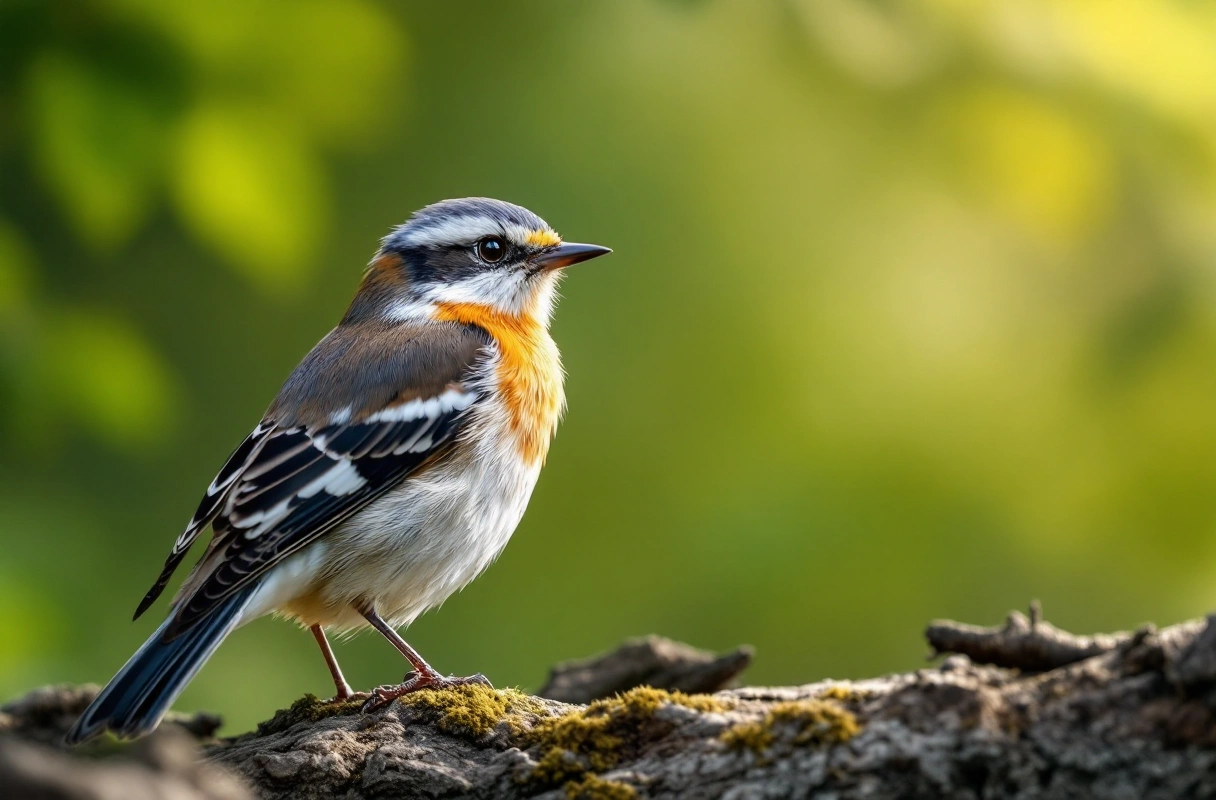
Birdwatching is a rewarding hobby that invites enthusiasts to connect with nature, observe fascinating behaviors, and learn about various species. Whether you are a seasoned birdwatcher or just beginning your journey, understanding essential bird facts can enhance your ability to recognize and appreciate the avian world. This article will delve into significant bird facts, explore common bird behaviors, and highlight the top ten fascinating bird migration patterns you should know.
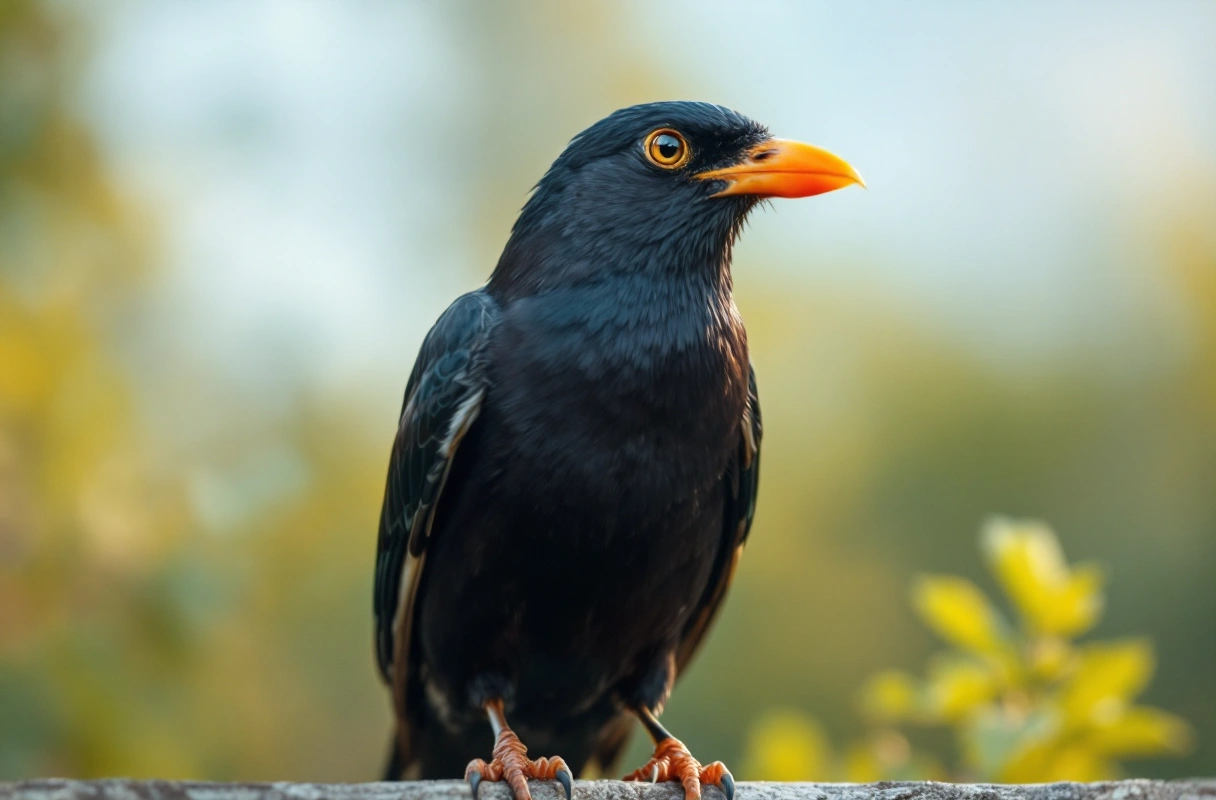
Bird facts encompass a wide array of information that can significantly improve your birdwatching experience. From identifying different species to understanding their habitats, feeding habits, and migratory patterns, these facts form the foundation of effective bird identification.
Birds are unique creatures with distinctive features that make them easily recognizable. Here are some key characteristics to consider:
Understanding these characteristics allows birdwatchers to make educated guesses about the species they encounter.
Recognizing common bird behaviors can enhance your identification skills. Here are some behaviors to observe:
By focusing on these behaviors, birdwatchers can develop a deeper understanding of avian life and improve their identification skills.
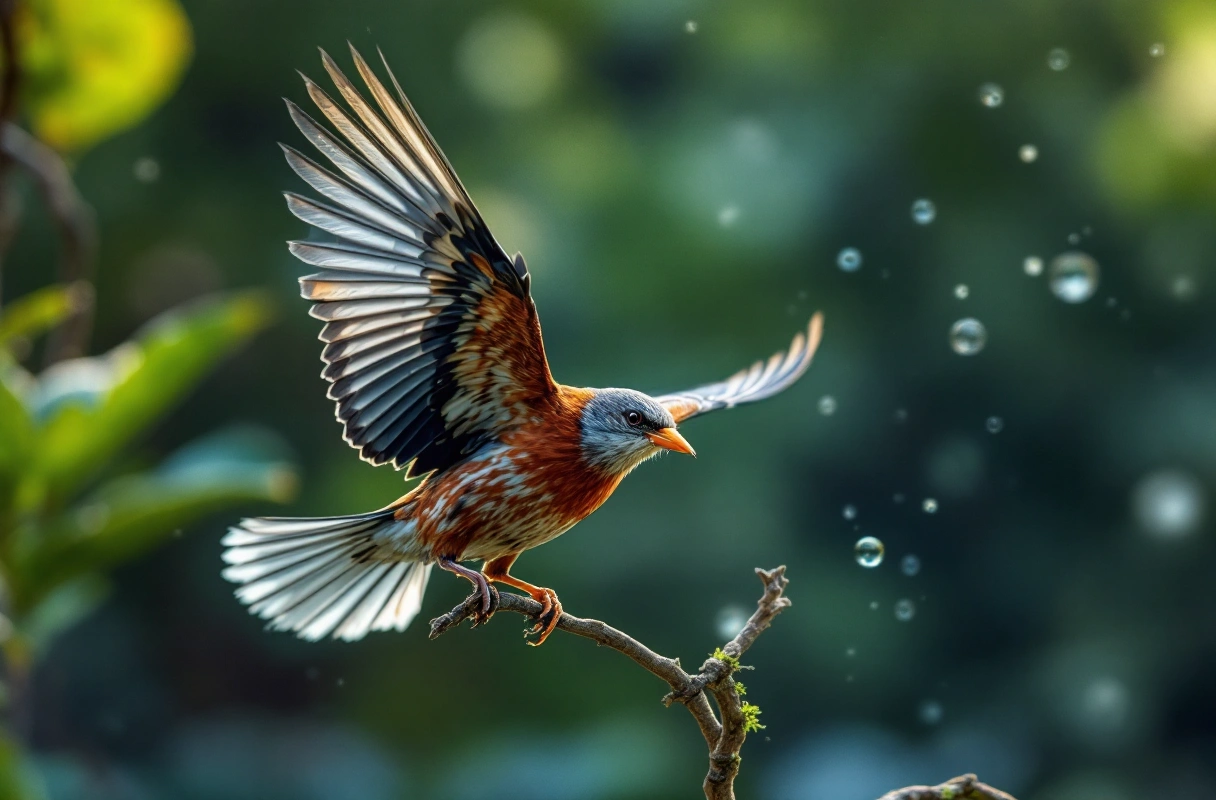
Migration is one of the most intriguing aspects of bird life. Many species travel thousands of miles between breeding and wintering grounds. Understanding these migration patterns can help you anticipate when and where to observe different species.
The Arctic Tern is renowned for its incredible migration, traveling approximately 44,000 miles each year from its breeding grounds in the Arctic to wintering areas in the Antarctic. This remarkable journey is the longest migration of any bird species.
Barn Swallows migrate from North America to Central America for the winter. They are known for their agile flight and acrobatic feeding style, catching insects in mid-air.
While not a bird, the Monarch Butterfly's migration pattern is often compared to those of migratory birds. They travel from Canada and the United States to central Mexico, covering up to 3,000 miles.
The Red Knot is a shorebird that undertakes a remarkable migration from the Arctic to southern South America. These birds stop at key locations along the way to refuel, showcasing the importance of habitat preservation for migratory species.
Canada Geese are well-known for their V-shaped flight formation during migration. They travel from their breeding grounds in Canada and the northern United States to warmer southern states during the winter months.
Indigo Buntings migrate from North America to Central America. They are known for their stunning blue plumage and unique navigation skills, using the stars to guide their way.
Snowy Owls migrate south from the Arctic regions in search of food during the winter months. Their striking white plumage makes them a favorite among birdwatchers.
Swainson's Hawks travel from North America to Argentina, covering a distance of over 7,000 miles. They are known for their impressive soaring abilities and prefer open grasslands for nesting.
Common Swifts are remarkable for their high-speed migration, flying from Europe to Africa. They spend most of their lives in the air, feeding, mating, and even sleeping while flying.
The Blackpoll Warbler is a small songbird known for its long-distance migration. It travels from North America to South America, often flying over open ocean for up to 18 hours non-stop.
Understanding these migration patterns not only enriches your birdwatching experience but also highlights the importance of conservation efforts to protect migratory routes and habitats.
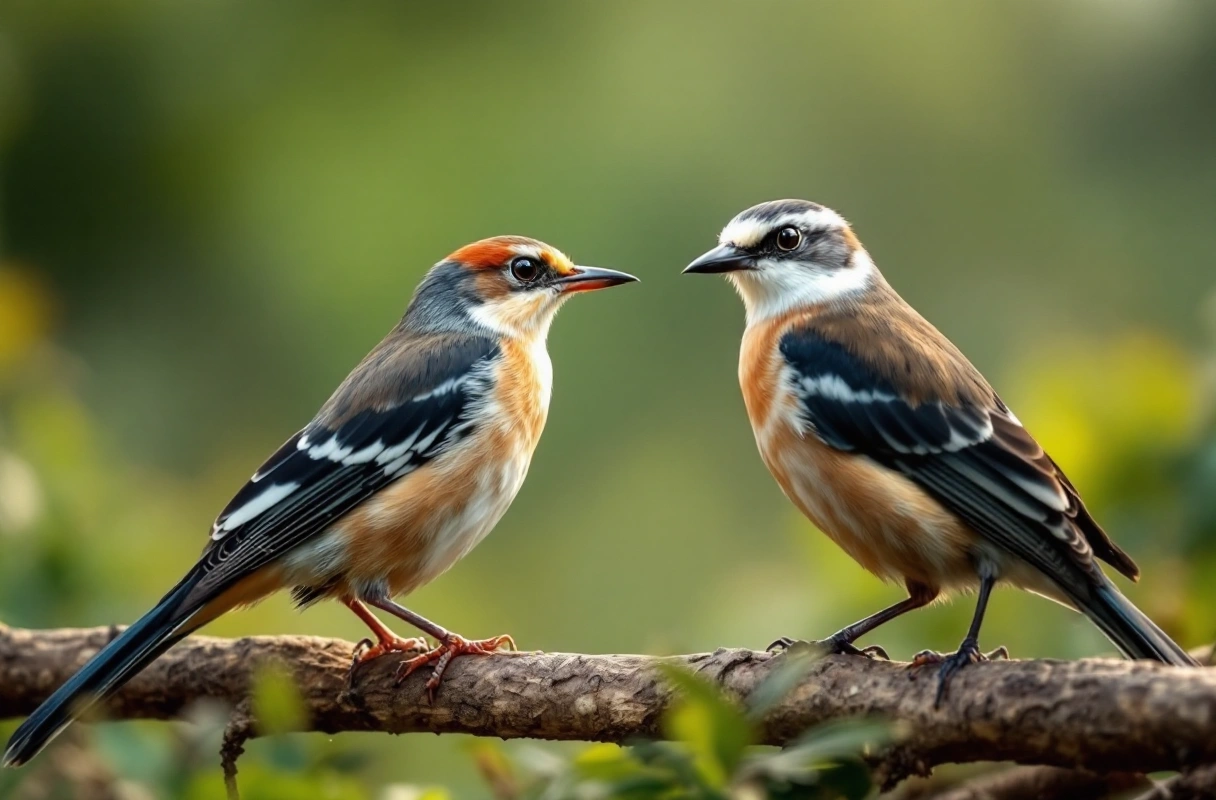
Even seasoned birdwatchers can make mistakes when identifying bird species. Here are some common pitfalls and tips to help you avoid them:
Many birdwatchers focus too heavily on color, neglecting other critical factors like size and shape. Remember to consider:
Birds can exhibit significant changes in plumage depending on the season. For example, male birds often have brighter colors during mating season. To avoid confusion:
Bird behavior provides essential clues for identification. Relying solely on appearance can lead to misidentification. To enhance your observational skills:
By being aware of these common mistakes, birdwatchers can improve their skills and enjoy a more rewarding experience.
Birdwatching can be a fulfilling hobby when approached with the right techniques. Here are some actionable tips to enhance your birdwatching experience:
Having the right equipment can significantly improve your birdwatching experience. Consider:
Timing and location are crucial for successful birdwatching. Follow these guidelines:
Birdwatching requires patience and respect for wildlife. To avoid disturbing birds:
Connecting with other birdwatchers can enhance your experience. Benefits include:
By applying these tips, you can create a more enjoyable and successful birdwatching experience.
Understanding bird facts is essential not only for identification but also for the preservation of bird species and their habitats. As birdwatchers, it is our responsibility to promote conservation efforts and protect the environments that these magnificent creatures rely on.
Birds play a vital role in ecosystems, contributing to pollination, seed dispersal, and pest control. By learning about their behaviors and migration patterns, we can better advocate for their protection and support initiatives that safeguard their habitats.
At Banana Slug Club, we are dedicated to fostering a love for nature and promoting conservation efforts. Our resources and community initiatives aim to educate and engage individuals in the importance of protecting bird species and their habitats. By joining our club, you can access valuable information on birdwatching, participate in conservation projects, and connect with fellow nature enthusiasts.
If you want to deepen your understanding of bird facts and contribute to conservation efforts, visit Banana Slug Club today. Together, we can make a difference in the lives of birds and the ecosystems they inhabit.
Get free resources, early access to new features and updates.
No spam. Just fun educational emails!


.svg)
.svg)