How to Create the Ideal Reptile Habitat at Home
Creating a comfortable and safe habitat for reptiles is essential for their well-being and longevity. As reptiles become increasingly popular pets, understanding their specific needs has never been more critical. In this article, we will explore various aspects of setting up the ideal reptile habitat at home, focusing on the requirements of common reptiles and the importance of conservation for endangered species.
Understanding Reptile Needs
Reptiles are ectothermic animals, meaning they rely on external sources of heat to regulate their body temperature. This characteristic influences how their habitats should be designed. A proper habitat mimics the natural environment of the reptile, providing a range of temperatures, humidity levels, and hiding spots.
Common reptiles kept as pets include:
- Bearded dragons
- Ball pythons
- Leopard geckos
- Corn snakes
- Red-eared sliders
Each species has unique requirements regarding habitat size, substrate, lighting, and dietary needs, which must be carefully considered when creating their living space.
Key Components of a Reptile Habitat
To create an ideal habitat for reptiles, several essential components should be included:
- Enclosure Size: The enclosure should be spacious enough for the reptile to move around freely. A general rule of thumb is to provide at least twice the length of the reptile in length and width.
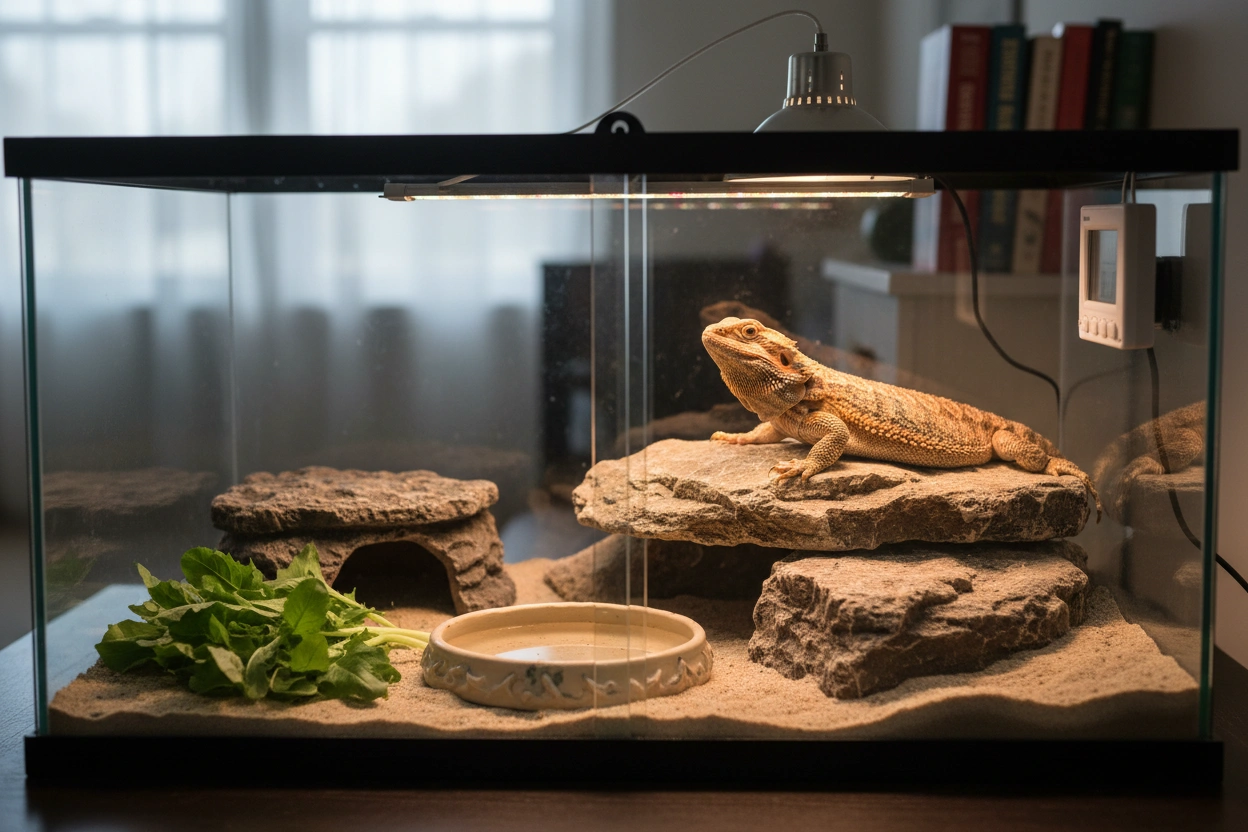
- Heating and Lighting: Proper heating is crucial for reptiles to thrive. Most reptiles require a basking area with a temperature gradient, allowing them to move between warm and cool zones. UVB lighting is also necessary for many reptiles to synthesize vitamin D3.
- Humidity Control: Depending on the species, humidity levels should be monitored and adjusted. Many reptiles, especially tropical species, need higher humidity levels, which can be achieved through misting or using a humidifier.
- Substrate: The substrate should mimic the natural environment of the reptile while also being easy to clean. Options include coconut fiber, reptile carpet, or sand, depending on the species' needs.
- Hiding Spots and Climbing Structures: Reptiles need places to hide and feel secure. Incorporating caves, logs, and plants (real or artificial) can help create a more natural environment.
By addressing these key components, you can ensure your reptile has a safe and comfortable home.
Setting Up the Habitat
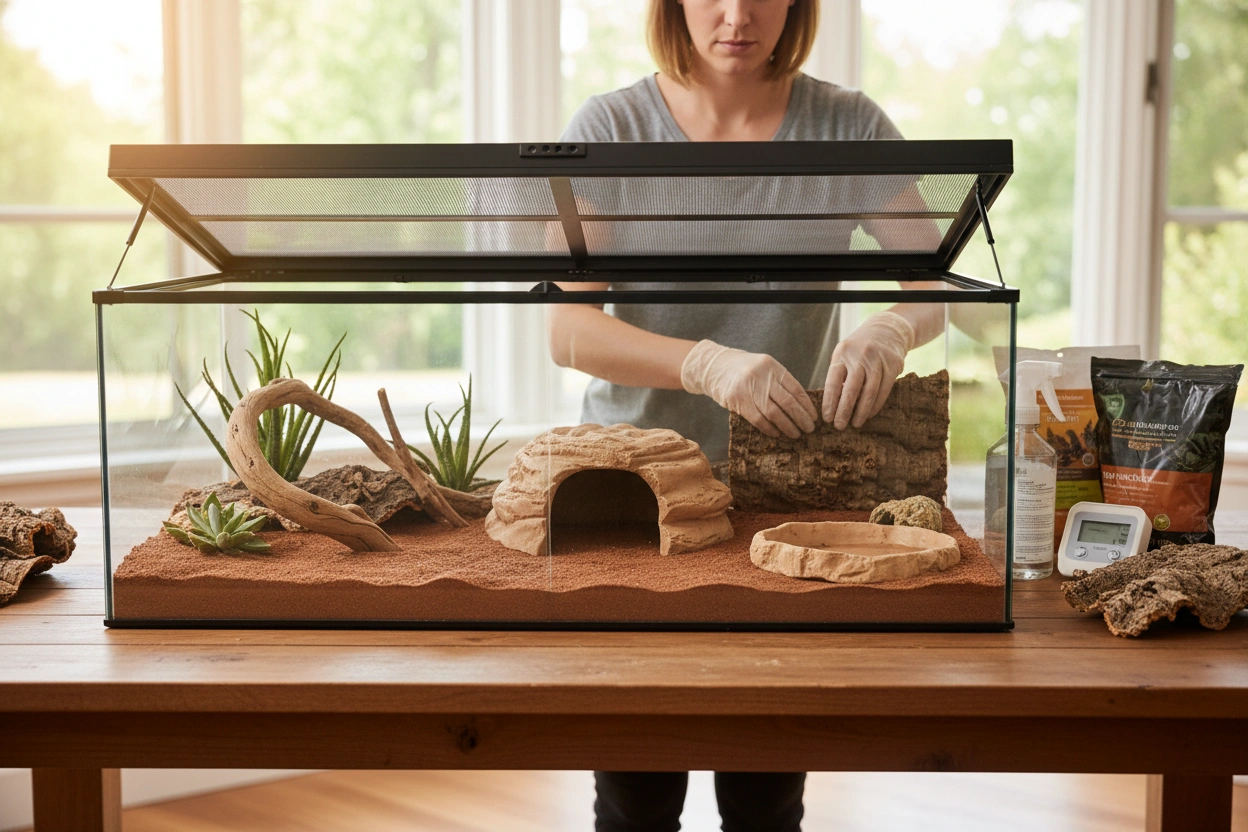
Once you understand the basic needs of your reptile, it's time to set up the habitat. Here are the essential steps to follow:
- Select the Enclosure: Choose an appropriately sized enclosure based on the species. For larger reptiles, consider glass terrariums or custom-built enclosures.
- Install Heating and Lighting: Use heat mats, ceramic heat emitters, or basking bulbs to create a temperature gradient. Install UVB lights above the basking area to provide necessary light exposure.
- Add Substrate: Layer the substrate evenly across the bottom of the enclosure. Ensure it is deep enough for burrowing species, if applicable.
- Decorate the Habitat: Add hiding spots, climbing structures, and plants to provide enrichment. Ensure all decorations are safe and non-toxic.
- Monitor and Adjust Conditions: Regularly check temperature and humidity levels using thermometers and hygrometers. Adjust heating and misting as needed to maintain optimal conditions.
Common Mistakes to Avoid
Creating an ideal habitat for reptiles can be challenging, especially for first-time owners. Here are some common mistakes to avoid:
- Inadequate Space: Underestimating the space requirements of the reptile can lead to stress and health issues.
- Incorrect Temperature Gradients: Failing to provide a proper temperature gradient can lead to metabolic disorders.
- Neglecting Humidity Levels: Many reptiles require specific humidity levels for proper shedding and health. Regular monitoring is essential.
- Using Toxic Materials: Some substrates and decorations can be harmful. Always research materials before adding them to the habitat.
By avoiding these mistakes, you can create a thriving environment for your reptile.
Top 10 Endangered Reptile Species and Their Conservation
The plight of endangered reptiles is a pressing concern. Many reptile species face threats from habitat destruction, climate change, and the illegal pet trade. Here are ten endangered reptiles that require urgent conservation efforts:
- Hawksbill Sea Turtle (Eretmochelys imbricata): Critically endangered due to habitat loss and poaching for their shells.
- Psychedelic Rock Gecko (Cnemaspis psychedelica): Found in Vietnam, this species is threatened by habitat destruction and illegal collection.
- Bornean Pygmy Elephant (Elephas maximus borneensis): While primarily an elephant species, it shares its habitat with many reptiles, facing threats from deforestation.
- Roti Island Snake Necked Turtle (Chelodina mccordi): Critically endangered due to habitat loss and the pet trade.
- Chinese Alligator (Alligator sinensis): Facing severe population decline due to habitat destruction and pollution.
- Gharial (Gavialis gangeticus): Critically endangered due to river habitat loss and fishing nets.
- Giant Galápagos Tortoise (Chelonoidis nigra): Once on the brink of extinction, conservation efforts have helped, but they remain vulnerable.
- Spoon-billed Sandpiper (Calidris pygmaea): While primarily a bird, its habitat is crucial for many reptiles in its ecosystem.
- Tuataras (Sphenodon punctatus): Native to New Zealand, they are threatened by habitat loss and introduced predators.
- Philippine Crocodile (Crocodylus mindorensis): Critically endangered due to habitat destruction and hunting.
The Importance of Conservation
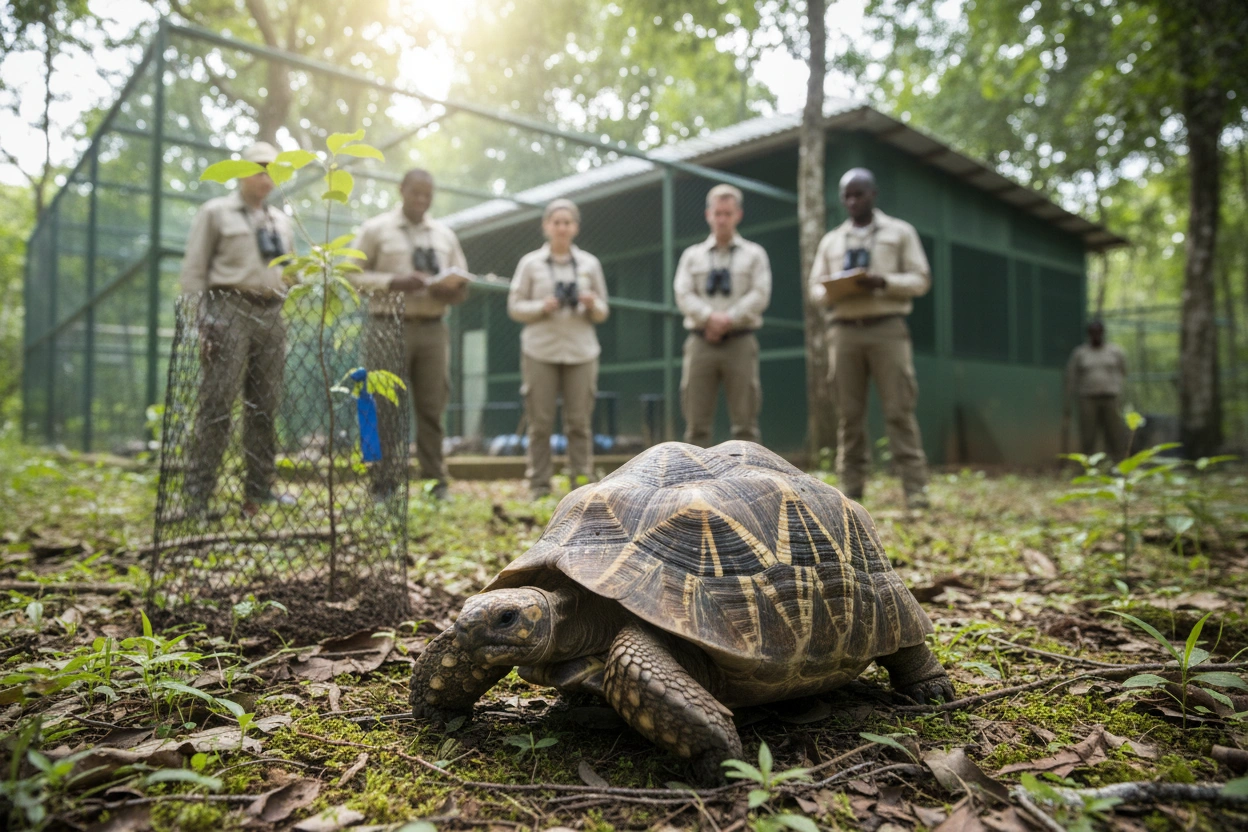
Conserving endangered reptiles is vital for maintaining biodiversity and ecological balance. Reptiles play crucial roles in their ecosystems, such as pest control and seed dispersal. Their decline can lead to significant changes in the environment, affecting other species and overall ecosystem health.
To support conservation efforts, consider the following actions:
- Educate Others: Share knowledge about endangered species and the importance of conservation.
- Support Conservation Organizations: Contribute to or volunteer with organizations dedicated to reptile conservation.
- Advocate for Sustainable Practices: Promote sustainable land-use practices to protect habitats.
Creating a Reptile-Friendly Home
Beyond the habitat itself, creating a reptile-friendly home involves understanding how to coexist with these fascinating creatures. Here are some actionable tips:
- Research Thoroughly: Before acquiring a reptile, research its specific needs and requirements to ensure a good match for your lifestyle.
- Maintain a Clean Environment: Regularly clean the habitat to prevent the buildup of waste and bacteria.
- Monitor Health: Keep an eye on your reptile’s health and behavior. Changes may indicate stress or illness.
- Engage with Your Reptile: Many reptiles can become accustomed to handling. Spend time with them to build trust, but always respect their boundaries.
Addressing Common Misconceptions
There are several misconceptions about reptiles that can hinder their care:
- Reptiles are Low-Maintenance Pets: While they may not require daily walks, reptiles still need proper care and attention.
- All Reptiles Can Live Together: Many reptiles have specific territorial needs and should not be housed together unless compatible.
- Reptiles Do Not Need Social Interaction: While some reptiles are solitary, many benefit from regular human interaction and stimulation.
By addressing these misconceptions, reptile owners can provide better care and understanding for their pets.
The Intersection of Reptile Conservation and Home Habitats
Understanding how to create an ideal habitat for reptiles at home goes hand-in-hand with recognizing the importance of conservation efforts for endangered species. As pet owners, we have a unique opportunity to contribute to the well-being of reptiles both in captivity and in the wild.
Banana Slug Club is dedicated to educating the public about reptiles and their conservation needs. By fostering awareness and encouraging responsible pet ownership, we can make a positive impact on reptile populations worldwide.
For those interested in learning more about reptiles, their habitats, and conservation efforts, we encourage you to explore our resources.
Visit Banana Slug Club to enhance your understanding of reptile care and support conservation initiatives that protect these fascinating creatures.



.svg)
.svg)