Creating a suitable habitat for your reptiles is essential to their health and well-being. Reptiles are unique creatures that require specific environmental conditions to thrive. Whether you are a novice or a seasoned reptile keeper, understanding the needs of your pets can dramatically improve their quality of life. In this guide, we will explore the critical components of a reptile habitat, common mistakes to avoid, and expert insights to ensure your reptiles flourish in their new home.
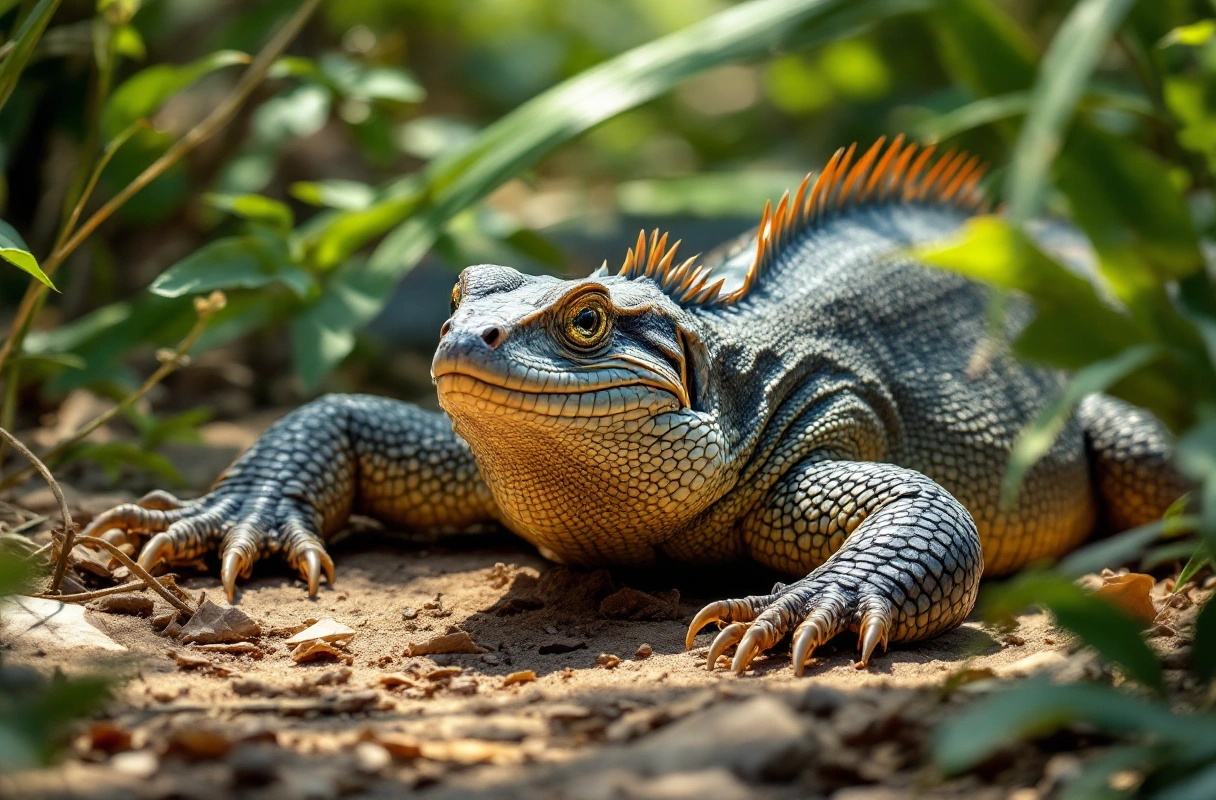
Reptile habitats must mimic the natural environments from which these creatures originate. Different species have varying requirements, so it is crucial to research the specific needs of your reptiles. This section will delve into the fundamental aspects of creating a conducive habitat.
Temperature Control: Reptiles are ectothermic, meaning they rely on external heat sources to regulate their body temperature. Each species has a preferred temperature range, often requiring a gradient from warm to cool areas in their habitat. For instance, a basking spot should be around 85-95°F for many lizards, while snakes may prefer a slightly cooler environment.
Humidity Levels: Different reptiles require varying humidity levels to remain healthy. For example, tropical species like chameleons need high humidity levels, while desert reptiles, such as bearded dragons, thrive in drier conditions. It is essential to monitor humidity with hygrometers and adjust accordingly using water dishes, misting, or humidity-retaining substrates.
Lighting: Proper lighting is crucial for reptiles, particularly for those that require UVB exposure for calcium metabolism. UVB lights should be placed at a distance specified by the manufacturer to provide adequate coverage without causing harm. Ensure that the light is on for about 10-12 hours a day to mimic natural daylight cycles.
Selecting the right enclosure is one of the most significant decisions you will make for your reptiles. The type of enclosure can greatly affect their health and happiness.
Glass Terrariums: These are popular for reptiles as they provide visibility and allow for easy temperature and humidity management. They come in various sizes to accommodate different species.
Plastic Tubs: A more affordable option for many keepers, plastic tubs can be effective but may require additional ventilation solutions.
Custom-built Habitats: For more extensive or specialized species, custom-built enclosures can offer the most flexibility in terms of design and functionality. For example, you might consider creating habitats for long lifespan animals that require specific conditions.

Creating a thriving environment for your reptiles involves more than just temperature and lighting. It is vital to include various features that cater to their natural behaviors.
The substrate is the material on the bottom of the enclosure, and it can significantly impact your reptiles' health.
Coconut Fiber: This substrate is ideal for many species as it retains moisture and allows for burrowing.
Reptile Carpet: A reusable option that is easy to clean and prevents impaction, making it suitable for many reptiles.
Sand: Suitable for desert species, but caution is needed as it can cause impaction if ingested.
Reptiles need places to hide and explore, as these features can help reduce stress and promote natural behaviors.
Caves and Logs: Adding decorative caves or logs provides hiding spots for reptiles to feel secure.
Branches and Vines: For arboreal species, climbing structures are essential. Ensure they are sturdy and safe to prevent accidents.
Access to clean water and proper feeding areas is crucial.
Water Bowls: Ensure that the water bowl is deep enough for your reptiles to soak if needed, but shallow enough to prevent drowning.
Feeding Platforms: Designate a specific area for feeding to help maintain cleanliness in the habitat.
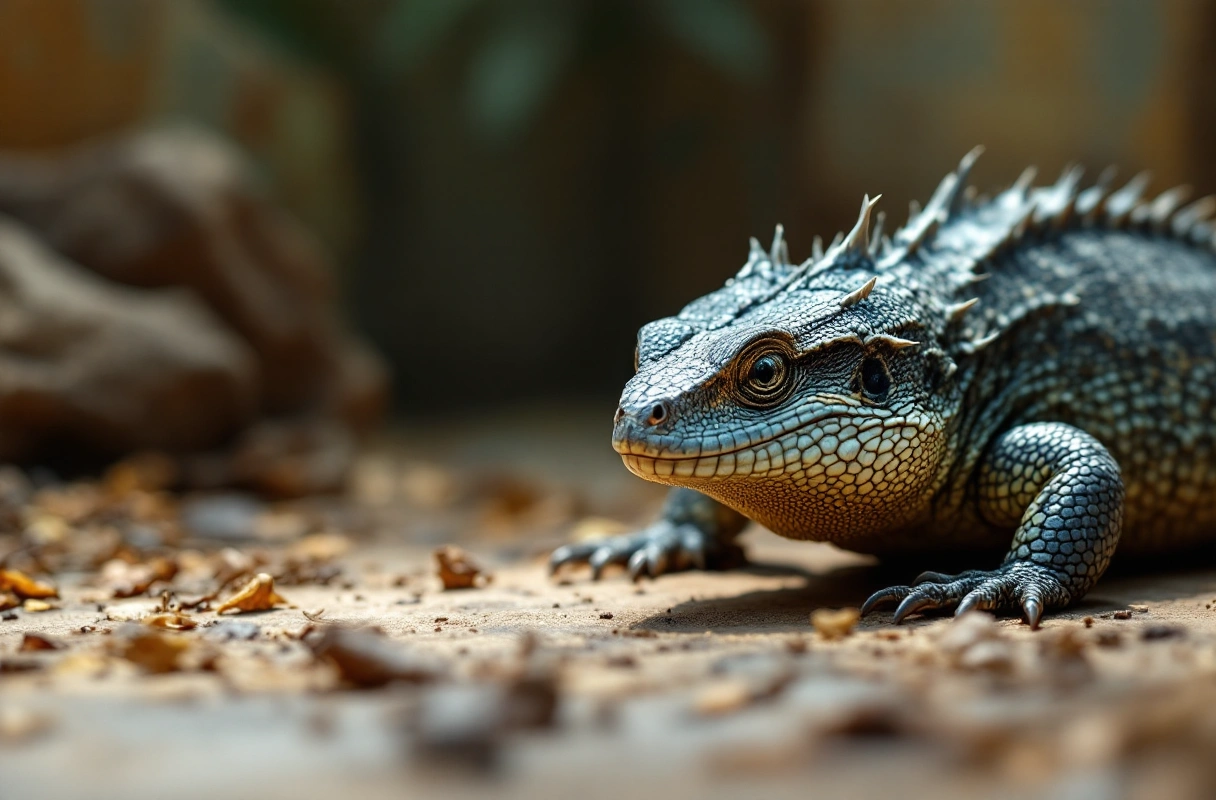
Even experienced reptile keepers can make mistakes that jeopardize the well-being of their pets. Recognizing these common pitfalls can help you create a more suitable habitat.
Many new reptile owners underestimate how much space their pets need. Overcrowding can lead to stress, aggression, and health problems. Always research the space requirements for your specific species and provide adequate room for movement.
Reptiles require seasonal changes to thrive, similar to their natural habitats. Failing to adjust temperature and humidity levels can lead to health issues. Regularly monitor and adjust your habitat to ensure it mimics seasonal variations.
Reptiles can exhibit signs of stress through behavior changes, such as decreased appetite or excessive hiding. Pay attention to these signs and make necessary adjustments to their habitat, such as improving hiding spots or adjusting temperature gradients.
For those looking to take their reptile care to the next level, consider implementing these advanced strategies.
Bioactive setups incorporate live plants and microorganisms that create a self-sustaining ecosystem. This setup can help maintain humidity levels and provide enrichment for your reptiles. Research suitable plant species that are safe for your reptiles and can thrive in the enclosure conditions.
Investing in automated systems can simplify habitat maintenance. Consider using thermostats, humidistats, and automatic misting systems to regulate temperature and humidity levels. These tools can help maintain a consistent environment, reducing the need for frequent manual adjustments.
A clean habitat is essential for the health of your reptiles. Establish a routine for cleaning the enclosure, including changing substrate, cleaning water dishes, and removing uneaten food. Regular maintenance not only helps prevent disease but also ensures a more pleasant environment for your reptiles.
Creating an ideal habitat for your reptiles yields several benefits that enhance their quality of life and your experience as an owner.
A well-designed habitat significantly contributes to the overall health of your reptiles. By meeting their environmental needs, you can prevent various health issues such as respiratory problems, shedding difficulties, and metabolic bone disease.
When reptiles are provided with a suitable habitat, they are more likely to exhibit natural behaviors, such as basking, climbing, and foraging. This enrichment not only keeps them mentally stimulated but also contributes to their physical well-being.
Caring for reptiles can be an educational experience for all ages. It offers insights into animal behavior, biology, and environmental science. Engaging with your reptiles can foster a greater appreciation for wildlife and conservation efforts.
Creating the ideal habitat for your reptiles is a rewarding journey that requires knowledge, patience, and dedication. As you embark on this adventure, remember that every species has unique needs, and ongoing education will enhance your ability to provide the best care possible.
Banana Slug Club is dedicated to promoting responsible reptile care and education. By joining our community, you can access a wealth of resources, expert advice, and support from fellow reptile enthusiasts. We encourage you to explore our offerings to enhance your understanding and care for your reptiles.
For more tips and resources on creating the ideal habitat for your reptiles, visit Banana Slug Club. Our team is here to help you every step of the way, ensuring that you and your reptiles thrive together. Reach out to us for any questions or further information about reptile care.
By investing the time and effort into understanding your reptiles and their habitat needs, you can create a comfortable and enriching environment that allows them to flourish in your care. Contact Banana Slug Club today to learn more about how we can assist you in your reptile journey.
Get free resources, early access to new features and updates.
No spam. Just fun educational emails!


.svg)
.svg)