Creating an ideal habitat for reptiles at home can be both a rewarding and challenging endeavor. Reptiles, as a diverse group of animals, require specific environmental conditions to thrive. Whether you are a seasoned reptile keeper or a beginner, understanding the nuances of habitat design is crucial for the health and well-being of these fascinating creatures. This article will guide you through the essential steps in building safe and stimulating reptile habitats, while also highlighting some of the common reptiles kept as pets, and discussing the conservation status of endangered reptile species.
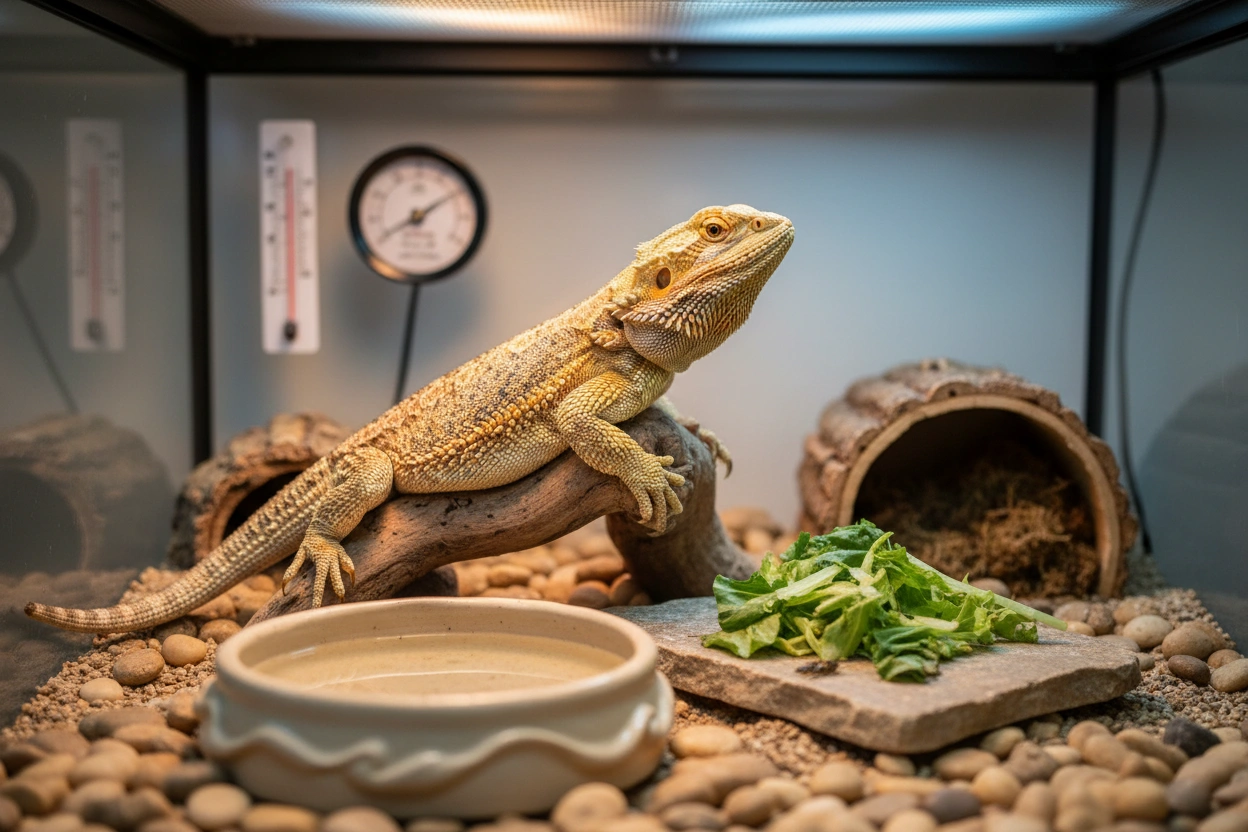
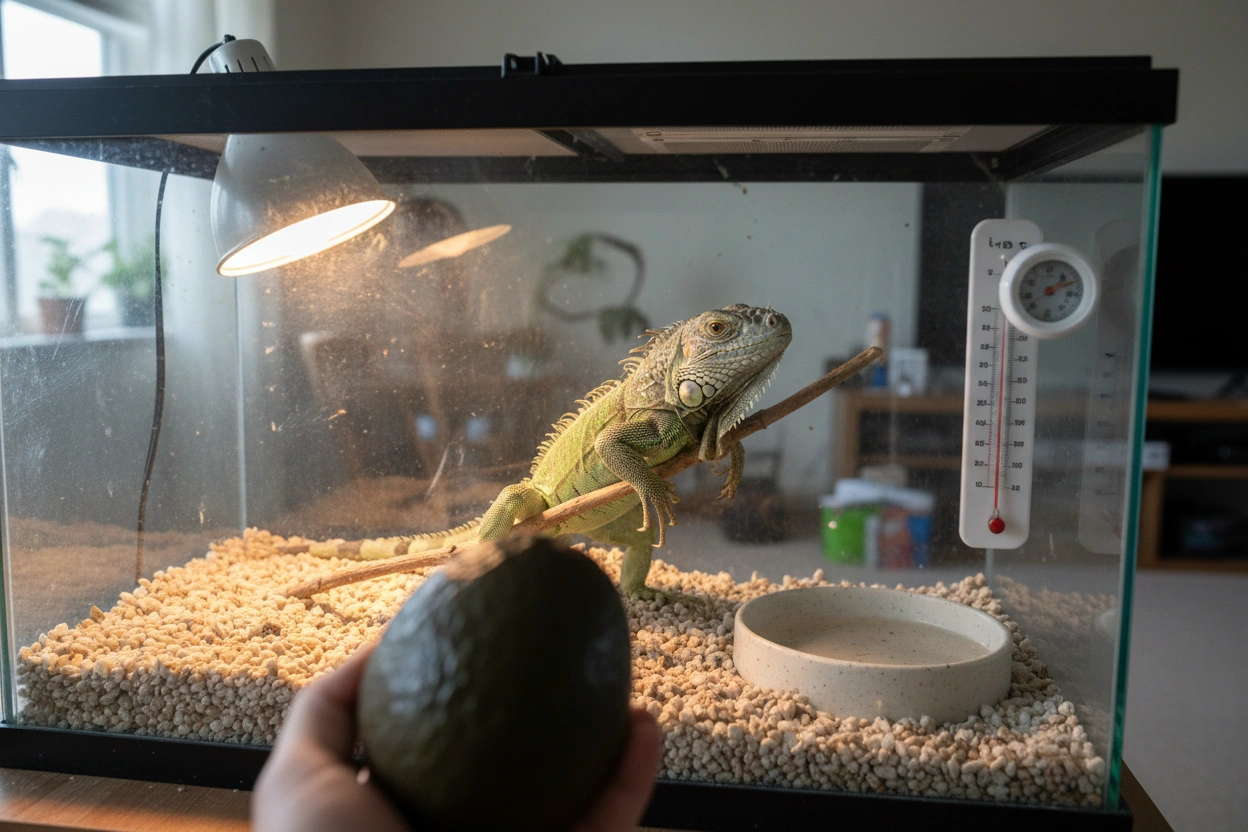
Reptiles are ectothermic animals, meaning they rely on external sources of heat to regulate their body temperature. This characteristic necessitates a carefully crafted environment that mimics their natural habitats. Providing the right temperature gradient, humidity levels, and shelter options is critical to their survival.
To create a successful habitat, focus on these essential environmental factors:
Temperature Control: Different species have varying temperature preferences. Research the specific needs of your chosen reptile and provide a heat source, such as heat lamps or under-tank heaters, to maintain the appropriate temperature gradient.
Humidity Levels: Many reptiles require a certain level of humidity to thrive. Use hygrometers to monitor humidity and mist the enclosure as needed or use substrate that retains moisture to help maintain proper levels.
Lighting: UVB lighting is crucial for many reptiles, as it aids in calcium metabolism and overall health. Ensure your habitat includes appropriate lighting that mimics natural sunlight.
The substrate you choose can significantly affect the health of your reptile. Common substrates include:
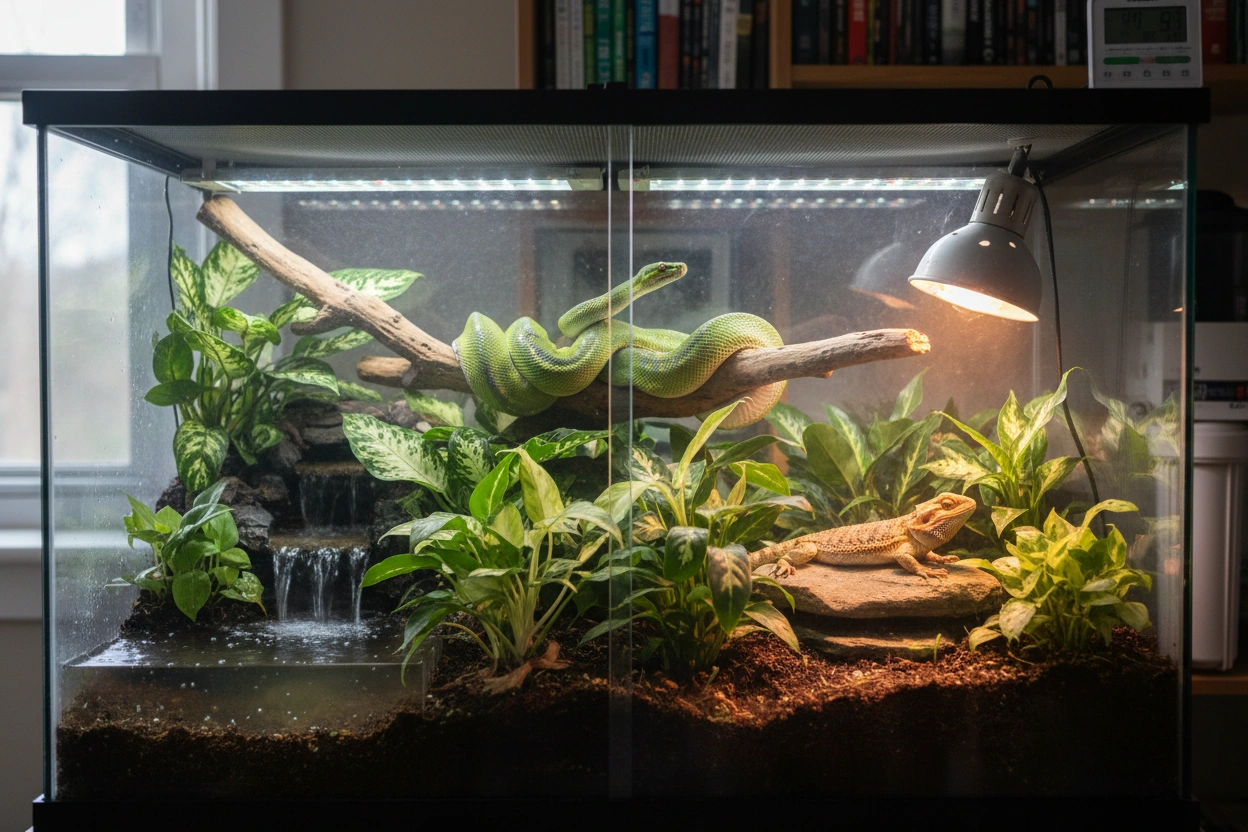
Beyond basic needs, reptiles benefit from enrichment in their habitats. This can include hiding spots, climbing structures, and even water features, all of which contribute to a healthy, engaging environment.
Hiding spots are essential for reptiles, as they provide security and reduce stress. Consider the following options:
For arboreal species, providing climbing opportunities is crucial. Consider these elements:
When designing a reptile habitat, it's easy to make mistakes that can jeopardize the health of your pets. Here are some common pitfalls to avoid:
Overcrowding: Ensure that the habitat is spacious enough for your reptile to move freely. Overcrowding can lead to stress and health issues.
Neglecting Temperature and Humidity: Regularly check and maintain the appropriate temperature and humidity levels. Fluctuations can harm your reptile's health.
Using Unsafe Materials: Avoid using materials that can be harmful, such as treated wood or toxic plants. Always research the safety of any materials used in the habitat.
As we explore the importance of reptile habitats, it is also essential to recognize the plight of endangered reptile species. Conservation efforts are vital to ensure that these remarkable creatures do not vanish from our planet. Here are ten notable endangered reptile species:
Hawksbill Sea Turtle (Eretmochelys imbricata): Critically endangered due to habitat loss and poaching for their beautiful shells.
Green Sea Turtle (Chelonia mydas): Facing threats from habitat degradation and illegal hunting, this species is also classified as endangered.
Gharial (Gavialis gangeticus): This unique crocodilian is endangered primarily due to habitat loss and declining prey populations.
Psychedelic Rock Gecko (Cnemaspis psychedelica): Endangered due to habitat destruction and the pet trade, this stunning reptile is found only in Vietnam.
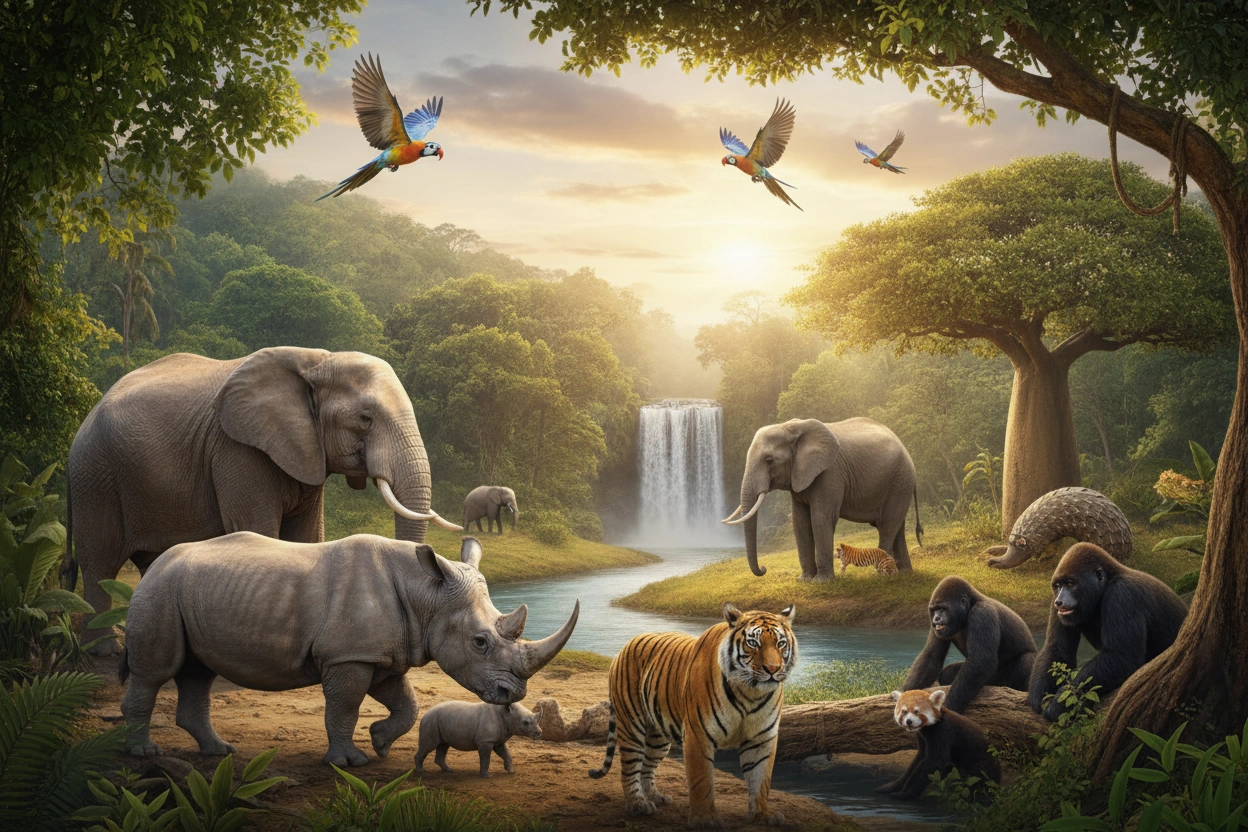
Bornean Pygmy Elephant (Elephas maximus borneensis): While not a reptile, this species is often mentioned in conservation discussions as its habitat overlaps with endangered reptiles.
Egyptian Tortoise (Testudo kleinmanni): This critically endangered tortoise is threatened by habitat loss and illegal capture for the pet trade.
Bolson Tortoise (Gopherus flavomarginatus): Found in Mexico, this tortoise faces threats from habitat destruction and predation.
Sunda Pangolin (Manis javanica): While technically a mammal, the illegal wildlife trade impacts many reptiles as well, including their habitats.
Greater Antillean Land Snail (Orthalicus reses): This snail is at risk due to habitat loss, impacting the reptiles that depend on it.
Philippine Crocodile (Crocodylus mindorensis): Critically endangered due to habitat loss and hunting, this crocodile is a focal point for conservation efforts.
Conservation organizations are actively working to protect these endangered species through various initiatives, such as habitat restoration, legislation, and public awareness campaigns. Supporting these efforts can have a significant impact on the survival of these reptiles and the ecosystems they inhabit.
Engaging with other reptile enthusiasts can provide valuable support and knowledge as you embark on your journey of creating reptile habitats. Online forums, local clubs, and social media groups can connect you with like-minded individuals.
Shared Knowledge: Access to a wealth of information from experienced keepers can help you avoid common pitfalls.
Networking Opportunities: Building relationships with other reptile enthusiasts can lead to opportunities for collaboration and resource sharing.
Conservation Awareness: Many reptile communities actively participate in conservation efforts, allowing you to contribute to important causes.
Creating a safe and stimulating habitat for reptiles is not only beneficial for your pets but also contributes to broader conservation efforts. By educating yourself and others about the needs of reptiles, you can play a part in preserving these incredible creatures for future generations.
Banana Slug Club is dedicated to promoting the well-being of reptiles through education and community engagement. By fostering a love for reptiles and their habitats, we can all contribute to their conservation.
If you are looking to learn more about reptile care or engage with fellow enthusiasts, we invite you to reach out. Visit Banana Slug Club for resources, support, and a community passionate about reptiles.
Get free resources, early access to new features and updates.
No spam. Just fun educational emails!


.svg)
.svg)