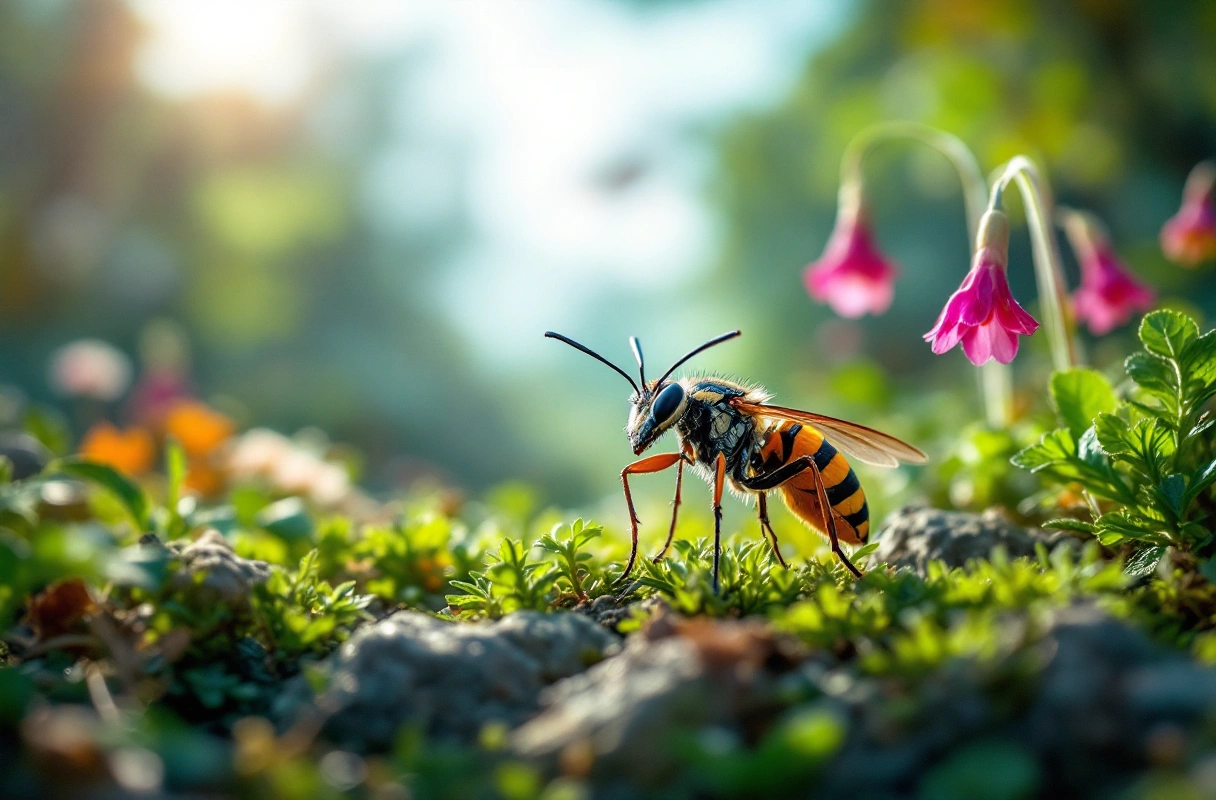
Insects are often overlooked in discussions about biodiversity, particularly in urban environments. However, they play an essential role in maintaining ecological balance and supporting diverse ecosystems. As urban areas expand, understanding the significance of insects becomes increasingly crucial for promoting biodiversity and enhancing the quality of life for city residents. This article delves into how insects contribute to biodiversity in urban landscapes, providing insights into insect species identification and highlighting ten fascinating insect species that thrive in these environments.
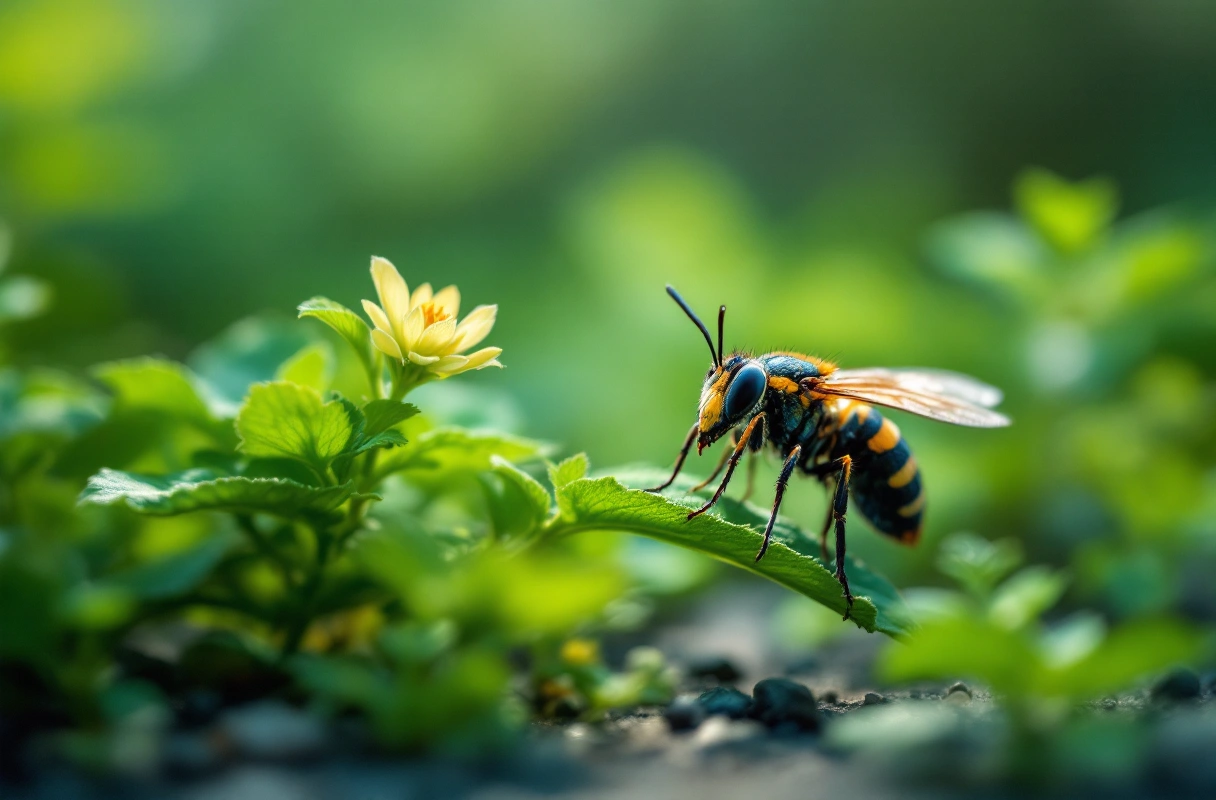
Insects serve several vital functions in urban ecosystems. They act as pollinators, decomposers, and a food source for various wildlife. By understanding these roles, city planners, gardeners, and residents can foster environments that encourage insect populations, ultimately enhancing biodiversity.
One of the most critical roles of insects in urban landscapes is pollination. Many flowering plants, including fruits, vegetables, and ornamental species, depend on insects for reproduction. Without these pollinators, urban gardens and green spaces would suffer, leading to reduced plant diversity and food production.
Insects are also crucial for decomposition processes in urban ecosystems. By breaking down organic matter, they recycle nutrients back into the soil, promoting plant growth and soil health.
Insects are a primary food source for many urban wildlife species, including birds, small mammals, and reptiles. The presence of a diverse insect population supports a wider range of wildlife, enhancing urban biodiversity.
Despite their importance, insect populations in urban areas face numerous challenges. Urbanization, pesticide use, and habitat loss significantly impact their survival and biodiversity.
The expansion of cities often leads to habitat fragmentation, which can isolate insect populations and reduce genetic diversity. Urban sprawl typically replaces natural habitats with concrete structures, leaving little room for insects to thrive.
The use of pesticides in urban landscaping poses a significant threat to insect populations. Many common pesticides are harmful to beneficial insect species, leading to declines in their numbers.
Climate change also affects urban insect populations by altering their habitats and life cycles. Changes in temperature and precipitation patterns can disrupt insect behavior, migration, and reproduction.
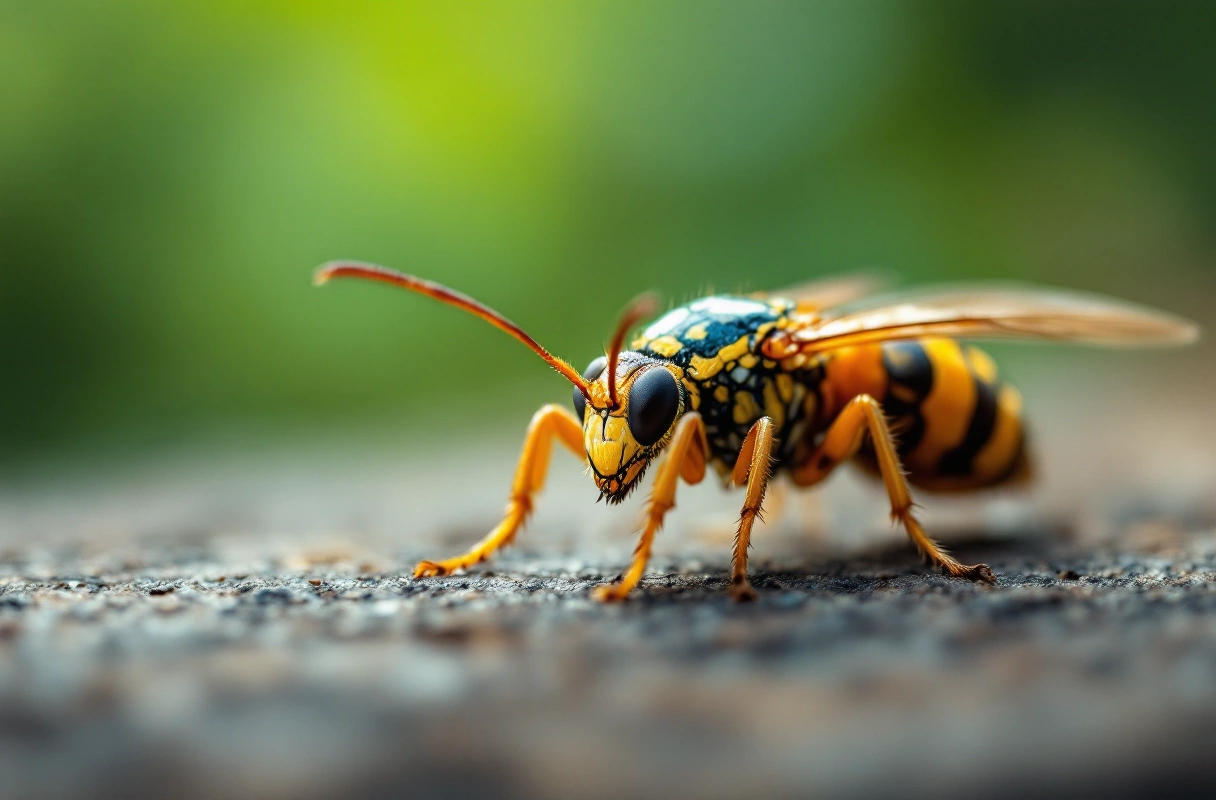
Urban environments are home to a diverse array of insect species. Here are ten fascinating insects that contribute to urban biodiversity:
Honey Bee (Apis mellifera)
Known for their crucial role in pollination, honey bees thrive in urban gardens and parks. Their decline has sparked initiatives to create bee-friendly spaces in cities.
Monarch Butterfly (Danaus plexippus)
Monarchs are famous for their migratory patterns and reliance on milkweed plants for breeding. Urban gardens that include native milkweed can help support their populations.
Ladybug (Coccinellidae family)
Ladybugs are natural pest controllers, feeding on aphids and other harmful insects. Their presence in gardens indicates a healthy ecosystem.
Dragonfly (Odonata order)
Dragonflies are indicators of clean water and healthy ecosystems. Urban wetlands provide ideal habitats for these fascinating predators.
Ant (Formicidae family)
Ants play vital roles in soil aeration and decomposition. Their complex social structures and behaviors make them intriguing subjects of study in urban settings.
Firefly (Lampyridae family)
Fireflies are not only beautiful but also serve as indicators of environmental health. Urban areas that maintain natural green spaces can support firefly populations.
Butterfly (Various species)
Butterflies, such as the Eastern Tiger Swallowtail and Red Admiral, add color and beauty to urban landscapes. Planting native flowers can attract these insects.
Carpenter Bee (Xylocopa genus)
Carpenter bees are essential pollinators for many plants. Their nesting behavior in wood can sometimes lead to conflicts, but they are vital for urban biodiversity.
Green Lacewing (Chrysopidae family)
Lacewings are important for controlling pest populations in gardens. Their larvae, known as "aphid lions," are particularly effective at managing aphid infestations.
Cicada (Cicadidae family)
Cicadas are known for their distinctive calls and life cycles. Their emergence can signal the health of local ecosystems, and they serve as food for various wildlife.
Enhancing urban biodiversity through insect conservation requires intentional actions from individuals, communities, and city planners. Here are practical strategies to promote healthy insect populations in urban landscapes:
Developing pollinator-friendly gardens can significantly boost local insect populations. To create effective gardens:
Green infrastructure, such as green roofs and rain gardens, can create habitats for insects in urban settings. Consider the following:
Raising awareness about the importance of insects can lead to more sustainable urban practices. To promote education:
Community engagement is essential for promoting biodiversity. Here are ways to get your community involved:
Recognizing and understanding insect species is crucial for promoting biodiversity in urban environments. Effective insect species identification can inform conservation efforts and help residents appreciate the diversity around them.
Several tools and resources can assist in insect species identification:
Insects are integral to maintaining biodiversity in urban landscapes. Their roles as pollinators, decomposers, and food sources for other wildlife highlight their importance in ecological health. By promoting awareness and implementing sustainable practices, urban residents can contribute to the conservation of these vital creatures.
Banana Slug Club is committed to fostering an understanding of biodiversity and promoting sustainable practices in urban environments. Our initiatives encourage communities to recognize the importance of insects in supporting vibrant ecosystems.
By engaging with local communities, Banana Slug Club aims to enhance biodiversity awareness and provide resources for effective insect conservation. Whether through educational programs or community events, we strive to create spaces that celebrate the essential role of insects in urban landscapes.
Understanding how insects contribute to biodiversity is crucial for fostering healthier urban environments. By embracing sustainable practices and supporting local initiatives, you can play a role in enhancing urban ecosystems.
For more information on how you can contribute to urban biodiversity, visit Banana Slug Club. Join us in our mission to support insects and promote a thriving urban ecosystem.
Get free resources, early access to new features and updates.
No spam. Just fun educational emails!


.svg)
.svg)