How Climate Change Is Impacting Birds of Prey in Africa
Climate change is one of the most pressing issues facing our planet, and its effects are being felt across various ecosystems. In Africa, the impact on wildlife is profound, particularly concerning birds of prey. These majestic raptors, which include species such as eagles, hawks, and vultures, are not only vital to their ecosystems but also serve as indicators of environmental health. Understanding how climate change is affecting these birds is crucial for conservation efforts and for anyone interested in birdwatching tours across the continent.
In this article, we will explore the behaviors of birds of prey, the specific challenges they face due to climate change, and the implications for birdwatching enthusiasts. By providing actionable insights and expert knowledge, this piece aims to educate readers on the importance of these raptors and the conservation efforts necessary to protect them.
Understanding the Behavior of Raptors: A Detailed Overview
Birds of prey exhibit a range of fascinating behaviors that are essential for their survival. These behaviors are influenced by various factors, including their physical adaptations, hunting strategies, and social structures.
Hunting Strategies of Raptors
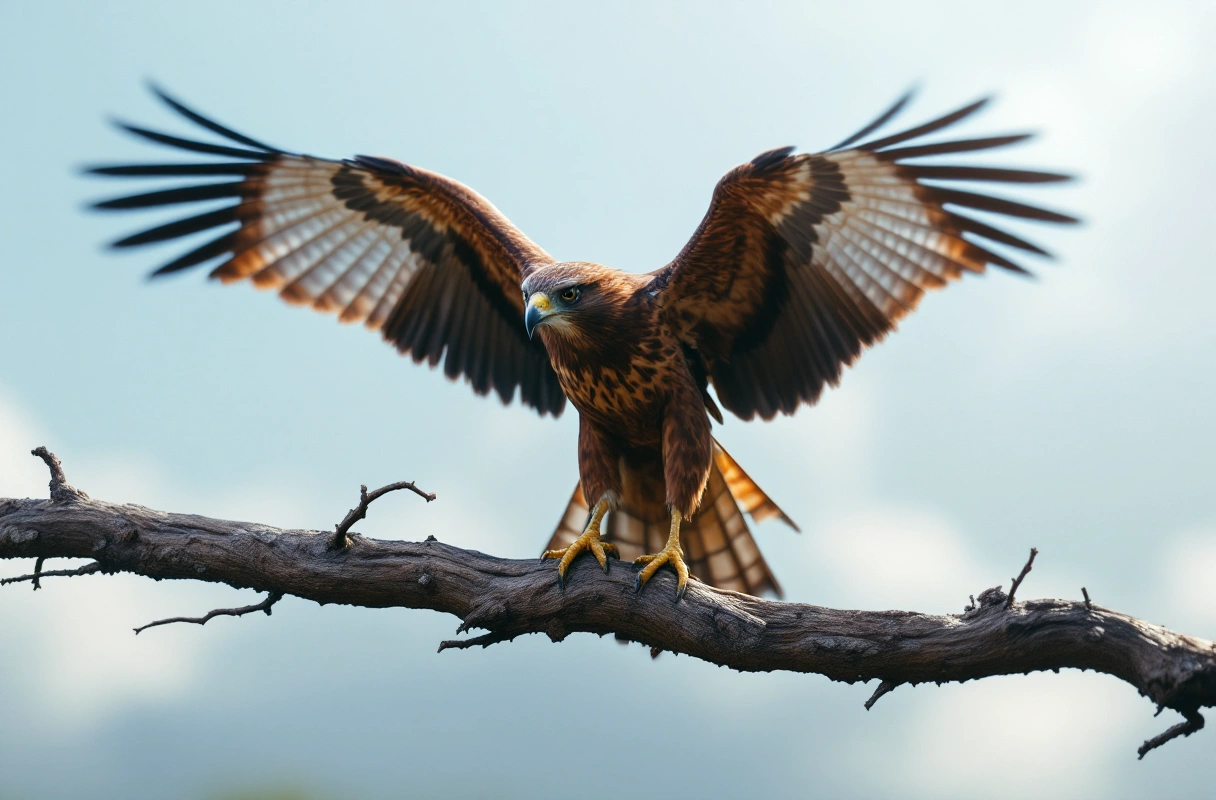
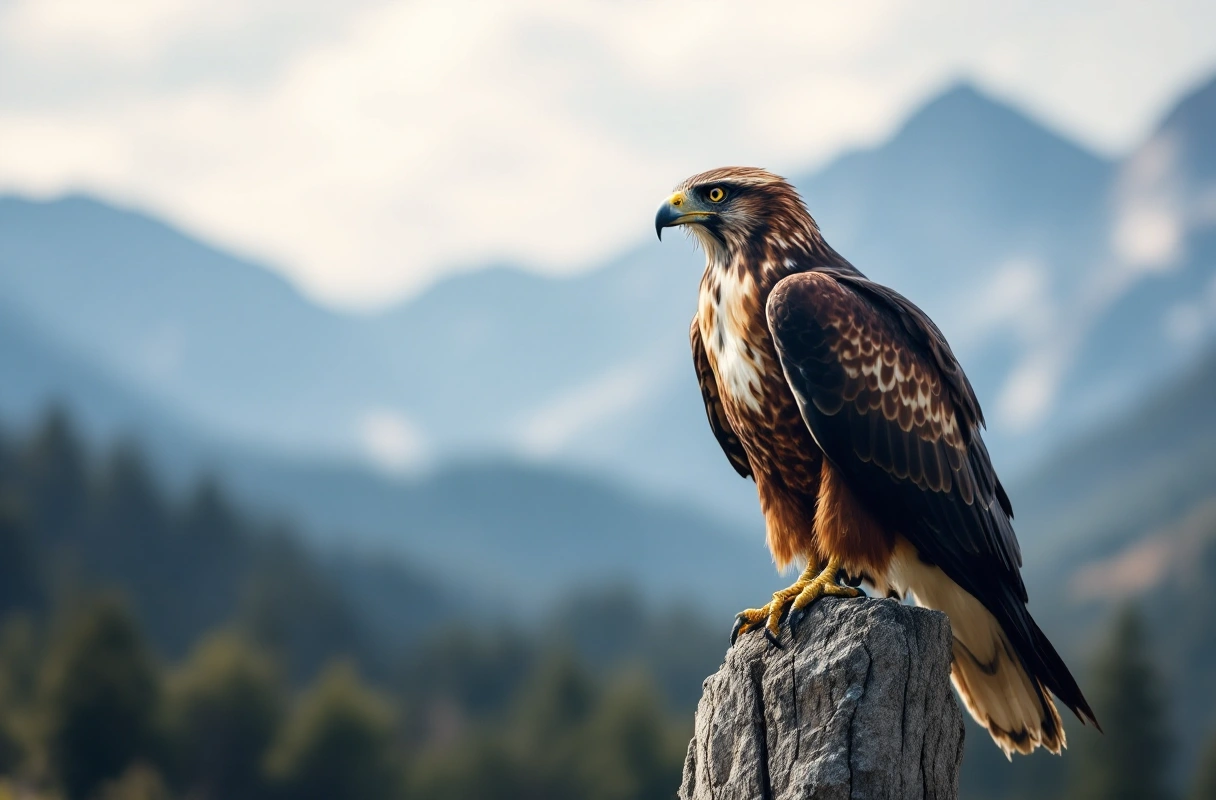
Birds of prey are equipped with keen eyesight, powerful talons, and sharp beaks, all of which aid them in their role as apex predators. Their hunting strategies vary widely among species:
- Soaring and Gliding: Many raptors, such as the African Fish Eagle, utilize thermal updrafts to soar high above the ground. This allows them to scan large areas for prey without expending much energy.
- Ambush Hunting: Some species, like the African Harrier-Hawk, prefer to hide and wait for unsuspecting prey to come within striking distance. This method requires stealth and patience.
- Active Pursuit: Birds such as the Peregrine Falcon engage in high-speed chases, diving at incredible speeds to catch their prey mid-flight.
These diverse hunting strategies reflect the adaptability of raptors to different environments and prey types, making them a significant component of the ecological balance.
Social Structures and Nesting Habits
Raptors also display a variety of social structures and nesting habits. Some species are solitary, while others, like the White-backed Vulture, may nest in colonies.
- Nesting Sites: Raptors typically build their nests in high, inaccessible locations to protect their young from predators. Trees, cliffs, and tall buildings are common nesting sites.
- Parental Care: Most raptors exhibit strong parental care, with both parents often involved in feeding and protecting the chicks until they are capable of independent survival.
Understanding these behaviors is essential for birdwatching enthusiasts, as they provide insight into the best times and locations to observe these magnificent birds in their natural habitats.
The Impact of Climate Change on Birds of Prey
Climate change is reshaping ecosystems across the globe, and its effects on birds of prey in Africa are particularly concerning. The following sections will detail the specific challenges these raptors face in the current climate crisis.
Habitat Loss and Fragmentation
One of the most significant impacts of climate change is habitat loss. As temperatures rise and weather patterns shift, the natural habitats that birds of prey rely on are being altered or destroyed.
- Shrinking Territories: Many raptors are losing their traditional hunting grounds due to agricultural expansion and urban development. For instance, the habitat of the Martial Eagle has been significantly reduced as grasslands are converted into farmland.
- Fragmentation: Fragmented habitats can isolate populations, making it difficult for raptors to find mates and disperse. This isolation can lead to inbreeding and reduced genetic diversity, ultimately threatening the survival of species.
Changes in Prey Availability
Climate change is also affecting the availability of prey species, which can have dire consequences for raptors.
- Shifts in Prey Populations: As temperatures rise, many prey species are moving to higher altitudes or latitudes in search of suitable climates. This shift can create mismatches between predators and their food sources. For example, if small mammals migrate to cooler areas, raptors that rely on them may struggle to find food.
- Declining Prey Health: Changes in the ecosystem can also affect the health of prey species. For instance, droughts can lead to reduced populations of small mammals, which in turn affects raptors that depend on them for sustenance.
Increased Competition and Predation
As habitats change, birds of prey may face increased competition from other raptors or animals that are moving into their territories.
- Invasive Species: Climate change can facilitate the spread of invasive species, which may outcompete native raptors for food and nesting sites. This can further threaten the survival of indigenous birds of prey.
- Predation Pressure: Changes in the ecosystem can also lead to new predation pressures. For example, as smaller prey become scarce, raptors may turn to alternative food sources, which could include other birds or even smaller raptors.
The Role of Birdwatching Tours in Conservation
Birdwatching tours are not only a popular activity for enthusiasts but also play a critical role in conservation efforts for birds of prey in Africa.
Promoting Awareness and Education
Birdwatching tours offer unique opportunities for education and awareness regarding the plight of raptors.
- Guided Tours: Experienced guides can provide valuable insights into the behaviors and habitats of various raptor species. These tours can foster a deeper appreciation for wildlife and the challenges they face due to climate change.
- Community Engagement: Many birdwatching tours involve local communities, which can help promote conservation initiatives and sustainable practices. By engaging locals, these tours can create a sense of ownership and responsibility for protecting raptor populations.
Funding Conservation Efforts
The revenue generated from birdwatching tours can be channeled into conservation projects aimed at protecting birds of prey and their habitats.
- Habitat Restoration: Funds can be used for habitat restoration initiatives, which may include reforestation projects or the establishment of protected areas where raptors can thrive.
- Research and Monitoring: Proceeds from tours can also support research efforts to monitor raptor populations and understand the impacts of climate change on their behavior and survival.
Encouraging Sustainable Practices
Birdwatching tours can promote sustainable practices that benefit both wildlife and local communities.
- Responsible Tourism: By advocating for responsible tourism practices, tour operators can minimize their ecological footprint and ensure that the natural habitats of birds of prey remain intact.
- Conservation Partnerships: Collaborations between tour operators and conservation organizations can lead to innovative approaches to preserving raptor populations and their ecosystems.
Common Misconceptions About Birds of Prey and Climate Change
As with many aspects of wildlife conservation, there are several misconceptions about birds of prey and their relationship with climate change. Addressing these misconceptions is essential for fostering informed discussions and effective conservation strategies.
Misconception: All Raptors Are Adaptable
While many birds of prey are indeed adaptable, not all species can cope with the rapid changes brought about by climate change.
- Specialized Diets: Some raptors have specialized diets that make them particularly vulnerable to shifts in prey availability. For example, the Bearded Vulture primarily feeds on bone and may struggle if their food source diminishes.
- Limited Range: Certain species have limited geographical ranges and may not be able to migrate to more suitable habitats as climate change alters their environments.
Misconception: Climate Change Is a Distant Threat
Many people perceive climate change as a long-term issue that will not affect them immediately. However, the impacts on birds of prey are already being felt.
- Observable Changes: Birdwatchers and conservationists have documented changes in raptor behavior, migration patterns, and nesting success rates due to climate change. These changes serve as clear indicators that the threat is both real and urgent.
- Immediate Action Required: To effectively protect birds of prey, immediate action is necessary. This includes habitat conservation, public awareness campaigns, and robust policy changes to mitigate climate change.
The Importance of Conservation Efforts
The conservation of birds of prey is not just about protecting individual species; it is also about maintaining the balance of entire ecosystems.
Ecosystem Health
Birds of prey are apex predators, and their presence is a sign of a healthy ecosystem.
- Regulating Prey Populations: By keeping prey populations in check, raptors help maintain ecological balance. An abundance of prey can lead to overgrazing and degradation of habitats, which in turn affects other wildlife.
- Biodiversity Indicators: The health of raptor populations can indicate the overall health of an ecosystem. A decline in raptors may signal underlying issues that could affect other species, including humans.
Community Involvement
Community involvement in conservation efforts is crucial for the long-term success of initiatives aimed at protecting birds of prey.
- Education Programs: Local education programs can empower communities to take an active role in conservation. By understanding the importance of raptors, communities are more likely to engage in protective measures.
- Sustainable Livelihoods: Conservation initiatives can create sustainable livelihoods for local populations, reducing dependence on practices that harm raptors and their habitats.
Engaging with Birds of Prey: A Call to Action
As we have explored, the impact of climate change on birds of prey in Africa is significant and multifaceted. By understanding their behaviors, the challenges they face, and the importance of conservation efforts, individuals can contribute to protecting these magnificent creatures. Birdwatching tours offer a unique opportunity to engage with raptors and support conservation initiatives.
The Role of Banana Slug Club in Conservation
At Banana Slug Club, we are committed to raising awareness and fostering conservation efforts for birds of prey and their habitats. Through educational programs, community engagement, and sustainable practices, we aim to make a positive impact on the future of these raptors.
By participating in birdwatching tours and supporting conservation initiatives, you can play a vital role in protecting birds of prey. To learn more about how you can get involved and support conservation efforts, visit Banana Slug Club. Together, we can ensure that future generations have the opportunity to witness the beauty and majesty of these incredible birds.


.svg)
.svg)