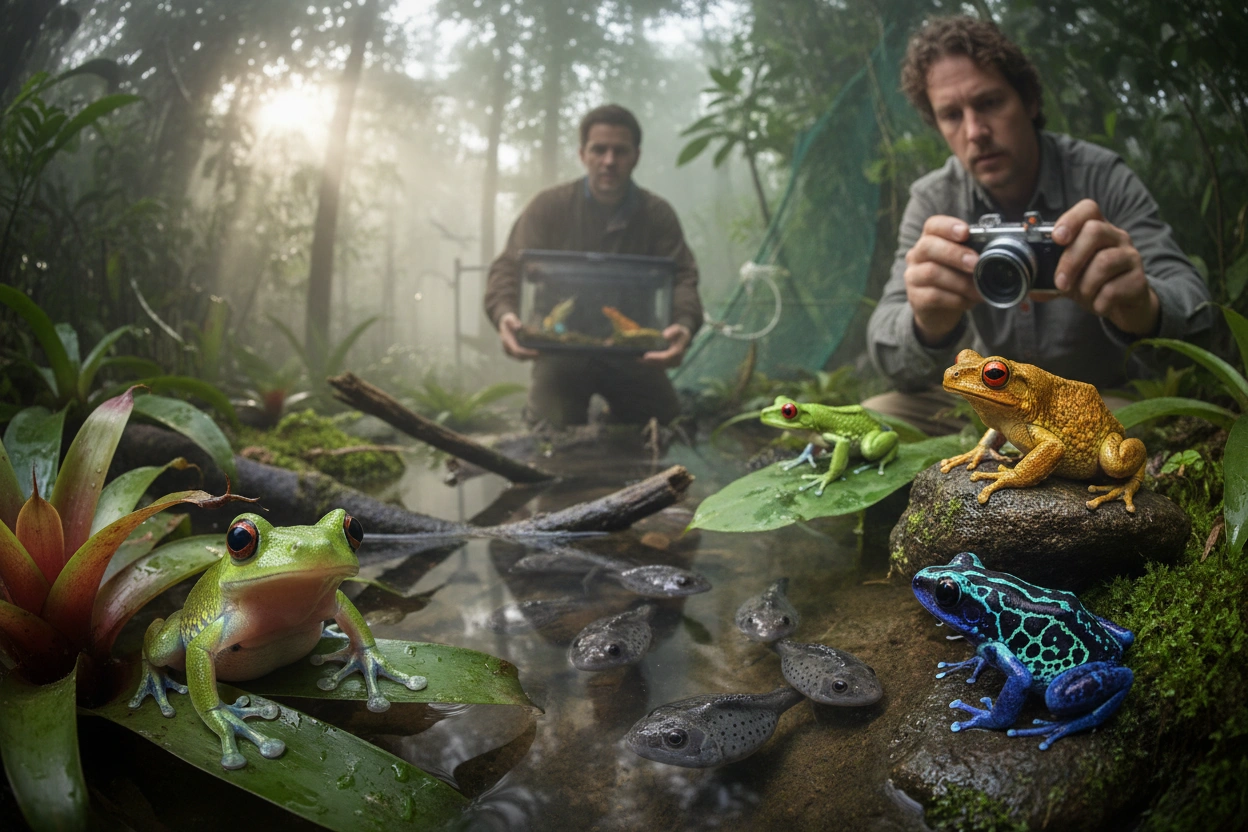
Amphibians are a fascinating class of animals that play a crucial role in our ecosystems. They are characterized by their ability to live both on land and in water, showcasing a unique adaptation that allows them to thrive in a variety of habitats. In this article, we will delve into how amphibians adapt to diverse environments around the globe, explore various amphibian species, and understand the characteristics that define these remarkable creatures. Learn all about Amphibians
The adaptability of amphibians is not just a testament to their evolutionary success but also highlights their vulnerability. As environments change due to climate change, habitat destruction, and pollution, understanding their adaptations becomes essential for conservation efforts. This comprehensive guide aims to provide insights into amphibian diversity, focusing on their habitats, behaviors, and the implications for conservation.
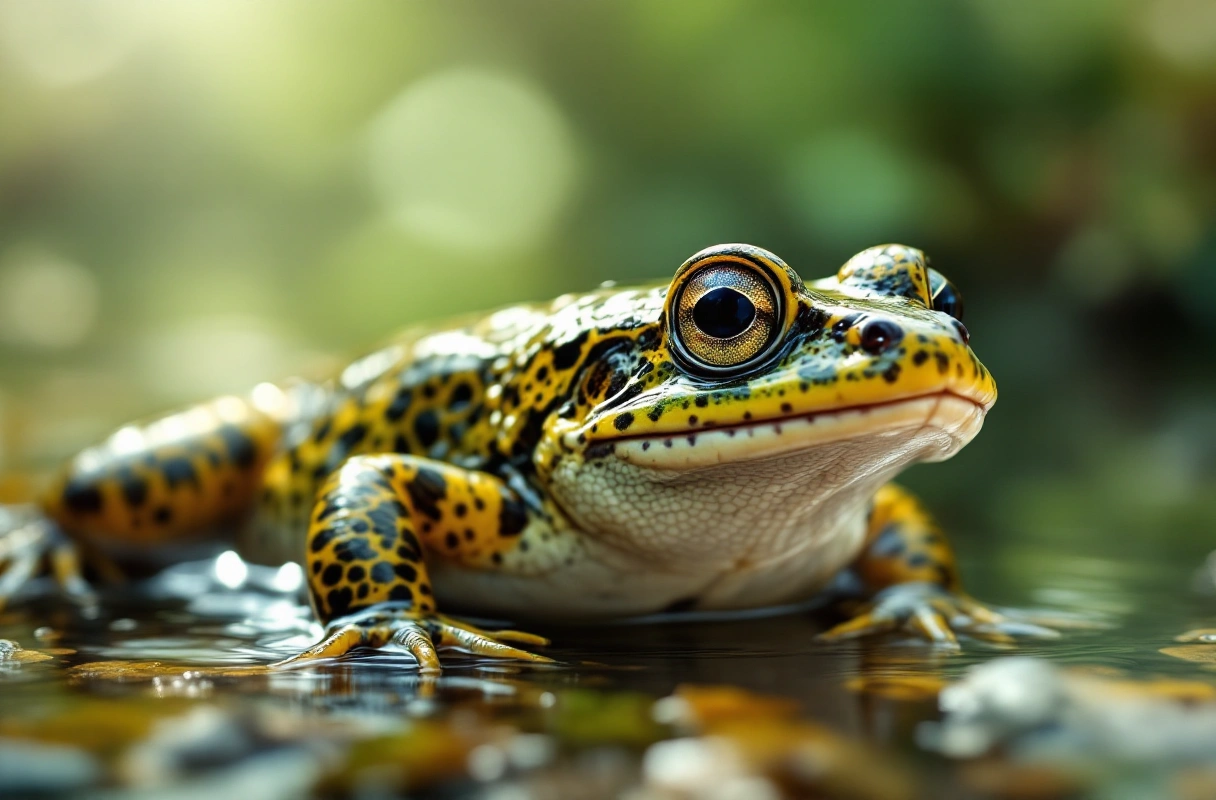
Amphibians have evolved a range of adaptations that enable them to survive in various habitats, from rainforests to deserts. These adaptations can be categorized into physiological, behavioral, and reproductive strategies.
Physiological adaptations are changes in the internal processes of amphibians that help them cope with their environment. Here are some key examples:
Skin Permeability: Amphibians possess permeable skin that allows for gas exchange and moisture absorption. This feature is critical for their survival in moist environments. However, it also makes them susceptible to pollutants and dehydration.
Respiration: Many amphibians can breathe through their skin, a process known as cutaneous respiration. This allows them to absorb oxygen directly from their aquatic environment, which is especially beneficial for species that spend a significant amount of time in water.
Temperature Regulation: Amphibians are ectothermic, meaning they rely on external temperatures to regulate their body heat. This trait is advantageous in fluctuating environments, as they can adapt their behaviors, such as basking in the sun or seeking shade, to maintain optimal body temperature.
Behavioral adaptations involve the actions that amphibians take to enhance their survival. Some notable behaviors include:
Habitat Selection: Amphibians often choose specific habitats that provide the necessary conditions for their survival, such as moisture levels, temperature, and food availability. For instance, many tree frogs are arboreal, living in trees to avoid ground predators and to stay hydrated.
Nocturnal Activity: Many amphibian species are nocturnal, which helps them avoid daytime heat and reduce water loss. This behavior allows them to forage for food and engage in mating rituals during cooler, more humid conditions.
Social Behavior: Certain amphibians exhibit social behaviors, such as forming groups during breeding seasons. This increases the chances of successful mating and provides protection against predators.
Reproductive strategies in amphibians vary widely and are often adapted to specific environmental conditions:
Egg Laying: Amphibians typically lay eggs in water to ensure the developing embryos have access to moisture. However, some species have adapted to lay eggs on land or in moist microhabitats to prevent desiccation.
Parental Care: Some amphibian species exhibit forms of parental care, such as guarding eggs or transporting tadpoles to safer environments. This increases the likelihood of offspring survival in challenging habitats.
Metamorphosis: The life cycle of amphibians includes a metamorphosis stage, where larvae (tadpoles) undergo significant changes to become adults. This adaptation allows them to exploit different resources at various life stages, enhancing their survival chances.

Amphibians encompass a wide variety of species, each uniquely adapted to their environments. Understanding these species provides insight into their ecological roles and conservation needs.
Here are some prominent amphibian species and their unique adaptations:
American Bullfrog (Lithobates catesbeianus)
Red-Eyed Tree Frog (Agalychnis callidryas)
Axolotl (Ambystoma mexicanum)
Common Frog (Rana temporaria)
Eastern Tiger Salamander (Ambystoma tigrinum)
In addition to well-known species, many lesser-known amphibians exhibit remarkable adaptations:
Darwin's Frog (Rhinoderma darwinii): Native to Chile and Argentina, this species shows unique parental care where males incubate the eggs in their vocal sacs.
Surinam Toad (Pipa pipa): Known for its unusual reproductive strategy, where eggs are embedded in the female's back, this species thrives in the slow-moving waters of the Amazon.
Glass Frog (Centrolenidae family): These frogs are known for their translucent skin, allowing observers to see their internal organs. This adaptation helps with camouflage in the leaf litter of tropical forests.

Amphibians play vital roles in their ecosystems, contributing to biodiversity and environmental health. Their presence is often an indicator of ecosystem stability, and their decline can signal broader environmental issues.
Pest Control: Many amphibians are insectivorous, helping control pest populations in their habitats. For example, frogs consume significant numbers of mosquitoes and agricultural pests.
Food Source: Amphibians are an essential part of the food web, serving as prey for various predators, including birds, mammals, and reptiles.
Nutrient Cycling: Through their feeding and waste processes, amphibians contribute to nutrient cycling in ecosystems, enhancing soil quality and plant growth.
Despite their importance, amphibians face numerous threats, leading to population declines worldwide:
Habitat Loss: Urbanization, agriculture, and deforestation have led to the destruction of critical habitats for many amphibian species.
Climate Change: Altered temperature and precipitation patterns can disrupt breeding cycles and food availability, affecting amphibian populations.
Pollution: Contaminants in water bodies can be detrimental to amphibians, given their permeable skin and reliance on aquatic environments.
Invasive Species: Non-native species can outcompete native amphibians for resources, leading to declines in native populations.
There are several misconceptions about amphibians that can hinder conservation efforts and public understanding:
While some amphibians, like poison dart frogs, have developed toxins for defense, the majority are not harmful. Understanding the diversity in amphibian defenses is crucial for appreciating their ecological roles.
Amphibians play critical roles in nutrient cycling and pest control, making them essential for maintaining healthy ecosystems. Their decline can have cascading effects on biodiversity.
Though many amphibians thrive in moist habitats, some species have adapted to arid environments and can survive with limited water access. This adaptability showcases their resilience and evolutionary success.
Salamanders are a diverse group within the amphibian class, exhibiting various adaptations that allow them to inhabit different environments. Understanding the types of salamanders can enhance our appreciation for their ecological roles. types of salamanders
Tiger Salamander (Ambystoma tigrinum)
Eastern Red-Backed Salamander (Plethodon cinereus)
California Tiger Salamander (Ambystoma californiense)
Salamander Species of the Genus Plethodon
Salamanders are particularly vulnerable to environmental changes due to their sensitivity to pollution and habitat destruction. Conservation efforts focus on habitat protection, pollution control, and public education about their ecological importance.
Understanding how amphibians adapt to diverse habitats is essential for effective conservation efforts. As the world continues to change, preserving these remarkable creatures is crucial for maintaining biodiversity and ecosystem health.
Amphibians serve as bioindicators, reflecting the health of their environments. By focusing on their conservation, we can help safeguard entire ecosystems. Organizations like Banana Slug Club work tirelessly to promote awareness and conservation of amphibians and their habitats.
By learning about the adaptations and ecological roles of amphibians, you can contribute to their preservation. Engaging in local conservation efforts, supporting habitat protection initiatives, and spreading awareness can make a significant difference. For more information on how you can help, please visit Banana Slug Club and explore the resources available for amphibian conservation and education.
Get free resources, early access to new features and updates.
No spam. Just fun educational emails!


.svg)
.svg)