Amphibians are a diverse class of animals that play critical roles in ecosystems worldwide. Among the most recognizable members of this group are frogs and toads, which, despite their similarities, exhibit distinct characteristics and behaviors. Understanding these differences not only enriches our appreciation of biodiversity but also highlights the importance of conservation efforts aimed at protecting these remarkable creatures. In this article, we will delve into the unique traits of frogs and toads, explore their habitats, and discuss the top amphibian conservation efforts that you can support.
Frogs and toads belong to the same order, Anura, but they are classified into different families. The distinctions between these two amphibians can often be subtle yet significant, impacting their habitats, behaviors, and adaptations. Here, we explore the primary differences that set frogs apart from toads.
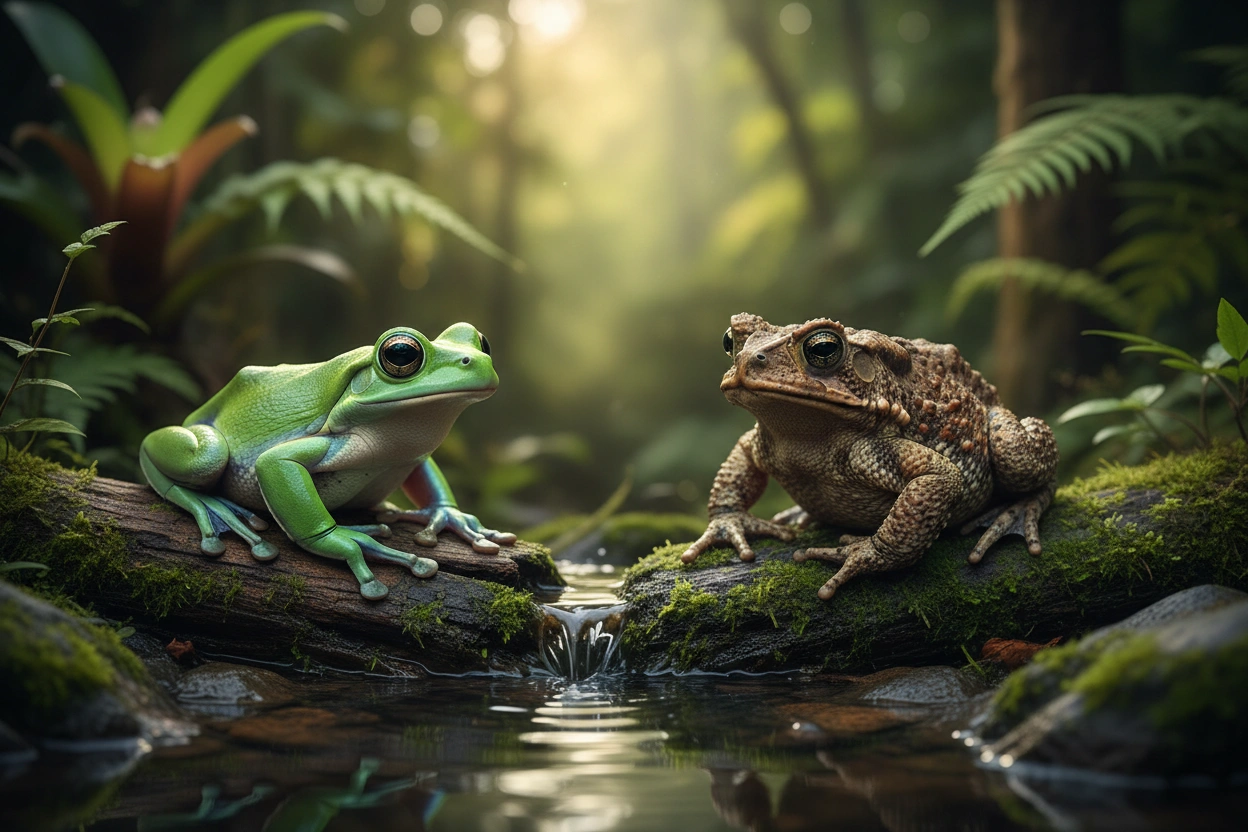
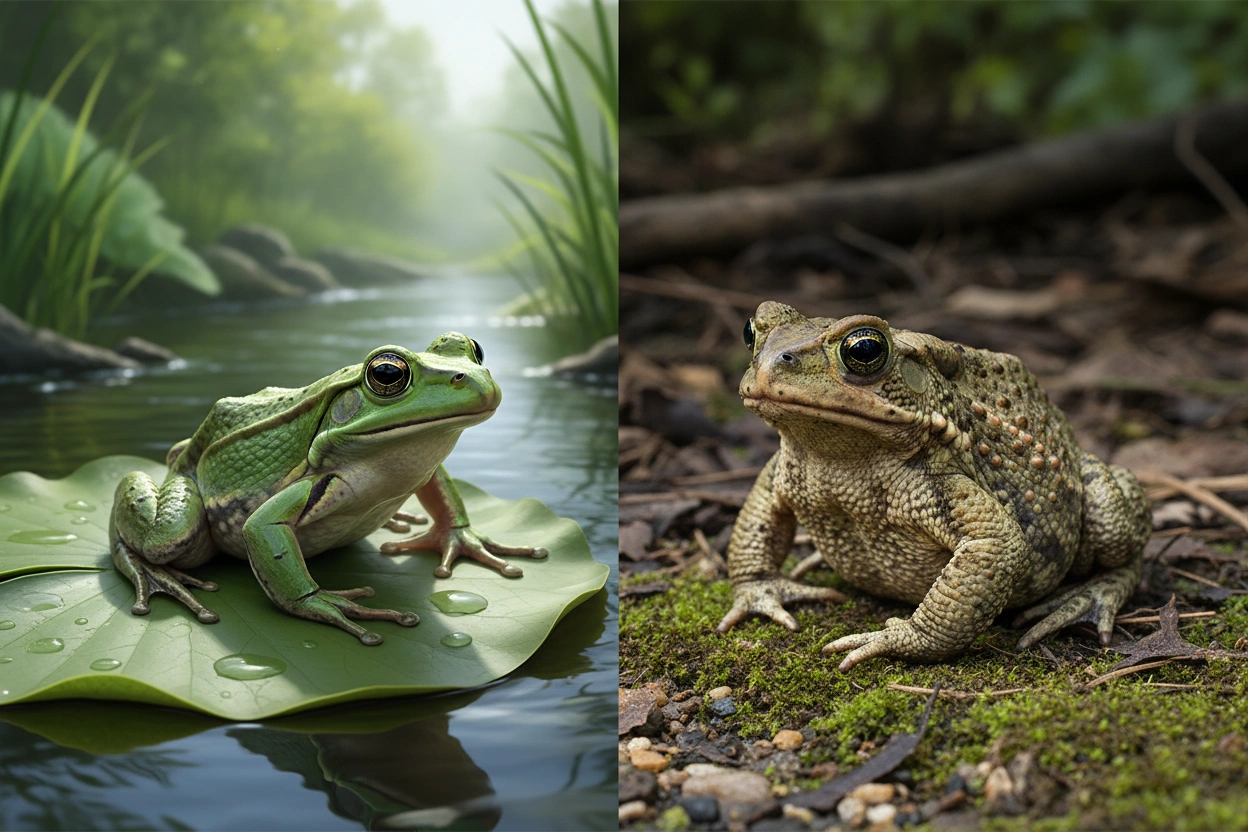
Frogs and toads have evolved distinct physical traits that serve various purposes. Frogs typically possess smooth, moist skin that facilitates respiration and hydration. This skin texture allows frogs to absorb water and oxygen directly through their bodies. In contrast, toads generally have dry, warty skin that helps minimize water loss, making them more suited for arid environments. This adaptation is crucial for survival, especially in regions where water sources may be scarce.
Another notable difference lies in their body structure. Frogs tend to have long, powerful hind legs adapted for jumping and swimming, while toads have shorter, stockier legs, which are more suited for walking or short hops. Additionally, frogs often have a more streamlined body shape, enabling them to navigate aquatic environments effectively, whereas toads have a bulkier form that helps them blend into terrestrial habitats.
Behaviorally, frogs and toads exhibit unique patterns that reflect their adaptations to different environments. Frogs are generally more aquatic, often found near ponds, lakes, or wetlands. They are also more vocal, with males calling to attract females during the breeding season. These calls can vary widely among species, serving as a critical aspect of their reproductive behavior.
Toads, on the other hand, are more terrestrial and tend to be less vocal than frogs. They often prefer drier environments and are known for their burrowing behavior. Toads can be seen actively foraging at night, while frogs may be more active during the day, particularly in warmer climates. Understanding these behavioral differences can enhance our appreciation of their ecological roles and the challenges they face in their habitats.
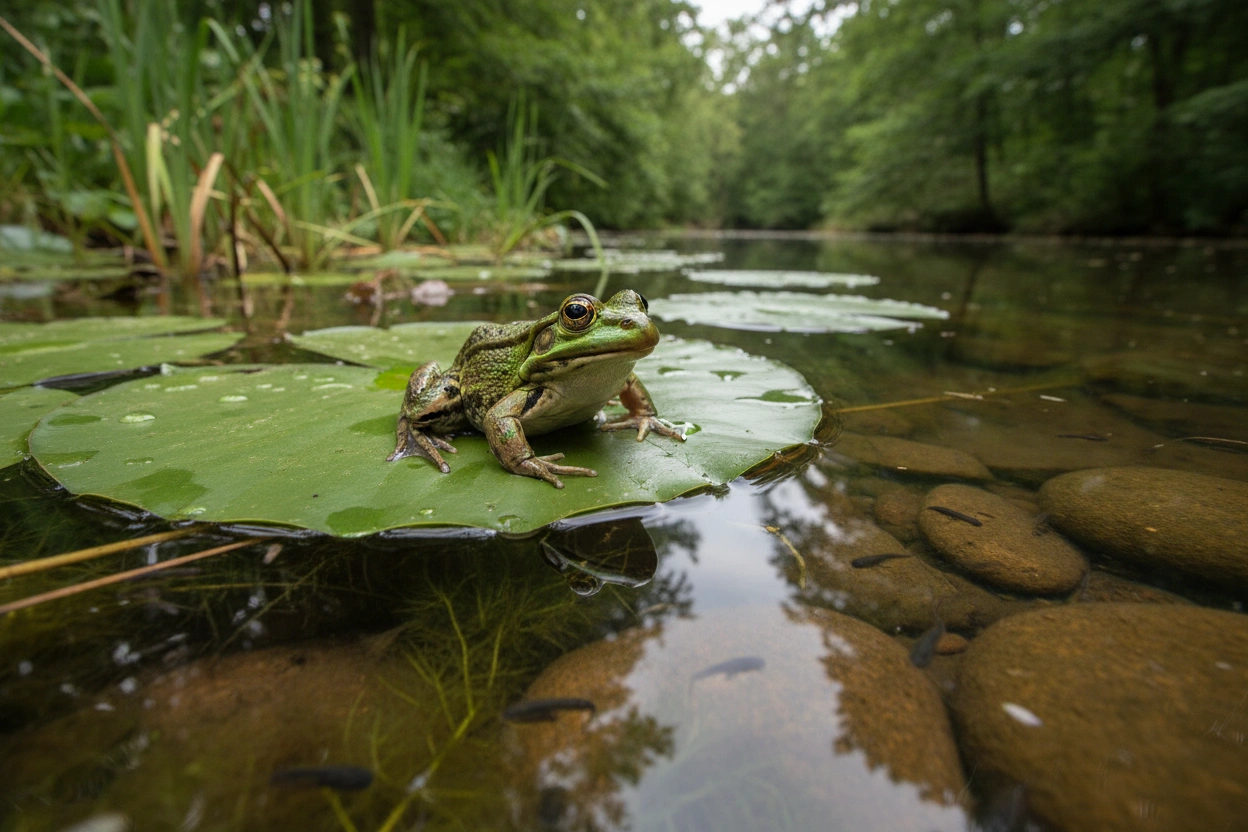
Frogs thrive in a variety of habitats, each supporting their unique life cycles and ecological functions. Their dependence on water for breeding and development makes understanding their habitats crucial for conservation efforts.
Frogs are predominantly associated with aquatic environments, which are essential for their reproduction. These environments include:
The health of these aquatic ecosystems directly impacts frog populations. Pollution, habitat destruction, and climate change pose significant threats to these environments, making conservation efforts more critical than ever.
While frogs are often associated with water, many species also inhabit terrestrial environments, particularly during certain life stages. These habitats include:
Understanding the variety of habitats frogs occupy can help in creating targeted conservation strategies that address specific environmental needs.

Amphibians are among the most threatened groups of animals globally, with many species facing extinction due to habitat loss, climate change, pollution, and disease. Conservation efforts are vital to ensuring their survival and the health of ecosystems they inhabit. Here are some key conservation efforts that you can support.
By actively participating in these conservation efforts, individuals and communities can play a significant role in preserving amphibian populations and their habitats.
While frogs and toads share many similarities, several misconceptions can lead to misunderstandings about their biology and ecology. Addressing these misconceptions is vital for fostering a better understanding of these amphibians.
One of the most common misconceptions is that frogs and toads are the same. While both belong to the Anura order, they have distinct differences in skin texture, body shape, and habitat preferences. Recognizing these differences is essential for proper identification and understanding their ecological roles.
Another widespread belief is that all toads are poisonous. While some toad species possess toxins that can be harmful, many are not poisonous to humans. It is crucial to understand the specific species and their defensive mechanisms to avoid unnecessary fear or harm.
Many people may assume that amphibians are abundant and not at risk. However, the reality is that amphibians are among the most threatened groups of animals, with a significant number facing extinction. Educating oneself about the current state of amphibian populations is vital for supporting effective conservation efforts.
Understanding the characteristics and conservation needs of amphibians, particularly frogs and toads, is essential for fostering a more sustainable future. Organizations like Banana Slug Club are dedicated to raising awareness and supporting initiatives that protect these vital species.
The Banana Slug Club focuses on educational outreach, habitat restoration, and community engagement to promote amphibian conservation. By participating in their programs, individuals can contribute to meaningful conservation efforts and learn more about the unique traits of these fascinating creatures.
If you are passionate about amphibians and want to make a difference, consider getting involved with Banana Slug Club. Whether through volunteering, donating, or participating in educational programs, your efforts can help ensure that frogs and toads continue to thrive in their natural habitats.
To learn more about how you can support amphibian conservation, visit Banana Slug Club. Together, we can make a significant impact on the future of amphibians and the ecosystems they inhabit.
Get free resources, early access to new features and updates.
No spam. Just fun educational emails!


.svg)
.svg)