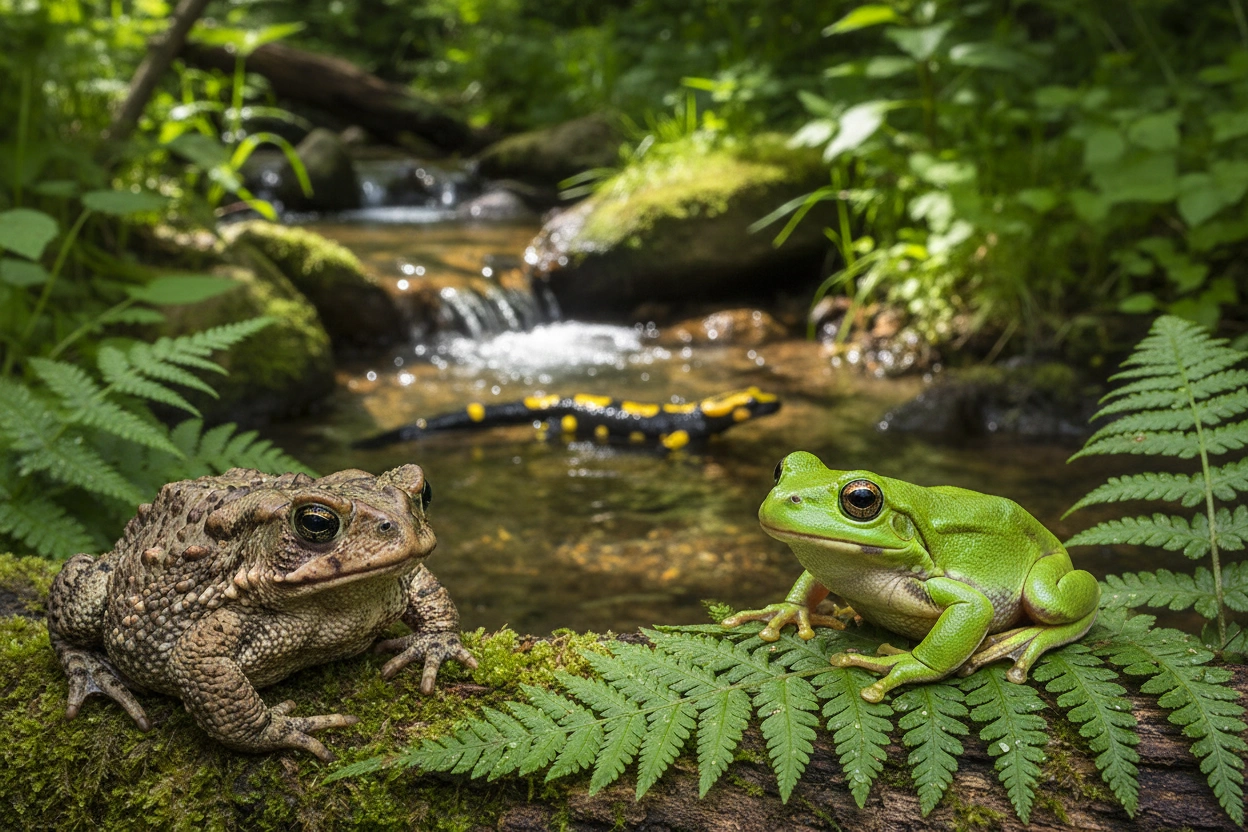
Amphibians play a crucial role in our ecosystems, acting as indicators of environmental health and contributing to the balance of many food webs. However, many people struggle to distinguish between different amphibian species such as frogs, toads, and salamanders. This article aims to simplify the identification process, provide insights into their habitats, and explore the unique characteristics of each group. By the end, readers will have a comprehensive understanding of these fascinating creatures and how to recognize them in the wild.
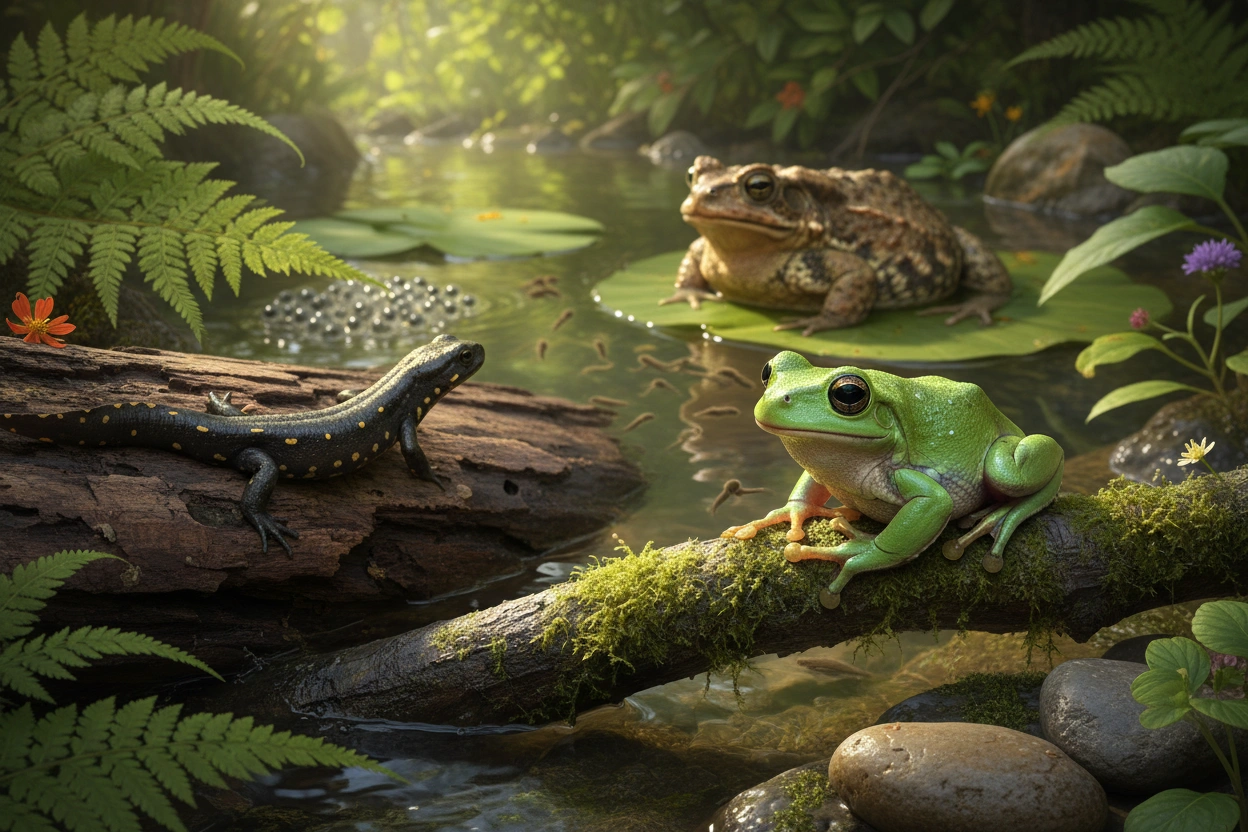
Amphibians are a diverse class of animals that typically have a life cycle that includes both aquatic and terrestrial stages. This group includes frogs, toads, salamanders, and newts, each exhibiting distinct traits. One of the most significant features of amphibians is their permeable skin, which allows for gas exchange and moisture absorption. This characteristic makes them particularly sensitive to environmental changes, which is why they are often considered bioindicators.
There are several common misconceptions regarding amphibians that can lead to confusion. Many people believe that all amphibians are frogs, while in reality, this group encompasses various species with distinct characteristics. Additionally, some may assume that amphibians are only found in wet environments; however, many species have adapted to drier habitats.
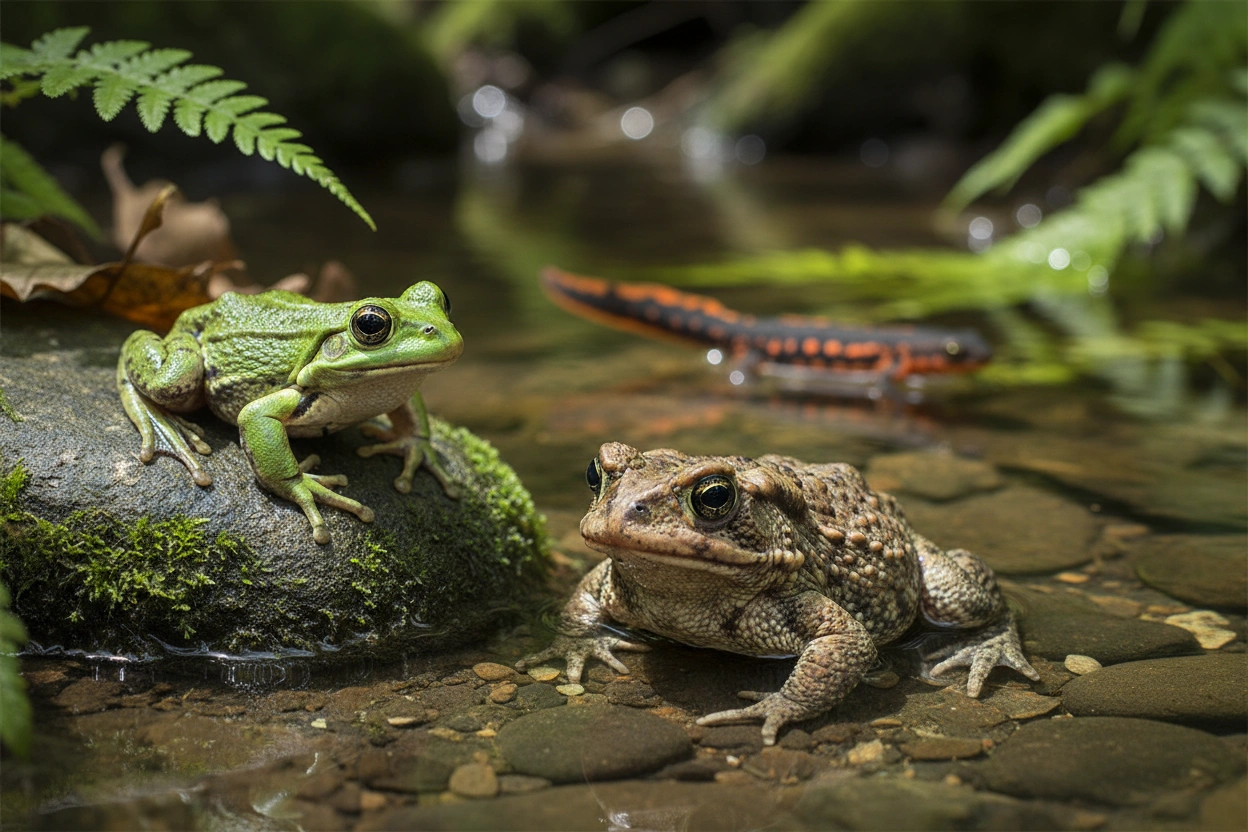
Identifying amphibians can be simplified by focusing on a few key characteristics unique to frogs, toads, and salamanders. Each group has its own set of defining traits that can help enthusiasts and researchers alike in the field.
Frogs are perhaps the most recognizable amphibians, known for their jumping abilities and vocalizations. They typically have smooth, moist skin and long, powerful hind legs adapted for jumping.
Toads, often confused with frogs, have distinct characteristics that set them apart. They tend to have drier, bumpier skin and a more robust body.
Salamanders are less commonly recognized than frogs and toads, yet they are equally fascinating. They have elongated bodies and are more closely related to reptiles than to either frogs or toads.
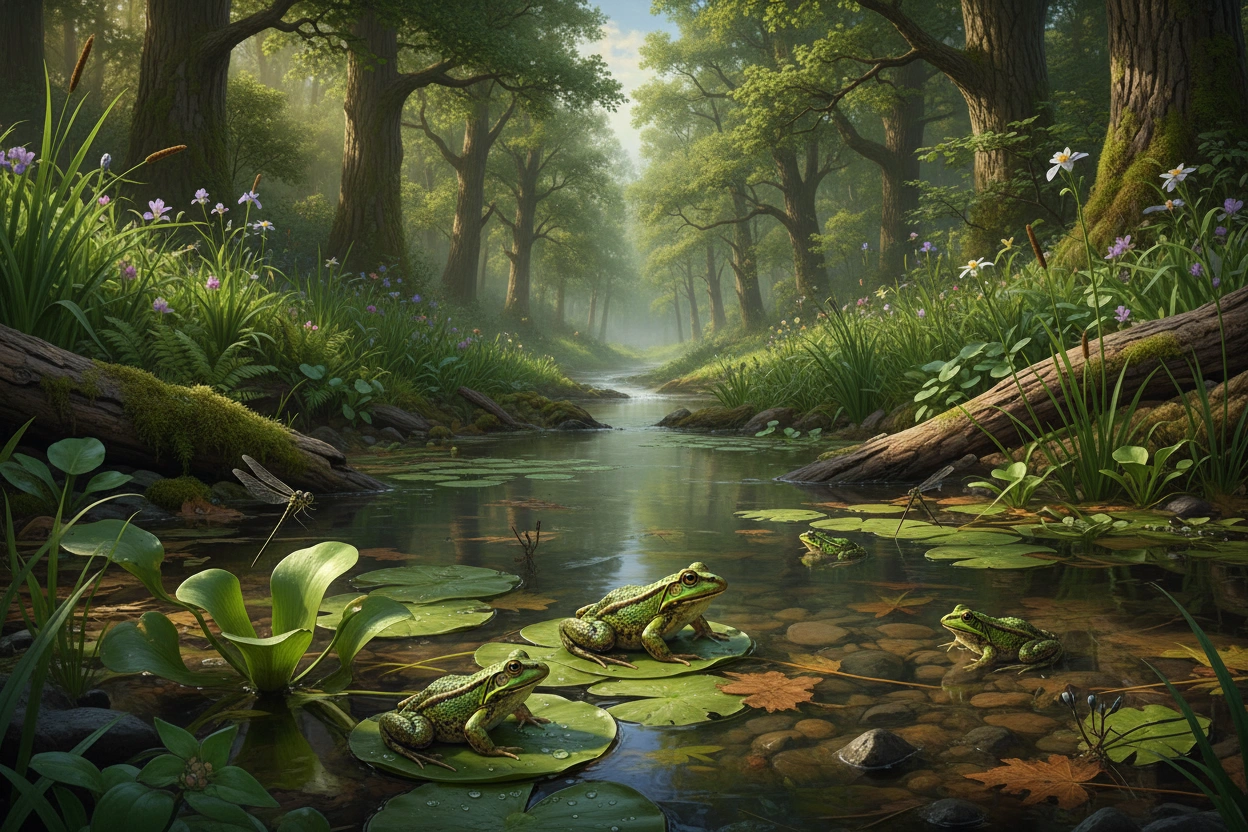
The habitats of amphibians are critical for their survival, as they provide necessary resources for feeding, breeding, and shelter. Understanding these habitats can help in the conservation and protection of these species.
Frogs thrive in a variety of environments that meet their needs. The following are some typical habitats where frogs can be found:
Toads are more versatile in their habitat preferences compared to frogs. They can be found in various environments, including:
Salamanders require specific conditions for their survival, primarily moist environments. Common habitats include:
While identifying amphibians may seem straightforward, several common mistakes can lead to confusion. Being aware of these pitfalls can enhance your identification skills.
One common mistake is assuming that all members of a species will look the same. Amphibians can exhibit significant color and size variations based on their environment, age, and genetic factors. For example, some frogs may have bright colors to warn predators, while others may be more muted to blend in with their surroundings.
Many people mistakenly use the terms "frog" and "toad" interchangeably. While both belong to the same order, Anura, they have distinct characteristics. Remember that toads typically have drier, bumpier skin and are often found farther from water sources than frogs.
Behavioral traits and vocalizations are essential for identification but are often overlooked. Many amphibians have unique calls that can help identify them. For instance, the call of a bullfrog is a deep, resonating sound, while a tree frog may produce a higher-pitched, rhythmic trill. unique calls that can help identify them.
As amphibians face numerous threats, including habitat loss, pollution, and climate change, engaging with these creatures is more important than ever. Education and conservation efforts can play a significant role in their survival.
The diverse world of amphibians, including frogs, toads, and salamanders, offers incredible opportunities for exploration and understanding. By learning to identify these species and recognizing their habitats, we can contribute to their conservation and ensure their survival for future generations.
As members of the Banana Slug Club, we are dedicated to fostering appreciation for amphibians and promoting their conservation. We provide resources and opportunities for individuals to engage with amphibians and contribute to their protection.
If you are interested in learning more about amphibians and how you can get involved, we encourage you to visit the Banana Slug Club. Together, we can make a difference in the lives of these remarkable creatures and ensure they thrive in our ecosystems.
Get free resources, early access to new features and updates.
No spam. Just fun educational emails!


.svg)
.svg)