Understanding the intricate ecosystems that support amphibians is crucial for their conservation and our ecological well-being. Amphibians, including frogs, toads, and salamanders, are essential indicators of environmental health. They play significant roles in pest control, serve as prey for various species, and contribute to nutrient cycling within their habitats. However, these creatures face numerous threats, including habitat loss, climate change, and pollution. In this article, we will explore the diverse habitats where amphibians thrive and delve into the top conservation efforts to support their survival.

Amphibians are unique creatures that require specific environmental conditions to thrive. Their habitats range from wetlands and forests to grasslands and urban areas, each providing critical resources such as food, shelter, and breeding grounds. The loss of these habitats has dire consequences for amphibian populations, leading to declines and even extinction.
Amphibians are found in a variety of ecosystems, each offering distinct characteristics that cater to their life cycles. The following are some of the primary habitats where these fascinating creatures flourish:
Wetlands are arguably the most vital habitats for amphibians. They provide ample moisture and a rich diversity of plant life, which is crucial for breeding and feeding. Frogs and toads typically lay their eggs in still or slow-moving water, making wetlands ideal environments for their reproductive cycles. Additionally, wetlands serve as critical buffers against flooding and help filter pollutants from water systems.
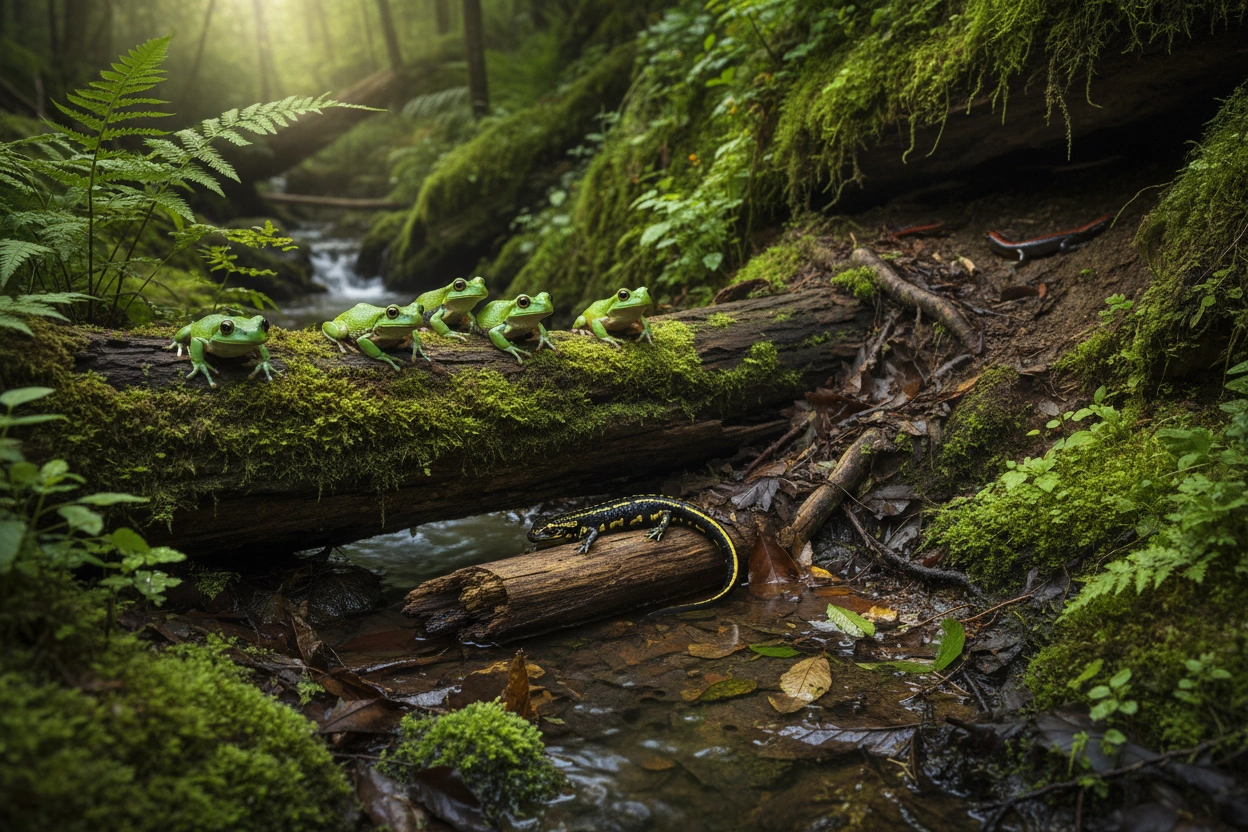
Forests, both tropical and temperate, are home to a variety of amphibian species. The dense canopy provides shade and moisture, creating a microclimate that supports amphibian life. Leaf litter and decaying plant matter offer food sources, while tree hollows and underbrush provide shelter. Many forest-dwelling amphibians rely on seasonal rain to breed in temporary ponds formed in clearings.
Although often overlooked, grasslands are essential habitats for certain amphibian species. These open areas provide a unique environment where amphibians can find food and shelter among grasses and shrubs. Some frogs have adapted to grassland environments, taking advantage of seasonal rains to breed in temporary pools that form after storms.
Increasingly, amphibians are adapting to urban environments. Parks, gardens, and green spaces can support amphibian populations if designed with their needs in mind. Urban wetlands and ponds can serve as breeding grounds, while vegetation provides necessary cover. However, urbanization also poses threats, such as pollution and habitat fragmentation.
Understanding amphibian habitats is crucial, yet many misconceptions persist that can hinder conservation efforts. Addressing these misconceptions can enhance awareness and promote better practices for protecting these essential ecosystems.
While amphibians are often associated with aquatic environments, many species spend a significant portion of their lives on land. Frogs and toads are known to migrate from water to terrestrial habitats after breeding, where they can find food and shelter. Understanding their land requirements is essential for effective conservation.
While many amphibians are indeed sensitive to pollution, some species exhibit greater resilience. Certain frogs and toads have adapted to survive in less-than-ideal conditions. However, this adaptability should not be taken for granted; pollution still poses severe risks to their populations.
With amphibian populations declining globally, numerous conservation efforts are underway to protect these vital species. Here are ten key initiatives that individuals and organizations can support:
Habitat Restoration Projects
Engaging in or supporting local habitat restoration projects can make a significant difference. This includes re-establishing wetlands and restoring forested areas to create suitable environments for amphibians.
Breeding Programs
Participating in captive breeding programs can help bolster declining amphibian populations. These programs often focus on endangered species and aim to reintroduce them into their natural habitats.
Citizen Science Initiatives
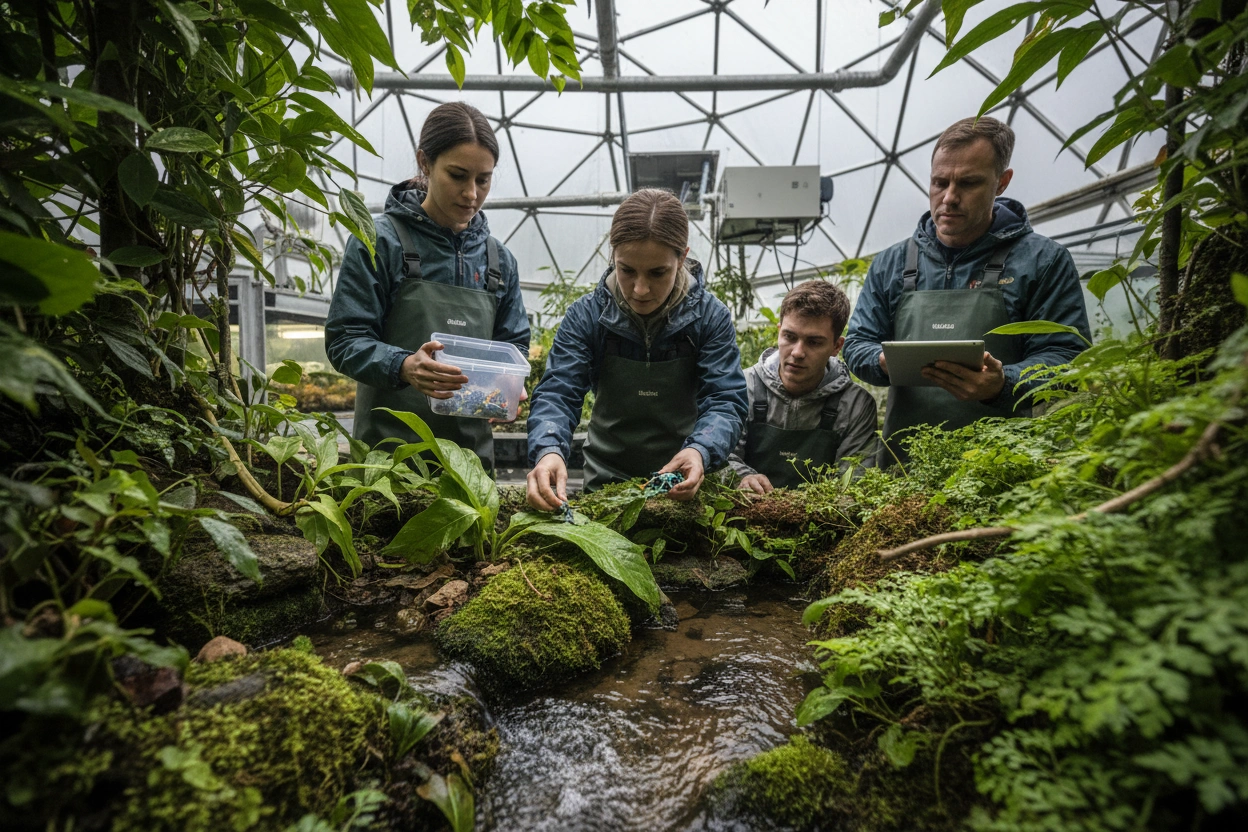
Joining citizen science projects can provide valuable data on amphibian populations. Observing and reporting sightings contribute to research and monitoring efforts.
Advocacy and Education
Advocating for policies that protect amphibian habitats is crucial. Additionally, educating communities about the importance of amphibians can foster a culture of conservation.
Pollution Reduction Campaigns
Supporting campaigns aimed at reducing pollution can have a direct positive impact on amphibian habitats. This includes initiatives focused on clean water and sustainable agricultural practices.
Invasive Species Management
Helping to manage invasive species can protect native amphibians from competition and predation. This can involve community clean-up efforts and education on the impacts of invasive species.
Creating Amphibian-Friendly Gardens
Individuals can create gardens that provide habitats for local amphibians. This includes planting native vegetation, maintaining ponds, and minimizing pesticide use.
Research Funding
Supporting research initiatives focused on amphibian biology, ecology, and conservation can lead to better understanding and protection strategies.
Wildlife Corridors
Advocating for the establishment of wildlife corridors can help connect fragmented habitats, allowing amphibians to migrate safely and maintain genetic diversity.
Community Engagement Programs
Participating in community programs that focus on amphibian conservation can raise awareness and inspire collective action to protect these species.
Education plays a vital role in amphibian conservation. By raising awareness of the challenges faced by amphibians and the importance of their habitats, communities can become proactive in conservation efforts. Schools, nature centers, and community organizations can host workshops and seminars to inform the public about the ecological significance of amphibians and the steps they can take to help.
Individuals can take several actionable steps to support amphibian conservation efforts in their communities:
Amphibians serve as bioindicators, meaning their health reflects the overall condition of the environment. By studying amphibian populations, scientists can gain insights into ecosystem health and identify environmental issues before they escalate. This underscores the importance of preserving their habitats not only for the sake of the amphibians themselves but also for the health of our planet.
Climate change poses a significant threat to amphibians worldwide. Rising temperatures and changing precipitation patterns can alter habitats, making them unsuitable for many species. Additionally, extreme weather events can lead to habitat destruction and increased mortality rates. Addressing climate change through sustainable practices and policies is crucial for the survival of amphibians and their habitats.
As we reflect on the vital role of amphibians in our ecosystems, it becomes clear that collective action is necessary to ensure their survival. The Banana Slug Club is dedicated to promoting education and conservation efforts aimed at protecting amphibians and their habitats.
By engaging with the Banana Slug Club, individuals can access resources, participate in community events, and learn more about how to contribute to amphibian conservation efforts.
Visit Banana Slug Club to discover how you can make a difference in the lives of amphibians and the health of our ecosystems. Together, we can create a brighter future for these remarkable creatures.
Get free resources, early access to new features and updates.
No spam. Just fun educational emails!


.svg)
.svg)