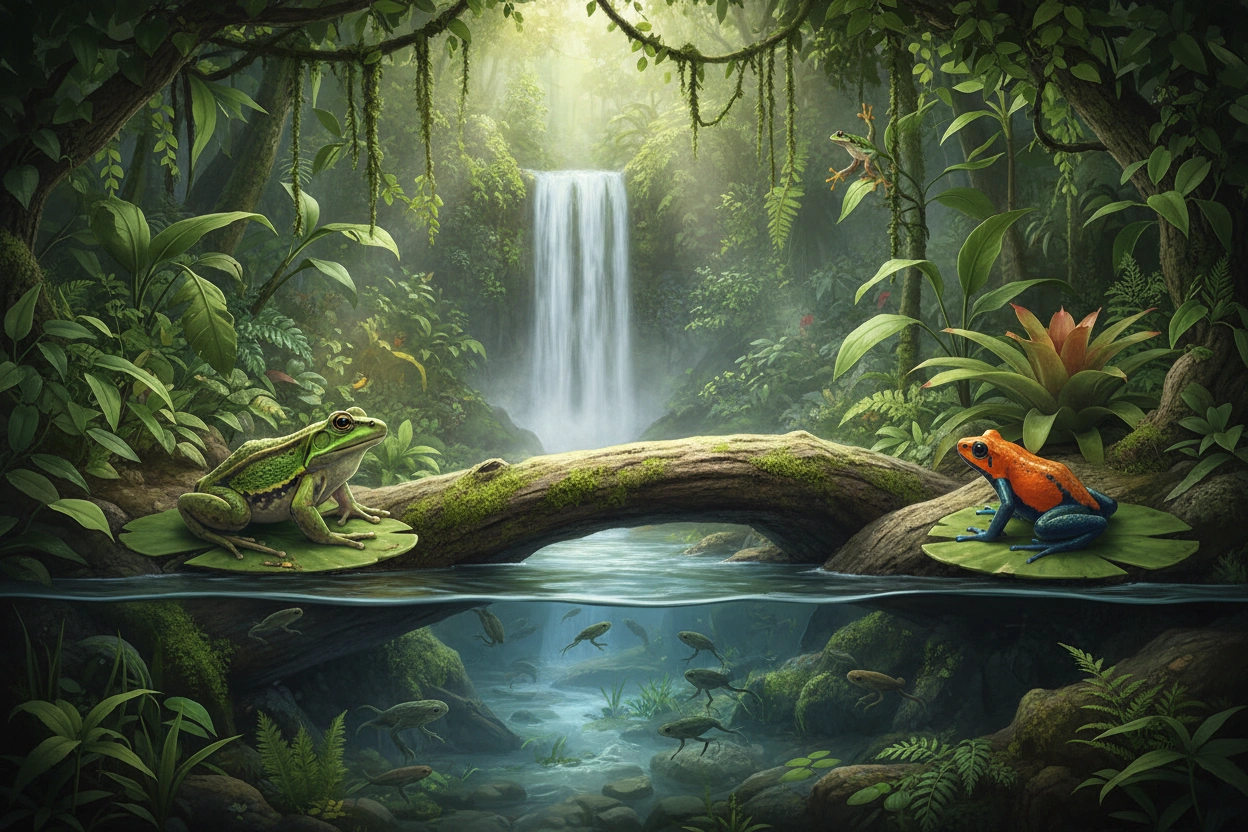
Amphibians, a diverse group of cold-blooded vertebrates including frogs, toads, salamanders, and newts, play a critical role in ecosystems around the world. These creatures are remarkable not only for their unique biological traits but also for their sensitivity to environmental changes. As indicators of ecological health, amphibians provide valuable insights into the state of their habitats. Understanding where these species thrive naturally can help conservationists and enthusiasts alike to promote their survival and well-being.
In this article, we will explore the various habitats that support amphibian populations, the threats they face, and the top ten amphibian conservation efforts that individuals and organizations can engage in to make a positive impact. With amphibians facing unprecedented declines globally, it is imperative to foster awareness and action to protect these vital creatures.
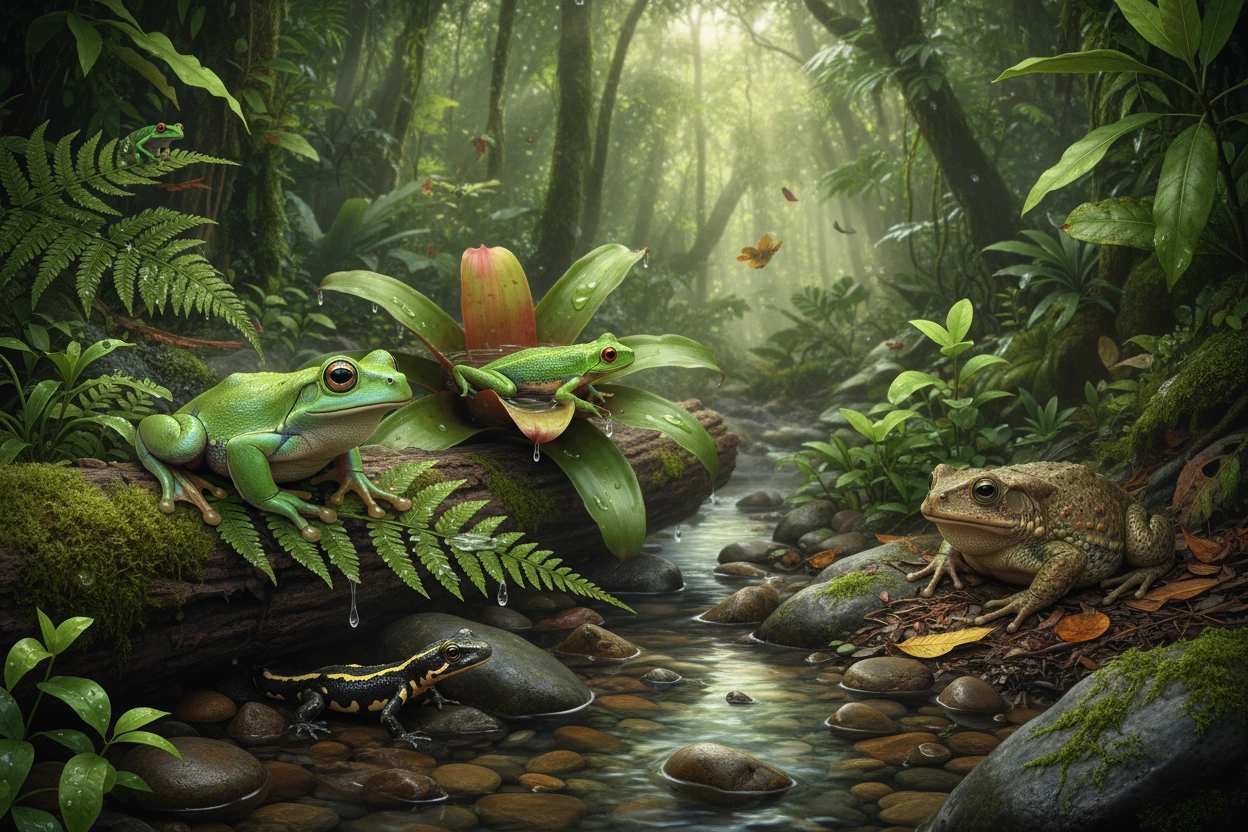
Amphibians are highly adaptable and can be found in a range of habitats, from tropical rainforests to temperate woodlands, and even arid deserts. Each species has unique habitat requirements that influence their distribution and survival.
Amphibians thrive in various ecosystems, each providing essential resources for their survival. Here are the primary types of habitats where these creatures can be found:
Freshwater Ecosystems: Ponds, lakes, rivers, and streams are critical for amphibians, particularly during their breeding season. These water bodies provide a breeding ground for eggs and a habitat for larvae.
Terrestrial Ecosystems: Forests, grasslands, and wetlands serve as essential habitats for adult amphibians. These areas provide cover, food sources, and moisture, which are vital for their survival.
Urban Environments: Surprisingly, amphibians can also adapt to urban settings, utilizing parks, gardens, and even stormwater retention areas as habitats. However, urbanization poses significant threats to their populations.
Several environmental factors influence amphibian habitats and their ability to thrive:
Moisture Levels: Amphibians have permeable skin, making them sensitive to dehydration. Therefore, habitats must maintain adequate moisture levels to support their life cycles.
Temperature: As ectothermic creatures, amphibians rely on external temperatures to regulate their body heat. Thus, they are sensitive to climate changes and habitat alterations.
Vegetation: The presence of plants provides cover from predators and nesting sites for amphibians. Vegetation also plays a role in maintaining humidity levels in their habitats.
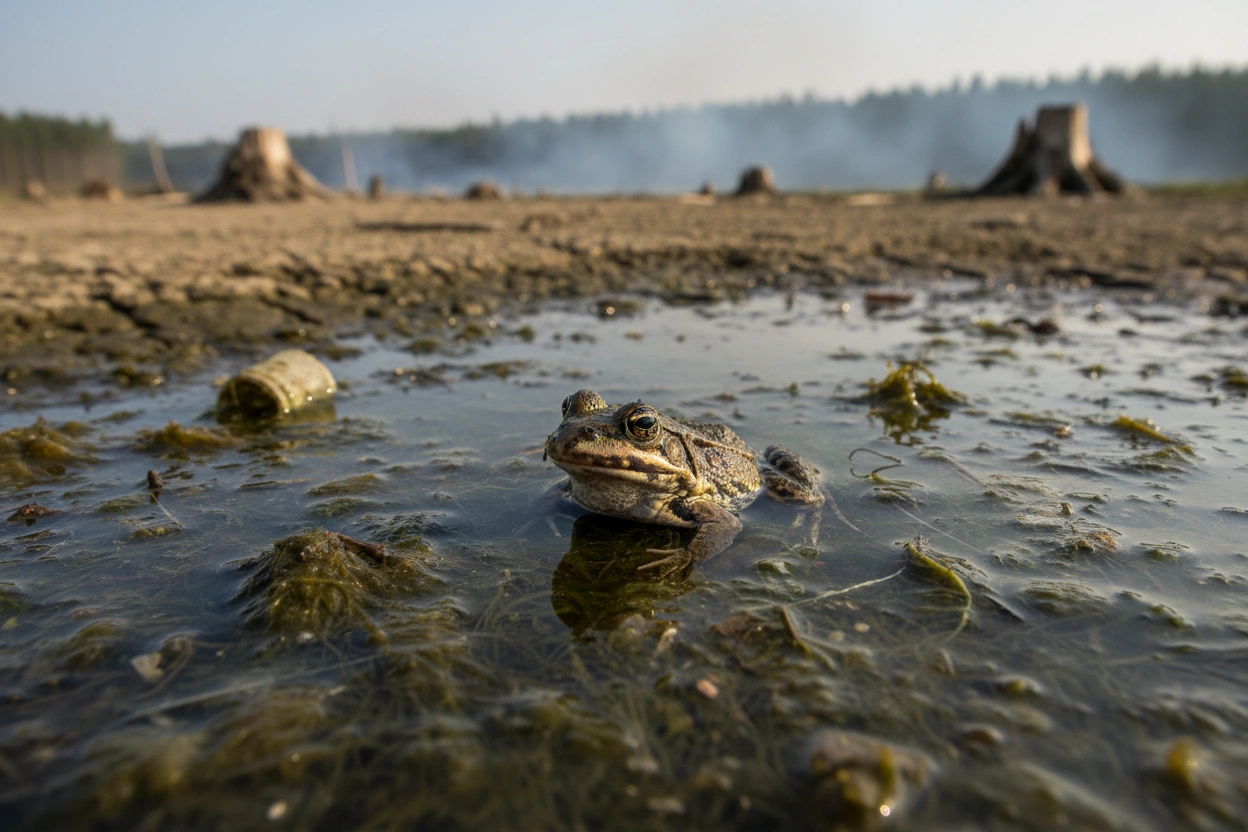
Despite their adaptability, amphibians are facing a myriad of threats that jeopardize their existence. Understanding these challenges is crucial for effective conservation efforts.
The primary threat to amphibians is habitat destruction due to urbanization, agriculture, and deforestation. As natural habitats are converted for human use, amphibians lose the environments they rely on for breeding, feeding, and shelter.
Climate change is leading to altered weather patterns, increased temperatures, and changing precipitation levels. These changes impact amphibian habitats directly, affecting moisture levels and food availability.
Chemical pollutants, such as pesticides and heavy metals, can contaminate aquatic and terrestrial habitats. Amphibians are particularly susceptible to these toxins due to their permeable skin, which can absorb harmful substances.
Invasive species can outcompete native amphibians for resources or introduce diseases. The introduction of non-native predators often leads to declines in amphibian populations.
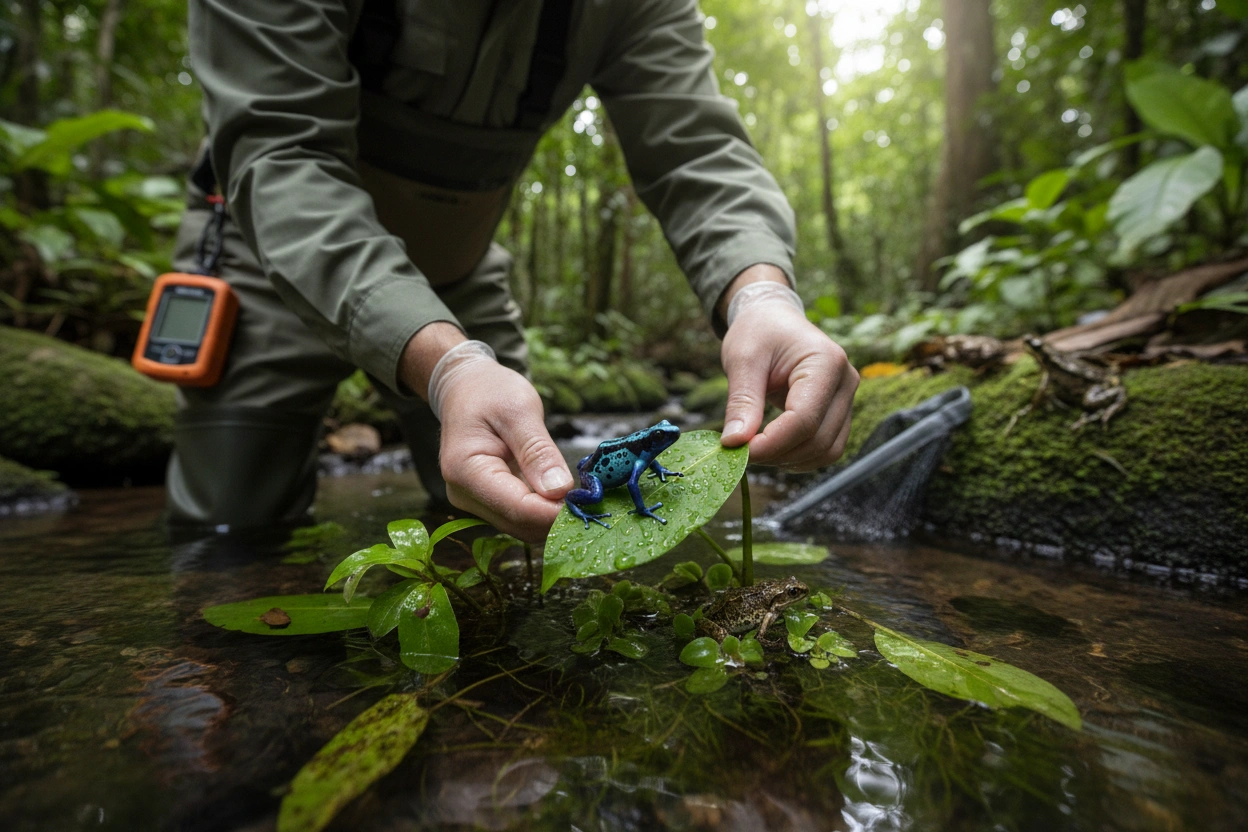
To combat the threats facing amphibians, several conservation efforts are making significant strides. Individuals and organizations can engage in the following initiatives:
Habitat Restoration Projects
Supporting projects that aim to restore degraded habitats can significantly benefit local amphibian populations. These projects often involve planting native vegetation and removing invasive species.
Citizen Science Programs
Participating in citizen science initiatives helps researchers collect vital data on amphibian populations. This information can inform conservation strategies and policy decisions.
Amphibian Monitoring
Engaging in monitoring programs allows individuals to track amphibian health and populations. This data is crucial for understanding trends and implementing timely conservation actions.
Education and Awareness Campaigns
Raising awareness about the plight of amphibians can mobilize communities to take action. Educational programs in schools and local organizations can foster a culture of conservation.
Support for Amphibian Sanctuaries
Contributing to or volunteering at amphibian sanctuaries can provide a safe haven for threatened species. These sanctuaries often focus on breeding programs and habitat preservation.
Legislative Advocacy
Advocating for policies that protect amphibian habitats and regulate pollution can lead to significant changes at the local and national levels. Engaging with policymakers and supporting conservation legislation is essential.
Invasive Species Management
Supporting efforts to manage and control invasive species can help protect native amphibians from competition and predation. Community initiatives can play a vital role in these management strategies.
Sustainable Practices
Promoting sustainable agricultural and urban development practices can minimize habitat destruction and pollution. Encouraging land-use planning that considers amphibian habitats is crucial.
Research Funding
Contributing to research initiatives focused on amphibian biology, ecology, and conservation can provide valuable insights that inform effective strategies for their protection.
Participating in Amphibian Awareness Days
Engaging in events like World Frog Day or Amphibian Week can spread awareness and encourage community involvement in amphibian conservation efforts.
When discussing amphibians, several misconceptions often arise. Addressing these can enhance public understanding and support for conservation efforts.
Many people mistakenly believe that all amphibians are frogs. While frogs are a significant group within the amphibian class, there are also toads, salamanders, and newts, each with distinct characteristics and habitats.
Some may think that amphibians are resilient to environmental changes. However, their sensitivity to moisture and temperature fluctuations makes them particularly vulnerable to climate change impacts.
While some amphibians may be seen as pests, particularly in urban areas, they play a crucial role in pest control by consuming insects. Understanding their ecological contributions is vital for fostering appreciation and conservation.
As awareness of amphibian conservation grows, organizations like Banana Slug Club are pivotal in promoting education, research, and community engagement. By focusing on the unique needs of amphibians, such as habitat preservation and public awareness, Banana Slug Club aims to create a sustainable future for these species.
Banana Slug Club actively works to involve local communities in amphibian conservation efforts. Through outreach programs and educational initiatives, the organization fosters a deeper understanding of amphibian ecology and the importance of protecting their habitats.
By offering resources and guidance on best practices for habitat restoration and sustainable living, Banana Slug Club empowers individuals and organizations to take meaningful action in supporting amphibian populations.
For those interested in making a difference, consider joining Banana Slug Club's efforts in amphibian conservation. Whether through volunteering, participating in educational programs, or supporting habitat restoration projects, every action counts in the fight to protect these vital creatures.
To learn more about how you can contribute to amphibian conservation, visit Banana Slug Club. Together, we can create a thriving environment for amphibians and ensure their survival for future generations.
Get free resources, early access to new features and updates.
No spam. Just fun educational emails!


.svg)
.svg)