Reptiles are an extraordinary group of animals that have captivated the interest of animal enthusiasts for centuries. As ectothermic creatures, they are uniquely adapted to their environments, showcasing a diversity that ranges from the smallest gecko to the largest crocodile. In this article, we will delve into fascinating facts about reptiles, their habitats, and essential reptile care tips that every animal lover should be aware of.
Understanding reptiles not only enhances our appreciation for their role in the ecosystem but also guides us in providing the best care for them in captivity. Whether you are a seasoned reptile owner or a curious newcomer, the insights shared here will enrich your understanding and enjoyment of these remarkable creatures.
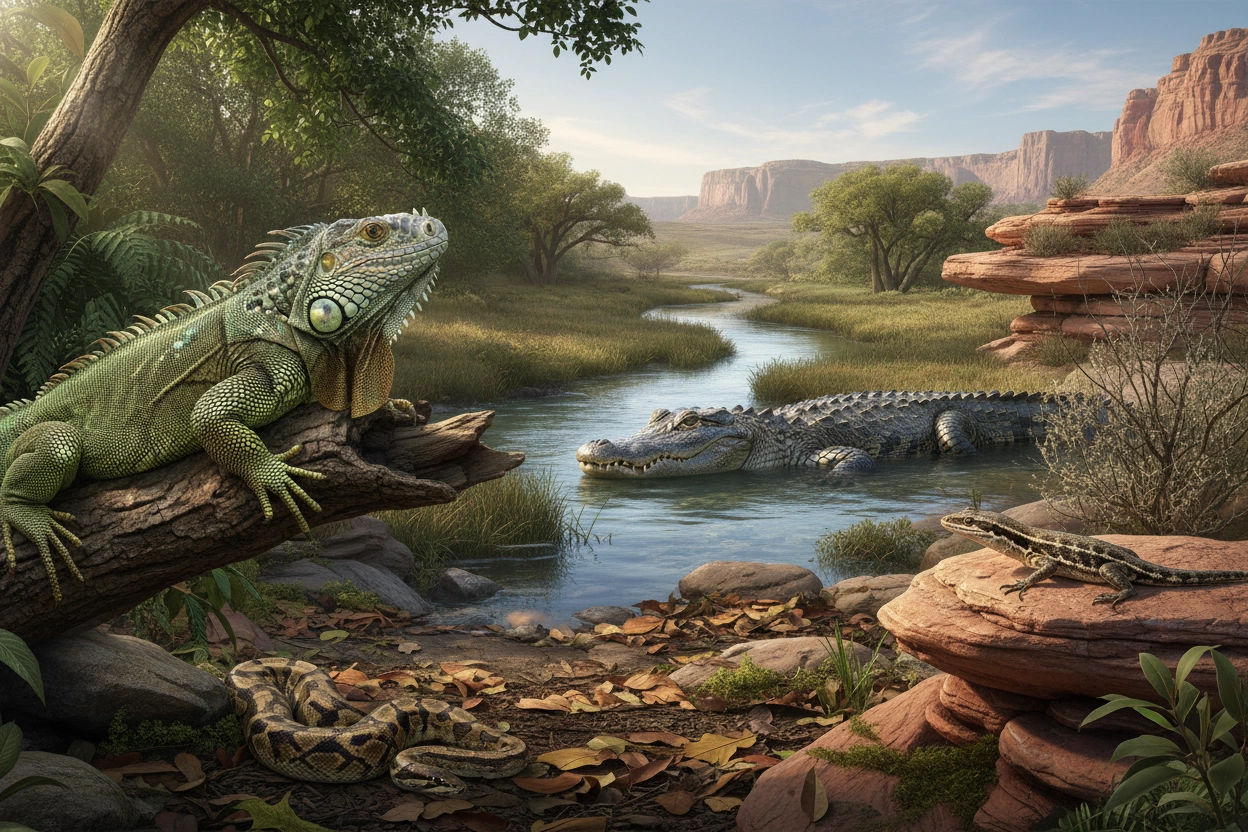
Reptiles inhabit a wide range of environments, reflecting their adaptability and evolutionary success. From deserts and forests to freshwater and marine ecosystems, the habitats of reptiles vary greatly. Each habitat provides specific resources and conditions essential for the survival of different reptile species.
Reptiles can be broadly categorized into several habitat types. Here are the most common ones:
Deserts: Many reptiles, such as snakes and lizards, thrive in arid environments. Species like the horned lizard and the Gila monster have evolved adaptations to conserve water and cope with extreme temperatures.
Forests: Tropical and temperate forests are home to a variety of reptiles, including chameleons and iguanas. These habitats offer abundant vegetation for camouflage and hunting.
Grasslands: Open grasslands and savannas provide a suitable environment for reptiles like tortoises and some species of snakes. The availability of sunlight and shelter from predators plays a crucial role in their survival.
Aquatic Environments: Some reptiles, such as turtles and crocodiles, are semi-aquatic or fully aquatic. They inhabit freshwater bodies like rivers and lakes, as well as saltwater habitats, where they exhibit unique adaptations for swimming and hunting.
The habitat of a reptile significantly influences its behavior, diet, and reproductive strategies. Here are some key factors that affect reptile habitats:
Temperature and Climate: Reptiles are ectothermic, meaning their body temperature is regulated by external sources. This dependence on environmental temperature impacts their geographical distribution and seasonal activity patterns.
Availability of Food and Water: The abundance of prey and water sources directly affects reptile populations. For instance, in desert environments, reptiles may have adapted to thrive on limited water and food resources.
Shelter and Nesting Sites: Reptiles require places to hide from predators and to nest. The availability of suitable shelters, such as burrows or dense vegetation, can determine the success of reptile species in a given habitat.
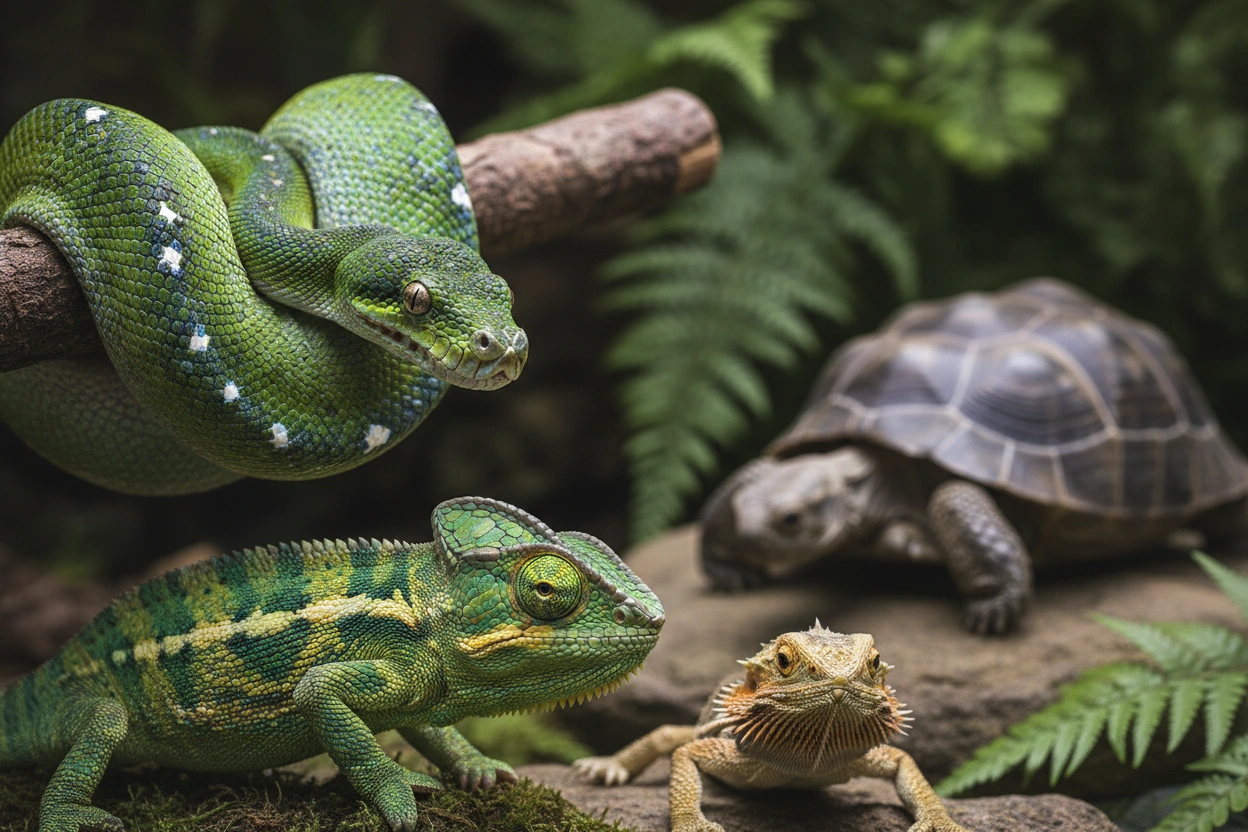
Reptiles are remarkable creatures with unique characteristics that set them apart from other animal groups. Here are some intriguing facts that every animal enthusiast should know:
Reptiles first appeared over 300 million years ago, making them one of the oldest groups of vertebrates on Earth. Their long evolutionary history has led to the development of diverse species, each adapted to their specific environments.
Unlike mammals, reptiles have scaly skin that helps prevent water loss and protects against environmental hazards. The scales are made of keratin, the same protein that forms human hair and nails. This adaptation is vital for survival in arid environments.
Reptiles are ectothermic, meaning they rely on external heat sources to regulate their body temperature. This characteristic affects their behavior, as they often bask in the sun to warm up or seek shade to cool down. Understanding this behavior is essential for proper reptile care.
Reptiles exhibit a wide range of dietary preferences. Some are strict carnivores, while others are herbivores or omnivores. For instance, green iguanas primarily consume plant matter, while rattlesnakes are strictly carnivorous, feeding on small mammals and birds.
Reptiles have diverse reproductive strategies, including oviparity (egg-laying) and viviparity (live birth). Some species, like sea turtles, return to land to lay their eggs, while others, such as certain snakes, give birth to live young.

For those who keep reptiles as pets, understanding their specific needs is crucial for their health and well-being. Here are some essential reptile care tips that every owner should follow:
Establishing the right habitat is vital for a reptile's health. Consider the following when setting up their environment:
Temperature Gradient: Provide a basking area with higher temperatures and a cooler area for thermoregulation.
Humidity Levels: Maintain appropriate humidity levels based on the species. Tropical reptiles may require higher humidity, while desert species prefer drier conditions.
Enrichment: Incorporate hiding spots, climbing structures, and other forms of enrichment to stimulate natural behaviors.
A balanced diet is critical for the health of reptiles. Follow these dietary guidelines:
Species-Specific Diet: Research the dietary needs of your reptile species. For example, herbivorous reptiles need a variety of leafy greens, while carnivores require a diet rich in protein.
Supplementation: Use vitamins and minerals to supplement their diet, especially calcium and vitamin D3, which are essential for bone health.
Regular health assessments are important for early detection of health issues. Here are a few tips:
Observe Behavior: Monitor your reptile's behavior, appetite, and physical appearance for any signs of illness.
Veterinary Care: Schedule routine check-ups with a veterinarian experienced in reptile care to ensure your pet remains healthy.
When handling reptiles, it's essential to do so carefully to minimize stress:
Support the Body: Always support the reptile's body fully when picking it up to avoid injury.
Limit Handling: Reptiles can become stressed with excessive handling, so it's best to limit interactions to essential activities like cleaning or health checks.
Despite their popularity as pets, there are several misconceptions about reptiles that can lead to improper care. Here are a few common myths debunked:
Many people believe that reptiles lack the capacity for affection. However, many species can bond with their owners and exhibit recognition and comfort when handled regularly.
While some reptiles possess venom or can be aggressive, the majority are harmless and can be kept safely with proper care and handling. Understanding the species-specific behavior and temperament is crucial.
Some reptile owners mistakenly believe that UVB lighting is unnecessary. In reality, many reptiles require UVB light to synthesize vitamin D3, which is essential for calcium metabolism and overall health.
Reptiles play a critical role in maintaining ecological balance. They contribute to pest control, seed dispersal, and serve as prey for larger animals. Understanding their ecological significance enhances our appreciation for these creatures and underscores the importance of their conservation.
Many reptiles, particularly snakes and lizards, help control populations of insects and rodents. This natural pest control reduces the need for chemical pesticides, promoting healthier ecosystems.
Certain reptiles, such as tortoises, assist in seed dispersal through their dietary habits. As they consume fruits and vegetation, they inadvertently aid in plant reproduction by spreading seeds across their habitats.
Reptiles occupy various niches within food webs, serving as both predators and prey. Their presence supports the health of their ecosystems, demonstrating the interconnectedness of all life forms.
Exploring the world of reptiles offers endless opportunities for learning and appreciation. From their fascinating adaptations to their essential roles in ecosystems, there is much to discover. As you delve deeper into the realm of reptiles, consider the resources and community offered by the Banana Slug Club.
Joining the Banana Slug Club allows you to connect with fellow animal enthusiasts, gain access to expert insights, and enhance your understanding of reptile care and conservation.
For more information and to engage with a community passionate about reptiles, visit the Banana Slug Club today. Your journey into the captivating world of reptiles awaits!
Get free resources, early access to new features and updates.
No spam. Just fun educational emails!


.svg)
.svg)