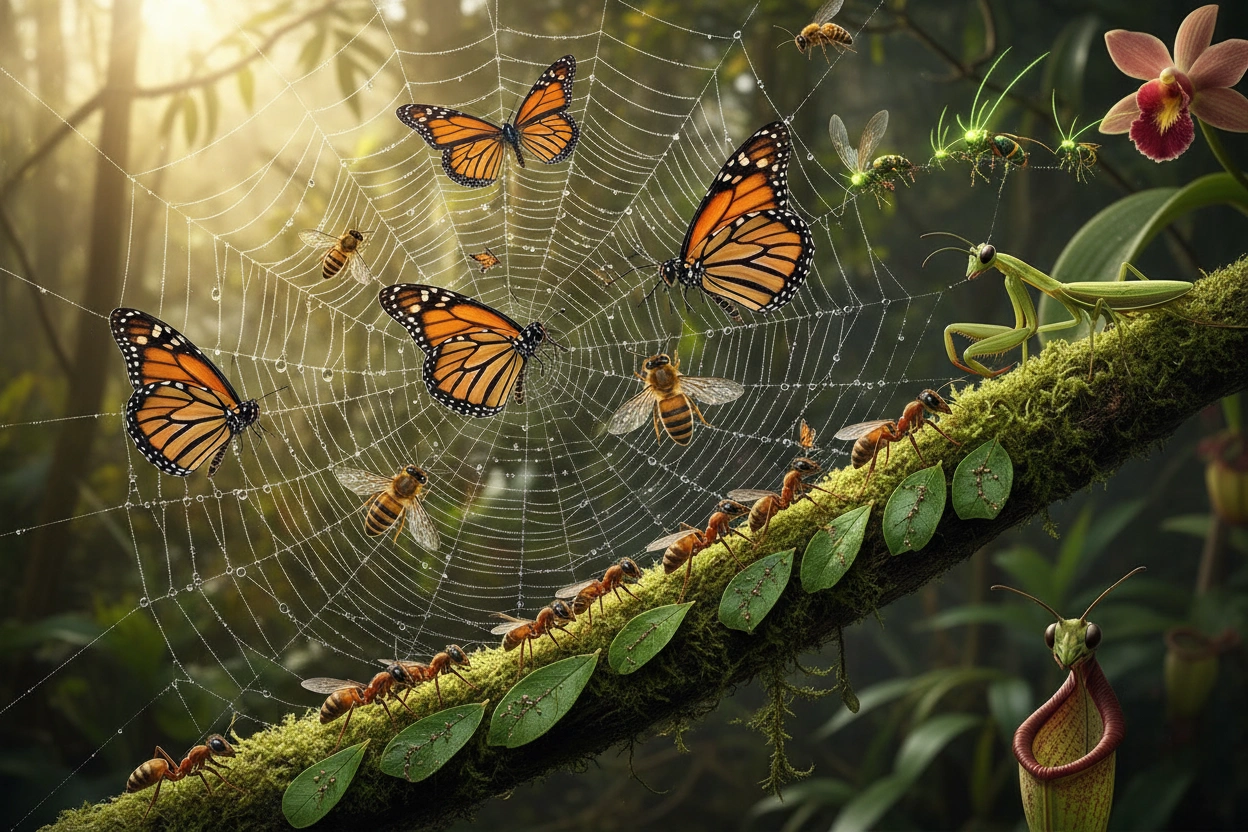
Insects represent a diverse and complex group of organisms that play critical roles in our ecosystems. With over a million described species, they exhibit a range of behaviors that can be both fascinating and perplexing. From the intricate social structures of ants to the elaborate mating rituals of butterflies, the behavior of insects provides insights into the adaptability and resilience of life on Earth. This article explores the unique patterns of insect behavior, focusing on the top ten most fascinating insect species, and offers guidance on how to identify various insect species.
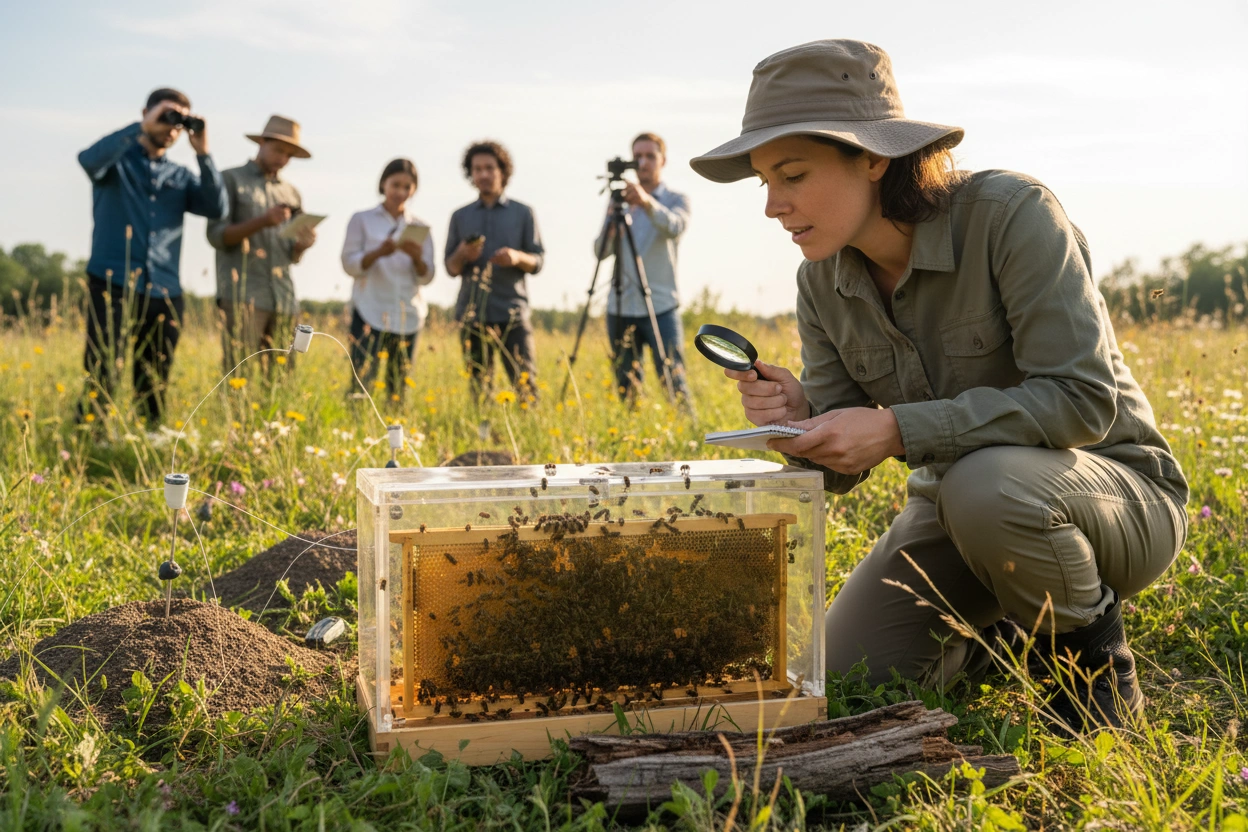
Understanding insect behavior is essential for several reasons. First, insects are vital pollinators that contribute significantly to agricultural productivity and ecosystem health. They are also essential in nutrient recycling, aiding in the decomposition of organic material. Moreover, studying their behaviors can lead to discoveries that enhance our knowledge of evolution, social structures, and environmental interactions.
Insect behavior often challenges our understanding of intelligence and social organization. For instance, many insects, such as bees and ants, operate within complex societies that demonstrate advanced communication and problem-solving abilities. By decoding their behaviors, we can gain insights into not only their survival strategies but also broader ecological principles.
Several misconceptions about insects can hinder our understanding of their importance. One common belief is that all insects are pests. While some species may cause harm to crops or transmit diseases, the vast majority are beneficial. They contribute to pollination, pest control, and soil health.
Another misconception is that insects are unintelligent or incapable of learning. In reality, many insects exhibit remarkable cognitive abilities. For example, studies have shown that honeybees can learn from experience and communicate the location of food sources through complex dance movements.

Insects exhibit a wide variety of fascinating behaviors that showcase their adaptability and complexity. Here, we explore ten of the most intriguing insect species and their unique characteristics.
The Monarch butterfly is renowned for its remarkable migration journey, spanning thousands of miles from North America to central Mexico. This journey is not only an extraordinary feat of endurance but also a critical aspect of the species' life cycle. Monarchs rely on specific environmental cues to navigate their migration route, showcasing a sophisticated understanding of their surroundings.
Leafcutter ants are remarkable for their complex social structures and agricultural practices. They are known for cutting leaves and transporting them to their nests, where they cultivate fungus as their primary food source.
The bombardier beetle is famous for its unique defense mechanism, which involves ejecting a hot, noxious chemical spray at potential predators. This explosive reaction is a fascinating example of chemical warfare in the insect world.
Fireflies, or lightning bugs, are known for their bioluminescent abilities, which they use for communication and mating. The light produced by fireflies is a captivating display of nature's wonders.
The praying mantis is famous for its unique predatory behavior and distinctive posture. Known for their exceptional camouflage and hunting skills, mantises are formidable predators in the insect world.
Honeybees are essential pollinators that play a critical role in agriculture and biodiversity. Their complex social structure and communication methods make them one of the most studied insect species.
Stick insects are masters of camouflage, mimicking twigs and branches to evade predators. Their ability to blend into their surroundings is a fascinating survival strategy.
Antlions are known for their unique larval stage, where they create pitfall traps to capture prey. This behavior showcases their predatory adaptations and remarkable hunting strategies.
While not technically insects, tardigrades, or "water bears," are fascinating microscopic organisms known for their resilience. They can survive extreme conditions that would be lethal to most other forms of life.
Cicadas are known for their distinct mating calls, which can be heard during the summer months. Their life cycle, including long periods of underground development, is an intriguing aspect of their biology.
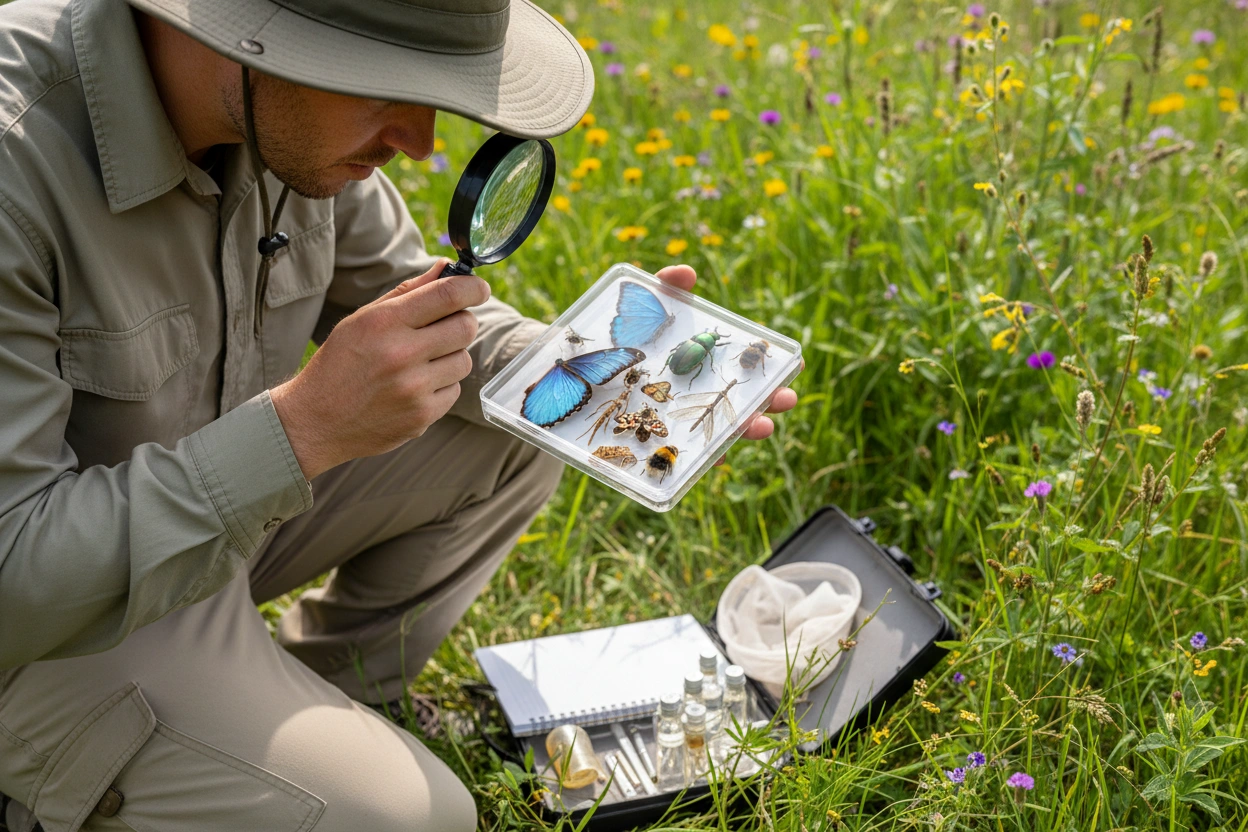
Identifying insect species can be a rewarding endeavor, whether for scientific research, gardening, or simply enjoying nature. Here are some essential tips to assist in insect species identification.
Insects play a fundamental role in maintaining the balance of ecosystems. They are crucial contributors to pollination, nutrient cycling, and food webs. Understanding their behaviors and interactions with the environment is essential for conservation efforts and sustainable practices.
In recent years, insect populations have faced significant threats due to habitat loss, climate change, and pesticide use. Addressing these challenges requires concerted efforts to protect habitats and promote sustainable practices.
The study of insect behavior opens a window into the complexities of the natural world. By understanding the fascinating patterns exhibited by various insect species, we can better appreciate their roles in our ecosystems. The insights gained from studying insects can inform conservation efforts and enhance our interaction with the environment.
The Banana Slug Club is dedicated to fostering awareness and education about the importance of biodiversity, including the fascinating world of insects. We provide resources and support for those interested in exploring the intricacies of insect behavior and conservation.
If you want to delve deeper into the world of insects and learn more about how you can contribute to conservation efforts, visit Banana Slug Club. Together, we can work towards a better understanding of our planet's incredible biodiversity and the crucial roles that insects play within it.
Get free resources, early access to new features and updates.
No spam. Just fun educational emails!


.svg)
.svg)




