Reptiles are an essential component of our planet's biodiversity, representing a fascinating array of species that have adapted to various environments over millions of years. From the shimmering scales of snakes to the rugged shells of tortoises, these creatures are not only captivating in their appearance but also play critical roles in ecosystems. Understanding reptiles and their significance in nature can enhance our appreciation for wildlife and underscore the importance of conservation efforts. This article delves into the captivating world of reptiles, exploring their vital roles, diverse species, and practical considerations for those interested in keeping them as pets.

Reptiles serve numerous functions within their ecosystems, contributing to ecological balance and health. Their roles can be categorized into several key areas.
Reptiles are vital in food webs, acting as both predators and prey. For instance, snakes, such as the eastern garter snake, help control populations of rodents and insects, preventing these species from becoming overabundant and causing damage to crops and other vegetation. Conversely, many reptiles, such as lizards, serve as prey for birds, mammals, and larger reptiles, supporting the diets of various predators.
Many reptiles contribute to soil health through their behaviors and feeding habits. Tortoises, for example, are known to consume a variety of plant species, aiding in seed dispersal. As they move through their habitats, they leave behind droppings that fertilize the soil, promoting plant growth and diversity. This interaction between reptiles and plant life is crucial for maintaining healthy ecosystems.
Reptiles can serve as bioindicators, meaning their health reflects the overall state of the environment. For example, a decline in reptile populations can indicate habitat degradation or pollution. Monitoring reptile species can provide valuable insights into the health of ecosystems and the effectiveness of conservation efforts.
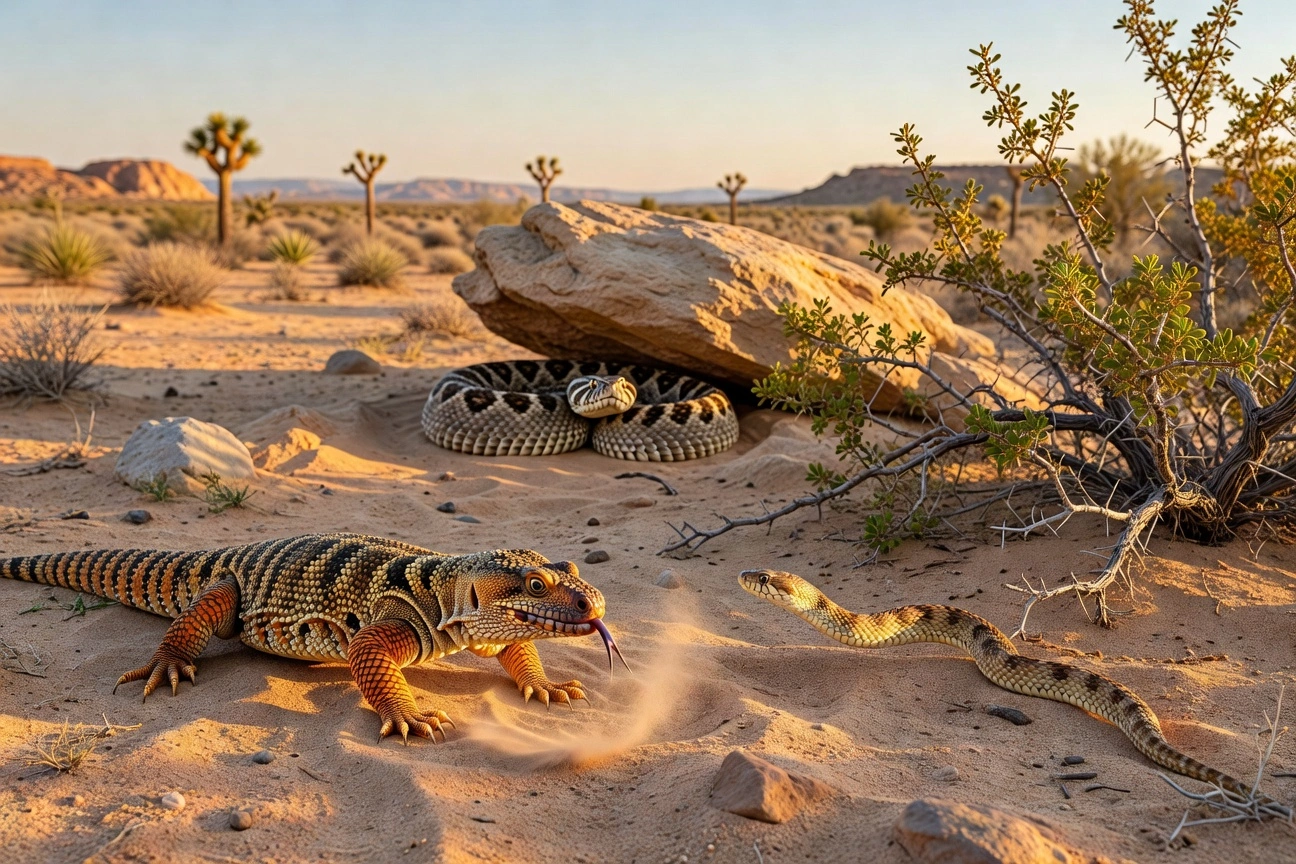
Despite their significance, reptiles are often misunderstood. Addressing these misconceptions can help foster a greater appreciation for these creatures.
Many people view reptiles, particularly snakes, as dangerous creatures. While certain species possess venom and can pose risks, the vast majority are harmless and play essential roles in controlling pest populations. Education about local reptile species can help demystify these animals and reduce fear.
While reptiles can be rewarding pets, they require specific care and attention. Many potential reptile owners underestimate the complexity of their needs, including habitat requirements, dietary preferences, and temperature regulation. Understanding these factors is crucial for responsible pet ownership.
Although most reptiles are ectothermic (cold-blooded), some species, like the leatherback sea turtle, exhibit unique adaptations that allow them to regulate their body temperature more effectively. This diversity highlights the complexity of reptilian biology and behavior.
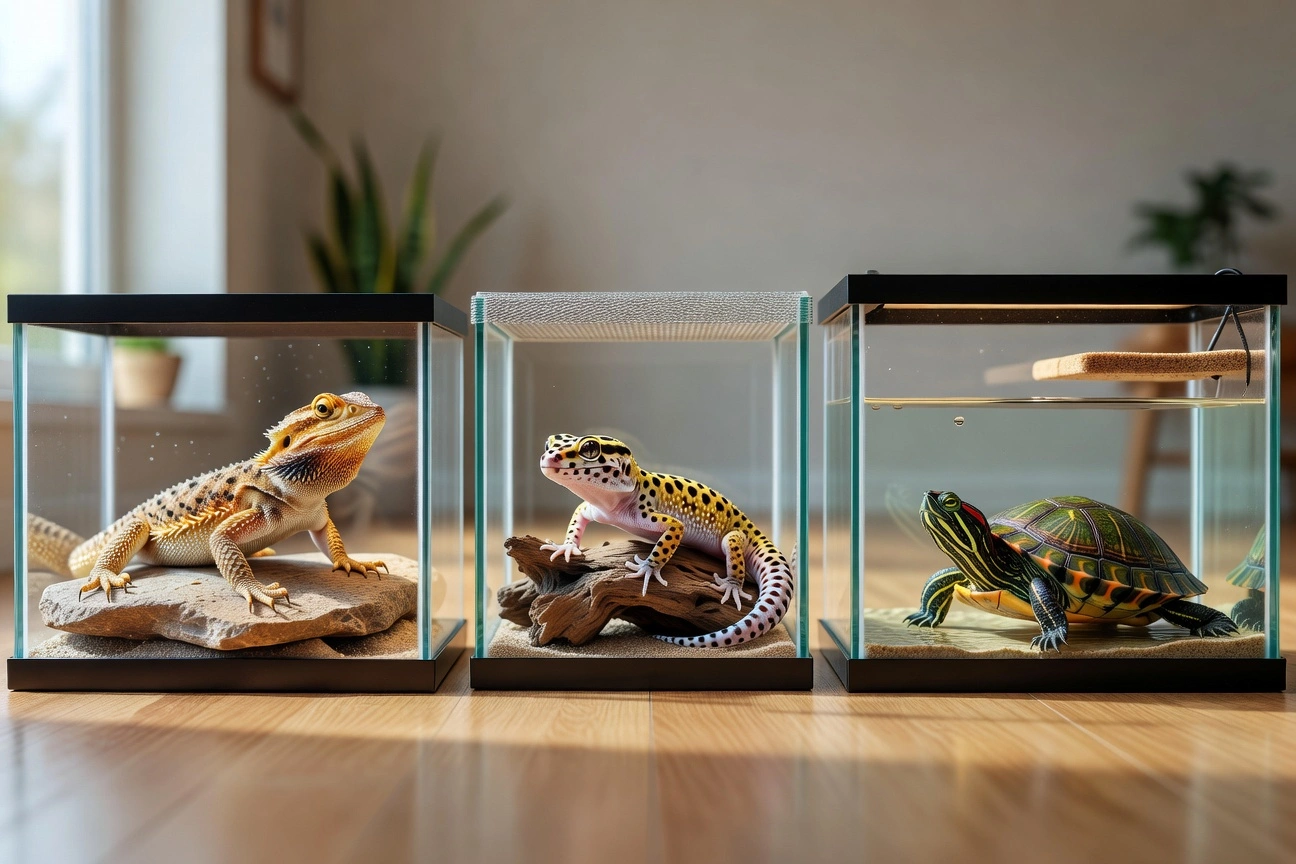
For those considering adopting a reptile as a pet, understanding the different species and their requirements is essential. Here is a comparison of several popular pet reptiles.
Bearded dragons are one of the most popular pet reptiles due to their docile nature and ease of care. They thrive in a controlled environment and enjoy interaction with their owners.
Leopard geckos are known for their unique coloration and friendly demeanor. They are relatively low-maintenance and are a great choice for beginners.
Corn snakes are favored for their striking patterns and calm temperament. They are excellent for both novice and experienced reptile owners.
Red-eared sliders are one of the most common pet turtles and require a water-based habitat.
Ball pythons are popular for their gentle disposition and manageable size, making them suitable for both beginners and experienced keepers.
To ensure a healthy and happy life for your pet reptile, consider the following essential care tips.
Before bringing a reptile into your home, it is crucial to research the specific needs of the species you are interested in. This includes understanding their habitat requirements, dietary needs, and social behaviors.
Setting up a suitable habitat is vital for your reptile's health. This includes ensuring proper temperature gradients, humidity levels, and adequate lighting. Use reliable sources or consult with experts to design an optimal living space.
Regular health checks are essential for detecting any potential issues early. Observe your reptile for changes in behavior, appetite, or physical condition, and consult a veterinarian experienced in reptile care when necessary.
Feeding your reptile a balanced diet is critical for its overall health. Ensure you provide the right type and amount of food, and consider supplementation with vitamins or minerals when appropriate.
When interacting with your reptile, approach handling with care and respect. Allow your pet to acclimate to your presence before attempting to hold or interact with it. This fosters trust and reduces stress for the animal.
Reptiles face numerous threats, including habitat loss, climate change, and poaching. Understanding these challenges is crucial for conservation efforts.
Protecting natural habitats is vital for the survival of reptile species. Conservation initiatives focus on preserving ecosystems, restoring habitats, and implementing policies that protect endangered species.
Raising awareness about the importance of reptiles and their roles in ecosystems can foster public support for conservation efforts. Educational programs and community outreach can help dispel myths and promote responsible pet ownership.
Ongoing research into reptile populations and their habitats is essential for effective conservation strategies. Monitoring reptile health and diversity can inform policy decisions and conservation efforts.
As we have explored throughout this article, reptiles are not only fascinating creatures but also play vital roles in our ecosystems. Whether you are considering adopting a pet reptile or simply want to learn more about their importance in nature, the Banana Slug Club is here to assist you. Our resources can provide you with valuable insights into reptile care, conservation efforts, and much more.
For those interested in the world of reptiles, we invite you to visit Banana Slug Club for more information and resources. By engaging with us, you can deepen your understanding of these incredible animals and contribute to their conservation. Contact Banana Slug Club today to learn more about how you can support reptile awareness and conservation initiatives.
Get free resources, early access to new features and updates.
No spam. Just fun educational emails!


.svg)
.svg)