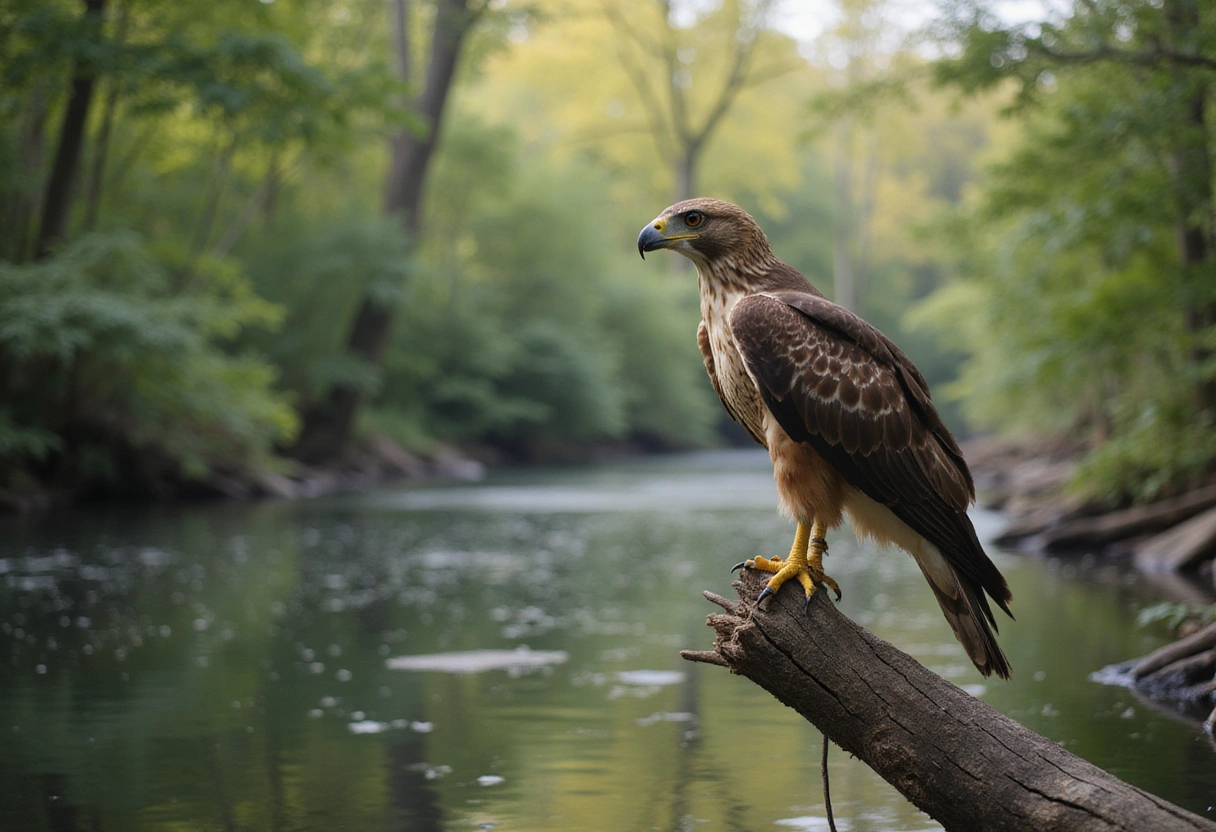
Birds of prey, often referred to as raptors, play a crucial role in maintaining the health and balance of ecosystems. As apex predators, these magnificent creatures help regulate populations of various species, thereby promoting biodiversity and ecological stability. In this article, we will delve into the multifaceted roles that birds of prey play in ecosystems, how they contribute to ecological health, and their significance in bird species identification.

Birds of prey are essential components of many ecosystems. Their predatory behaviors help control the populations of rodents, insects, and other small animals. This regulation is vital for preventing overpopulation, which can lead to habitat degradation and the decline of plant species. Additionally, raptors contribute to the food web, influencing the distribution and abundance of other wildlife.
One of the most significant roles of birds of prey is their function as natural pest controllers. For instance, species such as the barn owl and the red-tailed hawk are adept at hunting rodents. By keeping rodent populations in check, these raptors help mitigate the spread of diseases that can affect both wildlife and humans. This natural form of pest control is especially important in agricultural areas where crop damage can be substantial.
Birds of prey are indicators of a healthy ecosystem. Their presence usually signifies a balanced food web and diverse habitats. When raptors thrive, it often indicates that their prey species are also healthy and that the ecosystem is functioning properly. Conversely, a decline in raptor populations can signal environmental issues such as habitat destruction, pollution, or food scarcity.
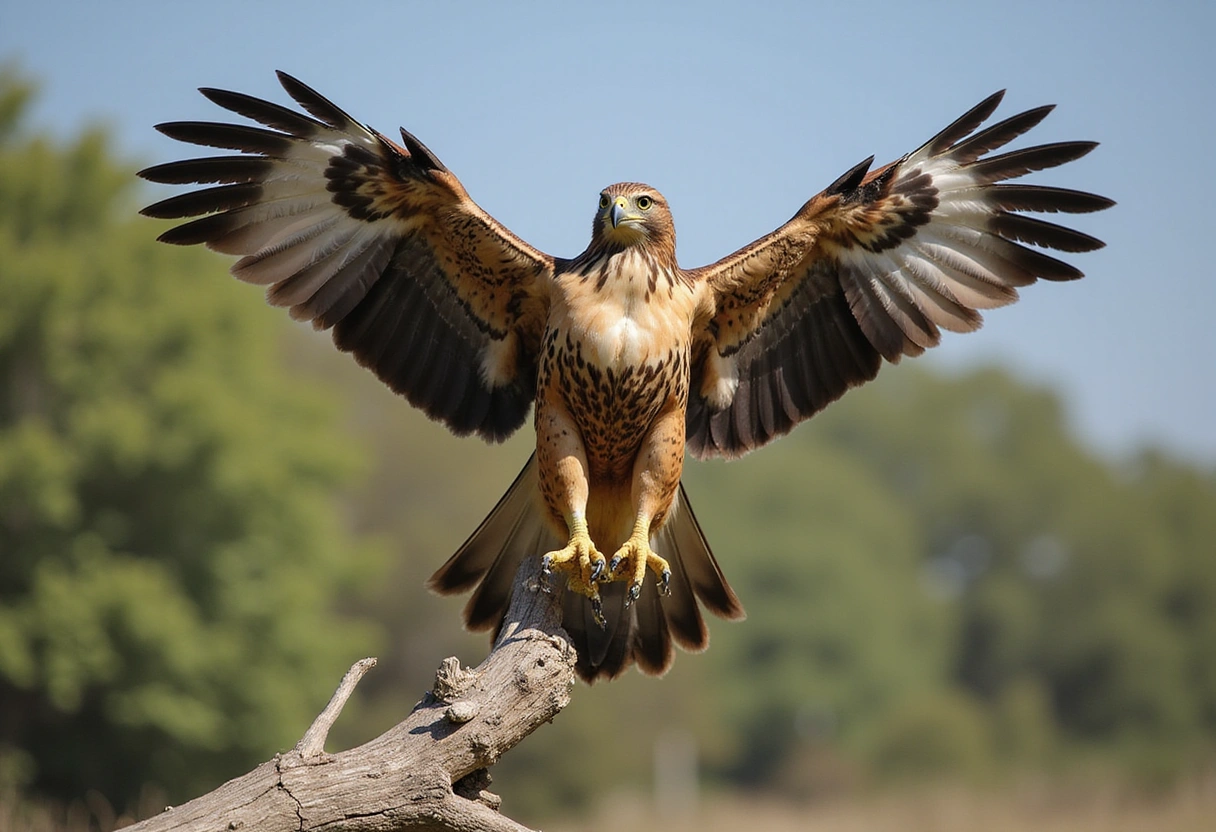
Understanding birds of prey also involves learning how to identify different species. Each raptor has distinct characteristics that can be observed in the field. This knowledge not only fosters appreciation for these birds but also aids in their conservation.
Birds of prey can be identified by their size, shape, coloration, and hunting behavior. Here are some key features to help with identification:
Despite their importance, birds of prey face numerous threats, including habitat loss, poisoning from rodenticides, and climate change. Conservation efforts are essential to protect these species and ensure their roles in ecosystems are preserved. Scavenger birds like vultures also play a role in nutrient cycling.
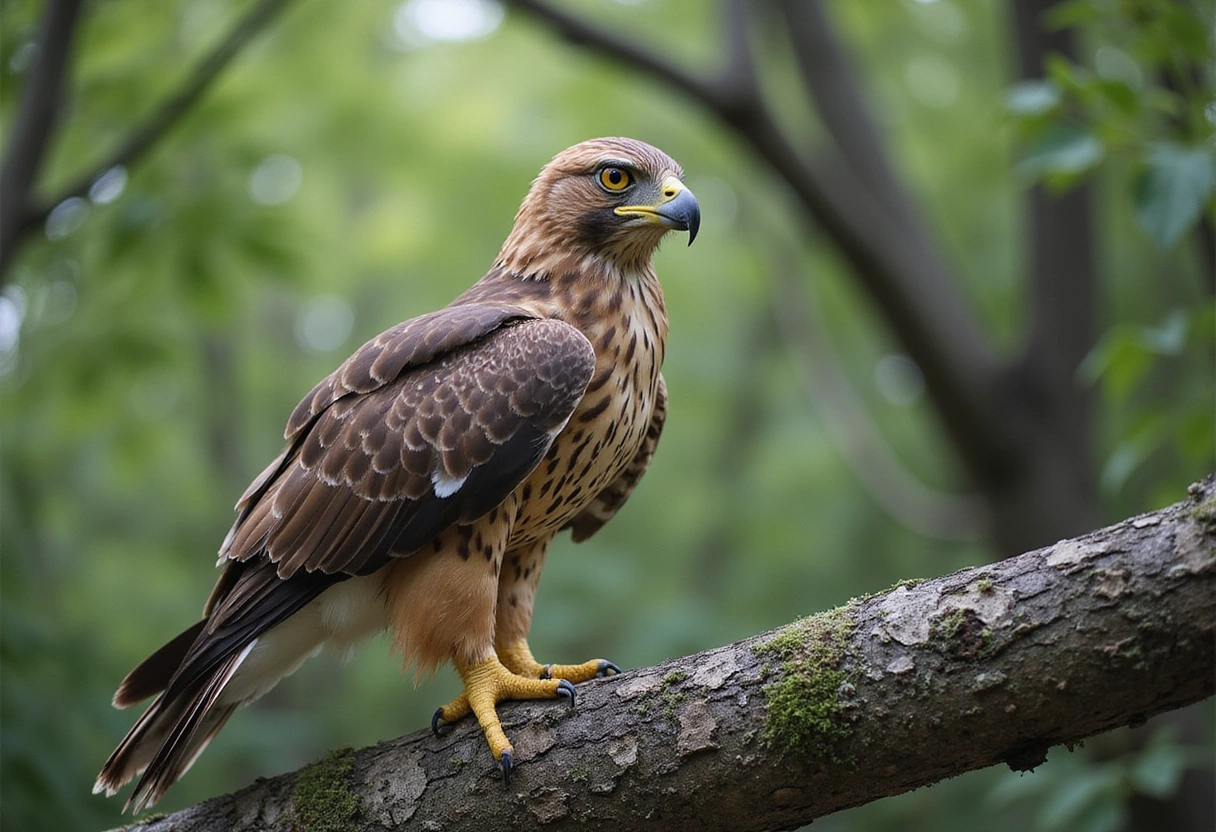
The role of birds of prey extends beyond their immediate impact on prey populations. They are part of a complex web of interactions that defines ecosystem health. Understanding these connections can provide insights into broader ecological dynamics.
Birds of prey influence not only the populations of their direct prey but also the behaviors of other species. The presence of a raptor can alter the foraging behavior of smaller animals, leading to changes in vegetation dynamics. For example, rodents may avoid areas where raptors are frequently hunting, allowing vegetation to thrive and supporting other wildlife.
When birds of prey hunt and consume their prey, they contribute to nutrient cycling through their droppings and the remains of their meals. These nutrients enrich the soil and promote plant growth, which in turn supports a variety of other species.
Despite their importance, there are several misconceptions about birds of prey that can lead to misunderstanding and mistreatment of these species. Addressing these misconceptions is vital for fostering a more informed appreciation of raptors.
Many people perceive birds of prey as aggressive and dangerous to humans or pets. While raptors are formidable hunters, they typically pose little threat to humans. Most raptors prefer to avoid confrontation and will only attack if they feel threatened.
Another common misconception is that birds of prey are only found in wilderness areas. In reality, many raptor species have adapted to urban environments and can often be seen hunting in city parks or along highways.
The diversity among raptor species is often overlooked. Each species has unique adaptations that enable it to thrive in specific habitats. Understanding these differences is crucial for effective conservation efforts.
For nature enthusiasts, students, and kids eager to learn more about birds of prey, there are several ways to engage with and support these magnificent creatures.
Understanding the intricate relationship between birds of prey and ecosystem health is essential for fostering a sustainable environment. These raptors not only control pest populations and promote biodiversity, but they also serve as indicators of ecological well-being.
At Banana Slug Club, we are dedicated to fostering a love for nature and a deeper understanding of the intricate web of life that surrounds us. By engaging with our community, you can further explore the fascinating world of birds of prey and their vital roles in ecosystems.
As you learn more about these incredible creatures, consider joining us for educational events, workshops, and activities that inspire curiosity about the natural world. Whether you are a student, a nature enthusiast, or a parent looking to ignite your child's passion for science, Banana Slug Club offers resources and support to help you engage with the wonders of nature.
We encourage you to visit our website or contact us for more information on how you can get involved. Together, we can work towards a greater understanding of birds of prey and their critical roles in maintaining healthy ecosystems. Let’s explore, learn, and protect the natural world together.
Get free resources, early access to new features and updates.
No spam. Just fun educational emails!


.svg)
.svg)