Birds are an extraordinary part of our planet's biodiversity, captivating bird watchers and nature enthusiasts alike. As of January 2026, the fascination with birds continues to soar, with an increasing number of people seeking to understand their habitats, behaviors, and the unique facts that make each species special. This article will delve into intriguing bird facts from around the world and provide actionable insights on how to attract more birds to your backyard.
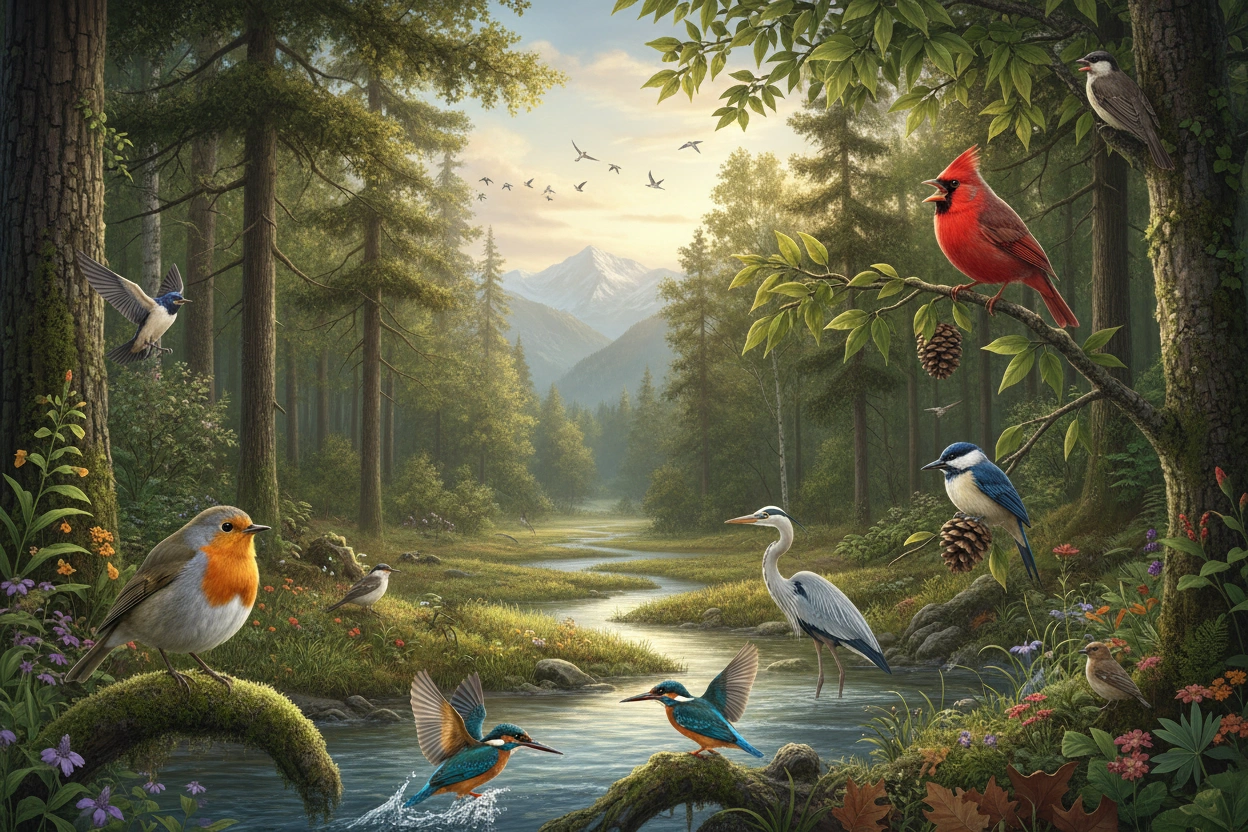
Bird habitats are diverse and vary significantly across geographical regions. Each habitat supports specific bird species, adapted to thrive in their respective environments. Understanding these habitats is crucial for conservation efforts, especially as many bird species face the threat of extinction.
Birds inhabit a variety of ecosystems, each offering unique resources and challenges. The primary types of bird habitats include:
Understanding the intricacies of these habitats can help in the conservation of endangered bird species and promote biodiversity.
Bird habitats are not just essential for the birds themselves; they play a vital role in ecological balance. Birds contribute to pest control, pollination, and seed dispersal. The loss of bird habitats can lead to significant ecological repercussions, including the decline of plant species and increased pest populations.
As of 2026, habitat loss remains one of the most significant threats to bird populations worldwide. Many species are classified as endangered due to deforestation, urbanization, and climate change. For instance, the California Condor and the Spix's Macaw are critically endangered species facing extinction primarily due to habitat destruction and human intervention.
Conservation efforts, such as habitat restoration and the establishment of protected areas, are crucial for the survival of these birds. Education and awareness about the importance of preserving bird habitats can empower individuals to take action in their communities.

Birds are fascinating creatures, and their behaviors and characteristics often surprise those who study them. Here are some unique bird facts that showcase their diversity and adaptability:
Many birds undertake long migratory journeys, traveling thousands of miles between breeding and wintering grounds. For example, the Arctic Tern holds the record for the longest migration of any animal, traveling approximately 71,000 kilometers (44,000 miles) annually between its breeding grounds in the Arctic and wintering areas in the Antarctic.
Birds exhibit remarkable adaptations that enhance their survival. The Hummingbird, for instance, can hover in mid-air due to its unique wing structure, allowing it to feed on nectar while remaining stationary. Similarly, the African Grey Parrot is known for its exceptional cognitive abilities and problem-solving skills, making it one of the most intelligent bird species.
Birdsong is an intricate form of communication among birds. Each species has distinct calls and songs that serve various purposes, such as attracting mates or defending territory. The Lyrebird, native to Australia, is particularly renowned for its ability to mimic natural and artificial sounds from its environment, including chainsaws and camera shutters.
Birds can have varying lifespans depending on their species. For example, some small songbirds may live only a few years, while larger species like the Albatross can live for over 60 years. The oldest known wild bird, a Laysan Albatross named Wisdom, was banded in 1956 and is still thriving as of 2026.

Creating a bird-friendly backyard can provide enjoyment and contribute to local bird conservation efforts. Here are some effective strategies to attract a variety of bird species to your outdoor space:
Birds need a reliable food supply throughout the year. Offering a variety of bird feeders with different types of seeds can cater to a range of species. Consider the following:
Birds seek safe places to nest and roost. To enhance your backyard's appeal:
Water is essential for birds, not just for drinking but also for bathing. Incorporate the following elements into your backyard:
To create a safe environment for birds, reduce potential hazards:
Engage your community in bird conservation efforts. Host birdwatching events or workshops to educate others about local bird species and their needs. Sharing knowledge can foster a greater appreciation for these creatures and encourage collective action in protecting their habitats.
Understanding bird facts and their habitats is crucial for fostering appreciation and promoting conservation efforts. As we have explored, birds play an integral role in our ecosystems, and their survival is intrinsically linked to the health of our environment.
Conservation initiatives, whether local or global, require the support and involvement of individuals. By educating ourselves and others about the importance of preserving bird habitats and understanding unique bird facts, we can contribute to the survival of endangered species and promote biodiversity.
The journey of exploring bird habitats and the fascinating facts about birds is just the beginning. As individuals, we have the power to create positive change in our communities. By taking small steps to attract birds to our backyards and advocating for conservation, we contribute to the greater good.
The Banana Slug Club is committed to fostering a deeper understanding of wildlife and their habitats. By joining this community, you can learn more about birds, engage in conservation activities, and connect with like-minded individuals who share your passion for nature.
To further your journey in bird conservation and to stay informed about the latest bird facts, consider joining the Banana Slug Club. Together, we can make a meaningful impact on our environment and ensure that future generations enjoy the beauty and wonder of birds.
Visit Banana Slug Club today to learn more about how you can get involved and make a difference in your community.
Get free resources, early access to new features and updates.
No spam. Just fun educational emails!


.svg)
.svg)