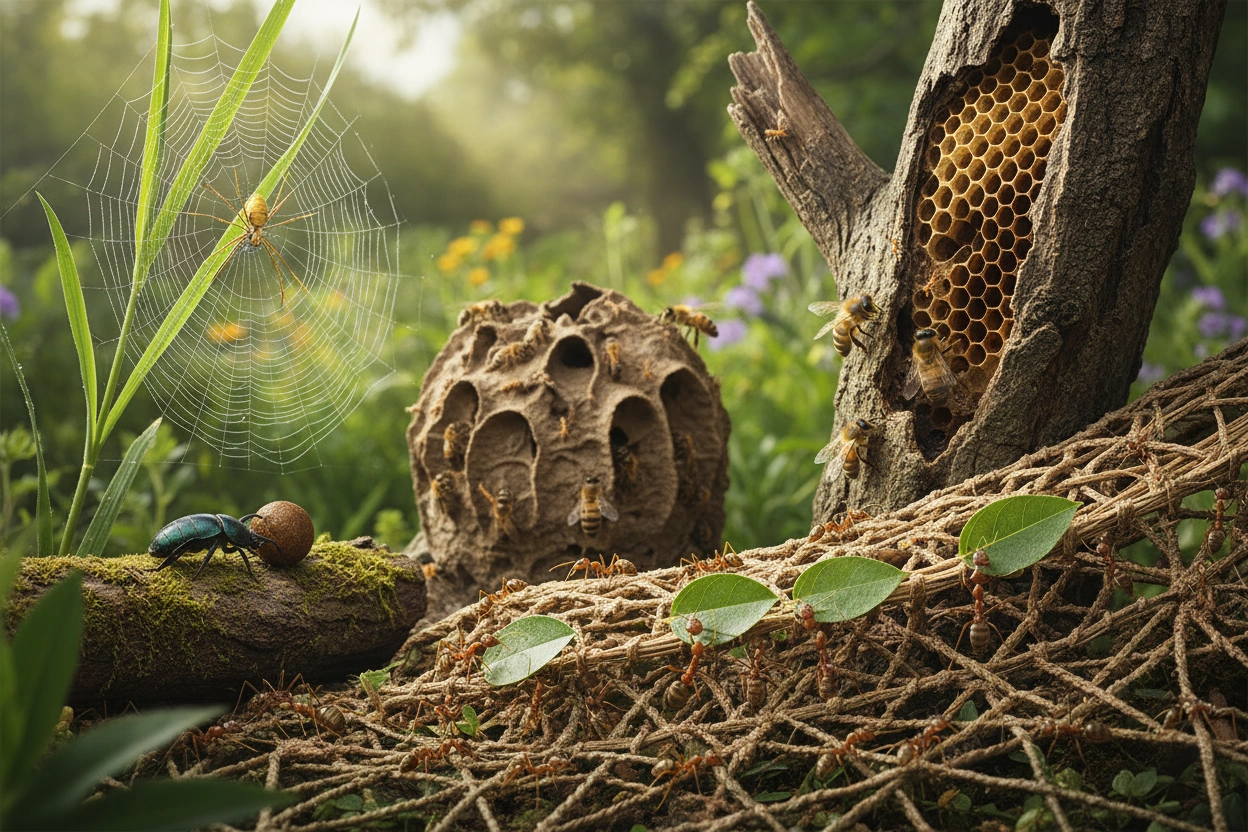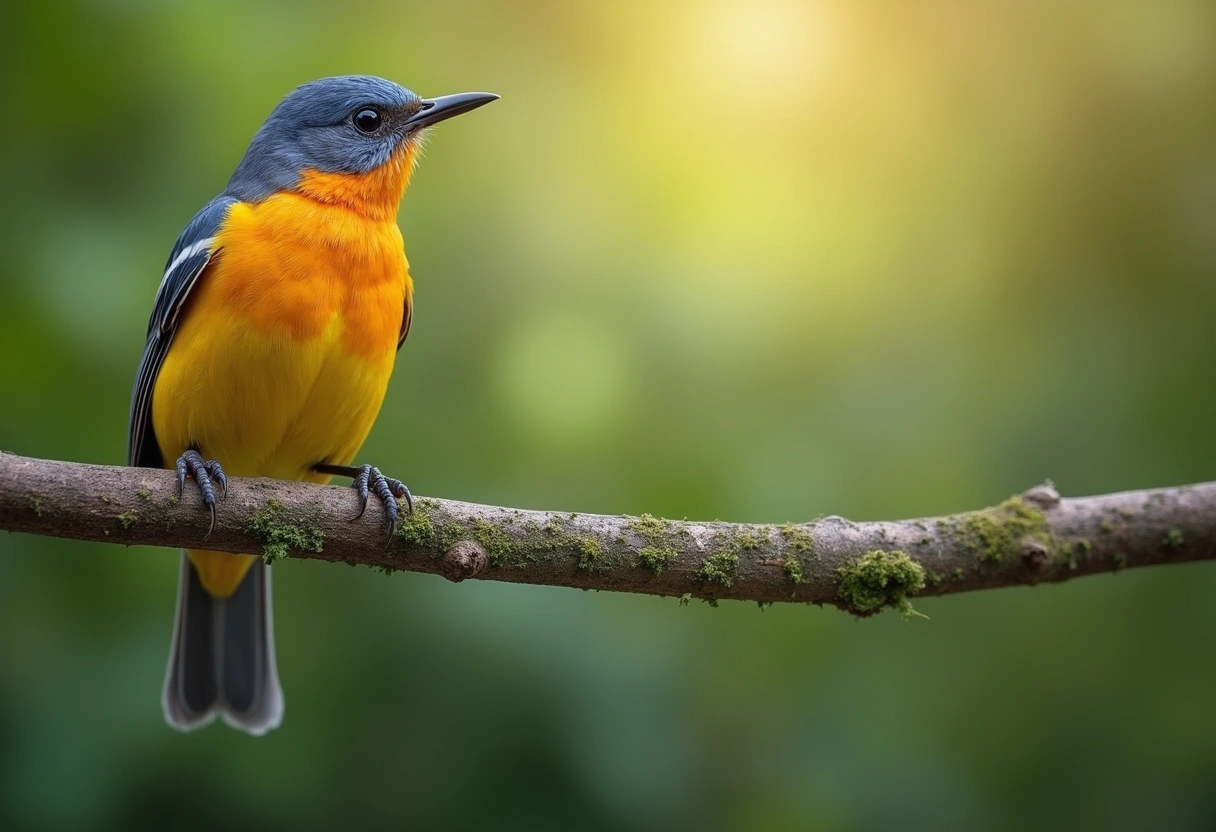
Birds are an integral part of our ecosystem, playing vital roles in pollination, seed dispersal, and pest control. However, they are facing unprecedented challenges due to habitat loss, climate change, and pollution. Understanding fascinating bird facts and engaging in conservation efforts can make a significant difference in preserving these beautiful creatures for future generations. This article will delve into fascinating bird facts, provide insights on bird species identification, and offer practical tips on how to attract more birds to your backyard.
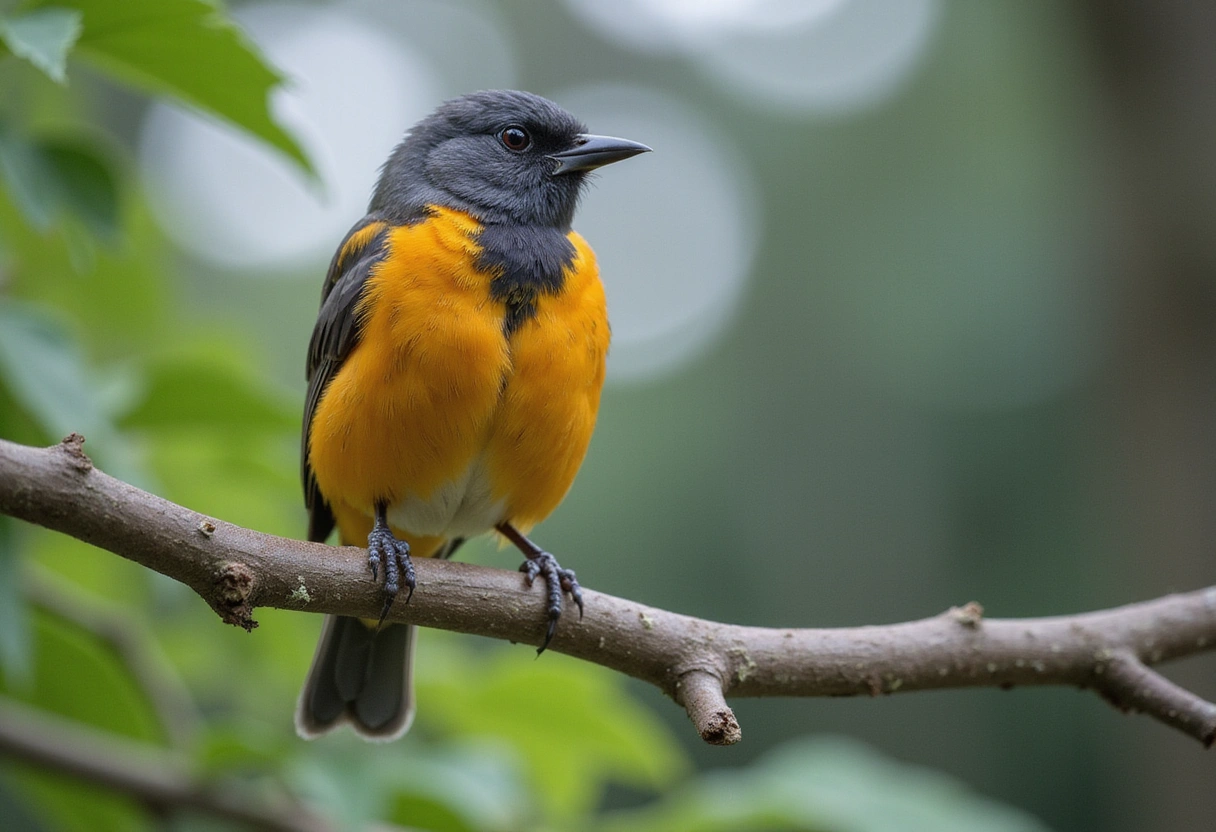
Birds are remarkable creatures, exhibiting a wide range of behaviors, adaptations, and characteristics. Here are some intriguing bird facts that highlight their diversity and importance.
Birds belong to the class Aves, which comprises over 10,000 species worldwide. They exhibit remarkable diversity in size, color, and behavior. For instance, the smallest bird, the bee hummingbird, weighs less than a penny, while the ostrich is the largest bird, reaching heights of up to nine feet.
Birds have evolved various adaptations to thrive in different environments. Their lightweight bones, feathers, and specialized respiratory systems allow them to fly efficiently. Additionally, many species have developed unique beak shapes that enable them to access specific food sources. For example, the long, slender beak of the hummingbird is perfect for extracting nectar from flowers, while the strong, hooked beak of the Bald Eagle facts is designed for tearing flesh.
Birds play critical roles in maintaining ecological balance. They contribute to pest control by consuming insects, act as pollinators for various plants, and aid in seed dispersal, which promotes plant diversity. According to a study published by the National Audubon Society, birds are responsible for dispersing seeds of over 60% of flowering plants in the Americas.
Moreover, birds serve as indicators of environmental health. Their presence or absence can signify changes in habitat quality, making them essential for monitoring ecosystem health. For instance, a decline in bird populations often points to broader environmental issues such as habitat destruction or climate change, necessitating immediate conservation efforts.
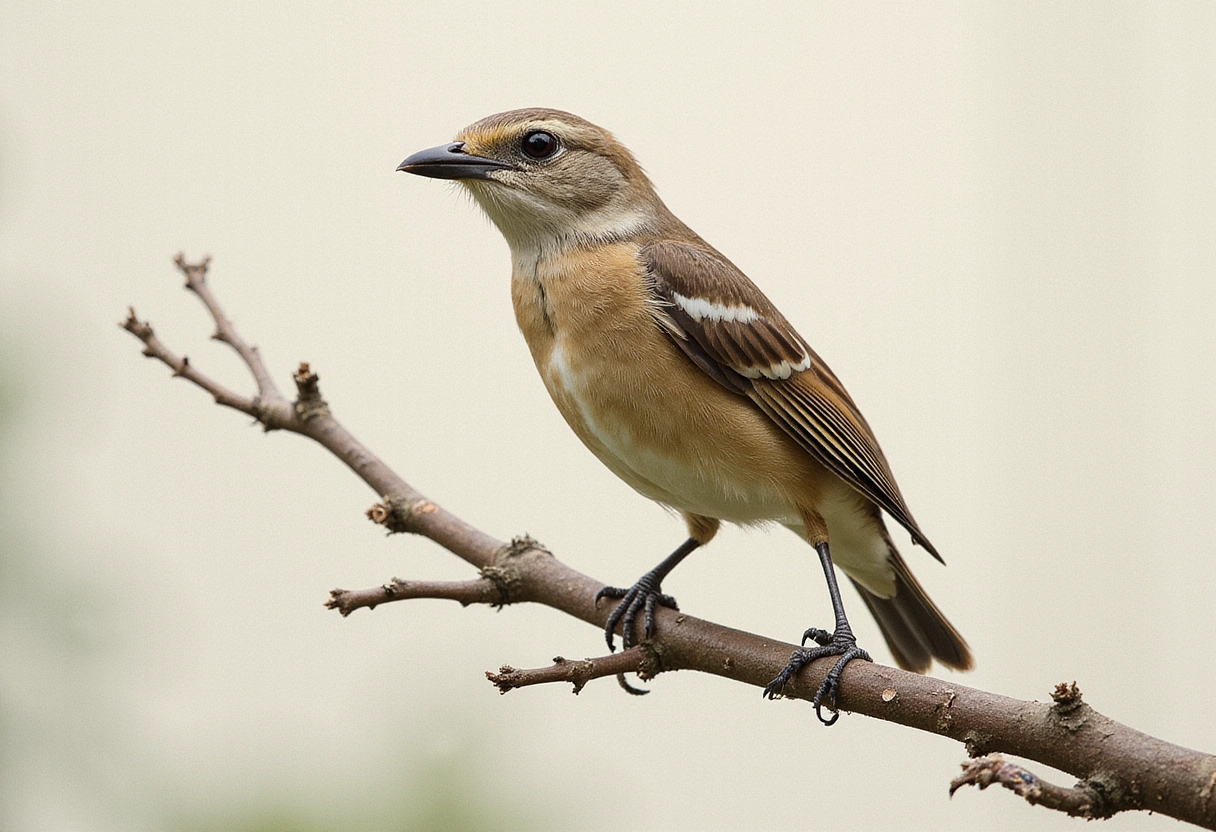
Understanding bird species identification is crucial for birdwatchers and nature enthusiasts. Identifying birds can be a rewarding experience, allowing individuals to connect with nature and contribute to citizen science initiatives.
When identifying bird species, there are several key features to observe:
Several resources can assist with bird species identification:
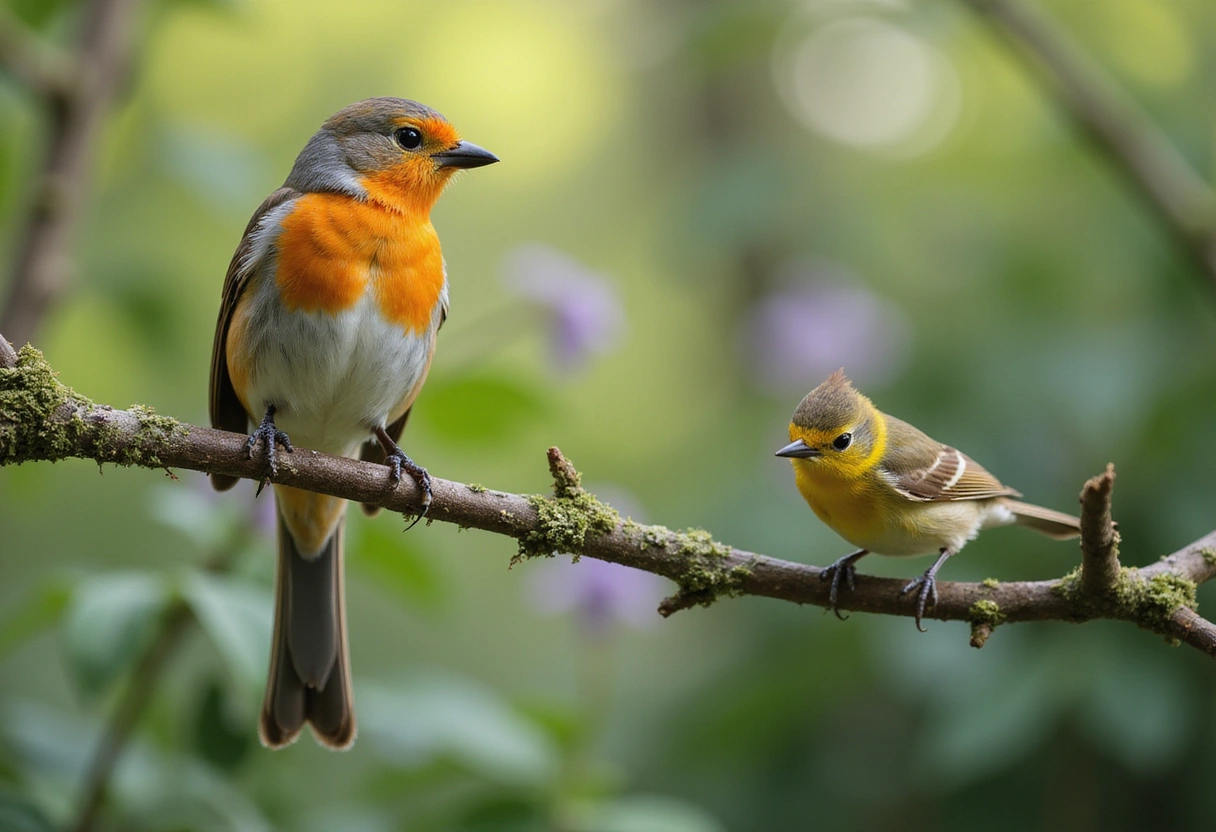
Creating a bird-friendly environment in your backyard can enhance your birdwatching experience and support local bird populations. Here are effective strategies to attract more birds to your outdoor space.
One of the most effective ways to attract birds is by providing food sources. Here are some options:
Birds need safe places to rest and nest. You can enhance your backyard's appeal by incorporating the following elements:
Reducing potential threats to birds is crucial for their survival. Consider the following strategies:
Understanding common misconceptions about birds can enhance our appreciation for these creatures and inform conservation efforts.
While birdwatching is a popular hobby, it is essential to recognize that birds are not merely for observation. They play critical ecological roles and contribute to the health of our environment. Engaging in conservation efforts can help protect their habitats and ensure their survival. raptor education
Not all bird species migrate. While many species travel long distances to find food and suitable breeding grounds, others are resident birds that remain in the same area year-round. Understanding the specific behaviors of local species can enhance your birdwatching experience and conservation efforts.
Feeding birds can actually be beneficial when done correctly. Providing food sources during harsh weather conditions can help birds survive. However, it is essential to use high-quality feed and maintain clean feeders to prevent the spread of disease.
Bird conservation is vital for maintaining biodiversity and the health of our ecosystems. Here are key reasons why conservation efforts are crucial.
Birds are a significant component of global biodiversity. Protecting bird species helps maintain the balance of ecosystems and supports the survival of other wildlife. Conservation initiatives can prevent the extinction of vulnerable species and promote healthy populations.
Birds are affected by climate change, which alters their habitats and food sources. Conservation efforts can help mitigate these impacts by restoring habitats and promoting sustainable practices. For instance, preserving wetlands can enhance carbon sequestration and support various bird species.
Engaging communities in bird conservation fosters a sense of stewardship and responsibility towards the environment. Educational programs can raise awareness about the importance of birds and inspire individuals to take action in their local areas.
As we explore the fascinating world of bird facts and the importance of conservation, it's clear that we all have a role to play in protecting these incredible creatures. Understanding bird species identification and implementing strategies to attract birds to our backyards are just the beginning.
Banana Slug Club is dedicated to educating nature enthusiasts, students, and children about the wonders of the natural world, including birds. Our resources and programs help foster a deeper appreciation for wildlife and encourage active participation in conservation efforts.
We invite you to visit our website for more information on bird facts, conservation initiatives, and how you can get involved. Together, we can make a positive impact on the future of bird populations and our ecosystems. Whether you are a seasoned birdwatcher or a curious student, there is always something new to learn about the world of birds. Join us in celebrating and protecting our feathered friends!
Get free resources, early access to new features and updates.
No spam. Just fun educational emails!


.svg)
.svg)