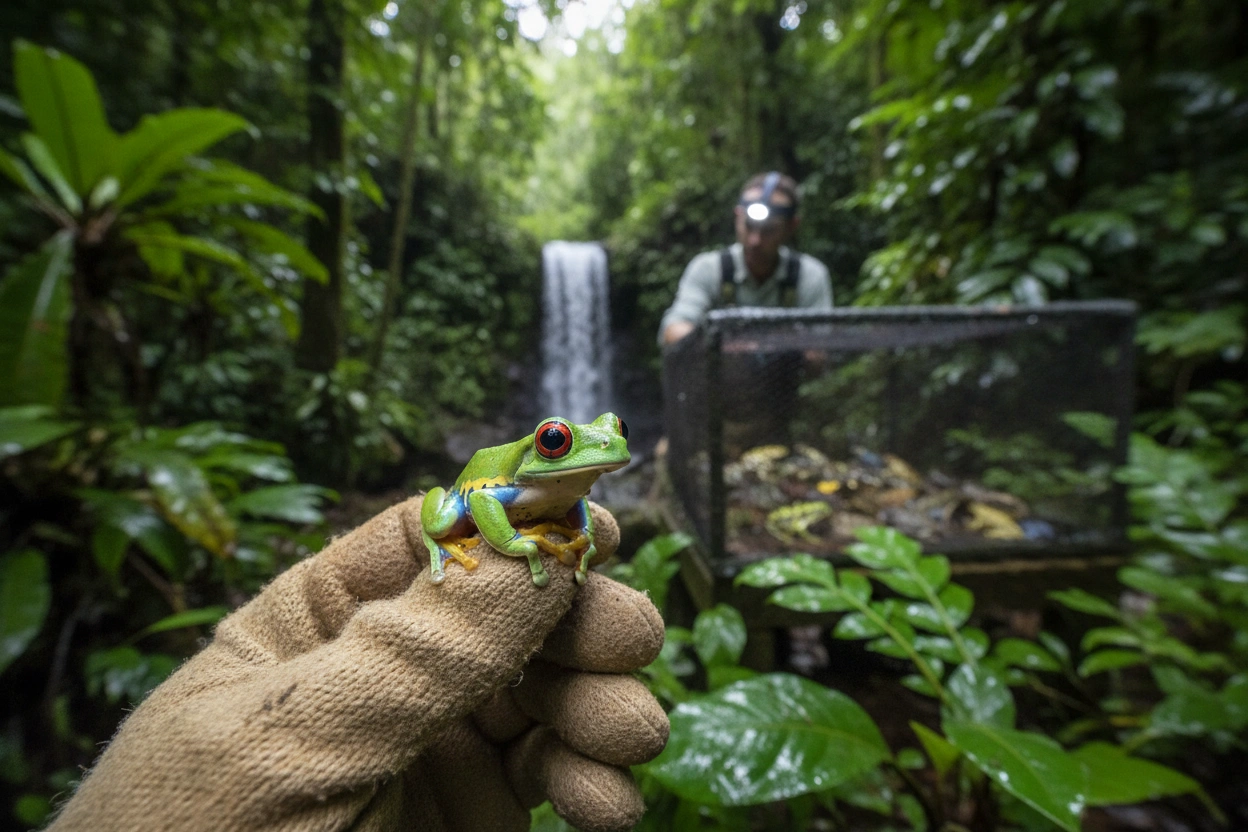
Amphibians are a vital component of our ecosystem, often serving as indicators of environmental health. Unfortunately, many species are facing extinction due to habitat loss, climate change, and pollution. In this article, we will delve into the world of amphibian conservation, exploring the critical habitats that support these fascinating creatures and discussing the strategies necessary to protect them.
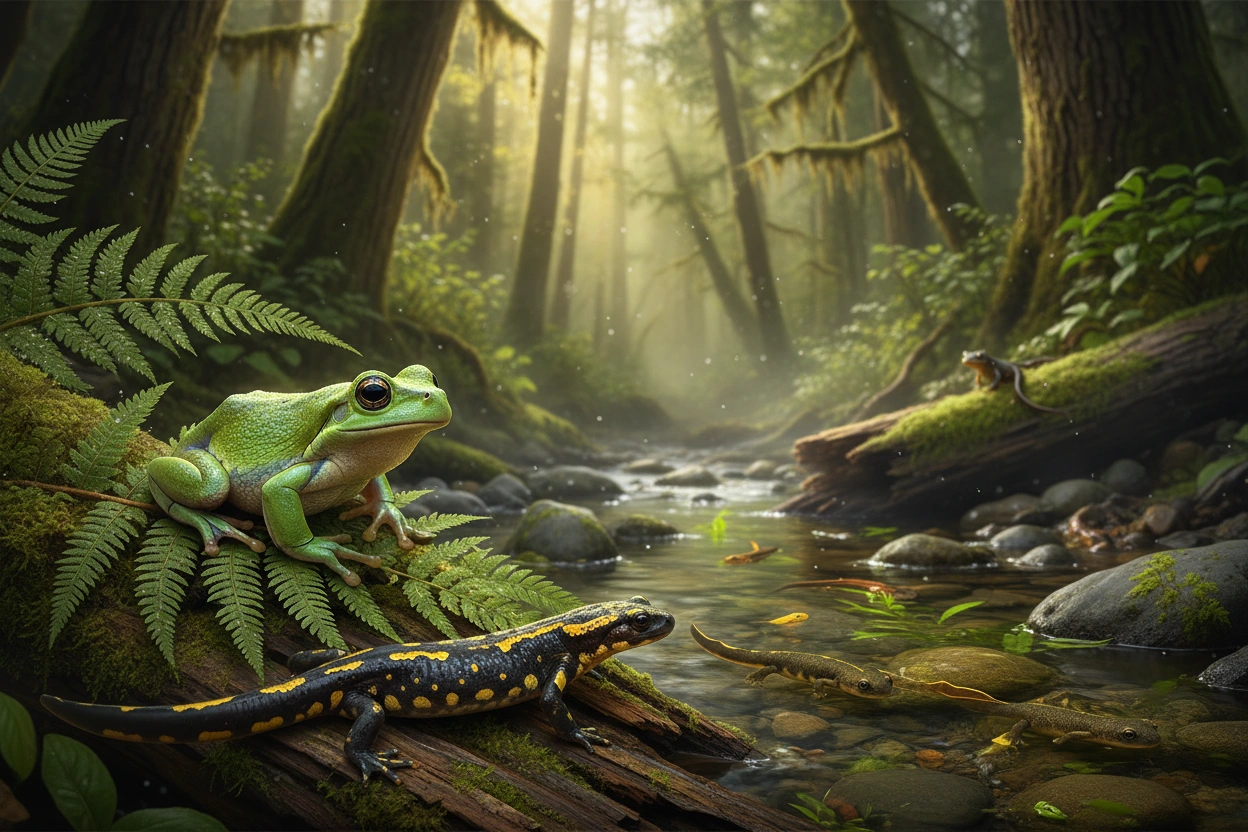
Amphibians, which include frogs, toads, salamanders, and newts, are unique in their ability to thrive both in water and on land. They play essential roles in various ecosystems, including pest control, pollination, and serving as food for other wildlife. Their permeable skin makes them particularly sensitive to environmental changes, making them excellent bioindicators for assessing ecosystem health.
Pest Control: Amphibians consume a significant number of insects, helping to maintain balanced ecosystems. For instance, a single frog can eat thousands of insects in its lifetime, reducing pest populations that can affect agriculture.
Nutrient Cycling: Through their feeding habits, amphibians contribute to nutrient cycling within ecosystems. As they consume organic material and then excrete waste, they return essential nutrients to the soil and water, promoting plant growth.
Food Source: Amphibians are a crucial food source for many animals, including birds, mammals, and reptiles. Their presence in an ecosystem supports the entire food web, highlighting their importance in maintaining biodiversity.
Amphibians are facing unprecedented threats, leading to alarming declines in their populations. Some of the most significant threats include:
Habitat Destruction: Urbanization, agriculture, and deforestation are major contributors to habitat loss. Wetlands, which are crucial for many amphibian species, are particularly vulnerable.
Climate Change: Changes in temperature and precipitation patterns can disrupt breeding cycles and habitat availability. For example, altered rainfall can lead to droughts that dry up breeding ponds.
Pollution: Pesticides and pollutants can have lethal effects on amphibians, disrupting their reproductive systems and leading to population declines.
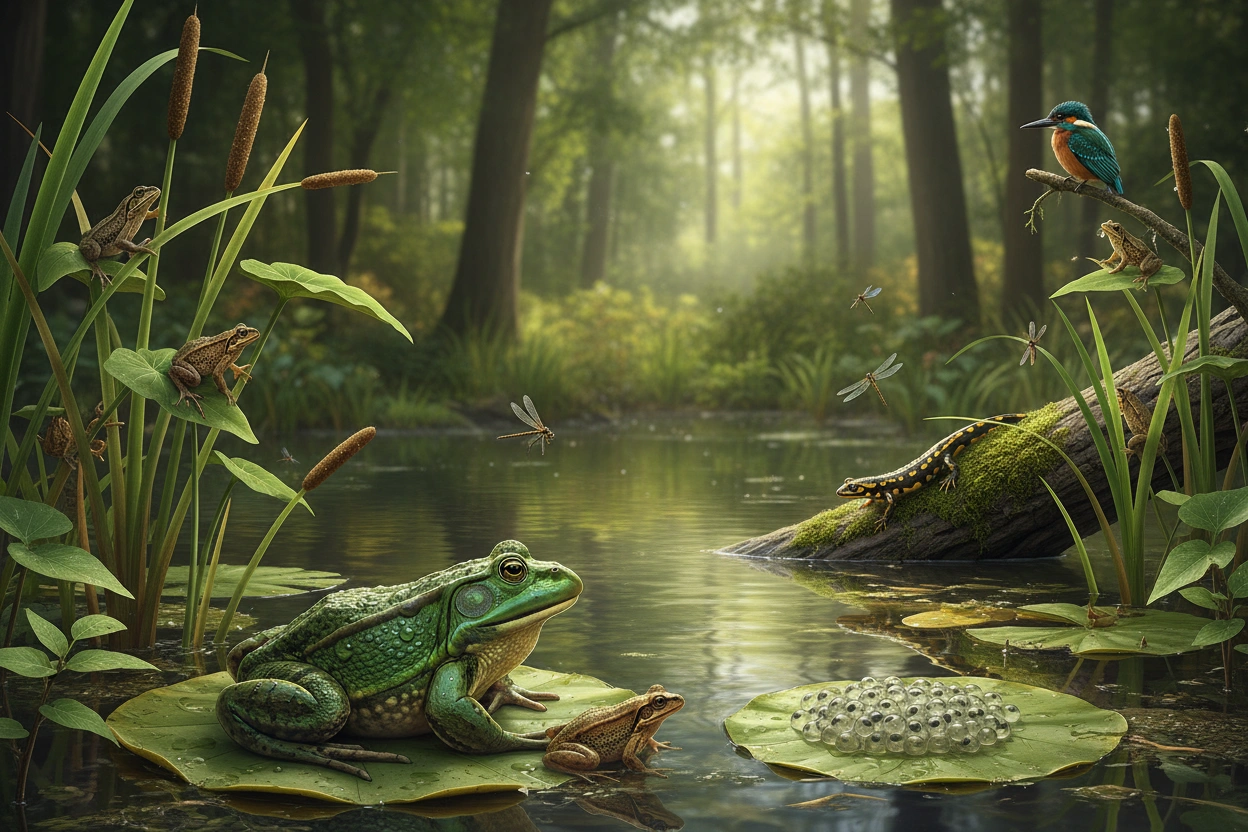
Amphibians thrive in diverse habitats, each offering unique conditions that support their life cycles. Understanding these habitats is critical for effective conservation efforts.
Freshwater Ecosystems: Ponds, lakes, and streams are essential for amphibians, particularly during breeding seasons. Many species rely on these bodies of water for laying eggs and for the development of their larvae.
Terrestrial Habitats: Forests, grasslands, and wetlands provide the necessary cover and moisture that amphibians need to survive. These areas serve as foraging grounds and safe havens from predators.
Urban Areas: Surprisingly, some amphibians have adapted to urban environments, finding niches in parks, gardens, and even stormwater retention ponds. However, urban habitats often come with challenges such as pollution and habitat fragmentation.
To support amphibian populations, habitats must have certain features:
Water Quality: Clean, unpolluted water is crucial for breeding and the health of amphibian larvae. Regular monitoring of water quality can help identify potential threats.
Vegetation: Dense vegetation provides cover and breeding sites. Native plants are particularly beneficial as they support local insect populations, which serve as food for amphibians.
Connectivity: Habitats must be interconnected to allow for migration and genetic exchange among populations. Wildlife corridors can help facilitate this movement, reducing the risks of isolation.
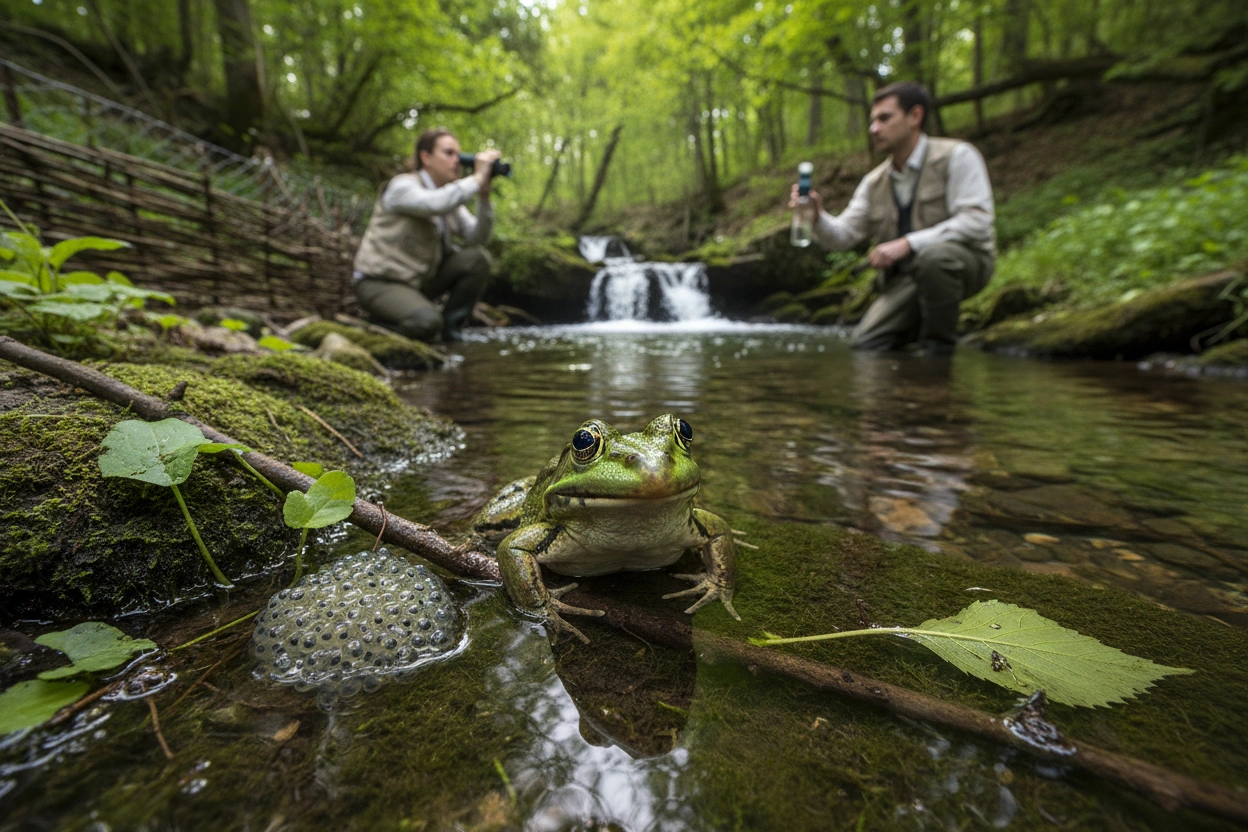
Conserving amphibians requires a multifaceted approach that combines habitat protection, community engagement, and scientific research. Here are some effective strategies:
Establish Protected Areas: Creating reserves and protected areas can safeguard critical habitats from development and pollution. These areas should be strategically located to include diverse ecosystems.
Restoration Projects: Implementing habitat restoration projects can help revive degraded ecosystems. This may involve re-establishing wetlands, removing invasive species, and replanting native vegetation.
Sustainable Land Use Practices: Encouraging sustainable agricultural and urban development practices can minimize habitat destruction. Techniques such as agroforestry and low-impact development can benefit both amphibians and human communities.
Public Awareness Campaigns: Educating the public about the importance of amphibians and the threats they face can foster community support for conservation efforts. Engaging storytelling and local events can make a significant impact.
Citizen Science Initiatives: Involving local communities in monitoring amphibian populations can provide valuable data for researchers. Programs that encourage people to report sightings or participate in surveys can enhance conservation efforts.
School Programs: Integrating amphibian education into school curricula can inspire the next generation to value and protect these species. Hands-on activities, such as field trips to local habitats, can enhance learning experiences.
Population Studies: Conducting regular population assessments can help track the health of amphibian populations. This data is essential for identifying trends and informing conservation strategies.
Disease Monitoring: Amphibians are susceptible to diseases such as chytridiomycosis, which has devastated many populations. Ongoing research into disease dynamics can help develop effective management strategies.
Climate Impact Studies: Understanding how climate change affects amphibians is critical for developing adaptive conservation strategies. Researching the resilience of different species can inform future conservation actions.
Despite increasing awareness, several misconceptions about amphibian conservation persist. Addressing these misunderstandings is crucial for fostering effective conservation efforts.
Some may perceive amphibians as unimportant or insignificant in the grand scheme of biodiversity. However, their roles in ecosystems underscore their importance. Their decline can have cascading effects on other species and ecosystems.
While scientific research is vital, conservation efforts can and should involve everyone. Community engagement, education, and citizen science initiatives show that individuals can make a meaningful impact.
Amphibians are a diverse group with varying needs and adaptations. Conservation strategies must be tailored to specific species and their unique habitats to be effective.
The future of amphibian conservation hinges on our collective efforts to understand, protect, and restore their habitats. By implementing comprehensive strategies that involve habitat protection, community engagement, and scientific research, we can work towards a sustainable future for these essential creatures.
Use of Technology: Advancements in technology, such as remote sensing and environmental DNA sampling, can enhance monitoring efforts and provide insights into amphibian populations.
Collaboration Across Sectors: Partnerships between government agencies, non-profits, and local communities can amplify conservation efforts. Collaborative initiatives can pool resources and expertise for more effective outcomes.
Adaptive Management: Conservation strategies should be flexible and responsive to changing conditions. Regularly reviewing and adapting management plans based on new data can improve success rates.
Understanding the significance of amphibians and their conservation is essential for fostering a culture of environmental stewardship. The Banana Slug Club is committed to raising awareness about amphibians and promoting conservation efforts that protect these remarkable species.
As we explore amphibian conservation, we recognize the importance of community involvement in protecting these creatures. The knowledge gained about their habitats and the threats they face can empower individuals to take action, whether through advocacy, education, or active participation in conservation projects.
By joining the Banana Slug Club, individuals can connect with like-minded enthusiasts and contribute to ongoing efforts to protect amphibians and their habitats. Together, we can make a difference in the lives of these extraordinary animals and ensure their survival for generations to come.
For more information on how you can get involved, visit Banana Slug Club and discover the many ways you can contribute to amphibian conservation.
Get free resources, early access to new features and updates.
No spam. Just fun educational emails!


.svg)
.svg)