The world of crustaceans offers a fascinating glimpse into the diversity of marine life. As we step into 2026, enthusiasts are eager to explore the latest trends, tools, and techniques that can enhance their understanding and appreciation of these remarkable creatures. From shrimp to crabs, lobsters to crayfish, the variety of crustaceans provides a rich field for study and enjoyment. This article will delve into the current trends in crustaceans, offer practical tips for enthusiasts, and address common mistakes made in this exciting hobby.
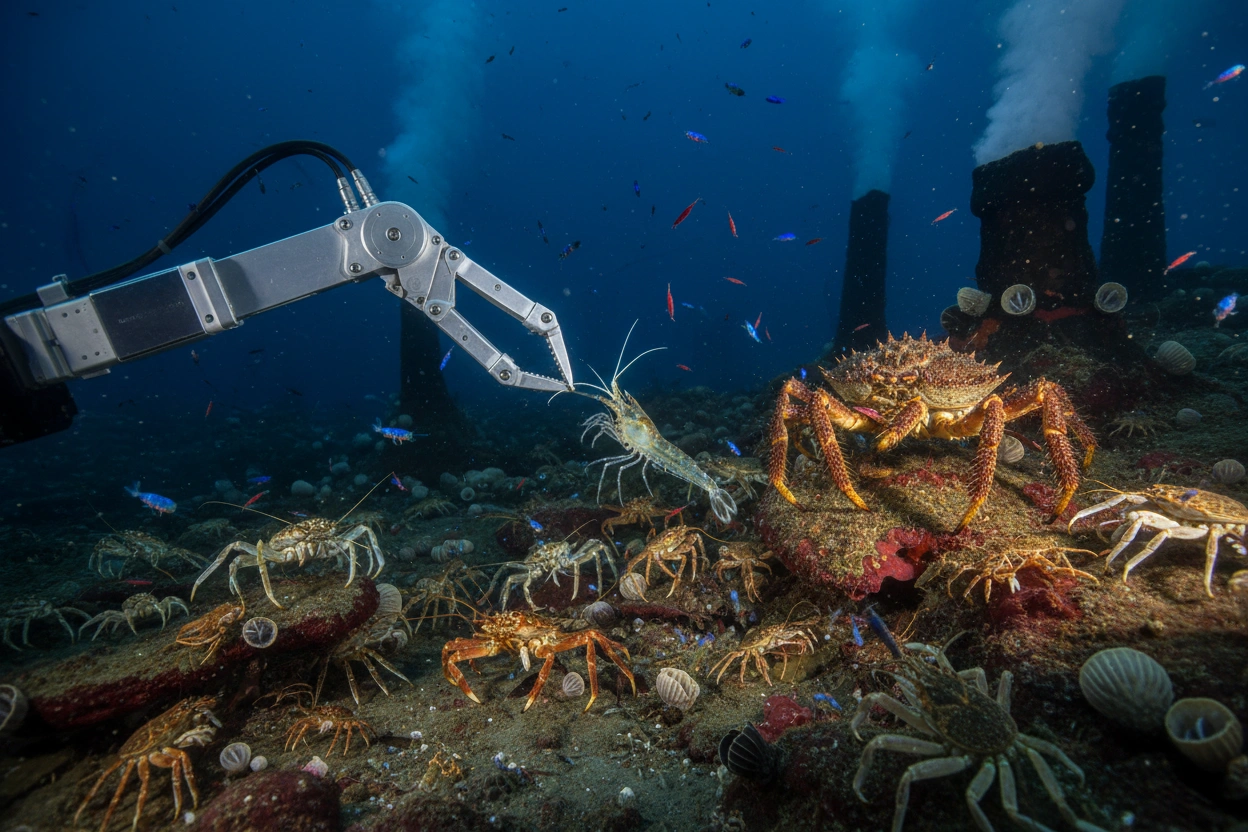
As of 2026, the study and appreciation of crustaceans have evolved significantly, driven by advancements in technology and increased environmental awareness. Understanding these trends is crucial for enthusiasts looking to deepen their knowledge and engagement with crustaceans.
The push for sustainability is reshaping the way crustaceans are harvested. Enthusiasts are now more aware of the ecological impacts of overfishing and are advocating for responsible sourcing. This shift is not only beneficial for the environment but also enhances the quality of crustaceans available for consumption. Fun animal facts.
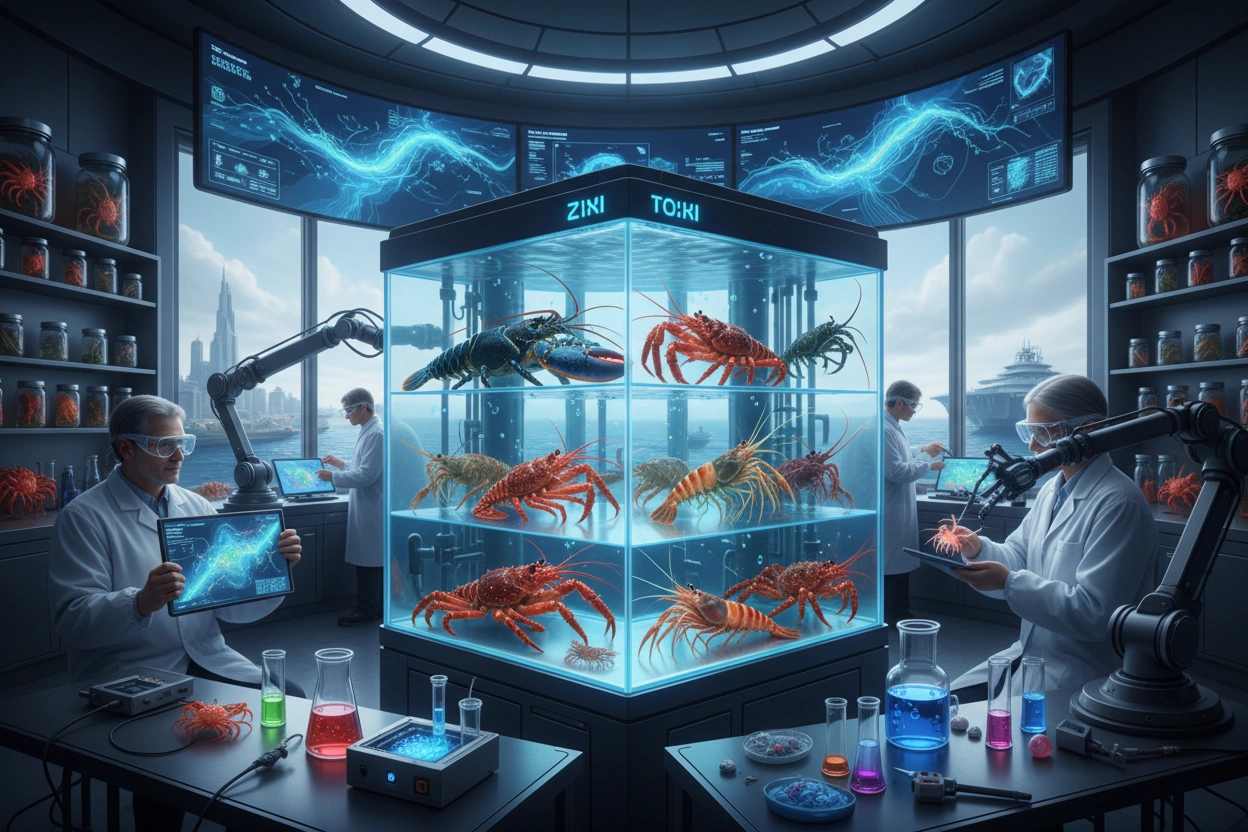
The integration of technology in crustacean research is transforming how enthusiasts engage with these species. From advanced monitoring systems to genetic studies, technology is providing insights that were previously unimaginable.
As interest in crustaceans grows, so does the emphasis on community engagement and education. Enthusiasts are increasingly participating in local conservation efforts and educational programs.
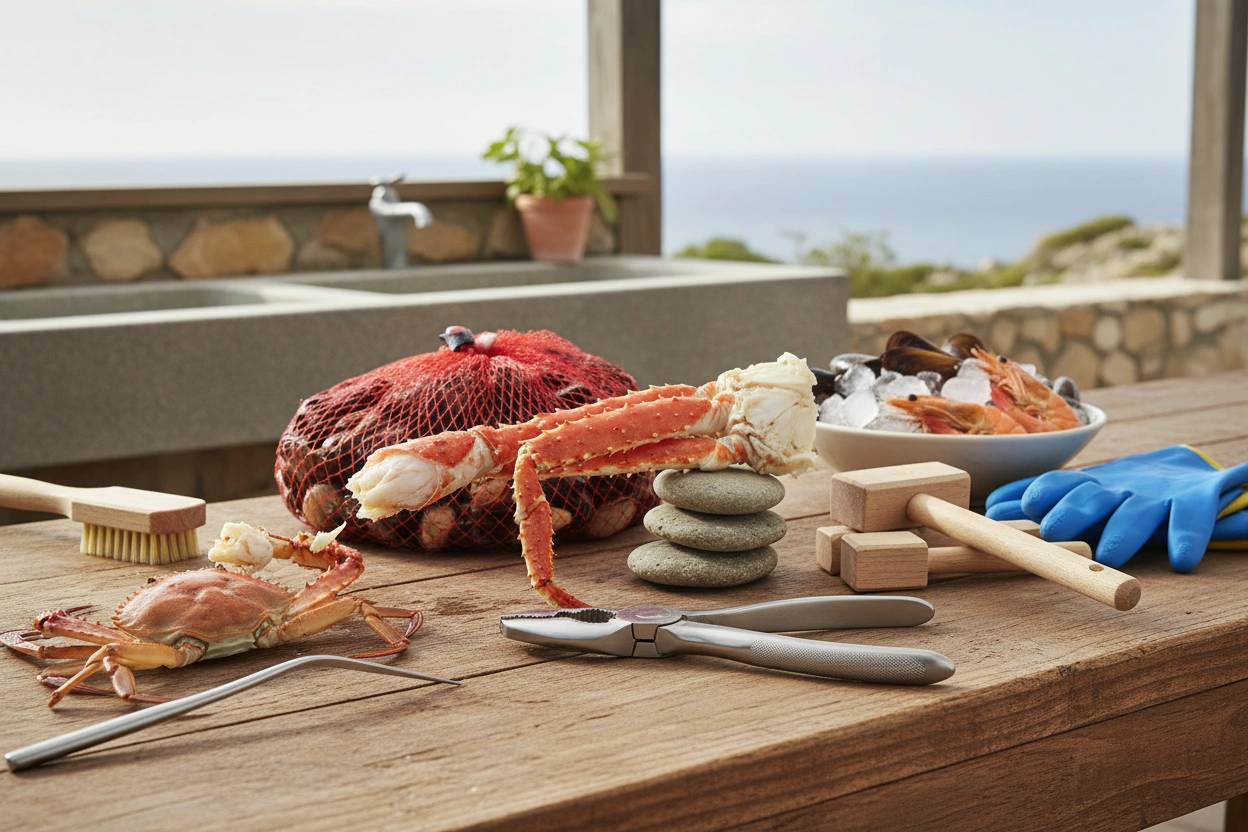
Engaging with crustaceans, whether for research, cooking, or simply appreciation, requires the right tools and techniques. Here, we outline some essential resources and practices that can enhance your crustacean experience.
To effectively observe and study crustaceans, enthusiasts should equip themselves with the right tools. The following items are invaluable for anyone interested in exploring crustacean habitats:
For those interested in harvesting crustaceans, whether for personal use or study, employing effective techniques is vital. Here are some strategies to consider:
In addition to tools and techniques, there are several practical tips that enthusiasts can implement to enhance their crustacean experience:
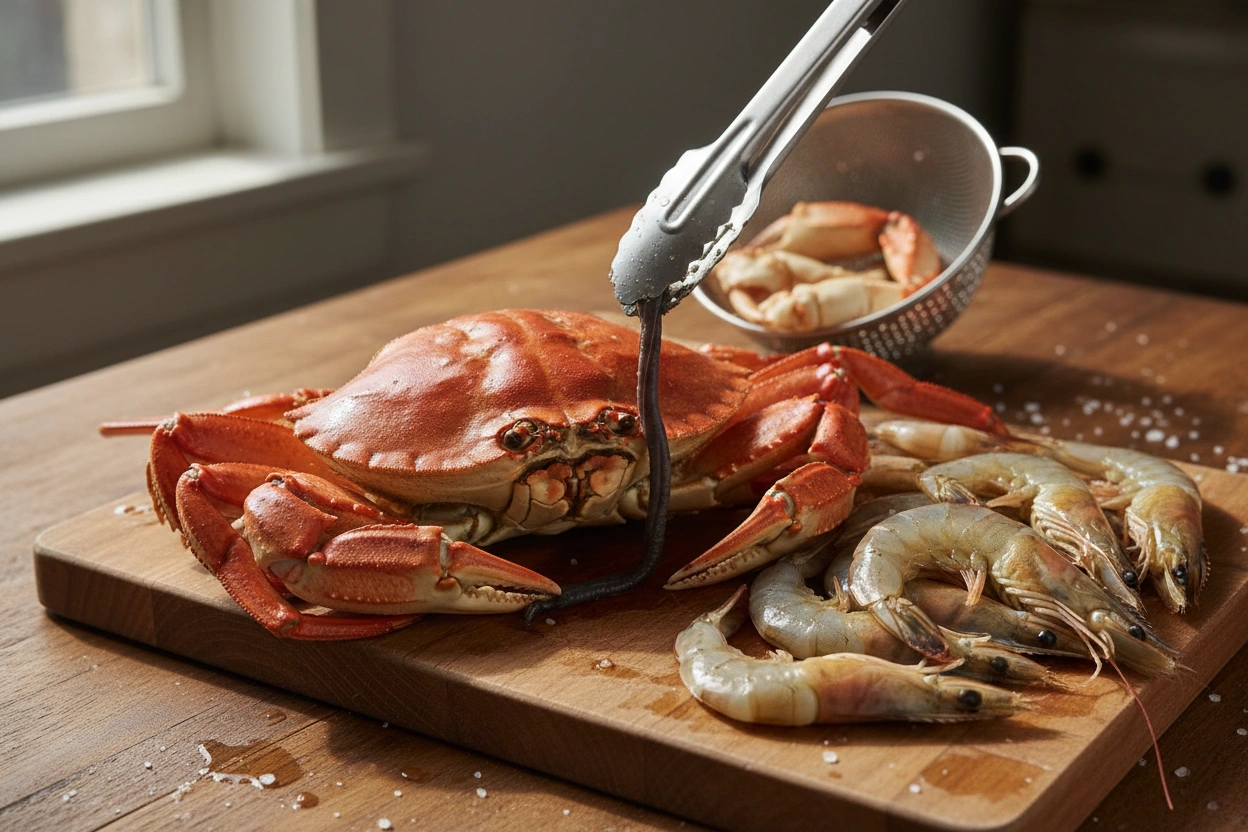
Despite the enthusiasm surrounding crustaceans, many beginners and even experienced enthusiasts can make common mistakes. Understanding these pitfalls is essential for successful engagement with these fascinating creatures.
One of the most significant mistakes is failing to adhere to local regulations regarding crustacean harvesting. Each region has specific rules designed to protect populations and habitats. Ignoring these regulations can lead to legal repercussions and negatively impact the ecosystem.
Misidentifying crustacean species can lead to incorrect harvesting practices and potential ecological harm. Beginners often confuse similar-looking species, which can have different habitat needs and conservation statuses. It is crucial to use reliable field guides and, when in doubt, consult local experts.
Crustaceans are sensitive to changes in their environment. Failing to monitor habitat conditions, such as water quality and temperature, can lead to poor outcomes for both the crustaceans and the enthusiast's efforts. Regularly assessing these conditions can help ensure a thriving environment for crustaceans.
Crustaceans can be delicate and sensitive to stress. Mishandling them during harvesting or observation can cause injury or death. Enthusiasts should familiarize themselves with proper handling techniques to minimize stress and ensure the well-being of the creatures.
Many enthusiasts overlook the importance of sustainability in their engagement with crustaceans. Failing to adopt sustainable harvesting practices can contribute to the decline of local populations. It is vital to prioritize sustainability in all crustacean-related activities, from harvesting to consumption.
As we explore the trends and techniques surrounding crustaceans in 2026, it becomes clear that community engagement plays a pivotal role in fostering a deeper appreciation for these remarkable creatures. By participating in local initiatives and educational programs, enthusiasts can contribute to the conservation of crustacean populations while enhancing their own knowledge and experience.
Banana Slug Club is dedicated to supporting enthusiasts in their journey to understand and engage with crustaceans. Through community events, educational resources, and expert insights, we aim to empower individuals to make informed decisions regarding crustaceans and their habitats.
If you're passionate about crustaceans and want to deepen your engagement with these incredible creatures, consider reaching out to us. Visit Banana Slug Club to learn more about our initiatives and how you can get involved. Together, we can make a difference in the world of crustaceans and ensure their future for generations to come.
Get free resources, early access to new features and updates.
No spam. Just fun educational emails!


.svg)
.svg)