The world of reptiles is as diverse as it is fascinating. These unique creatures require specific care and attention to thrive, and one of the most critical aspects of reptile care is their diet. Understanding what to feed your reptiles can significantly impact their health, longevity, and overall well-being. In this article, we will explore essential tips for feeding your reptiles, focusing on diet essentials and the importance of proper nutrition in various reptile habitats.

Feeding your reptiles the correct diet is paramount for their health and vitality. Unlike mammals, reptiles are ectothermic, meaning their metabolic processes are influenced by environmental temperatures. Thus, the dietary needs of reptiles vary widely depending on their species, age, and habitat.
Reptiles have distinct nutritional requirements that must be met to ensure their health. These requirements can generally be categorized into three main areas: proteins, carbohydrates, and fats.
Different types of reptiles have varying dietary needs based on their natural habitats and biological makeup. Here’s a breakdown of dietary essentials for common reptile types:
Herbivorous reptiles, such as iguanas and giant tortoises, thrive on a diet rich in plant material. Their diet should consist primarily of:
A well-balanced herbivore diet should include a variety of these foods to ensure they receive essential vitamins and minerals.
Carnivorous reptiles, like many snakes and some lizards, require a diet high in animal proteins. Their diet typically consists of:
It is essential to feed these reptiles appropriately sized prey to avoid choking or digestive issues.
Omnivorous reptiles, such as bearded dragons, need a balanced mix of both plant and animal matter. Their diet should include:
A well-rounded omnivorous diet will ensure that these reptiles receive the necessary nutrients for optimal health.
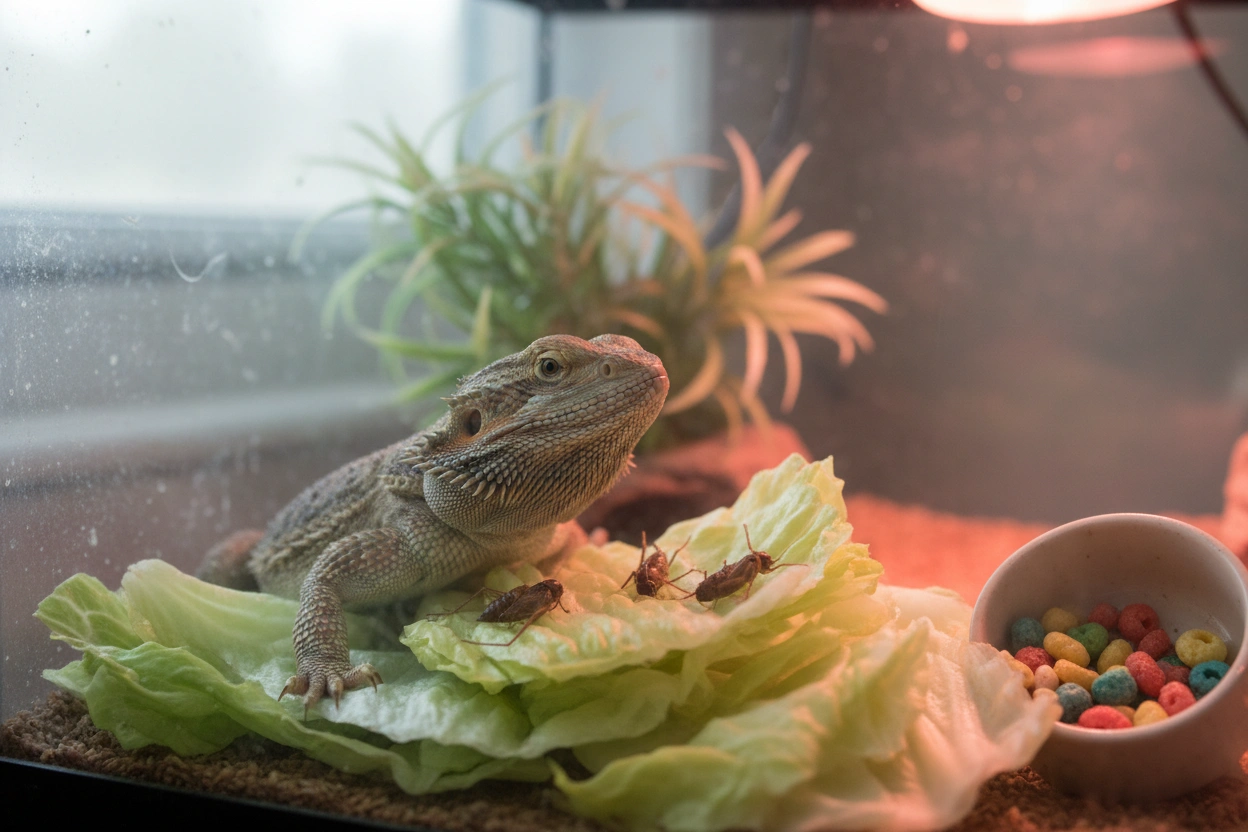
Even seasoned reptile owners can make mistakes when it comes to feeding their pets. Understanding these common pitfalls can help ensure your reptile receives the best care possible.
One of the most common mistakes is misjudging portion sizes. Overfeeding can lead to obesity, while underfeeding can result in malnutrition. To avoid these issues:
Feeding reptiles a monotonous diet can lead to nutritional deficiencies. A lack of variety can result in health problems over time. To ensure your reptile receives a balanced diet:
Many reptiles require additional vitamins and minerals to stay healthy, especially if their diet lacks certain nutrients. Neglecting supplements can lead to serious health issues. To avoid this mistake:
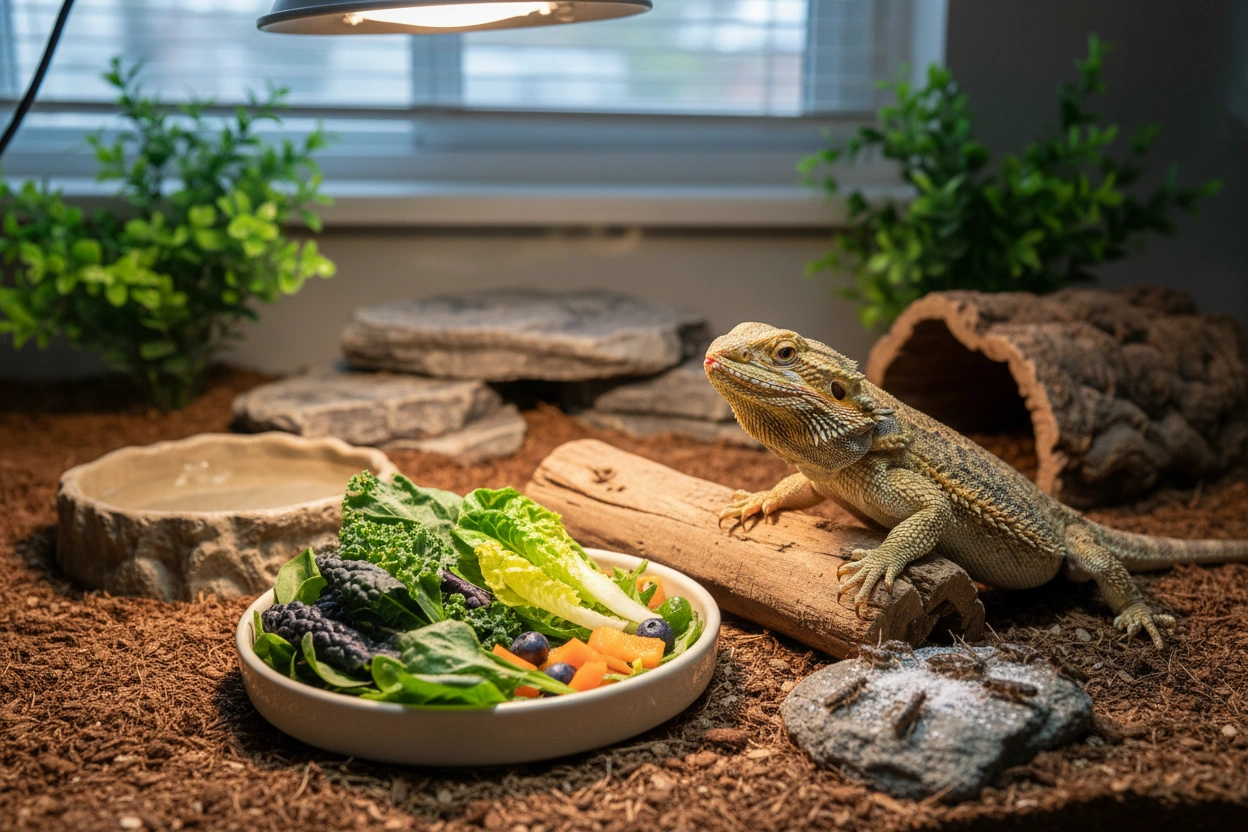
Developing a balanced diet for your reptile is not only about what to feed them but also how to present the food. Here are some strategies for creating a nutritious feeding regimen:
Preparing meals for your reptiles can be straightforward, but there are some best practices to follow:
The frequency and timing of feeding can vary depending on the age and species of your reptile. Here’s a general guideline:
The habitat in which your reptile lives greatly influences its dietary habits. Ensuring the right environmental conditions will help your reptile digest its food properly. Here are some essential habitat considerations:
While diet is crucial for your reptile's health, hydration is equally important. Many reptiles can become dehydrated quickly, leading to severe health complications. Here are some hydration tips:
Understanding the signs of dehydration can help you respond promptly. Look for:
If you notice any of these signs, consult with a veterinarian immediately to address potential health issues.
Consulting with a veterinarian who specializes in reptiles is an invaluable part of ensuring your pet's health. Regular check-ups can help identify potential dietary deficiencies and health concerns before they become serious problems. Here are some benefits of veterinary consultations:
Being part of the reptile community can enhance your understanding of reptile care and diet. Engaging with other reptile enthusiasts can provide valuable insights and support. Here are some ways to connect:
As you explore the essential diet tips for your reptiles, remember that the right resources can significantly enhance your pet's life. The Banana Slug Club is dedicated to providing information and tools that support reptile care, ensuring your companion thrives in a healthy habitat.
By understanding the dietary needs of your reptiles and implementing these tips, you can help your companion lead a healthy, fulfilling life. The proper diet, combined with a suitable habitat and regular veterinary care, will set the foundation for a long-lasting bond with your reptile.
If you're eager to learn more about reptile care or need assistance in applying what you've learned, don't hesitate to reach out. Visit Banana Slug Club for comprehensive resources, expert advice, and a community that shares your passion for reptiles.
By prioritizing the dietary needs of your reptiles, you are investing in their health and happiness. With the right information and support from Banana Slug Club, you can ensure your reptile thrives.
Get free resources, early access to new features and updates.
No spam. Just fun educational emails!


.svg)
.svg)