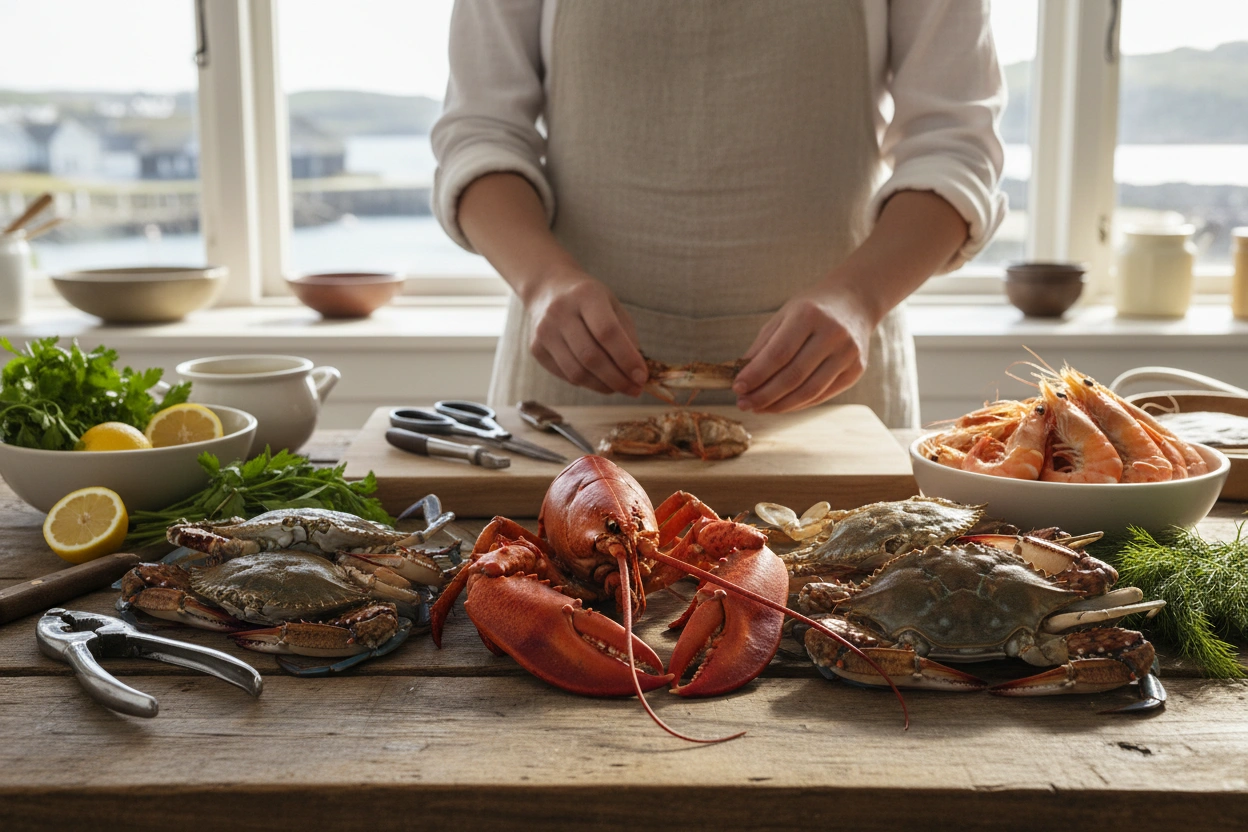
Crustaceans are often overlooked in discussions about marine ecosystems, yet they play a vital role in maintaining ecological balance. Learn all about Crustaceans. From their contributions to nutrient cycling to their role as a food source for larger predators, crustaceans are essential for the health of aquatic environments. This article delves into the myriad benefits of crustaceans for ecosystem health, highlighting their ecological significance and exploring current trends and the future of these fascinating creatures.

Crustaceans, which include species such as crabs, lobsters, shrimp, and krill, are a diverse group of aquatic arthropods. They inhabit various environments, from freshwater lakes to the deep sea. Their contributions to ecosystem health are multifaceted, making them indispensable for biodiversity and ecological stability.
One of the primary roles of crustaceans in ecosystem health is their ability to recycle nutrients. They feed on detritus and decomposing organic matter, breaking it down into smaller particles that can be utilized by microorganisms. This process enhances nutrient availability in the water column, fostering a productive environment for phytoplankton and other primary producers.
Moreover, crustaceans such as burrowing shrimp and crabs disturb sediments as they move and forage. This disturbance increases oxygen levels in the sediment and promotes the breakdown of organic materials. The result is a healthier benthic environment that supports diverse life forms.
Crustaceans serve as a critical link in food webs, providing sustenance for a variety of species. They are a primary food source for fish, marine mammals, and seabirds, ensuring energy transfer through the trophic levels. The abundance and health of crustacean populations directly influence the health of predator species and, consequently, the overall structure of marine ecosystems.
In addition to their role as prey, crustaceans also compete with other species for food resources, influencing community dynamics. Their presence can help regulate the populations of other organisms, contributing to a balanced ecosystem.

As climate change continues to affect marine environments, the impacts on crustacean populations and their roles in ecosystems are becoming increasingly evident. Changes in temperature, salinity, and ocean acidification can significantly affect crustacean physiology and behavior.
Rising ocean temperatures can alter the distribution of crustacean species. Many species are migrating to cooler, deeper waters or towards the poles, seeking suitable habitats. This shift can disrupt existing food webs and lead to the decline of certain predator species that rely on these crustaceans for food.
Research indicates that species such as the North Atlantic lobster are experiencing changes in their breeding patterns and habitat preferences due to warmer waters, which can have cascading effects on the ecosystems they inhabit.
Increased carbon dioxide emissions are leading to ocean acidification, which poses a significant threat to crustaceans. Many species rely on calcium carbonate to form their shells, and lower pH levels can hinder their ability to do so. This vulnerability affects their survival rates, growth, and reproductive success, ultimately impacting the entire marine food web.
Studies show that crustaceans exposed to acidified conditions exhibit slower growth rates and reduced reproductive output. These changes can lead to population declines, further destabilizing marine ecosystems and altering predator-prey dynamics.

Understanding the importance of crustaceans has led to increased research and management efforts aimed at protecting these species and their habitats. Recent trends indicate a growing recognition of their ecological roles and the need for sustainable practices.
The overfishing of crustacean species poses a significant threat to their populations and the ecosystems they support. Sustainable fisheries management is crucial to ensure the long-term viability of crustacean stocks. This includes implementing catch limits, protecting critical habitats, and monitoring population health.
Recent advancements in technology, such as electronic monitoring and data analysis tools, are enhancing fisheries management practices. These innovations allow for better tracking of crustacean populations and more informed decision-making regarding harvest levels and conservation strategies.
Efforts to restore and protect habitats critical to crustacean life cycles are gaining momentum. Coastal ecosystems, such as mangroves and seagrasses, provide essential nursery habitats for many crustacean species. Protecting these areas from development and pollution is vital for maintaining healthy crustacean populations.
Organizations and governments are increasingly investing in habitat restoration projects that focus on enhancing the resilience of these ecosystems. Initiatives aimed at restoring wetlands and coastal areas can significantly benefit crustaceans and the broader marine environment.
As we look to the future, the health of crustacean populations will continue to be influenced by both natural and anthropogenic factors. Addressing these challenges while leveraging opportunities for conservation will be crucial in ensuring the sustainability of crustaceans and the ecosystems they support.
Advancements in research and technology present new opportunities for understanding crustacean biology and ecology. Genetic studies and environmental DNA (eDNA) analysis are becoming essential tools for monitoring populations and assessing biodiversity. These methods allow scientists to gather data on crustacean communities without invasive sampling, providing insights into their distributions and health.
Furthermore, emerging technologies in aquaculture are offering sustainable alternatives for crustacean production. By developing closed-system aquaculture practices that minimize environmental impacts, we can meet the demand for crustacean products while supporting ecosystem health.
Addressing climate change is paramount for the future of crustaceans and their ecosystems. Implementing effective climate mitigation strategies will help reduce the impacts of warming waters and ocean acidification. This includes transitioning to renewable energy sources, enhancing carbon sequestration in coastal ecosystems, and advocating for policies that support sustainable practices.
Additionally, engaging local communities in conservation efforts can foster a sense of stewardship for crustacean habitats. Education and outreach initiatives can empower individuals to take action, promoting sustainable seafood choices and habitat protection.
Crustaceans are more than just a food source; they are integral to maintaining the health and balance of marine ecosystems. Their roles in nutrient cycling, food webs, and habitat dynamics underscore the necessity of protecting these species and their environments.
Despite their ecological significance, crustaceans are often misunderstood. Some common misconceptions include:
Crustaceans are only important for human consumption: While many crustaceans are harvested for food, their ecological roles extend far beyond human use. They are vital for ecosystem functioning and biodiversity.
All crustaceans are equally affected by climate change: Different species exhibit varying levels of resilience to environmental changes. Understanding these differences is essential for effective conservation strategies.
Crustaceans have no impact on land ecosystems: While primarily aquatic, some crustaceans, like certain crab species, can influence coastal ecosystems and even terrestrial environments through their burrowing activities.
To support the health of crustaceans and their ecosystems, individuals and organizations can take several actionable steps:
By actively engaging in these efforts, we can contribute to the conservation of crustaceans and the overall health of marine ecosystems.
The intersection of crustacean health and ecosystem sustainability is a critical area of focus for environmental stewardship. As we have explored, crustaceans are vital components of marine ecosystems, and their conservation is paramount for ecological balance. At Banana Slug Club, we are committed to promoting awareness and action around these essential species.
Through educational programs and community engagement, Banana Slug Club aims to empower individuals to make informed choices that support crustacean conservation. We encourage our community to explore sustainable practices, participate in local conservation efforts, and advocate for policies that protect our marine environments.
For those looking to deepen their understanding of crustaceans and contribute to their conservation, we invite you to connect with us. Contact Banana Slug Club to learn more about how you can get involved and make a difference in the health of our ecosystems. Together, we can ensure a thriving future for crustaceans and the vital roles they play in our world.
Get free resources, early access to new features and updates.
No spam. Just fun educational emails!


.svg)
.svg)