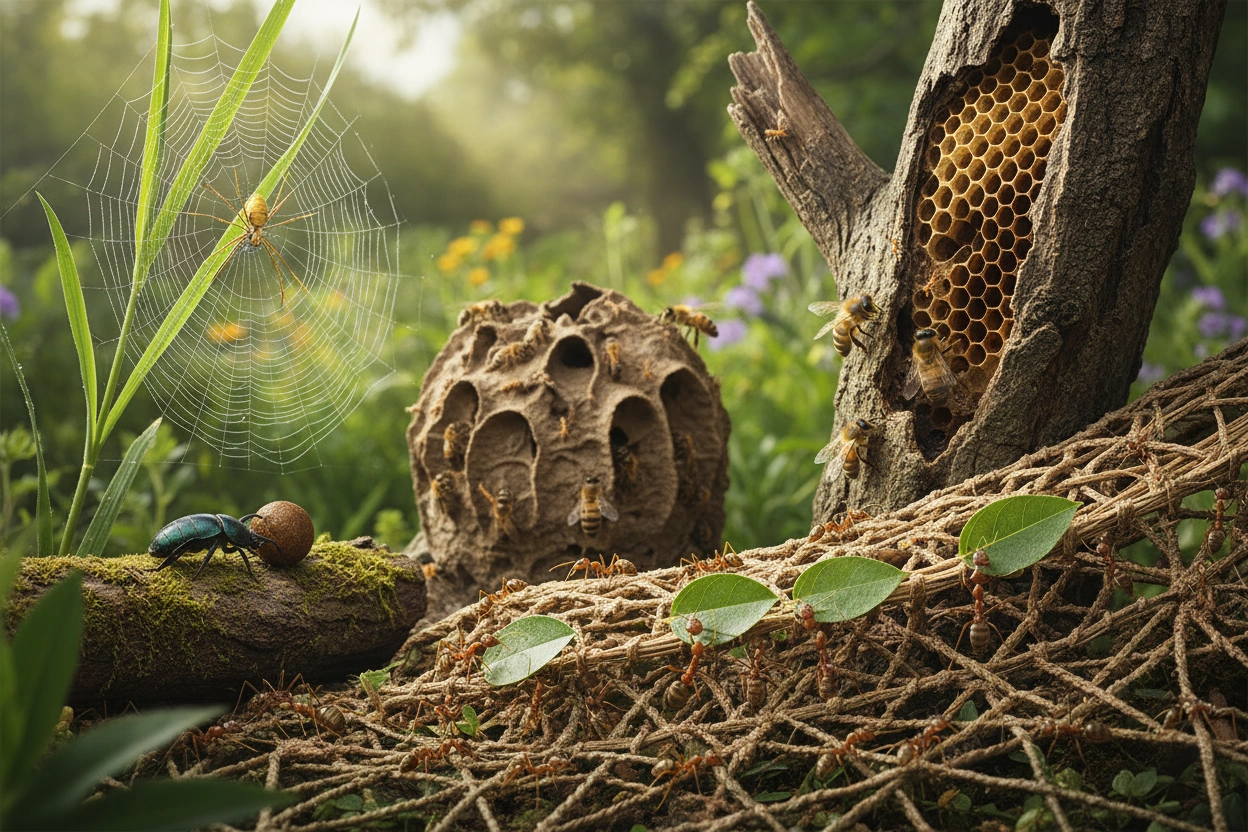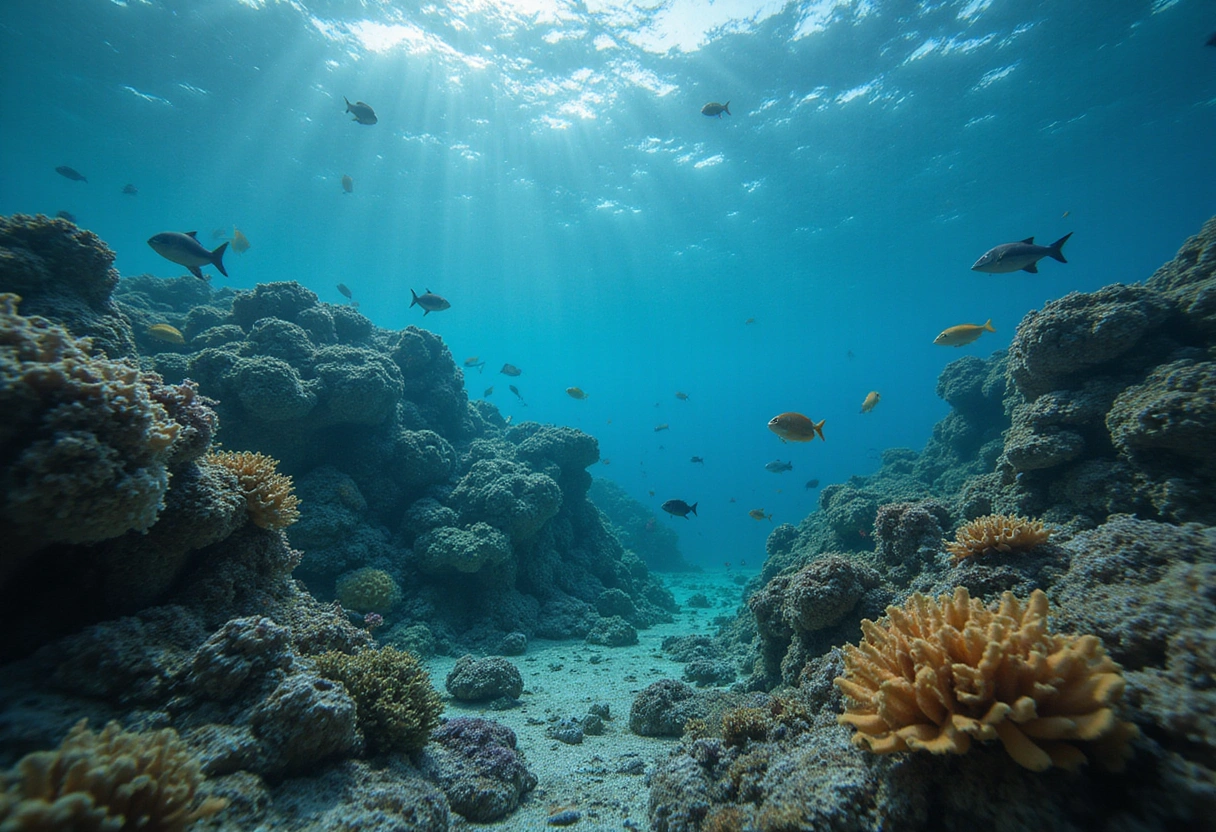
The ocean is a treasure trove of biodiversity, home to countless sea creatures that continue to shape our understanding of marine ecosystems. As we delve into the intricate lives of these fascinating sea animals, we uncover not just their biological significance but also their roles in advancing marine research. The exploration of sea creatures extends beyond mere fascination; it encompasses ecological, medical, and technological advancements. This article will provide an in-depth look at the most dangerous sea creatures and highlight their impact on marine research.
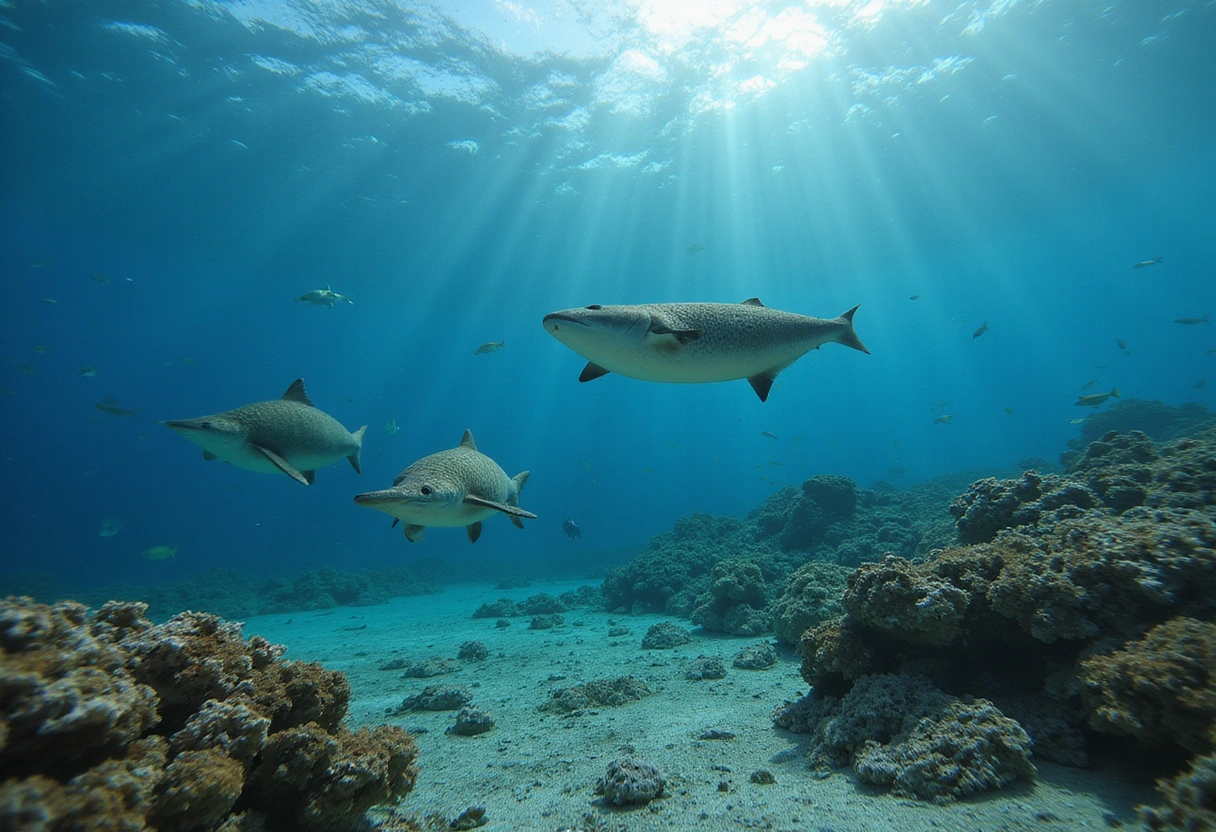
Marine research plays a pivotal role in our understanding of global biodiversity and environmental health. Sea creatures are often at the forefront of scientific discovery, offering insights into evolutionary biology, ecology, and even human health. The unique adaptations of these animals allow researchers to study phenomena such as resilience to climate change, the development of new medical treatments, and the impact of human activities on marine ecosystems.
Sea creatures contribute significantly to the balance of marine ecosystems. They are integral to food webs, nutrient cycling, and habitat formation. For example, coral reefs, often referred to as the "rainforests of the sea," provide critical habitats for numerous species. The health of these reefs is directly influenced by the diverse sea animals that inhabit them. Moreover, predators like sharks maintain the population balance of various marine species, ensuring ecosystem stability.
Research involving sea creatures has led to groundbreaking advancements in various fields. From the study of bioluminescent organisms to the investigation of deep-sea adaptations, scientists are unlocking secrets that could lead to innovative technologies and solutions for environmental challenges. For instance, the unique properties of octopus skin have inspired developments in camouflage technology for military applications.
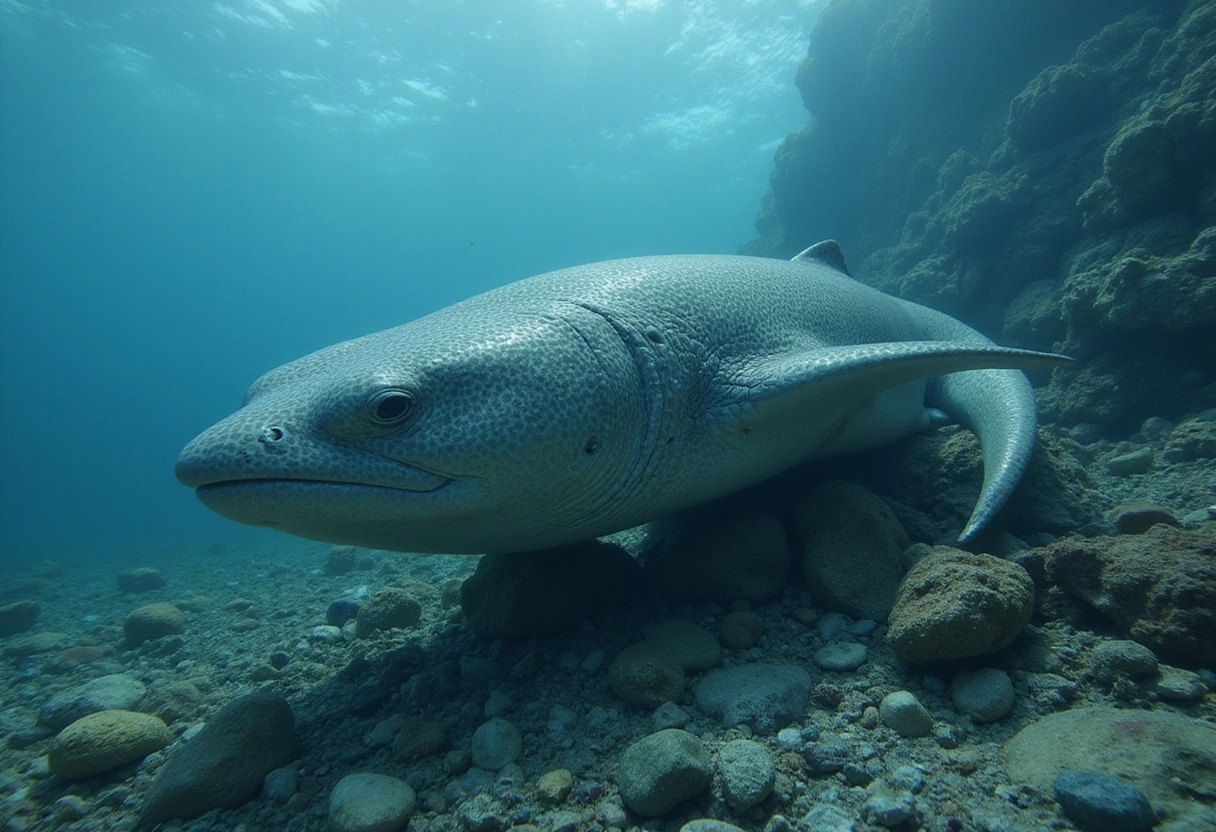
While the ocean harbors many wonders, it also hosts some of the most dangerous sea creatures known to humanity. Understanding these animals is crucial for safety and scientific exploration. Here are the top five most dangerous sea creatures and essential information about each:
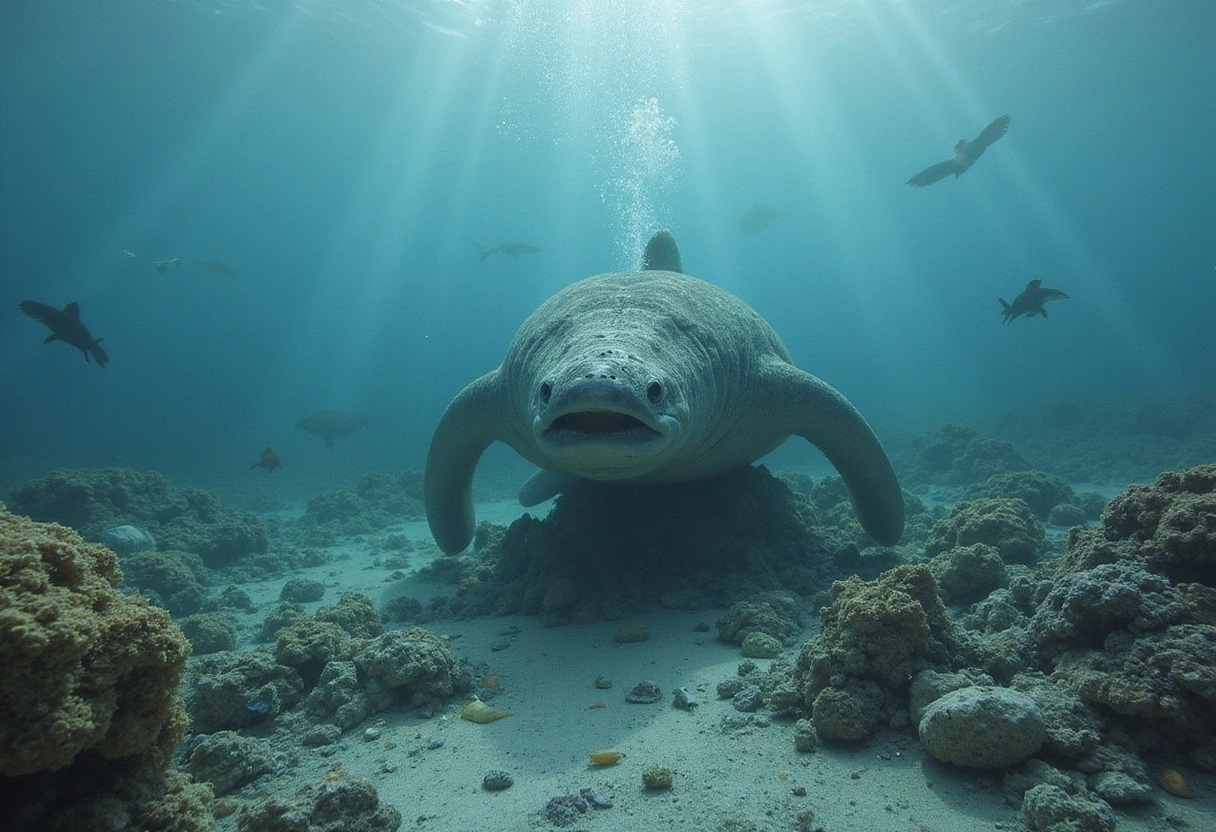
Understanding the true nature of dangerous sea creatures is essential for safety and conservation efforts. Several misconceptions can lead to unnecessary fear or harm:
Many people assume that all sharks are aggressive and dangerous. In reality, most shark species are not a threat to humans. Attacks are rare and often occur due to mistaken identity.
While many jellyfish are harmless, some species, like the box jellyfish, pose significant risks. It is essential to be aware of local species when swimming in the ocean.
Coral reefs are often seen as safe havens for marine life, but they can harbor dangerous creatures like stonefish and sea urchins. Awareness of the ecosystem is crucial for safe exploration.
As we look toward the future, the role of sea creatures in marine research is set to expand significantly. The integration of technology and biology is paving the way for new discoveries that could revolutionize our understanding of marine life and its implications for human health and environmental sustainability.
Advancements in technology, such as underwater drones and remote sensing, are enhancing our ability to study sea creatures in their natural habitats. These tools allow researchers to gather data without disturbing delicate ecosystems.
Conservation initiatives are increasingly focusing on the protection of both dangerous and non-dangerous sea creatures. Understanding the ecological roles of these animals is vital for developing effective conservation strategies. Programs aimed at preserving habitats and reducing pollution are essential for the survival of many marine species.
The future of marine research hinges on public engagement and education. Organizations like Banana Slug Club play a crucial role in fostering a connection between the community and marine environments. By educating nature enthusiasts, students, and children about sea creatures, we can cultivate a generation that values and protects our oceans.
Through workshops, educational programs, and outreach efforts, organizations can inspire curiosity and respect for marine life. Encouraging hands-on learning experiences helps individuals understand the importance of sea creatures in maintaining ocean health.
As more people engage in marine exploration, promoting responsible practices is essential. This includes adhering to guidelines for wildlife observation, minimizing environmental impact, and supporting conservation efforts.
As we continue to explore the depths of our oceans, the importance of sea creatures in shaping marine research cannot be overstated. From dangerous species that teach us about resilience and adaptation to the countless organisms that contribute to ecosystem health, each plays a vital role in our understanding of life beneath the waves.
The Banana Slug Club encourages all nature enthusiasts, students, and young explorers to delve deeper into the world of sea creatures. By learning about these fascinating animals, you can contribute to the conversation surrounding marine conservation and research.
If you are excited about learning more about sea creatures, we invite you to visit our website or contact us for more information. Together, we can discover the wonders of the ocean and work towards a sustainable future for our marine environments. Embrace your curiosity and help shape the future of marine research with us at the Banana Slug Club.
Get free resources, early access to new features and updates.
No spam. Just fun educational emails!


.svg)
.svg)