Discover Bird Facts: Understanding Avian Anatomy and Flight
Birds captivate our imagination with their vibrant colors, melodious songs, and remarkable abilities. Whether soaring high above the landscape or flitting through the trees, their unique adaptations and behaviors provide endless fascination. This article will delve into bird facts, exploring avian anatomy, flight mechanics, and incredible migration patterns that many species undertake. By the end, you will not only appreciate the wonders of birds but also gain insights into common bird behaviors that contribute to their survival and success.
The Anatomy of Birds
Understanding bird anatomy is crucial for comprehending how these creatures achieve flight and adapt to various environments. Bird anatomy is specifically tailored for life in the air, with several unique adaptations.
Lightweight Skeleton
Birds possess a lightweight skeletal structure that is essential for flight. Their bones are hollow, reducing body weight without sacrificing strength. This adaptation allows for greater efficiency in flight, enabling birds to travel long distances with minimal energy expenditure. For instance, the albatross, known for its expansive wingspan, can glide for hours over the ocean with minimal flapping.
Feathers: The Key to Flight
Feathers are not only a hallmark of birds but also crucial for flight. They provide insulation, waterproofing, and the aerodynamic properties necessary for soaring. The arrangement and structure of feathers contribute to flight efficiency. Primary feathers, located on the wings, are responsible for propulsion, while secondary feathers aid in lift and stability.
Types of Feathers
- Contour Feathers: These cover the bird's body and give it shape.
- Down Feathers: Located beneath contour feathers, down feathers provide insulation.
- Flight Feathers: These are specialized feathers on the wings and tail that enable flight.
Musculature for Flight
Birds have powerful muscles that facilitate their unique flying abilities. The pectoral muscles, responsible for wing movement, are among the strongest muscles in the bird's body, accounting for a significant portion of their body weight. This muscle structure allows for rapid wing beats, essential for takeoff and maneuvering during flight.
Understanding Bird Flight
Bird flight is a complex process governed by principles of aerodynamics. Several factors contribute to how birds achieve lift, thrust, and control during flight.
The Four Forces of Flight
Birds must navigate four primary forces during flight: lift, weight, thrust, and drag. Understanding these forces is essential for grasping how birds stay aloft.
- Lift: Generated by the wings, lift allows birds to rise against gravity. The shape of a bird's wings creates a difference in air pressure above and below the wing, resulting in lift.
- Weight: This is the gravitational force acting on the bird. A bird's lightweight structure helps minimize weight, making it easier to achieve lift.
- Thrust: Created by the flapping of wings, thrust propels the bird forward. Different species exhibit varying thrust techniques, from the rapid flaps of a hummingbird to the gliding of an eagle.
- Drag: As birds move through the air, they experience resistance known as drag. Streamlined body shapes and wing configurations help reduce drag, allowing for more efficient flight.
Flight Styles
Birds exhibit various flight styles, each adapted to their ecological niche. Some common flight styles include:
- Flapping: The most common style, where birds flap their wings to generate lift and thrust. Species like sparrows and finches predominantly use this style.
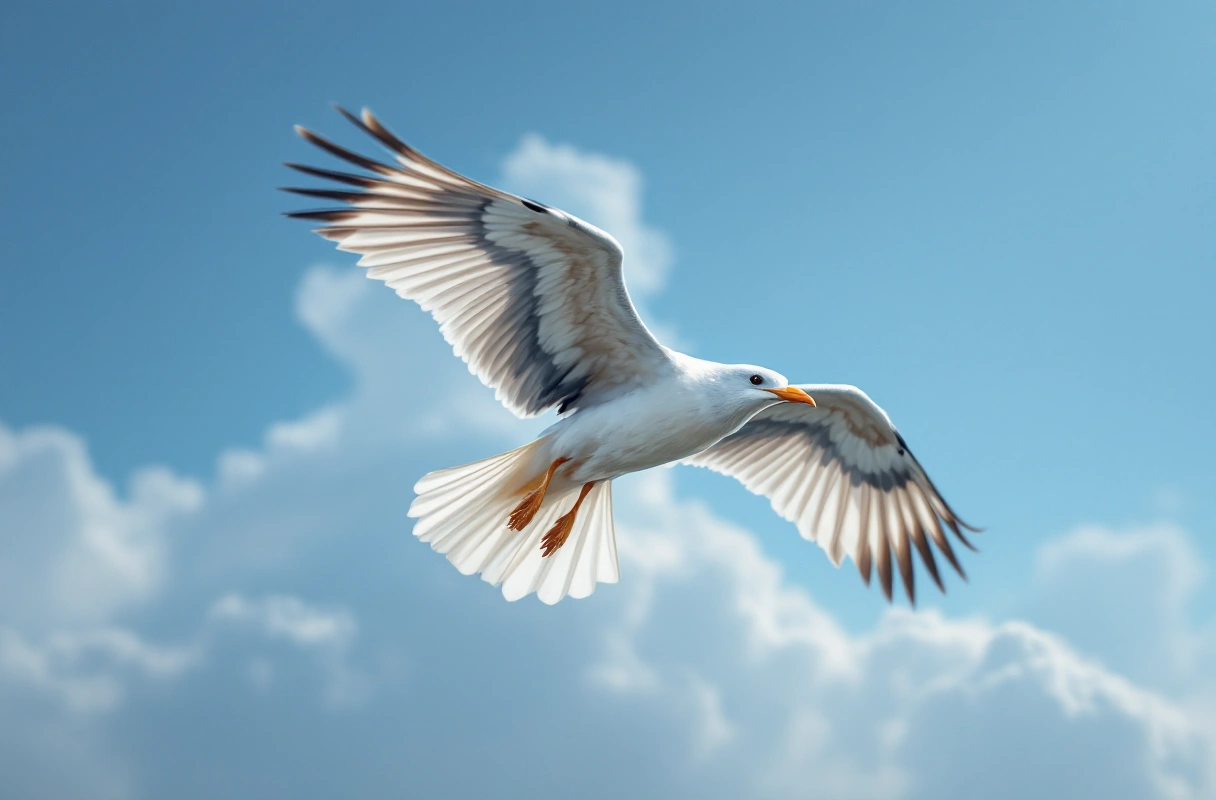
- Gliding: Birds like the albatross use gliding to cover vast distances with minimal energy. They exploit wind currents and thermals to stay aloft.
- Soaring: Similar to gliding, soaring involves using rising air currents. Birds such as hawks and vultures utilize this technique to gain altitude without flapping.
Top 10 Fascinating Bird Migration Patterns You Should Know
Migration is one of nature's most awe-inspiring phenomena, showcasing birds' incredible adaptability and resilience. Here are ten remarkable bird migration patterns that highlight their journeys across the globe.
- Arctic Tern: This bird holds the record for the longest migration, traveling over 70,000 kilometers annually from its breeding grounds in the Arctic to wintering areas in Antarctica.
- Bar-tailed Godwit: Known for its non-stop flight, this shorebird migrates from Alaska to New Zealand, covering approximately 12,000 kilometers without resting.
- Swallow: Swallows migrate from Europe to Africa for the winter, showcasing incredible navigation skills as they return to the same nesting sites each spring.
- Monarch Butterfly: While not a bird, the migration of the monarch butterfly is worth noting for its incredible journey from North America to central Mexico, covering thousands of kilometers.
- Sandhill Crane: These cranes migrate in large groups, traveling from their breeding grounds in Canada to wintering areas in the southern United States and Mexico.
- Ruby-throated Hummingbird: This small bird migrates from North America to Central America, often flying over the Gulf of Mexico in a single flight.
- Common Eider: Eiders migrate from their breeding grounds in the Arctic to the coasts of North America and Europe, showcasing their adaptability to diverse habitats.
- Northern Wheatear: This small songbird travels from Europe to sub-Saharan Africa, demonstrating remarkable endurance as it covers vast distances.
- Red Knot: Known for its impressive stamina, this shorebird migrates from the Arctic to the southern tip of South America, stopping along the way to refuel on critical stopover sites.
- American Golden-Plover: This species migrates from its breeding grounds in the Arctic to South America, making one of the longest migrations of any shorebird.
Factors Influencing Migration
Bird migration is influenced by various factors, including:
- Seasonal Changes: Birds migrate to take advantage of abundant food sources and favorable breeding conditions during specific seasons.
- Weather Patterns: Changes in weather can impact migration timing and routes, with birds often adjusting their journeys based on environmental cues.
- Geographical Features: Mountains, rivers, and coastlines can shape migration paths, as birds seek the most efficient routes.
Common Misconceptions About Bird Migration
Several myths surround bird migration that can lead to misunderstandings:
- Birds migrate only due to cold weather: While temperature plays a role, food availability and breeding conditions are equally important factors in migration.
- All birds migrate: Not all bird species migrate. Some are resident birds that stay in their habitats year-round, adapting to seasonal changes.
- Birds navigate solely by instinct: While instinct is crucial, many birds also rely on environmental cues such as the position of the sun, stars, and magnetic fields for navigation.
Common Bird Behaviors
Birds exhibit a wide range of behaviors that are essential for their survival. Understanding these common behaviors can enhance our appreciation for these remarkable creatures.
Foraging and Feeding Habits
Birds have developed diverse foraging strategies to obtain food. Some common methods include:
- Hunting: Raptors such as eagles and hawks employ keen eyesight and powerful talons to catch prey.
- Gleaning: Smaller birds like warblers search for insects hidden in foliage.
- Scavenging: Species like vultures feed on carrion, playing a vital role in the ecosystem by cleaning up dead animals.
Social Interactions
Many birds exhibit complex social behaviors, including:
- Flocking: Birds often form flocks for safety in numbers, making it easier to evade predators.
- Mating Displays: Courtship rituals, such as elaborate dances or vocalizations, are essential for attracting mates and establishing territories.
- Parental Care: Many bird species demonstrate strong parental instincts, with both parents often involved in feeding and protecting their young.
Communication
Birds communicate through various vocalizations and body language. Understanding these signals can provide insights into their behaviors:
- Songs: Used primarily for attracting mates and defending territory, songs vary widely among species.
- Calls: Shorter and simpler than songs, calls convey messages about danger, location, and group coordination.
- Body Language: Birds may use postures, feather displays, and movements to communicate their intentions and emotions.
The Fascinating World of Bird Facts
Birds play a crucial role in our ecosystems, from pollination to pest control. Understanding avian biology, flight, migration, and behaviors enriches our appreciation for these remarkable creatures.
The Importance of Bird Conservation
With many bird species facing threats from habitat loss, climate change, and pollution, conservation efforts are essential. Engaging in birdwatching and supporting local conservation initiatives can contribute to protecting these vital species.
Engaging with Birds
Birdwatching is an excellent way to connect with nature and learn more about bird behaviors. Whether you are a novice or an experienced birder, consider these tips for enhancing your birdwatching experience:
- Invest in a good pair of binoculars to observe birds up close.
- Keep a field guide handy to identify various species in your area.
- Join local birdwatching groups to share experiences and learn from others.
Embracing the Wonders of Avian Life with Banana Slug Club
Exploring bird facts and understanding avian anatomy and flight can deepen your appreciation for the natural world. The knowledge gained from this journey reveals the intricate connections between birds and their environments, emphasizing the need for conservation and awareness.
At Banana Slug Club, we are dedicated to fostering a love for nature and wildlife. Whether you are interested in learning more about bird behaviors, engaging in conservation efforts, or simply connecting with fellow nature enthusiasts, we invite you to explore our resources. Visit our website for more information or contact us to discover how you can get involved in celebrating and protecting the incredible world of birds.


.svg)
.svg)