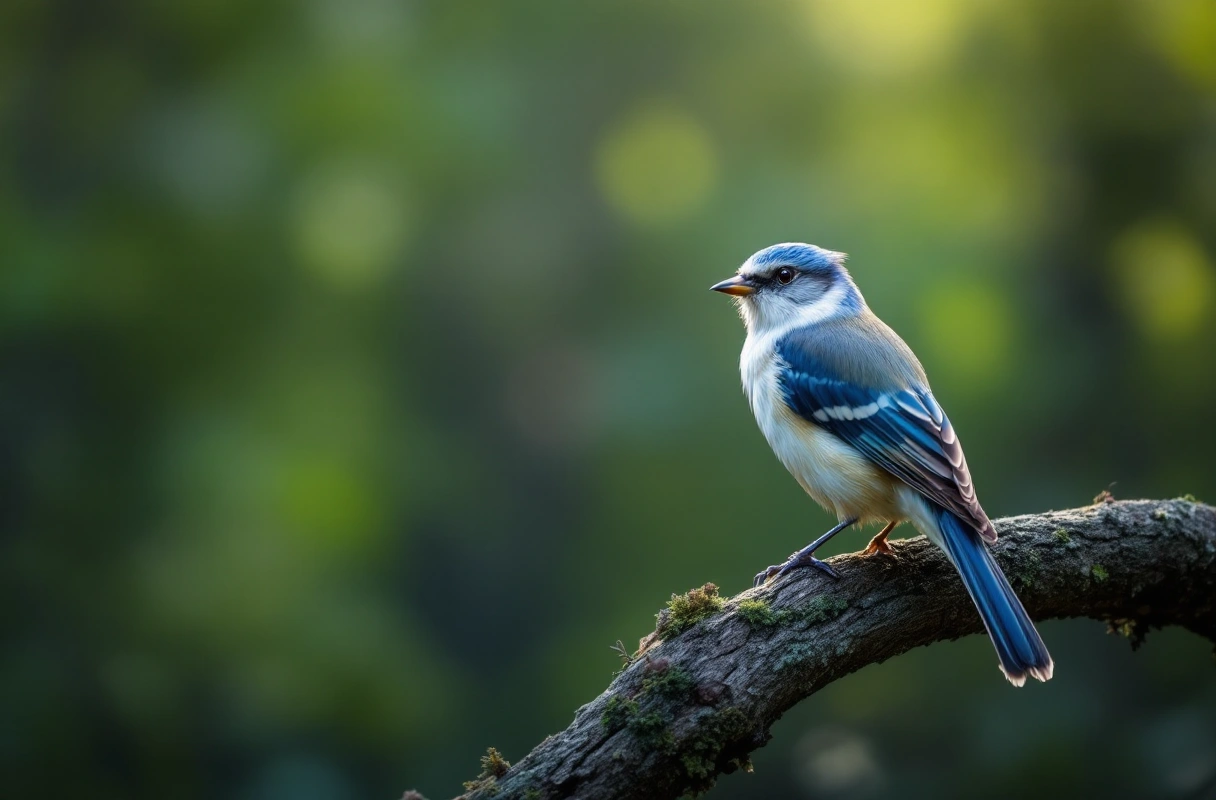
Birdwatching is not only a delightful pastime but also an avenue to discover fascinating bird facts that enrich our understanding of avian life. With the right techniques in bird photography, enthusiasts can capture stunning images that showcase these creatures in their natural habitats. This article provides insights into bird photography while highlighting intriguing bird facts, including common bird behaviors and the top ten fascinating bird migration patterns you should know.
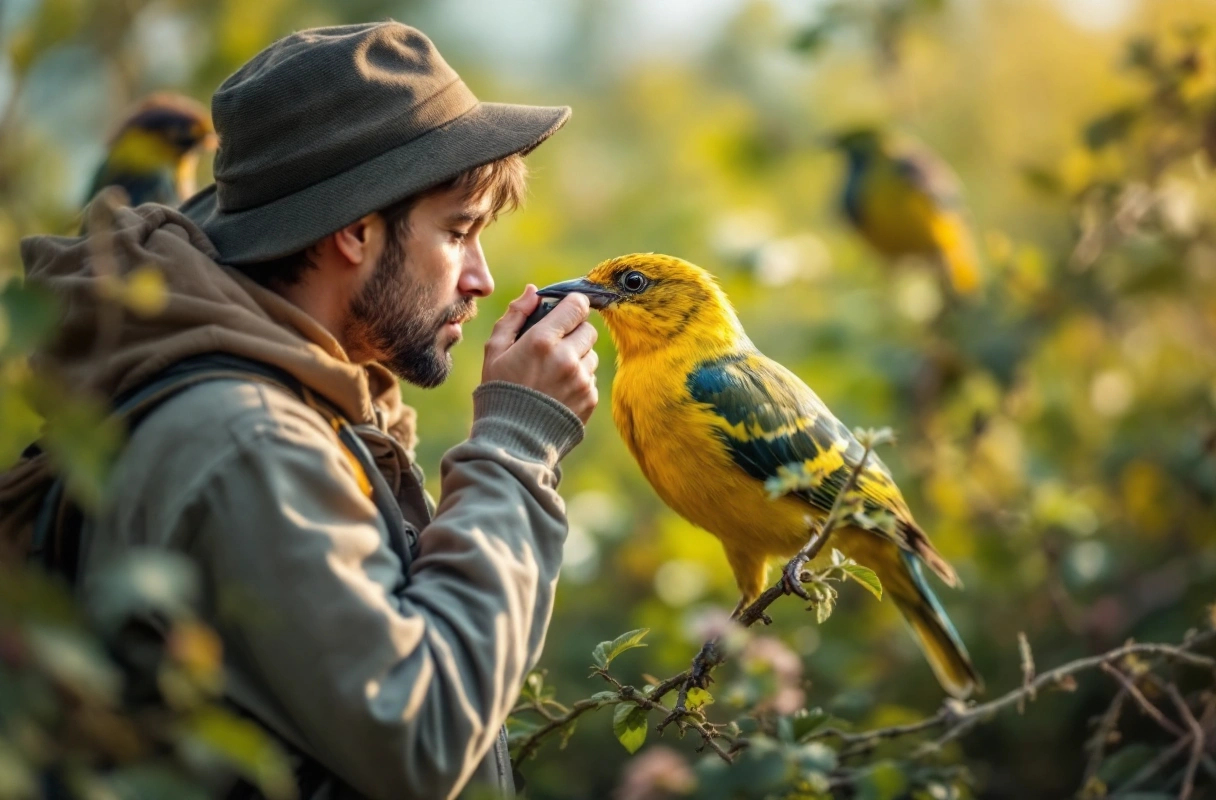
Bird photography requires a blend of skill, patience, and knowledge about avian behavior. Understanding the nuances of bird movements and habitats can significantly enhance the quality of your photographs. Here are some essential tips to elevate your bird photography:
To capture remarkable images, one must first understand common bird behaviors. Birds exhibit various behaviors that can inform your photography approach:
Selecting the right photography equipment is crucial for successful bird photography. Here are some recommended tools:
Implementing specific techniques can enhance your bird photography:
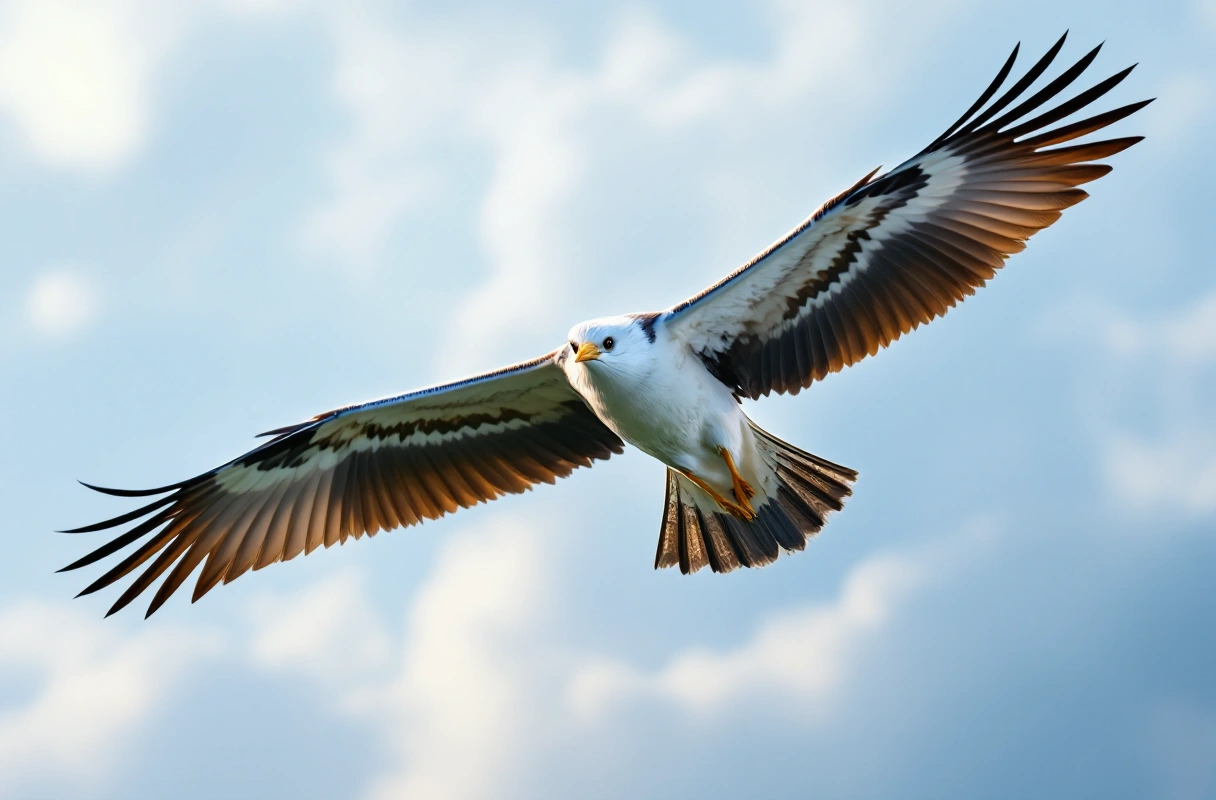
Bird migration is a captivating phenomenon marked by various patterns and behaviors. Understanding these migration patterns can reveal much about the species and their habitats. Here are ten fascinating bird migration patterns that every bird enthusiast should know:
Arctic Tern: Known for having the longest migration of any bird, the Arctic Tern travels approximately 44,000 miles annually between its breeding grounds in the Arctic and wintering areas in the Antarctic.
Barn Swallow: This species migrates from North America to Central and South America. They are known for their acrobatic flight and can travel up to 6,000 miles in a single journey.
Monarch Butterfly: While not a bird, the migration of the Monarch Butterfly is worth noting due to its impressive journey of around 3,000 miles from North America to central Mexico, where they overwinter.
Red Knot: This shorebird migrates from the Arctic to the southern tip of South America, stopping at key locations to refuel during its long journey.
Bald Eagle: In North America, Bald Eagles migrate south from Canada and Alaska to the United States during winter months, often congregating around open water sources.
Snowy Owl: These magnificent birds migrate south from the Arctic tundra during irruptive years when food is scarce, often traveling hundreds of miles.
Hummingbirds: Ruby-throated Hummingbirds migrate from North America to Central America, covering distances of up to 2,000 miles, often flying non-stop across the Gulf of Mexico.
Whooping Crane: This endangered species migrates from its breeding grounds in Canada to wintering sites in Texas, a journey of over 2,500 miles that requires careful navigation.
Common Eider: These seabirds migrate from their breeding sites in the Arctic to wintering grounds along the Atlantic coast of North America and Europe.
American Robin: A familiar sight in North America, American Robins migrate south for the winter, often returning to the same breeding grounds in spring.
Understanding these patterns not only enriches your birdwatching experience but also highlights the importance of conserving migratory routes.
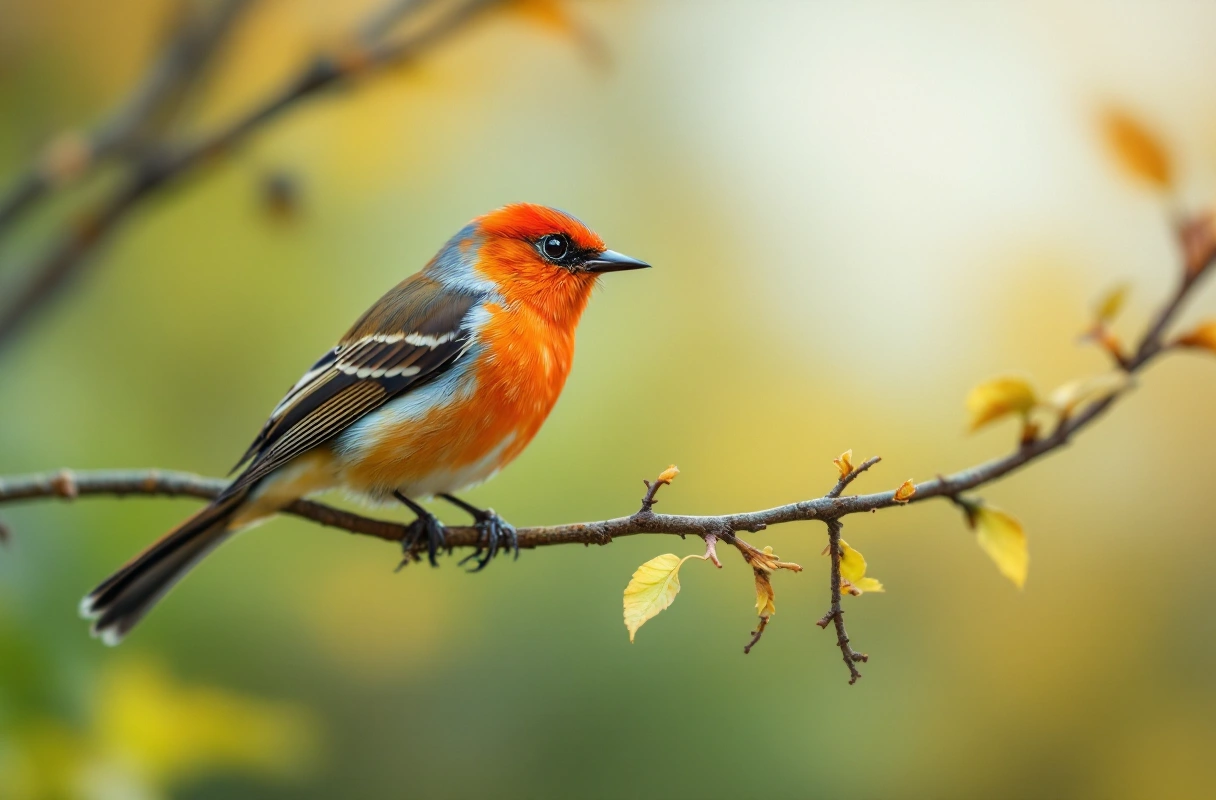
Bird photography can be challenging, and many enthusiasts fall prey to common mistakes that can hinder their results. Here are some pitfalls to avoid:
Many photographers focus solely on the birds without considering the surrounding environment. A beautiful background can enhance your images. Make sure to compose your shots thoughtfully, integrating elements of the habitat.
Bird photography requires patience. Birds may not always be active, and waiting for the right moment can be crucial. Spend time observing before taking pictures to increase your chances of capturing unique moments.
Failing to adjust camera settings according to the lighting conditions can lead to disappointing results. Familiarize yourself with your camera’s settings and practice adjusting them for different environments.
To effectively capture bird facts through your photography, consider these actionable tips:
Research Local Species: Familiarize yourself with the common birds in your area. Understanding their habits and habitats will improve your chances of capturing compelling images.
Join Birdwatching Groups: Engaging with local birdwatching communities can provide valuable insights and opportunities to learn from experienced photographers.
Practice Regularly: The more you practice, the better your skills will become. Take every opportunity to photograph birds, even in your backyard.
Utilize Bird Calls: Learning bird calls can help you locate and identify species more effectively, allowing you to get closer for better shots.
Be Respectful of Wildlife: Always prioritize the well-being of birds. Maintain a safe distance and avoid disrupting their natural behaviors.
Bird photography is a unique way to explore and document the rich tapestry of avian life. Through stunning images, photographers can share valuable bird facts that inspire appreciation and conservation efforts. As you embark on your bird photography journey, remember that each click of the shutter is an opportunity to contribute to the understanding of these remarkable creatures.
At Banana Slug Club, we are passionate about promoting awareness of bird facts and the importance of avian conservation. We encourage you to explore our resources and connect with fellow bird enthusiasts who share your interests.
Whether you are a seasoned photographer or just beginning your journey, we invite you to visit our website for more information and resources to help you apply what you've learned about bird facts and photography. Join us in celebrating the beauty of birds and their incredible stories.
Get free resources, early access to new features and updates.
No spam. Just fun educational emails!


.svg)
.svg)