
Birds are among the most fascinating creatures on our planet, exhibiting a wide array of behaviors, adaptations, and migration patterns that captivate enthusiasts and scientists alike. Understanding avian anatomy not only enriches our knowledge of these remarkable animals but also enhances our appreciation for their role in the ecosystem. In this article, we will delve into intriguing bird facts, explore common bird behaviors, and highlight the top ten migration patterns that every bird lover should know.
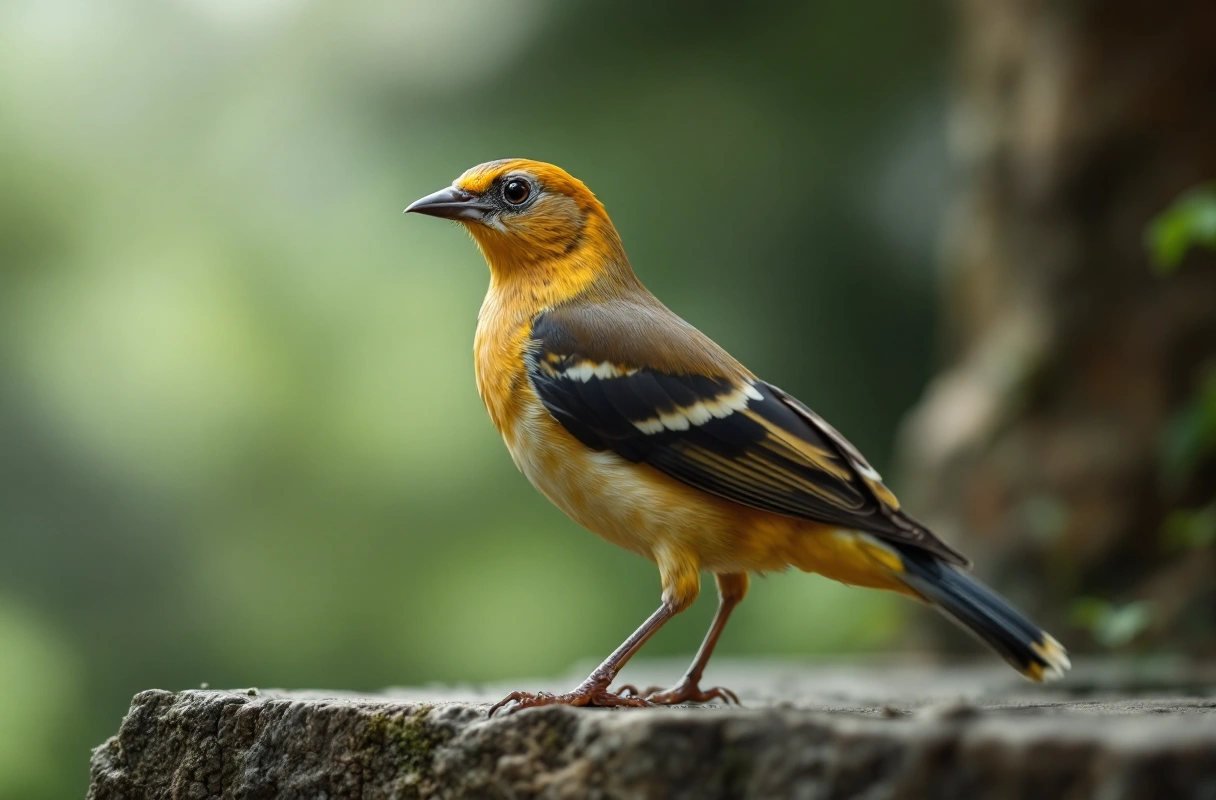
Birds possess unique anatomical features that distinguish them from other animals. Their anatomy is intricately designed for flight, which influences their behavior, feeding habits, and reproductive strategies.
One of the most significant aspects of bird anatomy is their lightweight structure. Birds have hollow bones that reduce body weight without sacrificing strength, enabling them to soar through the skies. This adaptation is essential for flight, as it allows birds to be agile and efficient in their movements.
Birds have a highly efficient respiratory system, which is crucial for meeting the oxygen demands of flight. Unlike mammals, birds possess air sacs that allow for a continuous flow of air through their lungs. This adaptation ensures that birds receive a steady supply of oxygen, even during exhalation.
Birds also have a specialized digestive system that allows them to process food quickly and efficiently. The presence of a gizzard, which grinds food, is a distinctive feature that enables birds to extract maximum nutrients from their diets.
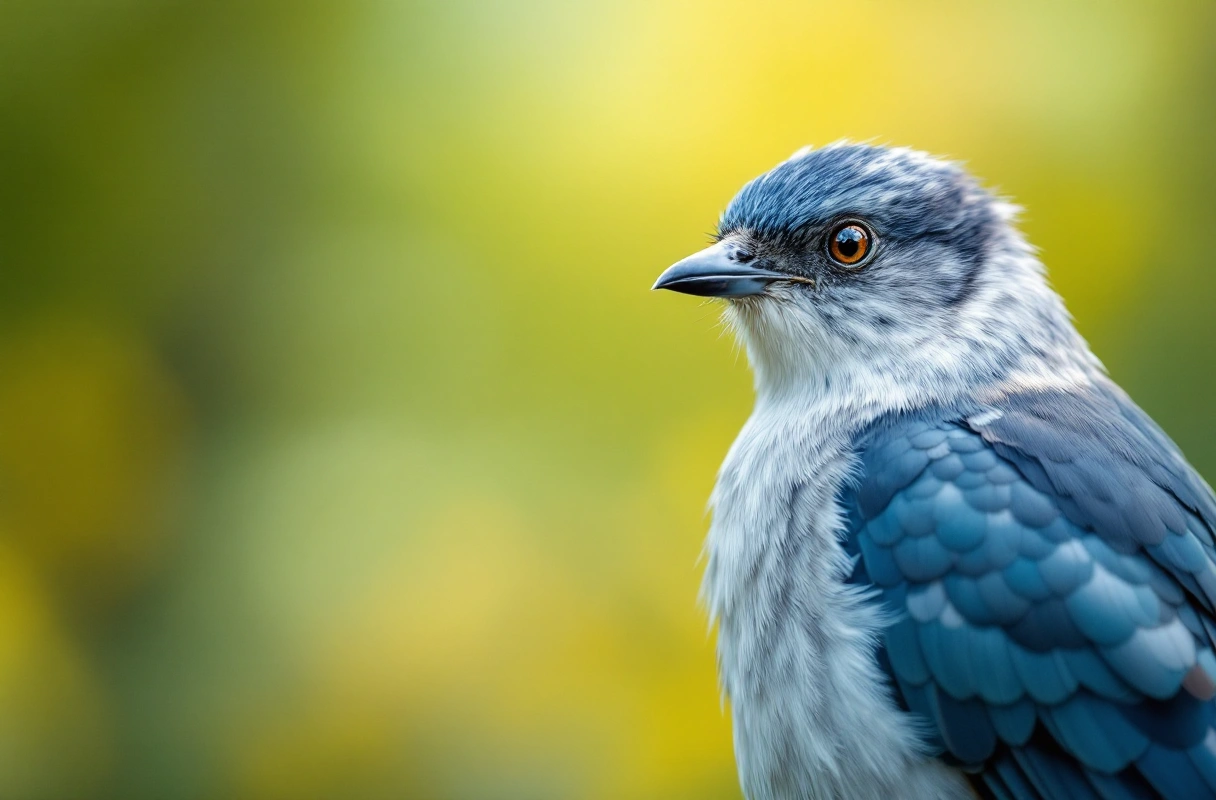
Understanding common bird behaviors can provide valuable insights into their ecology and social structures. Here are several key behaviors that are essential for survival and reproduction.
Birds exhibit various foraging strategies to locate and obtain food. These strategies can be influenced by the species, habitat, and availability of food sources.
Many birds are social creatures that engage in complex interactions with one another. These interactions can include vocalizations, displays, and cooperative behaviors.
Nesting is a critical aspect of a bird's life cycle, and different species exhibit unique nesting behaviors. The choice of nesting site, materials used, and parental care varies widely among birds.

Migration is one of the most awe-inspiring phenomena in the avian world. Birds undertake incredible journeys, often covering thousands of miles to find suitable breeding and feeding grounds. Here are ten fascinating migration patterns that showcase the remarkable endurance and navigation skills of birds.
The Arctic tern holds the record for the longest migration of any bird, traveling approximately 71,000 kilometers (44,000 miles) annually between its breeding grounds in the Arctic and wintering grounds in the Antarctic. This remarkable journey allows the tern to experience two summers each year.
The bar-tailed godwit is famous for its non-stop migration from Alaska to New Zealand, covering around 12,200 kilometers (7,600 miles) without resting. This incredible feat is made possible by the bird's ability to store fat reserves and navigate using the Earth's magnetic field.
The ruby-throated hummingbird embarks on an impressive journey from North America to Central America, crossing the Gulf of Mexico in a single flight. This migration can span over 800 kilometers (500 miles) and is particularly challenging due to the lack of rest stops.
The common swift is known for its extraordinary flying capabilities, spending most of its life in the air, even during migration. These birds can fly continuously for up to ten months, feeding, mating, and even sleeping on the wing.
European barn swallows migrate from Europe to Africa each winter, covering distances of approximately 10,000 kilometers (6,200 miles). They are known for their acrobatic flying skills, which help them catch insects during their journey.
The whooping crane migrates between its breeding grounds in Canada and wintering grounds in Texas, traveling about 4,800 kilometers (3,000 miles). Conservation efforts have been crucial in protecting this endangered species and its migratory routes.
Snowy owls undertake irregular migrations, often driven by food availability. During irruption years, they can travel south from the Arctic in large numbers, seeking out lemmings and other prey.
The blackpoll warbler migrates from North America to South America, covering a distance of around 4,000 kilometers (2,500 miles) across open ocean. This small bird is known for its impressive endurance and ability to navigate using the stars.
The red knot migrates from its breeding grounds in the Arctic to the southern tip of South America, a journey of about 27,000 kilometers (17,000 miles). This species relies on key stopover sites, such as Delaware Bay, to refuel during migration.
The swallow-tailed kite migrates from its breeding grounds in North America to wintering areas in South America, covering approximately 5,000 kilometers (3,100 miles). This bird is known for its graceful flight and aerial acrobatics while hunting for prey.
Despite the fascination surrounding bird migration, several misconceptions persist. Addressing these can enhance our understanding and appreciation of avian life.
Not all bird species migrate. While many do, some species are sedentary and remain in their habitats year-round. This is often influenced by food availability and environmental conditions.
While migration is largely instinctual, it is also influenced by environmental cues such as daylight, temperature, and food sources. Birds learn migratory routes from their parents and adapt based on changing conditions.
Migration routes can change over time due to factors like climate change, habitat destruction, and food availability. Birds may adapt their routes to optimize survival during migration.
Understanding bird facts and their behaviors is crucial for conservation efforts. By learning about these remarkable creatures, we can better appreciate their ecological roles and the challenges they face.
Conservation organizations and initiatives play a vital role in protecting migratory routes and habitats. The Banana Slug Club supports avian conservation through educational programs and community involvement. By raising awareness about bird facts and promoting conservation efforts, we can help ensure that future generations can enjoy the beauty and wonder of birds.
For more information on bird conservation and how you can get involved, contact Banana Slug Club today.
Get free resources, early access to new features and updates.
No spam. Just fun educational emails!


.svg)
.svg)