The debate surrounding the sustainability of food sources has intensified in recent years, with many consumers and industries looking for environmentally friendly alternatives. Among these food sources, crustaceans have long been a staple in various cuisines, but their environmental impact and sustainability are frequently scrutinized. As of 2026, it is crucial to understand the benefits of crustaceans and how they compare to alternatives in terms of sustainability. This article will delve into the ecological aspects, nutritional benefits, and best practices surrounding crustaceans, providing a comprehensive overview for consumers and industry stakeholders alike.

Crustaceans, which include shrimp, crabs, lobsters, and crayfish, play a significant role in both marine ecosystems and human diets. These organisms are not just a source of protein; they are also integral to the health of aquatic environments. However, their farming and harvesting practices can have profound implications on sustainability.
The ecological impact of crustaceans largely depends on how they are sourced. Wild-caught crustaceans can disrupt marine ecosystems if not managed properly. Overfishing, habitat destruction, and bycatch are significant concerns. Conversely, sustainable farming practices have been developed to mitigate these issues. For instance, responsible aquaculture can reduce pressure on wild populations and provide a consistent supply of crustaceans while minimizing environmental degradation.
Wild-Caught:
Farmed:
Crustaceans are a rich source of essential nutrients, making them a valuable addition to the human diet. They are high in protein, low in fat, and provide essential vitamins and minerals. Fun facts about the Lobster highlight their culinary uses and nutritional value.
These nutritional benefits make crustaceans an appealing choice for health-conscious consumers, especially when sourced sustainably.
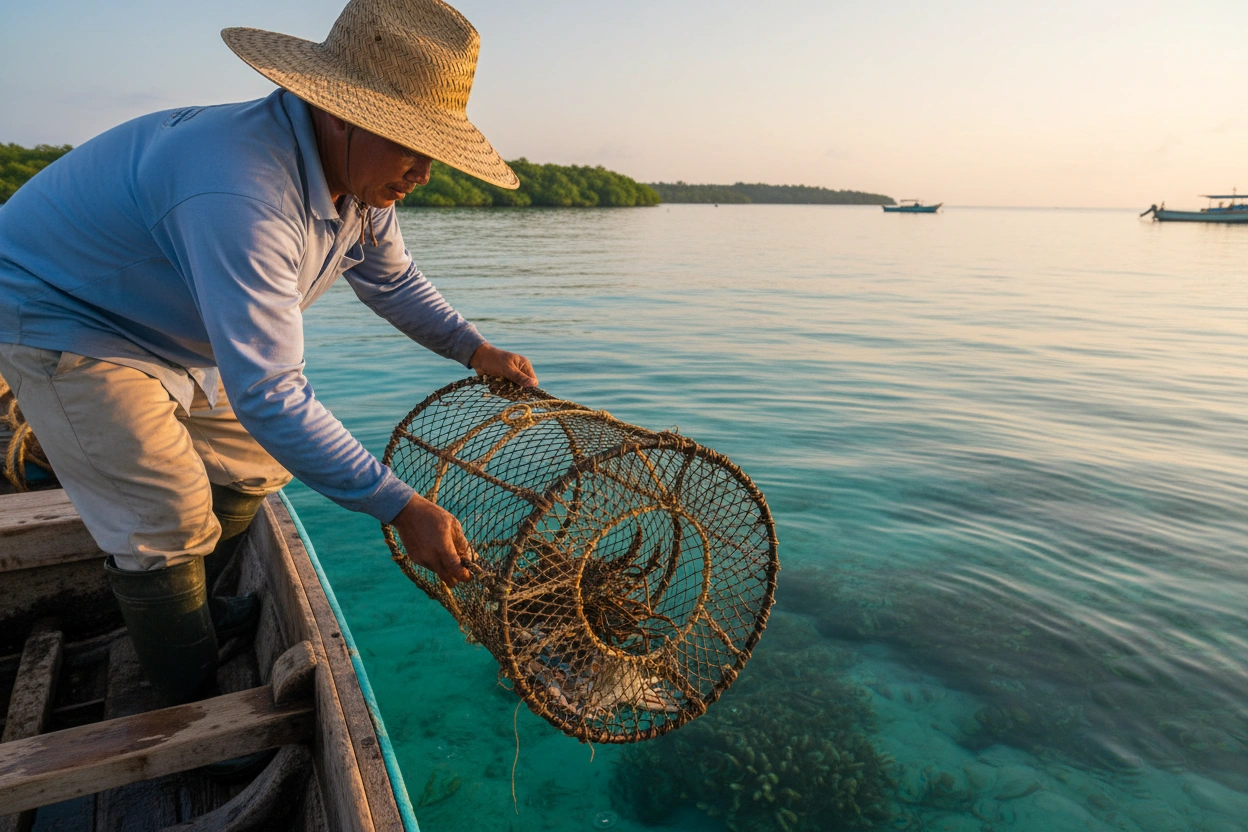
To ensure that crustaceans are harvested or farmed in a sustainable manner, several best practices can be adopted. These practices not only help protect the environment but also improve the quality of crustaceans available to consumers.

While crustaceans offer numerous benefits, some consumers may prefer alternatives due to ethical concerns, allergies, or environmental impacts. Understanding the pros and cons of these alternatives is essential for making informed choices.
Plant-based seafood alternatives have gained popularity in recent years, appealing to consumers seeking sustainable options.
Pros:
Cons:
Other seafood options, such as fish and mollusks, can also serve as alternatives to crustaceans.
Pros:
Cons:
Misunderstandings about crustaceans and their sustainability can lead to poor consumer choices. Addressing these misconceptions is vital for fostering informed decision-making.
Not all crustaceans are harvested or farmed unsustainably. With proper management and best practices, many crustacean species can be sourced sustainably. Consumers should focus on certified options and educate themselves about sourcing practices.
While crustaceans do contain cholesterol, they are also low in saturated fat and high in beneficial nutrients. Moderation and balance in diet are key, and they can be enjoyed as part of a healthy lifestyle.
While some sustainable options may carry a premium price, many affordable sustainable seafood choices are available. By supporting local fisheries and sustainable aquaculture, consumers can find quality crustaceans at reasonable prices.
As we advance towards a more sustainable future, the role of crustaceans in our diets and ecosystems will continue to evolve. Innovations in aquaculture, improved fishing practices, and consumer awareness will shape the industry. Embracing sustainable crustacean sourcing will not only benefit the environment but also enhance food security and nutrition for future generations.
The aquaculture industry is continuously innovating to address sustainability challenges. Technologies such as automated feeding systems, genetic improvements, and environmental monitoring tools are helping to optimize production while minimizing environmental impacts.
The growing demand for sustainable food sources is influencing the seafood market. Consumers are increasingly seeking transparency in sourcing and production practices, leading to a rise in sustainable crustacean products. This shift will encourage producers to adopt better practices and invest in sustainable methods.
Understanding the sustainability of crustaceans is crucial for both consumers and producers. By recognizing the benefits of crustaceans, adopting best practices, and addressing misconceptions, we can contribute to a more sustainable seafood industry. The future of crustaceans in our diets depends on our collective efforts to promote responsible sourcing and consumption.
As you explore the benefits of crustaceans and their sustainability, consider how organizations like the Banana Slug Club can support your journey. With resources and information to help you make informed choices, Banana Slug Club is committed to fostering sustainable practices in your food sources.
To learn more about sustainable seafood options and how you can make a difference, visit Banana Slug Club. Together, we can ensure a healthier future for our oceans and our plates.
Get free resources, early access to new features and updates.
No spam. Just fun educational emails!


.svg)
.svg)