Climate change is one of the most pressing issues facing our planet today, and its impact is felt across various ecosystems and species. Among the most vulnerable to these changes are endangered animals. The decline of their populations is not solely due to climate change; however, the two are intricately linked. This article delves into the causes of the decline of endangered animals worldwide, the solutions that can be implemented, and the broader impact of climate change on these species.

Endangered animals are species that are at risk of extinction due to various factors, including habitat loss, poaching, pollution, and climate change. According to the International Union for Conservation of Nature (IUCN), over 37,000 species are currently threatened with extinction. The loss of biodiversity not only affects the species themselves but also disrupts ecosystems and the services they provide to humanity.
Biodiversity is essential for maintaining ecosystem balance and resilience. Each species plays a unique role in its ecosystem, contributing to processes such as pollination, nutrient cycling, and habitat formation. When endangered animals decline, the consequences ripple through the ecosystem, leading to imbalances that can affect food security and human health. Effective strategies include: Educational campaigns that highlight the importance of biodiversity and the role of endangered species in ecosystems.
One common misconception is that only charismatic megafauna, such as elephants and tigers, are endangered. In reality, countless lesser-known species are equally at risk. Additionally, some may believe that conservation efforts are solely the responsibility of governments and large organizations. However, individual actions, such as reducing carbon footprints and supporting sustainable practices, are vital to the survival of endangered animals.
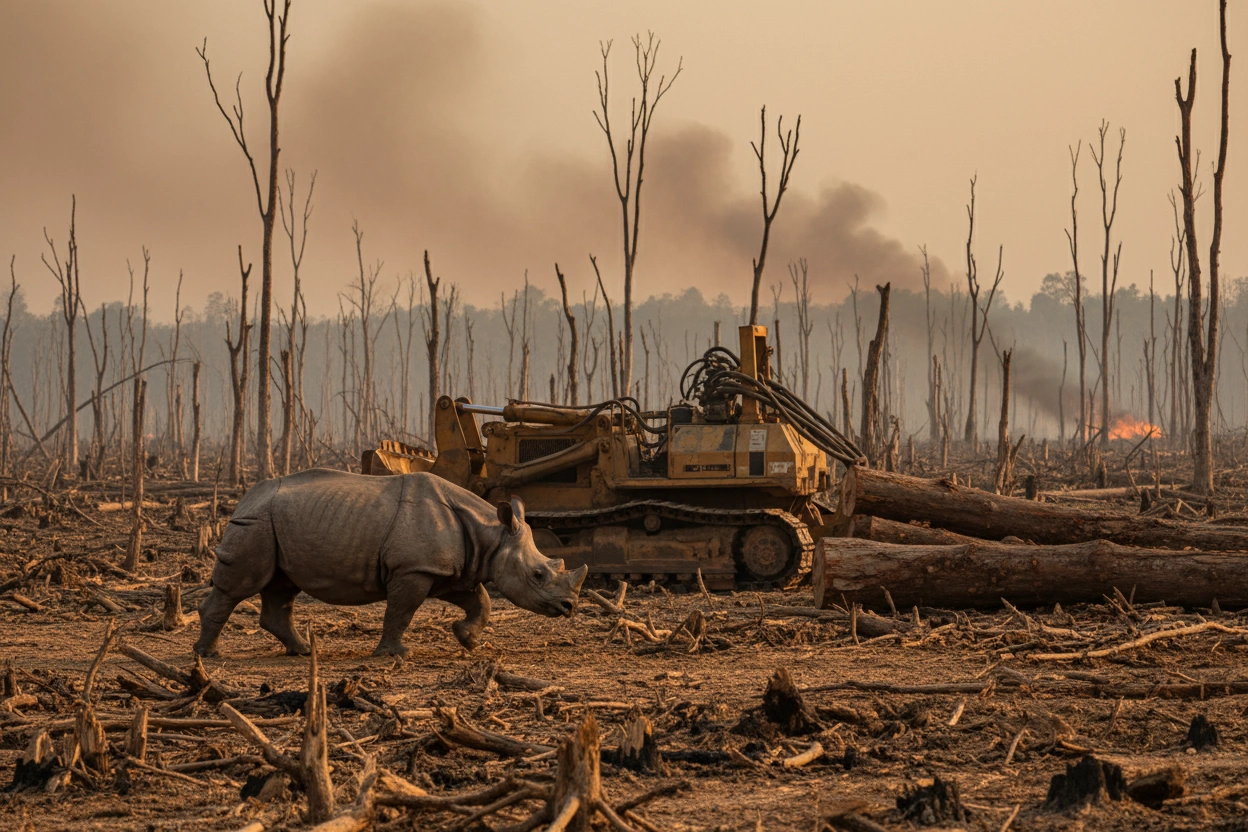
The decline of endangered animals can be attributed to a variety of factors, many of which are exacerbated by climate change.
Habitat destruction is one of the leading causes of species extinction. Urbanization, agriculture, and deforestation have led to significant habitat loss. For instance, the Amazon rainforest, home to countless endangered species, continues to be cleared at alarming rates, severely impacting animal populations.
Climate change poses significant threats to endangered animals by altering their habitats and food availability. Changes in temperature and precipitation patterns can lead to:
Despite global efforts to combat poaching, illegal wildlife trade remains a significant threat to many endangered species. Animals are hunted for their body parts, which are sold on the black market for use in traditional medicine, as trophies, or as exotic pets.

Addressing the decline of endangered animals requires a multifaceted approach that combines conservation efforts, policy changes, and community involvement.
Effective conservation strategies can help protect endangered animals and their habitats. Some key approaches include:
Governments play a crucial role in protecting endangered animals through legislation and policy initiatives. Important measures include:
Raising public awareness about endangered animals and their plight is essential for garnering support for conservation efforts. Effective strategies include:
Climate change is a significant factor affecting the survival of endangered animals. The increasing temperatures and changing weather patterns have profound effects on their habitats and behaviors.
Many animal species rely on specific migratory routes for breeding and feeding. Climate change can disrupt these patterns, leading to mismatches between migration timing and food availability. For example, the Arctic tundra is experiencing earlier springs, causing migratory birds to arrive before their food sources are ready.
As temperatures rise, ecosystems undergo transformations that can have dire consequences for endangered animals. For instance, coral reefs, which support a diverse range of marine life, are bleaching due to increased sea temperatures. This loss of habitat affects fish species that rely on reefs for shelter and breeding.
To combat the impacts of climate change on endangered animals, several resilience strategies can be implemented:
Understanding the facts surrounding endangered animals is crucial for fostering awareness and encouraging conservation efforts. Here are some compelling facts:
The future of endangered animals largely depends on collective efforts to address the root causes of their decline. Here are actionable steps individuals and organizations can take:
As we explore the intersection of climate change and the conservation of endangered animals, it becomes evident that proactive measures are essential. Individuals and communities can play a significant role in fostering a sustainable future for these species.
The Banana Slug Club is dedicated to raising awareness about endangered animals and promoting actionable solutions for their protection. Through education and community engagement, we can empower individuals to take meaningful steps toward conservation.
For those interested in making a difference, consider joining the efforts of the Banana Slug Club. Your involvement can help ensure that endangered animals not only survive but thrive in a changing world.
Take action today by visiting Banana Slug Club to learn more about how you can contribute to the conservation of endangered animals. Together, we can create a future where biodiversity flourishes, and endangered species have a fighting chance against the challenges posed by climate change.
Get free resources, early access to new features and updates.
No spam. Just fun educational emails!


.svg)
.svg)