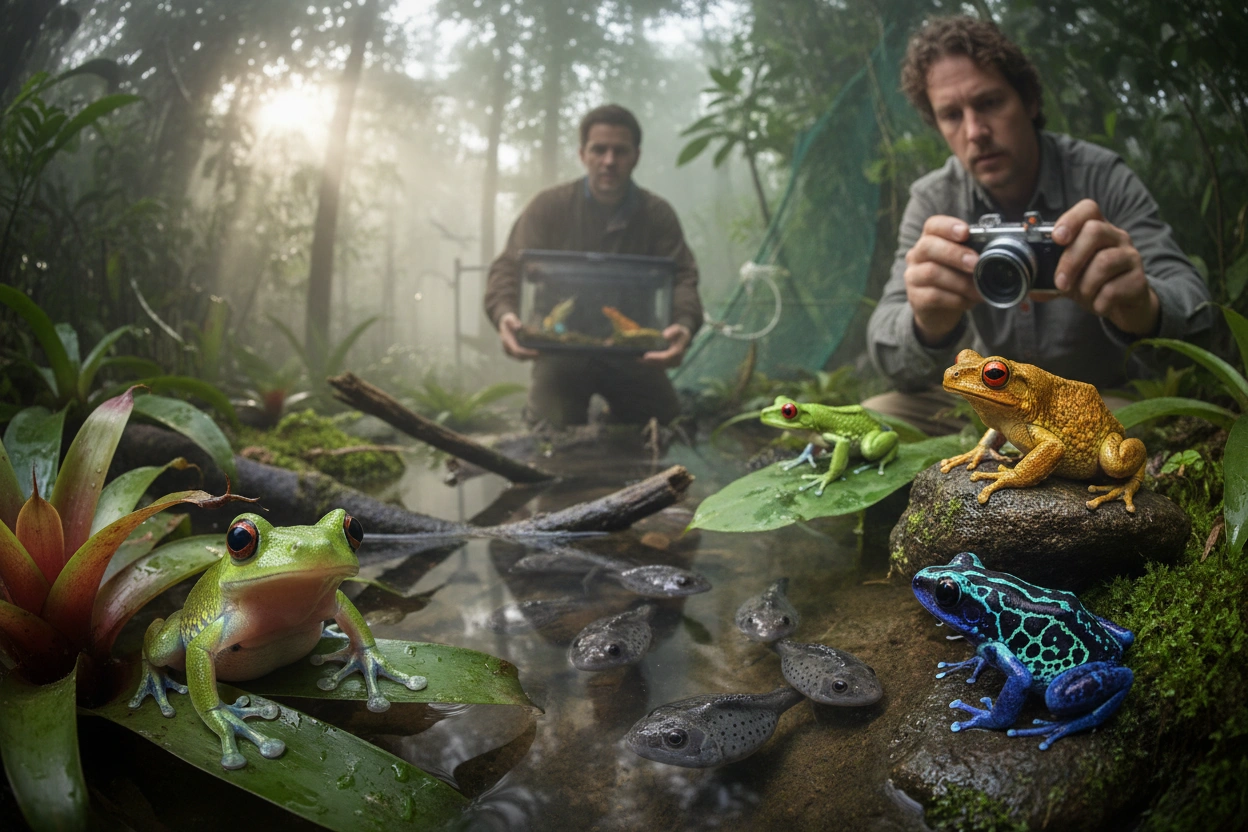
Amphibians play a crucial role in maintaining the health of ecosystems and controlling pest populations. These fascinating creatures, which include frogs, toads, and salamanders, are not just unique in their life cycles and habitats; they are also integral to the balance of their environments. Understanding the multifaceted roles that amphibians play can enhance our appreciation for biodiversity and highlight the importance of their conservation.
In this article, we will explore the various ways in which amphibians contribute to ecosystem health, their unique adaptations, and characteristics that define toads. We will also address common misconceptions surrounding these creatures and provide insights into how their presence can benefit agricultural practices and pest control efforts.

Amphibians are often referred to as bioindicators due to their sensitivity to environmental changes. Their presence or absence can provide critical information about the health of ecosystems. Here, we will delve into their roles as predators, prey, and environmental indicators.
Amphibians are vital in controlling insect populations. Frogs and toads, for instance, consume large quantities of insects, including mosquitoes, flies, and agricultural pests. A single adult frog can eat over 1,000 insects in a season, making them effective natural pest controllers. This natural predation helps maintain the balance of local ecosystems and can reduce the need for chemical pest control methods. fun facts about the Poison Dart Frog.
In addition to being predators, amphibians are also a food source for a variety of animals, including birds, snakes, and mammals. This dual role contributes to the stability of food webs. The decline of amphibian populations can lead to an increase in pests and a decrease in the populations of their predators, disrupting the ecological balance.
Amphibians are particularly sensitive to changes in their environment, such as pollution, habitat loss, and climate change. Their permeable skin makes them susceptible to toxins, making them valuable indicators of ecosystem health. Monitoring amphibian populations can provide early warning signs of environmental issues, allowing for timely conservation efforts.

The survival of amphibians in various environments is due to their unique adaptations. These adaptations enable them to thrive in both aquatic and terrestrial habitats, making them incredibly versatile.
Amphibians possess permeable skin that allows for gas exchange and moisture absorption. This characteristic enables them to survive in diverse environments, but it also makes them vulnerable to environmental pollutants. The skin of amphibians can secrete toxins or chemicals that deter predators, providing them with a defense mechanism.
Amphibians exhibit a wide range of reproductive strategies to ensure the survival of their offspring. Many species lay eggs in water, while others may choose to lay eggs on land. Some even exhibit parental care, guarding their eggs from predators or transporting them to safer environments.
Behaviorally, amphibians have developed various strategies to cope with environmental challenges. For instance, many species are nocturnal, which helps them avoid predators and conserve moisture during the day. Some amphibians can also enter a state of dormancy during unfavorable conditions, such as droughts or extreme temperatures.
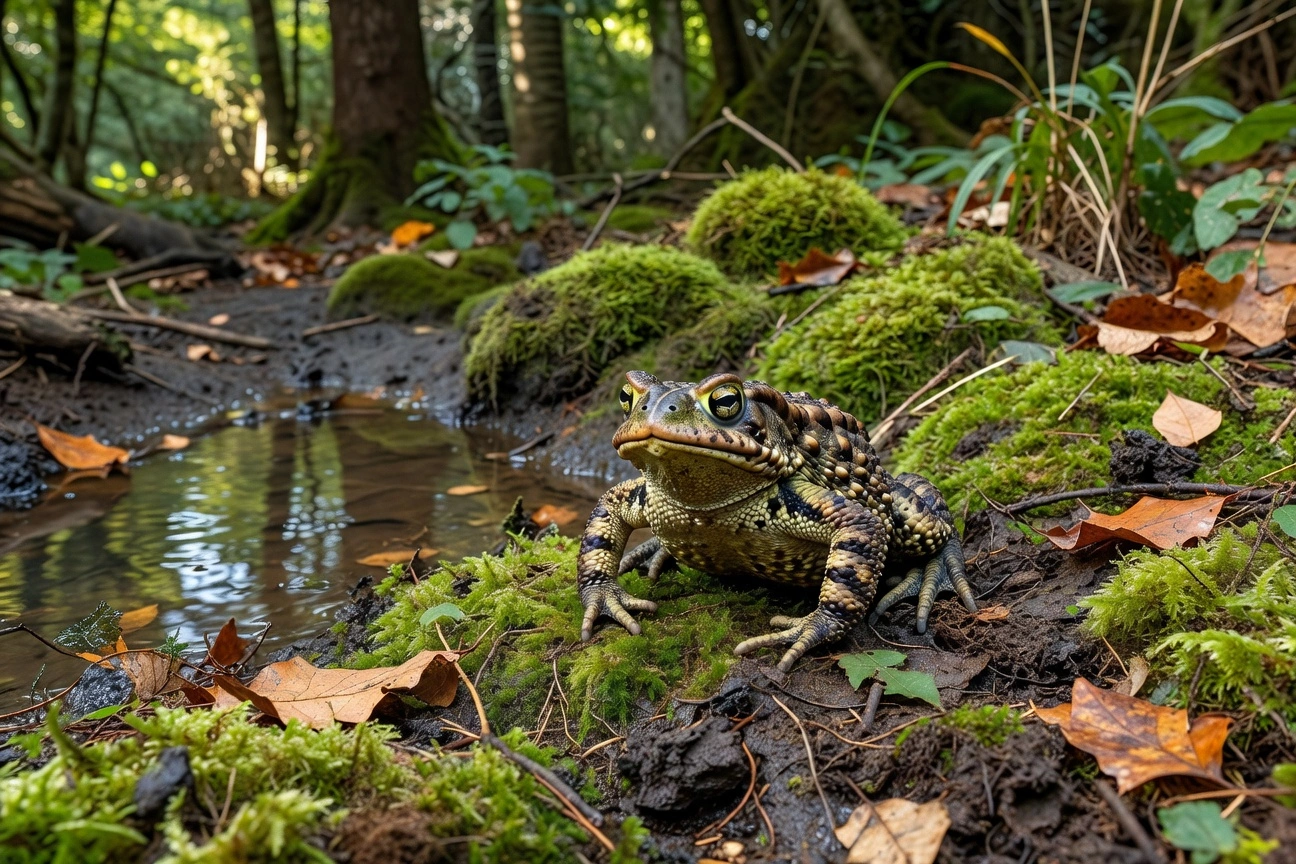
Toads, a subgroup of amphibians, possess distinct characteristics that differentiate them from frogs. Understanding these traits can help in recognizing their ecological roles.
Toads typically have dry, warty skin, which helps them retain moisture. They also have shorter legs compared to frogs, which makes them less adept at jumping. Instead, toads tend to walk or make short hops. These adaptations are advantageous for their terrestrial habitats, where they often reside.
Toads are generally more terrestrial than their amphibian counterparts. They often prefer habitats such as forests, grasslands, and gardens, where they can find shelter and food. Toads are also known for their burrowing behavior, which allows them to escape extreme weather conditions.
Toads produce distinctive calls, especially during the breeding season. These vocalizations serve to attract mates and establish territory. Each species has a unique call, making it easier for researchers and enthusiasts to identify them.
Despite their ecological importance, several misconceptions about amphibians persist. Addressing these misconceptions is vital for promoting awareness and conservation efforts.
One common misconception is that all amphibians are slimy and dangerous. While many people associate amphibians with slime, their skin is actually designed to retain moisture and provide protection. Additionally, while some amphibians can be toxic, many are harmless to humans and play critical roles in their ecosystems.
Another misconception is that amphibians are insignificant in their ecosystems. In reality, they are vital components of food webs, serving as both predators and prey. Their decline can have cascading effects on biodiversity and ecosystem health.
While many amphibians are associated with aquatic habitats, numerous species thrive in terrestrial environments. Understanding the diverse habitats of amphibians can help promote their conservation in various ecosystems.
The future of amphibians is precarious due to habitat loss, pollution, climate change, and disease. Conservation efforts are essential to protect these species and maintain the health of ecosystems.
To ensure the survival of amphibians, several strategies can be implemented:
Habitat Protection: Preserving natural habitats is crucial for amphibian populations. This includes protecting wetlands, forests, and grasslands from development and pollution.
Restoration Projects: Engaging in habitat restoration projects can help rehabilitate areas that have been degraded, providing suitable environments for amphibians to thrive.
Public Awareness Campaigns: Educating the public about the importance of amphibians can foster community involvement in conservation efforts. This includes promoting responsible pet ownership and reducing pesticide use.
Research and Monitoring: Ongoing research and monitoring of amphibian populations can help identify trends and inform conservation strategies. Collaborating with local communities can enhance data collection and engagement.
Community involvement is vital for amphibian conservation. Local organizations and clubs, such as the Banana Slug Club, can play a significant role in raising awareness and implementing conservation initiatives. By engaging community members in hands-on activities, such as habitat restoration or monitoring local populations, we can foster a sense of stewardship for amphibians and their ecosystems.
Understanding the vital role of amphibians in ecosystems and pest control is essential for promoting their conservation. By recognizing their contributions and addressing misconceptions, we can foster a greater appreciation for these unique creatures. The need for active conservation efforts is more pressing than ever, and organizations like Banana Slug Club are pivotal in these endeavors.
As we have explored, amphibians are not only fascinating creatures but also critical components of healthy ecosystems. Their adaptations and characteristics enable them to thrive in diverse environments, while their roles as both predators and prey underscore their importance in maintaining ecological balance.
For those interested in learning more about amphibians and supporting conservation efforts, consider connecting with Banana Slug Club. Together, we can make a difference in protecting these essential creatures and the ecosystems they inhabit.
Visit Banana Slug Club to discover how you can contribute to the conservation of amphibians and help promote a healthier environment for all.
Get free resources, early access to new features and updates.
No spam. Just fun educational emails!


.svg)
.svg)