Choosing the right marine species for culinary or aquaculture purposes can be a complex decision, especially when it comes to crustaceans. These fascinating creatures not only play a crucial role in marine ecosystems but are also a significant part of various cuisines worldwide. With a plethora of alternatives available, it is essential to understand the nuances between crustaceans and other marine species to make informed choices that align with sustainability, flavor, and nutritional needs.
In this article, we will explore the diverse world of crustaceans, offering a comprehensive guide to their benefits, culinary uses, and the strategies to select the right species for your needs. We'll also delve into alternative marine species, highlighting key differences and how to navigate these choices effectively.
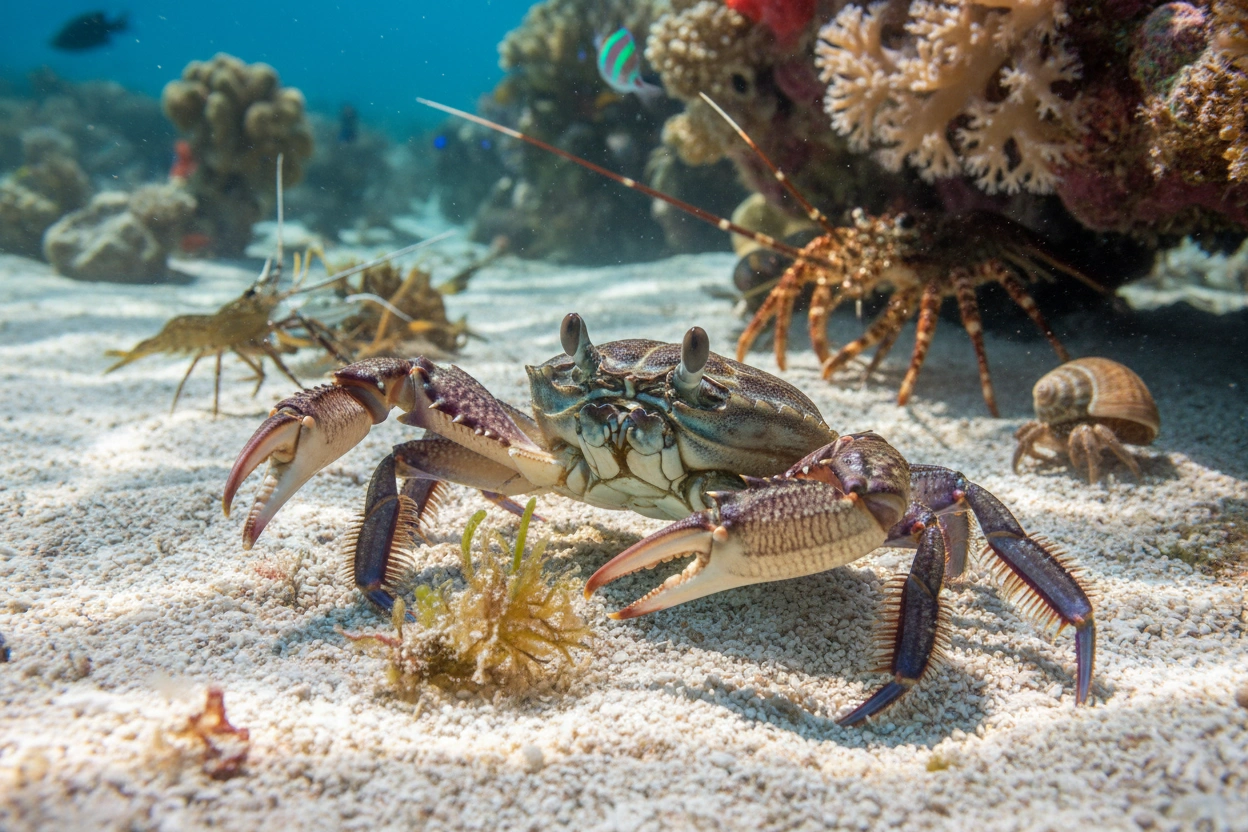
Crustaceans are a diverse group of marine animals characterized by their hard exoskeletons and segmented bodies. This class includes familiar species such as shrimp, crab, lobster, and crayfish. They inhabit various environments, from oceans to freshwater bodies, and are an essential component of the food web.
Crustaceans are not only delicious but also packed with nutrients. They are an excellent source of high-quality protein, essential vitamins, and minerals. For instance, shrimp and crab are rich in vitamin B12, which is crucial for energy production and neurological function. Additionally, crustaceans often contain omega-3 fatty acids, which are beneficial for heart health.
The culinary versatility of crustaceans makes them a popular choice in kitchens around the globe. From classic dishes such as shrimp scampi and crab cakes to innovative creations like lobster bisque as a luxurious starter, crustaceans can elevate any meal. They can be grilled, boiled, sautéed, or even used in stocks and sauces, offering a wide range of flavor profiles.
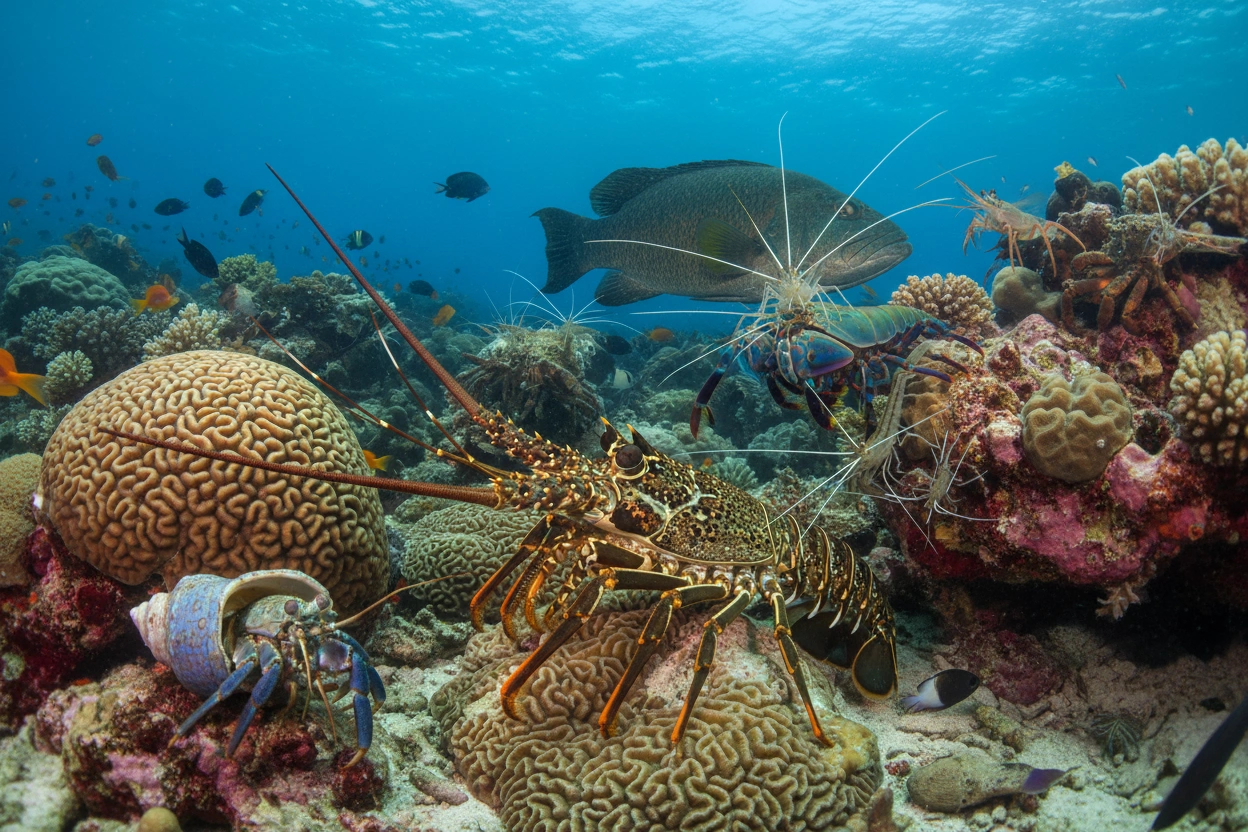
When selecting crustaceans, there are several strategies to ensure you choose the right species for your culinary or aquaculture needs. Here are the top strategies to consider:
Sustainability is a critical factor when choosing crustaceans. Overfishing and habitat destruction have severely impacted many crustacean populations. Opt for species that are certified by organizations like the Marine Stewardship Council (MSC), which ensures that the seafood is sourced sustainably. Familiarize yourself with the environmental impacts of different species and prioritize those that are farmed or harvested in an eco-friendly manner.
Different crustaceans offer distinct flavor profiles, which can significantly influence your culinary creations. For example, lobster has a rich, buttery flavor, while shrimp can be sweet and slightly briny. Understanding these nuances allows you to select the right species for specific dishes. Experiment with various crustaceans to discover which flavors pair best with your favorite ingredients.
Availability can vary based on region and season, impacting your choices. Some crustaceans, like snow crab, are only available during specific times of the year. Check local markets and seafood suppliers to understand what is currently in season. This not only ensures freshness but also supports local fisheries and aquaculture.
Different cooking techniques can enhance or diminish the qualities of crustaceans. For instance, boiling can make shrimp tender, while grilling can impart a smoky flavor. It's essential to match the cooking method with the type of crustacean you are using to achieve the best results. Research various techniques and experiment to find the most suitable method for each species.
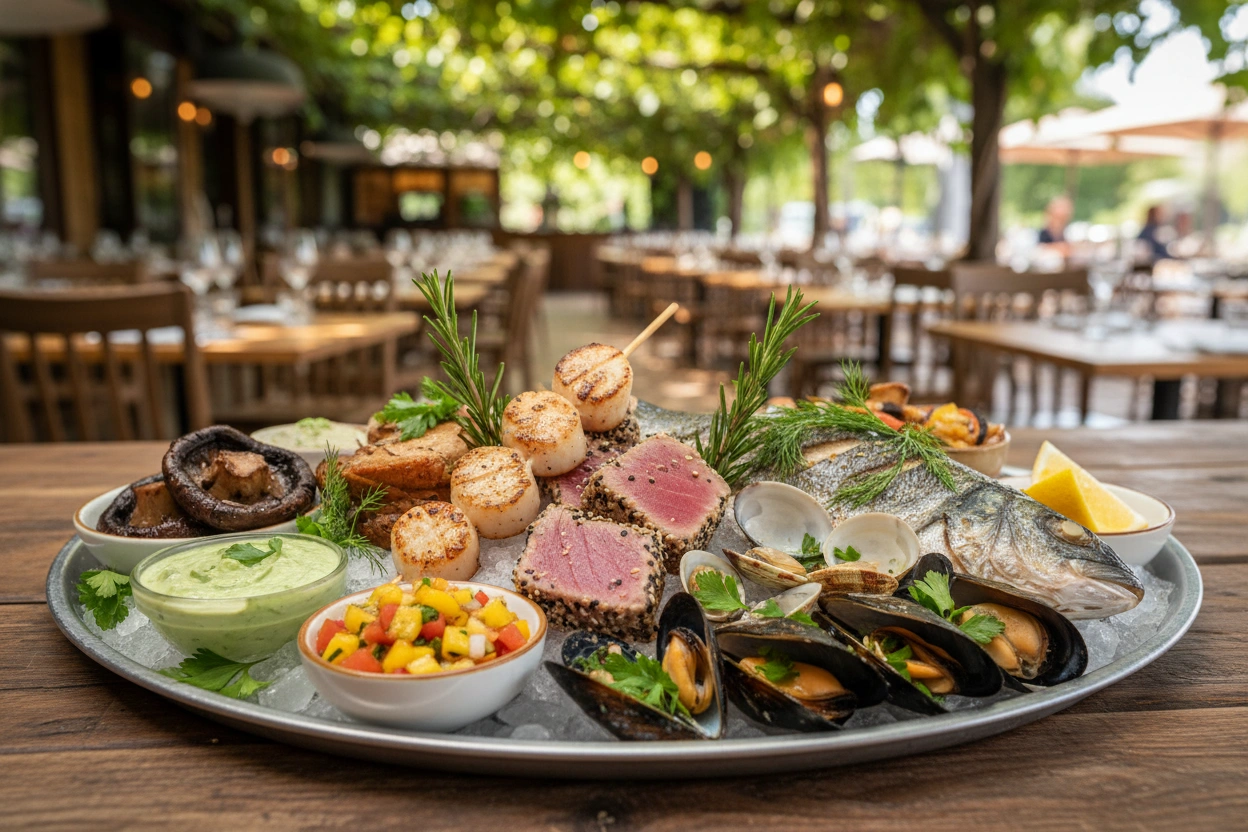
While crustaceans are delicious and nutritious, there are several alternative marine species that can serve as substitutes in various dishes. Understanding these alternatives can provide more options for those who may have dietary restrictions or sustainability concerns.
Fish is a widely available alternative to crustaceans and offers a similar protein profile. Species such as salmon, tuna, and cod can provide a rich flavor and are versatile in cooking. Fish can be grilled, baked, or even used in stews, making them an excellent substitute for crustaceans in many recipes.
Mollusks, including clams, mussels, and scallops, are another great alternative to crustaceans. They are often lower in fat and high in protein, making them a healthy choice. Mollusks can be prepared in various ways, such as steaming, baking, or adding to pasta dishes, offering a unique flavor and texture.
With the rise of plant-based diets, many innovative alternatives to crustaceans are emerging. Products made from ingredients like seaweed, tofu, and legumes can replicate the texture and flavor of seafood. These options are not only sustainable but also cater to those with dietary restrictions, such as vegans or vegetarians.
There are several misconceptions surrounding crustaceans that can lead to confusion when making choices. Addressing these myths can help consumers make more informed decisions.
Many people believe that all crustaceans taste the same, but this is far from the truth. Different species offer unique flavors and textures that can significantly impact a dish. Understanding the specific characteristics of each species can enhance culinary experiences.
While sustainability is a concern for some crustacean species, many are harvested or farmed responsibly. Researching sourcing practices and choosing certified options can ensure that your crustacean choices are environmentally friendly.
Some consumers avoid crustaceans due to misconceptions about their health benefits. In reality, crustaceans are low in calories, high in protein, and contain essential nutrients. Incorporating them into a balanced diet can contribute to overall health.
When it comes to choosing between crustaceans and their alternatives, a thoughtful approach is essential. Here are the steps to ensure you make the best choices:
In conclusion, understanding the world of crustaceans and their alternatives is crucial for making informed choices that benefit both your palate and the environment. With proper knowledge and consideration, you can enjoy the rich flavors of crustaceans while supporting sustainable practices.
At Banana Slug Club, we are committed to educating our community about marine species and promoting sustainable seafood choices. Whether you're exploring new recipes or seeking alternatives, we can provide the resources and insights you need.
For further information on making informed seafood choices, visit Banana Slug Club today. Together, we can make a difference in our culinary habits and environmental impact.
Get free resources, early access to new features and updates.
No spam. Just fun educational emails!


.svg)
.svg)