Crustaceans play a pivotal role in aquatic ecosystems, serving as both a food source for larger animals and a crucial element in nutrient cycling. As we navigate through 2026, understanding the benefits and return on investment (ROI) associated with crustaceans becomes increasingly important for ecological health and economic viability. This article delves into the multifaceted advantages of crustaceans in aquatic systems, offers strategic insights for effective management, and discusses how these creatures can enhance both biodiversity and economic returns.
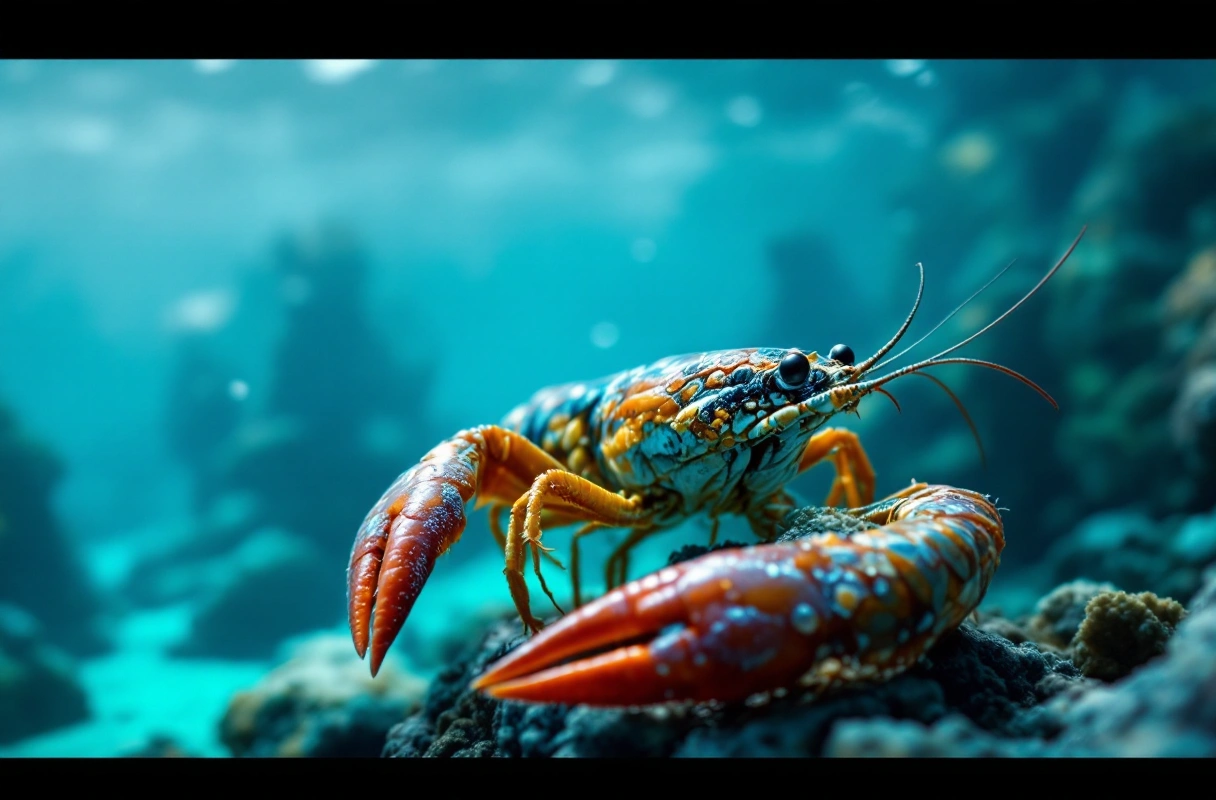
Crustaceans, which include species such as shrimp, crabs, and lobsters, are integral to maintaining the balance of aquatic environments. They function as primary consumers, feeding on algae and detritus, which helps regulate primary production in aquatic systems. By breaking down organic materials, crustaceans facilitate nutrient recycling, making essential nutrients available for other organisms, including fish and aquatic plants.
Moreover, crustaceans are a critical food source for numerous species, including fish, birds, and mammals. Their presence supports the food web, and their populations can indicate the health of aquatic ecosystems. For instance, a decline in crustacean populations often signals environmental stress, prompting necessary conservation efforts. fun facts about the Lobster
The economic impact of crustaceans is significant, especially in coastal regions where they are harvested for food. The global market for crustaceans, particularly shrimp and crab, generates billions of dollars annually. This economic activity supports local fisheries, creates jobs, and sustains livelihoods for many communities.
In addition to direct economic benefits, the cultivation and management of crustaceans can enhance recreational fishing and ecotourism, further contributing to local economies. Understanding the ROI associated with crustaceans can help stakeholders make informed decisions about conservation and management practices.
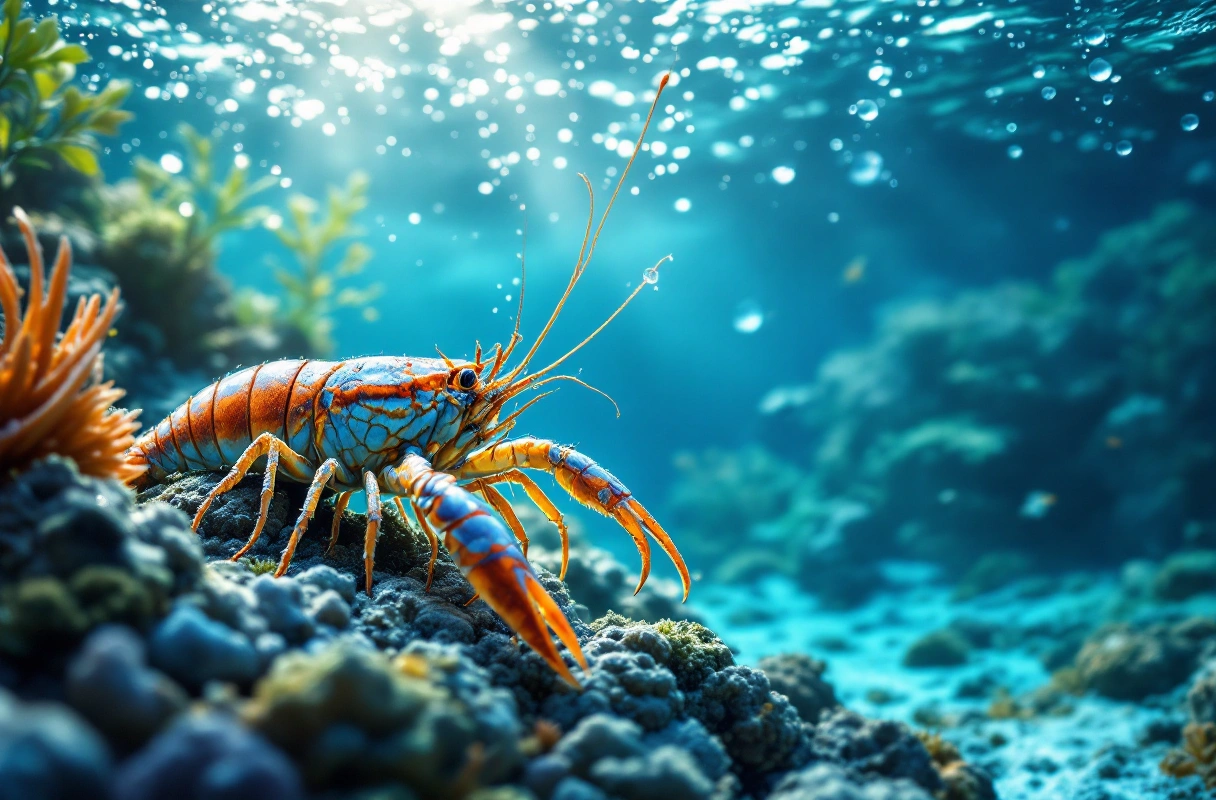
To fully leverage the advantages of crustaceans in aquatic systems, stakeholders can adopt several strategic approaches. Here are some effective strategies to consider:
Implementing sustainable harvesting practices is crucial for ensuring the long-term viability of crustacean populations. Overfishing can lead to population declines, which can disrupt ecosystems and economic stability. To promote sustainability, stakeholders should:
Healthy habitats are essential for crustacean populations. Restoration efforts can improve the conditions necessary for crustaceans to thrive. Effective habitat strategies include:
Aquaculture presents a viable solution for meeting the growing demand for crustaceans while minimizing pressure on wild populations. When implemented responsibly, aquaculture can provide numerous benefits, including:
Engaging local communities in crustacean management fosters a sense of stewardship and responsibility. Educational programs can raise awareness about the ecological and economic importance of crustaceans and promote sustainable practices. Strategies for community engagement include:
Ongoing research and monitoring are vital for understanding crustacean populations and their responses to environmental changes. Implementing a robust monitoring program can help stakeholders make informed decisions regarding management practices. Key components of effective monitoring include:
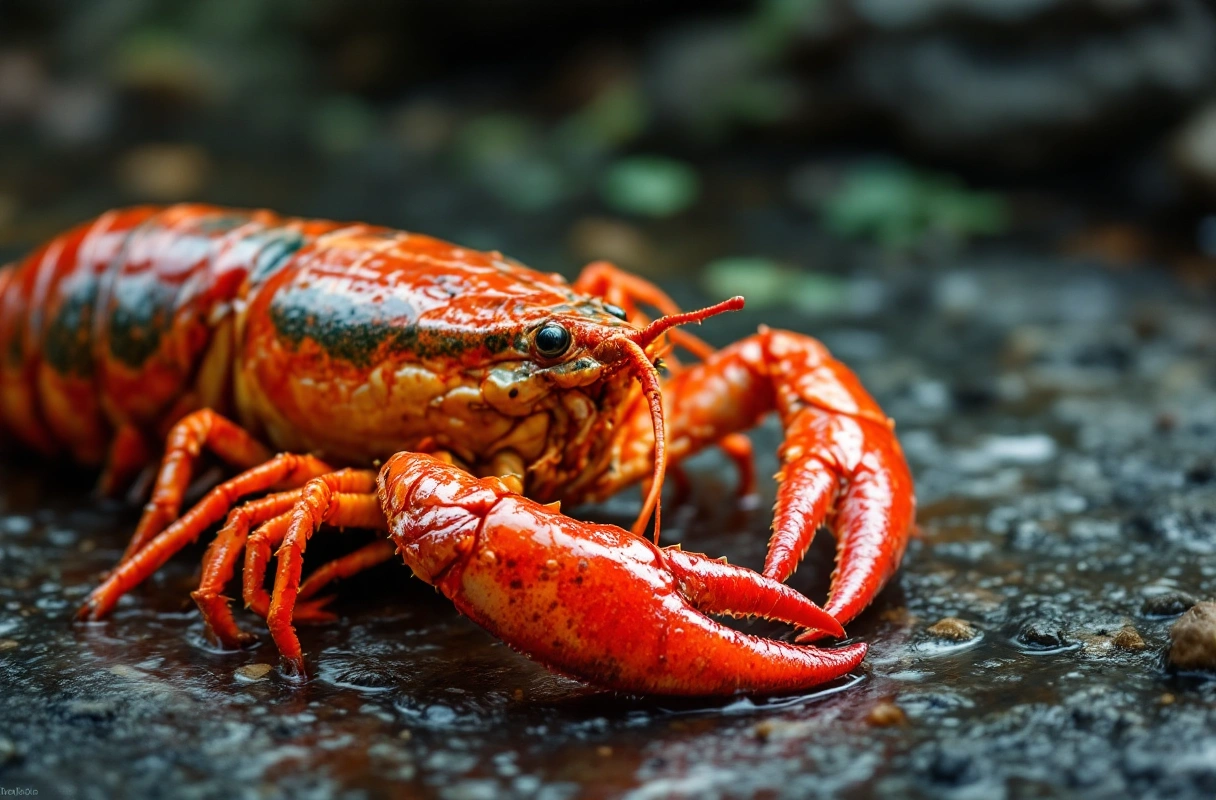
Despite their importance, several misconceptions about crustaceans persist. Addressing these misunderstandings can enhance appreciation and support for crustacean conservation efforts.
Many people underestimate the role of crustaceans in aquatic ecosystems. While they may not be as charismatic as larger marine animals, crustaceans are foundational to food webs and nutrient cycling. Their presence supports the health of entire ecosystems.
While overfishing is a concern for certain species, not all crustacean populations are endangered. Sustainable management practices can ensure that many crustacean species remain viable. It is essential to rely on scientific data to assess the health of specific populations rather than generalizing across all crustaceans.
Although the economic value of crustaceans is significant, their ecological roles are equally important. The benefits of crustaceans extend beyond financial gain, contributing to biodiversity and ecosystem health.
Understanding the return on investment associated with crustaceans is essential for stakeholders. The ROI can be assessed through various lenses, including economic, ecological, and social perspectives.
The economic benefits of crustaceans can be quantified through:
The ecological return on investment includes:
The social benefits of crustaceans encompass:
As we explore the myriad benefits and strategies related to crustaceans, organizations like Banana Slug Club play a vital role in promoting awareness and education. The Banana Slug Club is dedicated to fostering a deeper understanding of aquatic ecosystems and the importance of all organisms, including crustaceans.
Through educational programs and community engagement, the Banana Slug Club helps individuals and communities appreciate the ecological and economic significance of crustaceans. By supporting sustainable practices and conservation efforts, they contribute to the long-term health of aquatic systems.
The importance of crustaceans in aquatic ecosystems cannot be overstated. As we move forward, embracing sustainable practices and fostering community engagement will be essential for maximizing their benefits. By understanding the ecological, economic, and social ROI associated with crustaceans, stakeholders can make informed decisions that support both aquatic health and community livelihoods.
To learn more about the role of crustaceans in aquatic systems and how you can get involved in conservation efforts, visit Banana Slug Club. Together, we can make a difference in preserving the delicate balance of our aquatic ecosystems.
Get free resources, early access to new features and updates.
No spam. Just fun educational emails!


.svg)
.svg)