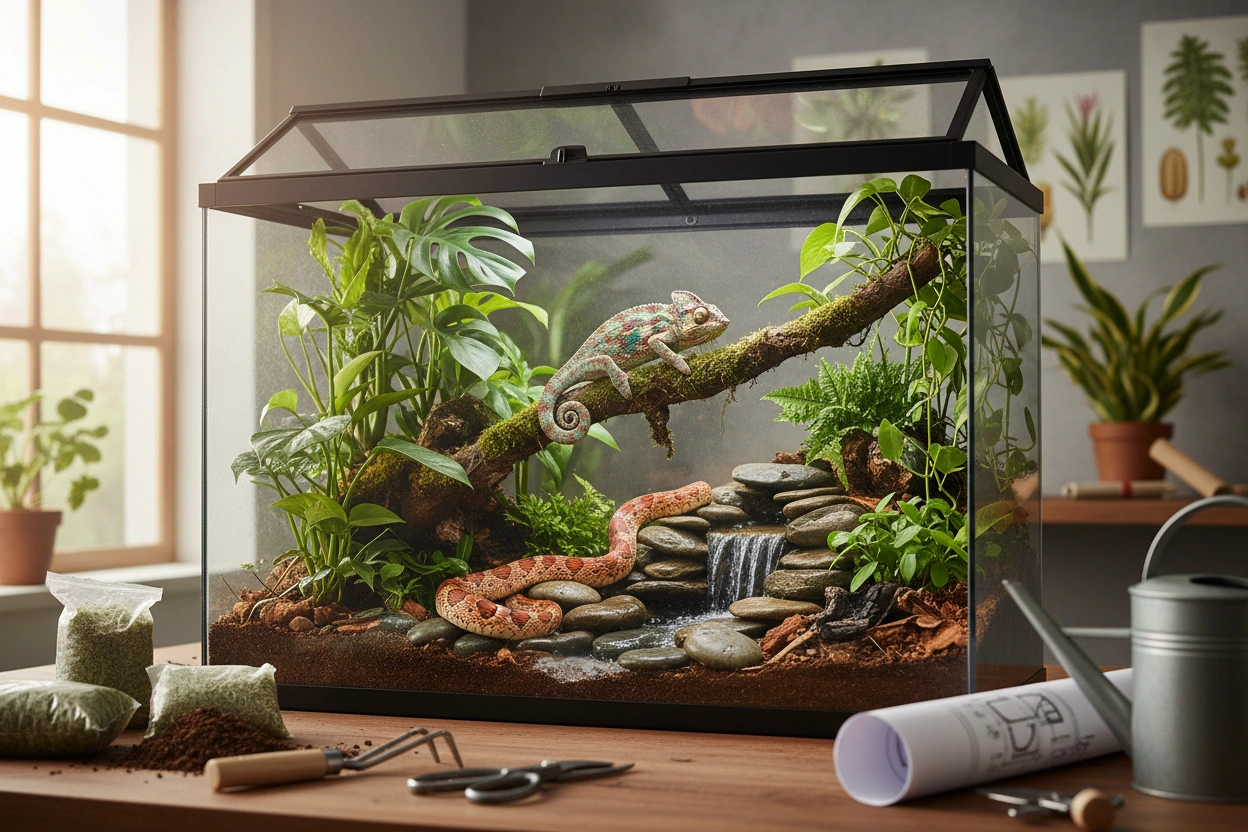
Creating naturalistic habitats for reptiles is a rewarding endeavor that not only enhances the well-being of these fascinating creatures but also enriches the experience for their caretakers. As of 2026, the interest in reptile care has grown significantly, with many beginners eager to provide their pets with environments that mimic their natural habitats. This article will delve into the intricacies of creating such habitats, covering essential tips for beginners, common misconceptions, and a look at endangered reptile species and their conservation.
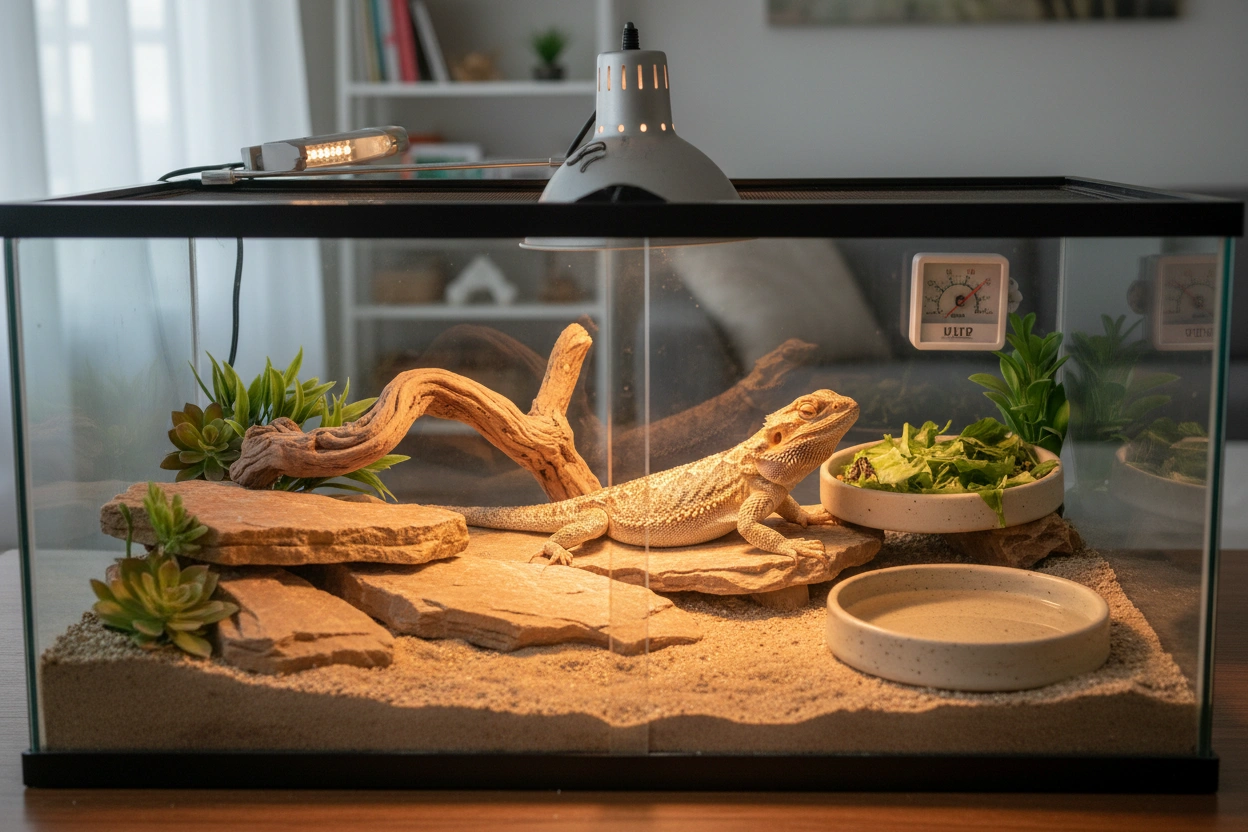
Reptiles are a diverse group of animals, including snakes, lizards, turtles, and more. Each species has unique environmental requirements that must be met to ensure their health and well-being. Understanding these needs is the first step in creating a naturalistic habitat.
Different reptiles have specific habitat requirements, and it is crucial to research the particular species you plan to keep. Here are some general factors to consider:
Temperature Regulation: Most reptiles are ectothermic, meaning they rely on external heat sources to regulate their body temperature. Providing a temperature gradient within the habitat is essential, allowing the reptile to move between warmer and cooler areas.
Humidity Levels: Humidity is another critical factor, especially for species from tropical regions. Utilizing hygrometers can help monitor moisture levels, and incorporating live plants or water features can assist in maintaining humidity.
Lighting Needs: UVB lighting is essential for many reptiles, as it helps them synthesize vitamin D3, which is vital for calcium absorption. Ensure that the light source mimics natural sunlight as closely as possible.
New reptile keepers often make mistakes that can negatively impact the health of their pets. Here are some common pitfalls to avoid:
Overcrowding the Habitat: It can be tempting to add multiple reptiles into one enclosure, but this can lead to stress and territorial disputes. Research each species' space requirements before making decisions.
Neglecting Substrate Choice: The substrate should mimic the natural environment and be safe for the reptile. For example, sand may be suitable for desert-dwelling reptiles, while a more organic mix may be necessary for forest dwellers.
Ignoring Behavioral Needs: Reptiles have natural behaviors that need to be accommodated. Providing hiding spots, climbing structures, and other enrichment can help reduce stress and promote healthy behaviors.
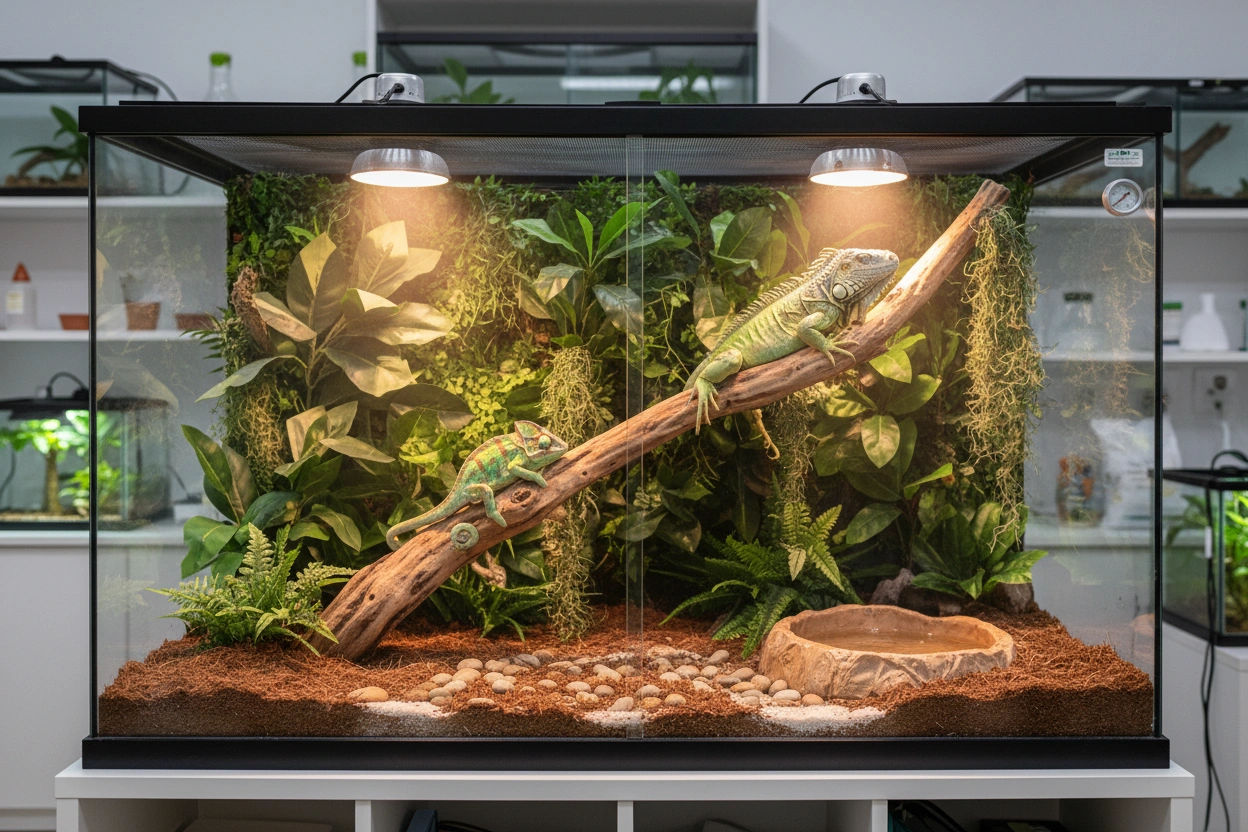
Creating a visually appealing and functional habitat involves thoughtful design and careful selection of materials. Here are key components to consider:
The enclosure is the foundation of any reptile habitat. The type of enclosure will depend on the species you are keeping. Here are some options:
Glass Terrariums: These are popular for many reptiles due to their visibility and ease of maintenance. They come in various sizes and can be customized with different substrates and decorations.
Wooden Cages: Ideal for larger reptiles, wooden cages offer better insulation and can be more aesthetically pleasing. Ensure they are properly sealed to prevent moisture damage.
Plastic Tubs: For temporary housing or breeding setups, plastic tubs can be an economical choice. However, they may not provide the same level of visibility or ventilation.
Adding natural elements to the habitat enhances its authenticity. Consider the following:
Live Plants: Incorporating live plants not only beautifies the habitat but also provides hiding spots and climbing opportunities. Be sure to choose non-toxic plants that are suitable for reptiles.
Rocks and Logs: Natural rocks and driftwood can create climbing structures and basking spots. Ensure they are clean and free from pesticides or chemicals.
Water Features: A small water dish or a shallow pool can help maintain humidity and provide hydration. Ensure it is easily accessible for the reptile.
A well-designed habitat should feature distinct zones that cater to the reptile's needs. Consider dividing the enclosure into:
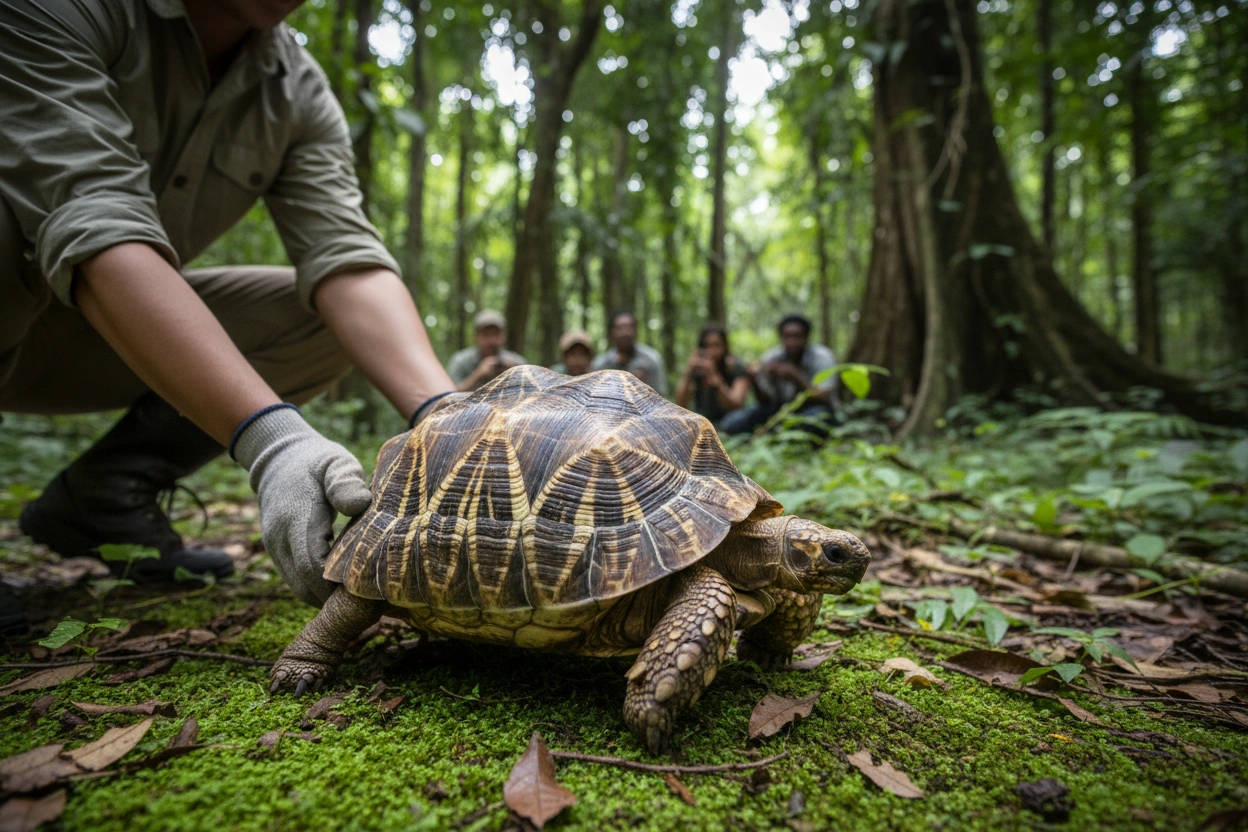
Understanding the plight of endangered reptile species is essential for fostering a culture of conservation. Here are ten notable examples:
Hawksbill Sea Turtle (Eretmochelys imbricata): Critically endangered due to illegal trade and habitat loss, efforts focus on protecting nesting sites and reducing bycatch in fishing.
Psychedelic Rock Gecko (Cnemaspis psychedelica): This species is threatened by habitat destruction and illegal collection for the pet trade. Conservation efforts include habitat preservation.
Gharial (Gavialis gangeticus): With fewer than 200 breeding adults remaining, conservationists work to restore river habitats and reduce human-wildlife conflict.
Anegada Ground Iguana (Cyclura pinguis): This iguana is critically endangered due to habitat loss and predation. Conservationists are working on breeding programs and habitat protection.
Maui Snails (Partula spp.): Once abundant, these snails have faced extinction due to habitat loss and invasive species. Conservation efforts are focused on captive breeding and habitat restoration.
Iberian Midwife Toad (Alytes cisternasii): Threatened by habitat degradation and climate change, conservationists are monitoring populations and restoring breeding sites.
Yangtze Giant Softshell Turtle (Rafetus swinhoei): The world's rarest turtle, with only a few individuals left, conservationists are attempting to breed the remaining turtles in captivity.
Florida Box Turtle (Terrapene carolina): Habitat loss and road mortality have led to declining populations. Conservation efforts focus on habitat protection and public education.
Saint Lucia Racer (Erythrolamprus ornatus): Once thought extinct, this snake has been brought back from the brink through habitat restoration and predator control.
Eastern Indigo Snake (Drymarchon couperi): This non-venomous snake is threatened by habitat loss and fragmentation. Conservation efforts are focused on habitat restoration and protection.
Reptile enthusiasts can play a vital role in conservation efforts. By supporting organizations dedicated to reptile protection, participating in citizen science projects, and spreading awareness, hobbyists can contribute to the preservation of these species.
Creating a naturalistic habitat for reptiles requires careful planning and a commitment to understanding the specific needs of the species you are caring for. By following the guidelines outlined in this article, beginners can create enriching environments that promote the health and happiness of their reptiles.
As you embark on your journey to create naturalistic habitats for reptiles, remember that the knowledge you gain is invaluable. The insights shared in this article provide a foundation for understanding the complexities of reptile care and conservation. At Banana Slug Club, we are dedicated to supporting reptile enthusiasts through education and resources that foster a love for these remarkable creatures.
For more information on reptile care and to connect with a community of like-minded individuals, visit Banana Slug Club. Together, we can make a difference in the lives of reptiles and contribute to their conservation.
Get free resources, early access to new features and updates.
No spam. Just fun educational emails!


.svg)
.svg)