Creating a suitable habitat for reptiles is essential for their health and well-being. As a diverse group of animals that include snakes, lizards, turtles, and more, reptiles have specific environmental needs that must be met for them to thrive in captivity or as part of conservation efforts. Understanding these needs not only enhances the life of your reptiles but also contributes to the preservation of various endangered species. In this article, we will explore essential tips for creating natural reptile habitats, delve into the top ten endangered reptile species, and discuss their conservation status.
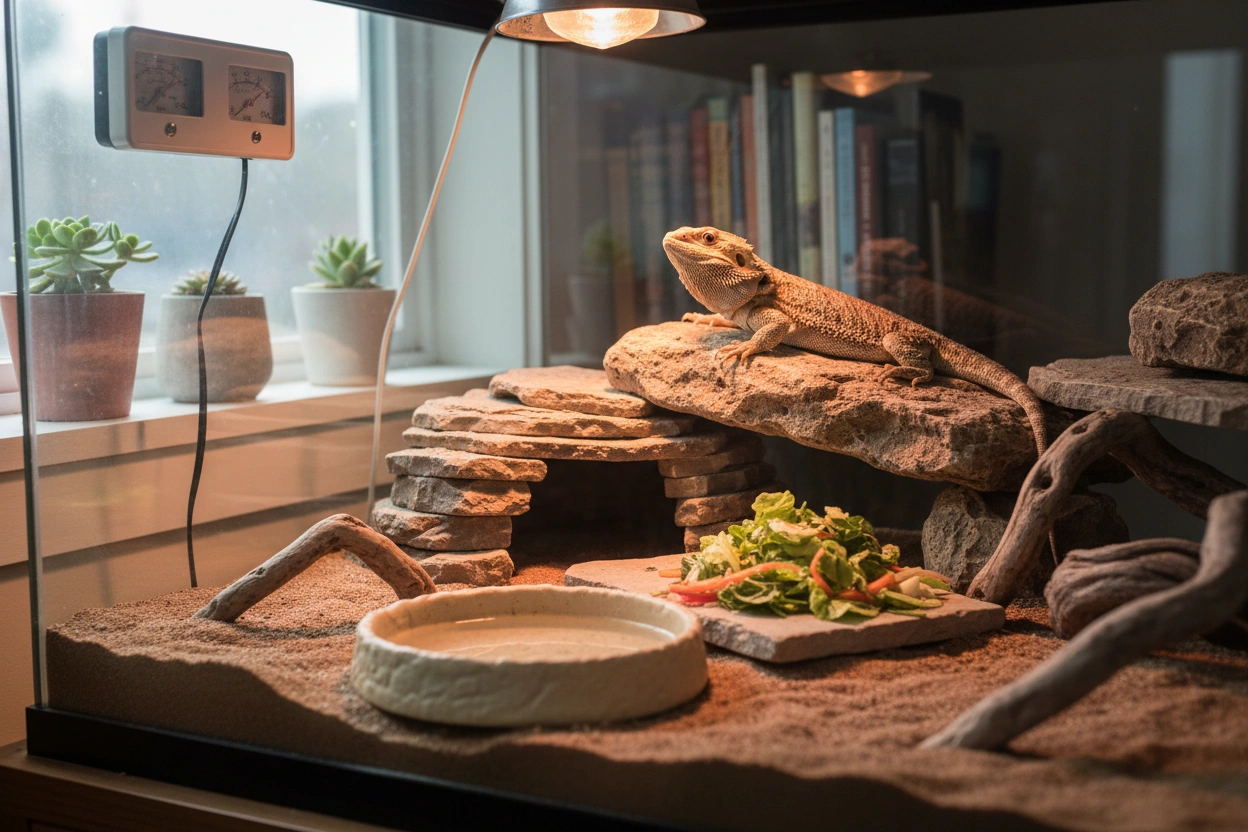
Reptiles are ectothermic creatures, meaning they rely on external sources to regulate their body temperature. This characteristic influences their habitat requirements significantly. To create a healthy environment for reptiles, it is crucial to understand their specific needs, which include temperature gradients, humidity levels, and appropriate hiding spots.
Proper temperature regulation is vital for the health of reptiles. Each species has its preferred temperature range, typically including a basking area that is warmer and a cooler area to retreat to. Here are some guidelines to ensure the right temperature and humidity levels:
Reptiles thrive in environments that mimic their natural habitats. This involves creating a structured space that offers various hiding spots, climbing areas, and basking surfaces. Consider the following:

As we focus on creating optimal habitats for reptiles, it is equally important to recognize the plight of endangered species. The following is a list of ten endangered reptiles, highlighting their conservation status and the challenges they face:
The Kakapo is a flightless parrot native to New Zealand and is critically endangered due to habitat destruction and predation by introduced species. Conservation efforts include habitat restoration and a breeding program.
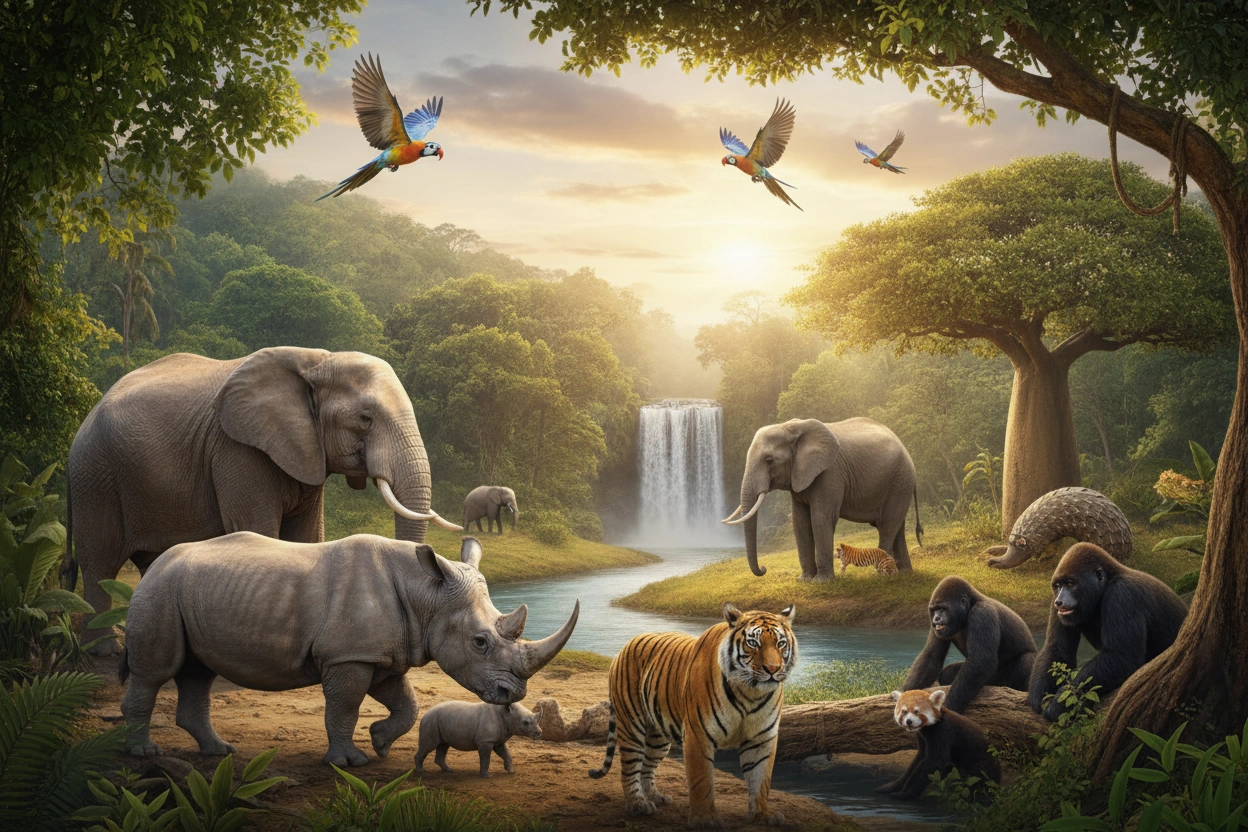
While primarily known as elephants, their habitat overlaps with numerous reptiles, making their conservation critical for the ecosystem. Deforestation for palm oil plantations poses a significant threat.
Once thought extinct, the Pinta Island tortoise is now critically endangered with only a few individuals remaining. Conservation measures focus on breeding and habitat protection. Discover Incredibly Fun Facts about the Giant Tortoise
This fish-eating crocodilian from the Indian subcontinent is endangered due to habitat loss and depletion of fish resources. Conservation initiatives include breeding programs and habitat restoration.
With only a few individuals left, this turtle species is on the brink of extinction. Conservationists are working on breeding efforts and habitat protection to save this species.
While primarily a mammal, the Florida Panther's habitat is crucial for numerous reptile species. Urban development and habitat fragmentation threaten its survival.
This tortoise is critically endangered due to poaching and habitat loss. Conservation efforts focus on habitat protection and captive breeding.
Though amphibians, their unique ecosystem interactions impact various reptiles. Habitat loss and pollution threaten their survival, making conservation essential.
Endangered due to habitat loss, these tortoises play a vital role in their ecosystems. Conservation efforts include habitat restoration and protection from invasive species.
As a non-venomous snake, the Eastern Indigo is endangered due to habitat destruction and fragmentation. Conservation efforts are focused on habitat preservation and education.
Creating a suitable habitat for reptiles often comes with misconceptions that can lead to poor care practices. Addressing these myths can help improve the well-being of these fascinating animals.
One of the most common misconceptions is that all reptiles have similar habitat requirements. In reality, different species have vastly different needs regarding temperature, humidity, and dietary requirements. Researching the specific needs of your reptile species is essential for their health.
Another prevalent myth is that reptiles can live comfortably in small tanks. While young reptiles may require smaller spaces, adults need larger enclosures to accommodate their natural behaviors, such as roaming, basking, and hiding. A larger habitat supports their physical and mental health.
Some believe that since reptiles are kept in captivity, they do not require environments that mimic their natural habitats. This misconception is detrimental, as reptiles thrive when they have access to environments that resemble their native ecosystems. Providing enrichment and natural materials is vital for their overall well-being.
To ensure a healthy environment for reptiles, sustainability should be a key consideration. Implementing eco-friendly practices not only benefits the reptiles but also contributes to broader conservation efforts.
Engaging with local conservation efforts can enhance your understanding of reptiles and contribute to their protection. Here are ways to get involved:
Education plays a crucial role in reptile conservation. Understanding the ecological significance of reptiles helps foster a culture of respect and care for these animals.
Contributing to or participating in research initiatives can provide valuable data for conservation efforts. Engage with institutions that focus on reptile studies and offer support through volunteering or funding.
Creating natural reptile habitats is not just about providing a home for reptiles; it is a critical aspect of broader conservation strategies. By understanding the needs of reptiles and the challenges they face, we can contribute to their survival and well-being. Organizations like Banana Slug Club are dedicated to promoting education and conservation, helping to create a sustainable future for reptiles.
Banana Slug Club offers resources and support for individuals interested in reptile care and conservation. By engaging with our community, you can access valuable information on creating suitable habitats, understanding reptile biology, and participating in conservation efforts.
For more information on how you can get involved and make a difference in the lives of reptiles, feel free to reach out.
Contact Banana Slug Club to learn more about our initiatives and how you can play a part in protecting these incredible creatures and their habitats.
Get free resources, early access to new features and updates.
No spam. Just fun educational emails!


.svg)
.svg)