Birds of prey, known for their keen eyesight and powerful hunting skills, are a fascinating group of birds that include eagles, hawks, falcons, and owls. They play an essential role in the ecosystem by controlling rodent populations and contributing to the balance of nature. If you wish to attract these magnificent creatures to your garden, there are several best practices you can adopt to create a bird-friendly environment. This article will guide you through the steps to attract local birds of prey, along with tips on responsible observation and identification.

Birds of prey are apex predators, meaning they are at the top of the food chain. Their presence is vital for maintaining the ecological balance in their habitats. By preying on rodents and other small mammals, they help control populations that could otherwise lead to overpopulation and ecological imbalance. Additionally, they contribute to the health of their environments by scavenging, which helps in nutrient recycling.
In most regions, you can find a variety of birds of prey. Some common species include:
Understanding these species helps in recognizing them and appreciating their roles in the ecosystem. Fun facts about the Secretary Bird can also provide insights into their unique behaviors and habitats.
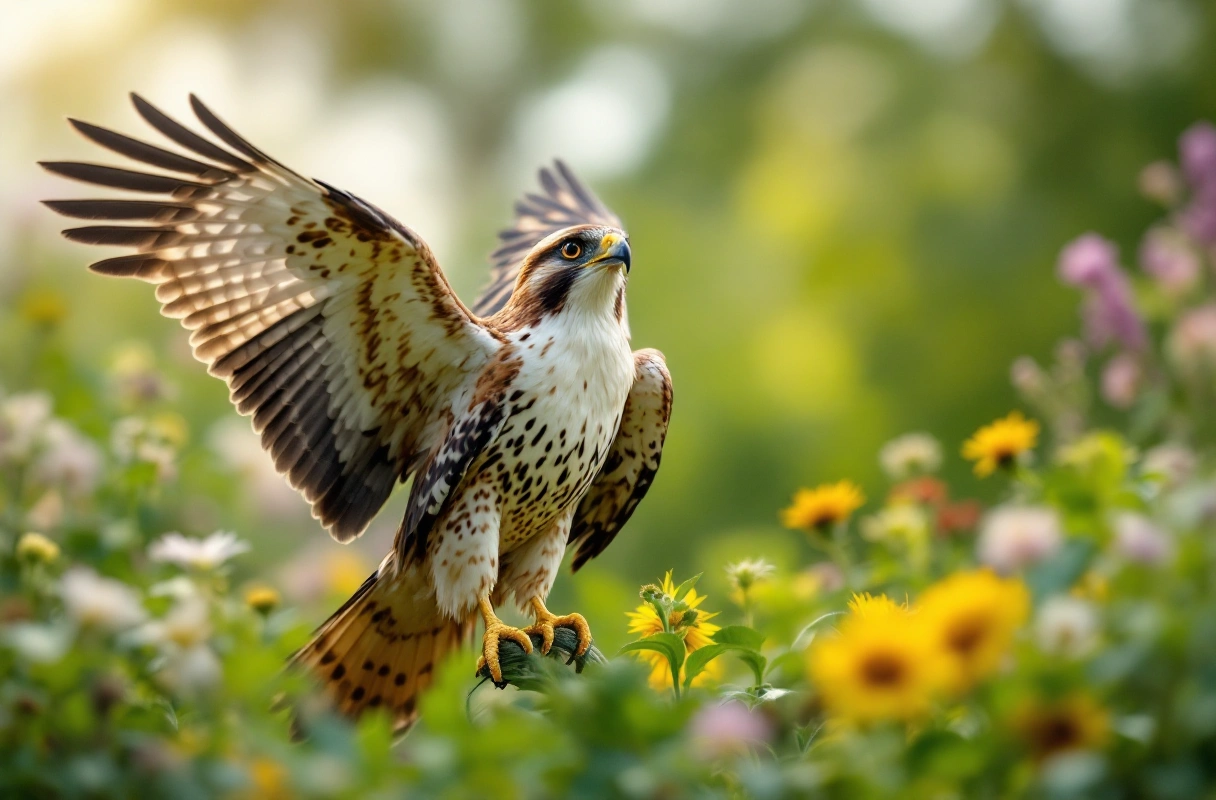
One of the most effective ways to attract birds of prey is to create a diverse habitat with native plants. Native plants provide food and shelter, which are essential for attracting various bird species.
Choose the Right Plants: Select plants that produce berries, seeds, and nectar. Some examples include:
Create Layers: Incorporate a variety of plant heights to provide cover and nesting sites. This can include:
Avoid Invasive Species: Invasive plants can disrupt local ecosystems and reduce the availability of food and shelter for native wildlife.
Birds need water for drinking and bathing. Including a water feature in your garden can significantly enhance its appeal to birds of prey.
Birds of prey often need high vantage points to survey their surroundings for prey. Incorporating perches and nesting sites can encourage them to visit your garden.
The use of pesticides and chemicals can harm birds and their prey. By adopting organic gardening practices, you create a safer environment for wildlife.
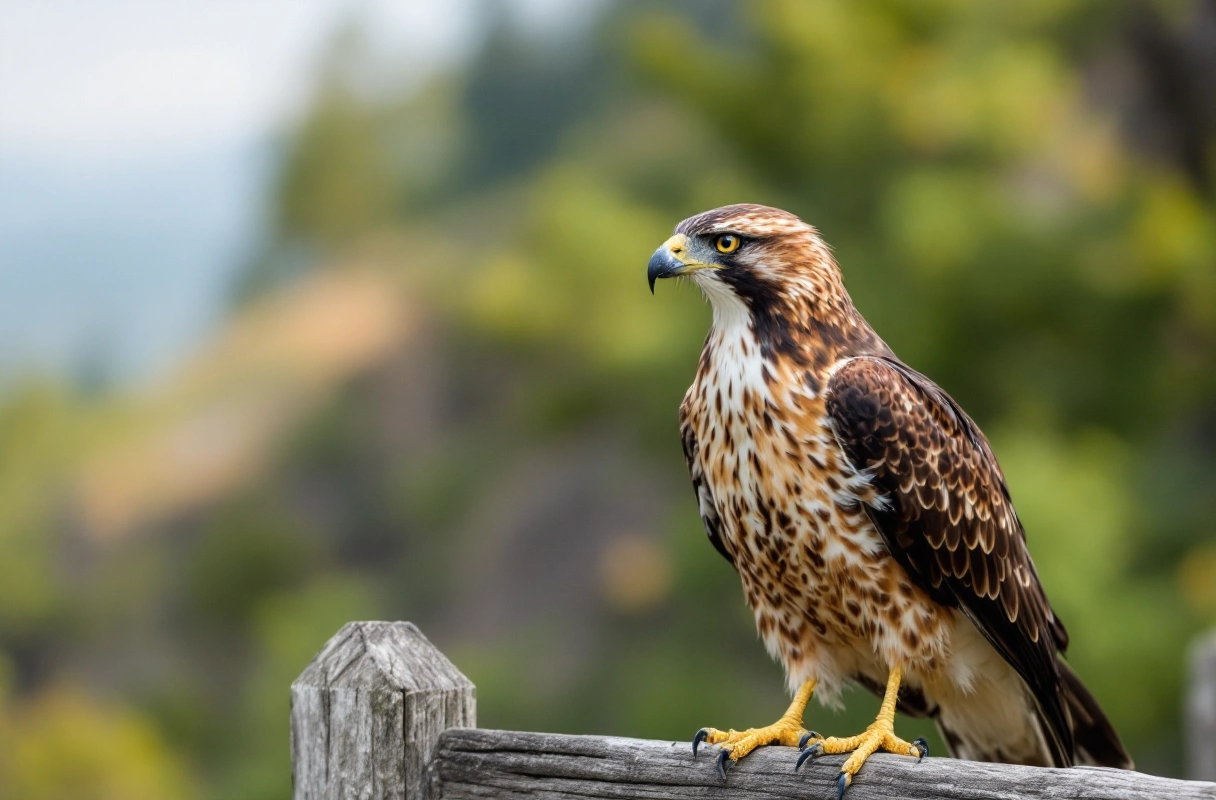
To observe birds of prey effectively, it is crucial to understand their behavior. These birds are often solitary or found in small groups, hunting during specific times of the day.
Identifying birds of prey can be challenging, but with practice, you can become proficient in recognizing different species.
When observing birds of prey, it is vital to respect their space and habitat. Disturbing nesting sites or approaching too closely can stress the birds and impact their behavior.
While many birds of prey primarily hunt small mammals, they are opportunistic feeders and may also eat larger prey when available. For example, a red-tailed hawk can take down rabbits, while a peregrine falcon may target small birds.
Not all birds of prey are endangered. While some species face threats due to habitat loss and pollution, many are thriving. It is essential to support conservation efforts to protect those that are vulnerable while appreciating the success of more stable populations.
Creating a welcoming environment for birds of prey in your garden requires planning and dedication. Consider implementing the following strategies:
Creating bird-friendly gardens not only benefits local wildlife but also fosters a deeper connection between communities and nature. Engaging in birdwatching can lead to increased awareness of environmental issues and inspire community action to protect local habitats.
By actively participating in local conservation efforts, you can play a significant role in ensuring the survival of birds of prey and other wildlife. Organizations like the Banana Slug Club offer resources and support for those looking to contribute to conservation efforts in their communities. If you are interested in learning more about fostering wildlife in your garden or participating in local conservation efforts, visit Banana Slug Club for more information.
In conclusion, attracting birds of prey to your garden involves understanding their needs and creating a suitable habitat. By implementing the strategies outlined in this article, you can enjoy the beauty and majesty of these incredible birds while contributing to their conservation.
Get free resources, early access to new features and updates.
No spam. Just fun educational emails!


.svg)
.svg)