Creating an Ideal Reptile Habitat: Setup Tips for Beginners
Creating a suitable habitat for reptiles is an exciting venture for both new and experienced enthusiasts alike. Reptiles are fascinating creatures that require specific environmental conditions to thrive. Whether you are considering adopting common reptiles such as snakes, lizards, or turtles, understanding their habitat needs is crucial. This article will guide you through the essential steps to create an ideal reptile habitat while also exploring the top ten endangered reptile species and their conservation efforts.
Understanding the Basics of Reptile Habitats
Reptiles are ectothermic, meaning they rely on their environment to regulate their body temperature. Therefore, the habitat you create must mimic their natural environment as closely as possible. This includes appropriate lighting, temperature, humidity, and substrate. Each species of reptile has specific needs, and it's vital to research the particular requirements of the reptiles you plan to keep.
Key Components of a Reptile Habitat
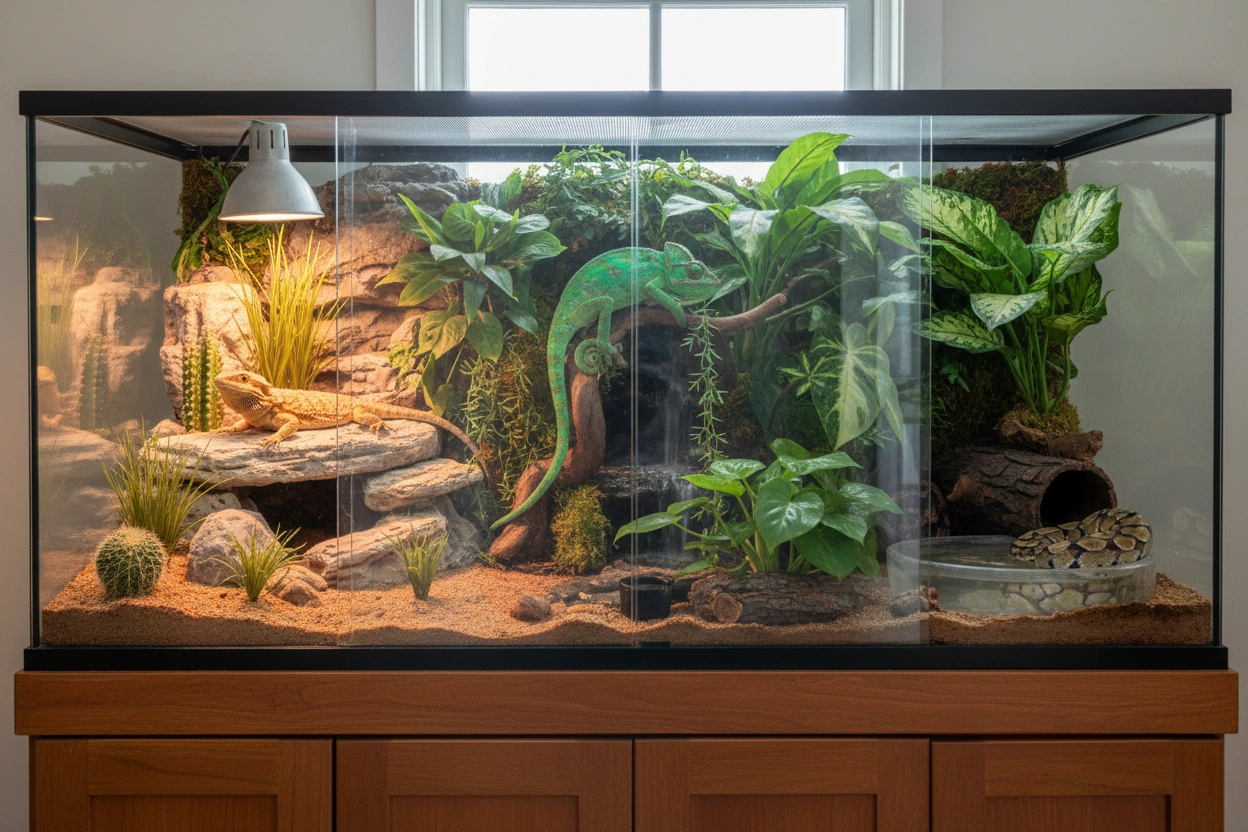
- Temperature Regulation: Reptiles require a temperature gradient in their habitat. This means one side of the enclosure should be warmer, allowing reptiles to bask, while the other side should be cooler for them to retreat.
- Humidity Control: Different reptiles have varying humidity needs. For instance, tropical species may require higher humidity levels compared to desert-dwelling reptiles. You can achieve this through misting, water features, or humidity gauges.
- Lighting: UVB lighting is essential for many reptiles to synthesize Vitamin D3, which is critical for calcium absorption. Ensure your enclosure has proper lighting that mimics natural sunlight.
Choosing the Right Enclosure
The type of enclosure you choose is fundamental to your reptiles' well-being. Options include glass aquariums, plastic terrariums, and custom-built cages. Consider the following when selecting an enclosure:
- Size: Ensure the enclosure is spacious enough for the reptile to move around comfortably. A good rule of thumb is to provide at least twice the length of the reptile in the enclosure’s length.
- Ventilation: Proper airflow is essential to prevent mold and respiratory issues. Look for enclosures with screens or vents.
- Security: Reptiles are escape artists. Ensure that the enclosure has secure locks and is made of sturdy materials to prevent escapes.
Essential Setup Tips for Beginners
Setting up a reptile habitat involves several steps. Follow these essential tips to ensure your reptiles have a comfortable and safe living environment:
Step-by-Step Habitat Setup
- Research Your Species: Before setting up the habitat, research the specific needs of the reptiles you are interested in. This will guide your choices in temperature, humidity, and diet.
- Select Appropriate Substrate: The substrate varies based on the species. Sand is suitable for desert reptiles, while coconut fiber works well for tropical species. Avoid substrates that could be ingested or cause impaction.
- Incorporate Hiding Spots and Climbing Structures: Reptiles need places to hide and explore. Use rocks, logs, or commercially available hides to create a stimulating environment.
- Install Heating and Lighting Equipment: Set up basking lights and UVB lamps according to the specific needs of your reptiles. Ensure these are installed securely and checked regularly.
- Monitor Environmental Conditions: Use thermometers and hygrometers to keep track of temperature and humidity levels. Adjust as necessary to maintain optimal conditions.
Common Mistakes to Avoid
New reptile owners often make mistakes that can lead to health issues for their pets. Here are common pitfalls to avoid:
- Ignoring Species-Specific Needs: Failing to research the particular requirements of different reptiles can lead to improper care.
- Overcrowding the Habitat: Many beginners underestimate how much space reptiles need. Overcrowding can lead to stress and aggression among reptiles.
- Neglecting Regular Maintenance: Clean the habitat regularly to prevent bacteria buildup and ensure a healthy environment.
Top 10 Endangered Reptile Species and Their Conservation
The plight of endangered reptiles is a pressing concern in the realm of wildlife conservation. Many species face threats from habitat destruction, climate change, and illegal pet trade. Understanding these species can enhance our appreciation for reptiles and underscore the importance of conservation efforts. Raising awareness about the importance of reptiles in ecosystems and the need for conservation.
List of Endangered Reptile Species
- Hawksbill Turtle (Eretmochelys imbricata): Critically endangered due to illegal trade and habitat loss, these turtles are essential for coral reef health.
- Sumatran Pit Viper (Trimeresurus sumatranus): Habitat loss and deforestation have led to a decline in this beautiful species found in Southeast Asia.
- Psychedelic Rock Gecko (Cnemaspis psychedelica): With its vibrant colors, this gecko is threatened by habitat destruction and the pet trade.
- Chinese Alligator (Alligator sinensis): Once widespread, its population has dwindled due to habitat loss and hunting.
- Gharial (Gavialis gangeticus): This fish-eating crocodile is critically endangered, primarily due to river habitat destruction.
- Galápagos Land Iguana (Conolophus subcristatus): Threatened by invasive species and habitat loss, conservation efforts are critical for its survival.
- Bornean Earless Monitor Lizard (Lanthanotus borneensis): This species faces threats from habitat destruction and is critically endangered.
- Western Pond Turtle (Emys marmorata): Once abundant, it is now threatened by habitat loss and competition with invasive species.
- Aldabra Giant Tortoise (Aldabrachelys gigantea): Although currently stable, the species faces threats from climate change and habitat loss.
- Burmese Python (Python bivittatus): While invasive in some regions, it is endangered in its native habitats due to hunting and habitat destruction.
Conservation Efforts
Conservationists and organizations are working tirelessly to protect these species. Key efforts include:
- Habitat Restoration: Rehabilitating natural habitats to support the survival of endangered reptiles.
- Legal Protection: Enforcing laws to prevent illegal trade and hunting of reptiles.
- Public Education: Raising awareness about the importance of reptiles in ecosystems and the need for conservation.
Creating a Sustainable Future for Reptiles
As a reptile owner, you have the power to contribute to conservation efforts. By educating yourself and others about the needs of reptiles, you can foster a deeper understanding of their role in our ecosystem.
Engaging in Conservation
Consider these actions to help protect reptiles:
- Support Conservation Organizations: Contribute to organizations dedicated to reptile conservation and habitat restoration.
- Participate in Local Clean-Ups: Help maintain natural habitats by participating in local environmental clean-up efforts.
- Educate Others: Share your knowledge about reptiles and their conservation needs with friends and family.
The Connection Between Reptiles and Conservation Efforts
Reptiles are vital to the health of our ecosystems, and their decline can have cascading effects on the environment. By understanding their needs and supporting conservation efforts, we can help ensure that future generations can appreciate these incredible creatures.
How Banana Slug Club Can Help
At Banana Slug Club, we are passionate about educating the community about the importance of reptiles and their habitats. Our resources and programs are designed to help both new and experienced reptile enthusiasts create optimal environments for their pets while supporting conservation efforts.
If you're looking to deepen your understanding of reptiles and get involved in conservation, we encourage you to reach out.
Visit Banana Slug Club for more information on how you can contribute to the well-being of reptiles and their habitats. Together, we can make a difference in preserving these remarkable creatures for generations to come.




.svg)
.svg)