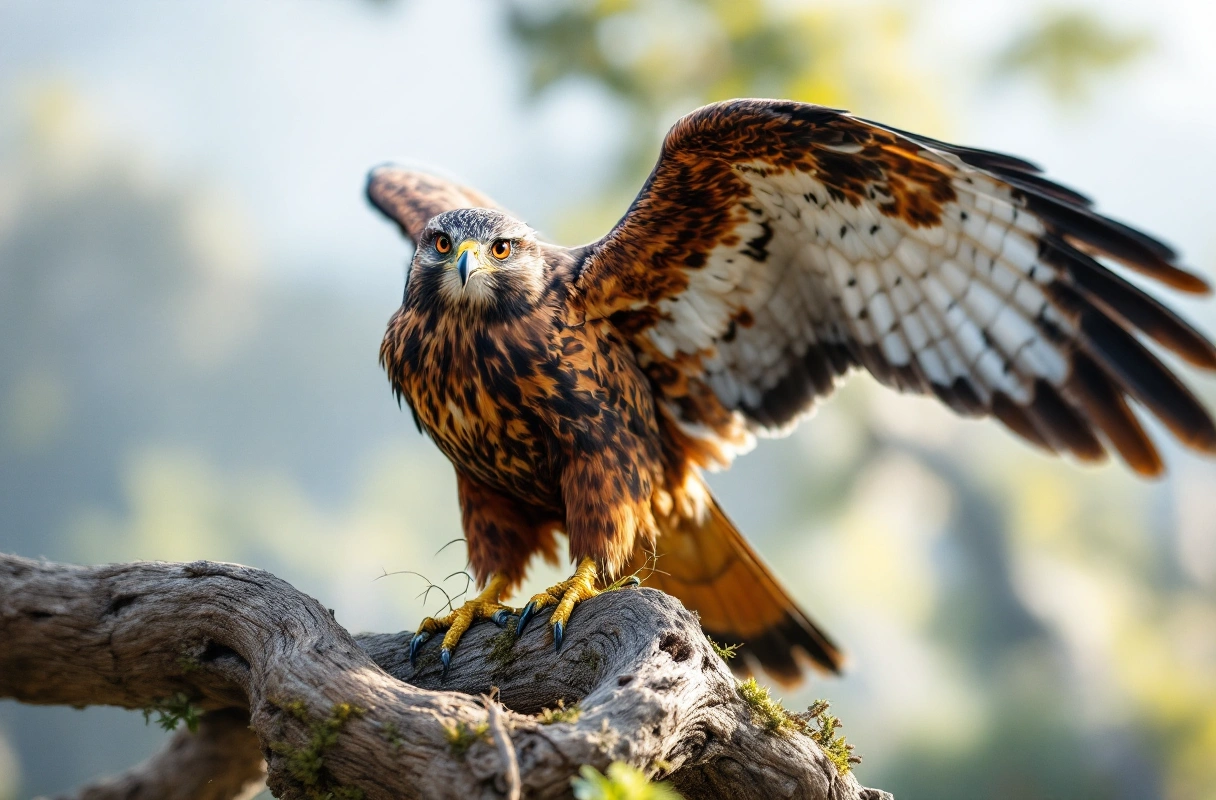
The conservation of birds of prey, or raptors, is a pressing concern for ecologists, wildlife enthusiasts, and the general public alike. These majestic creatures play a vital role in maintaining ecological balance by controlling pest populations and contributing to biodiversity. However, threats such as habitat loss, climate change, and human interference have led to significant declines in their populations worldwide. In this article, we will explore essential facts about birds of prey, current conservation efforts, and what you need to know to support these magnificent animals.
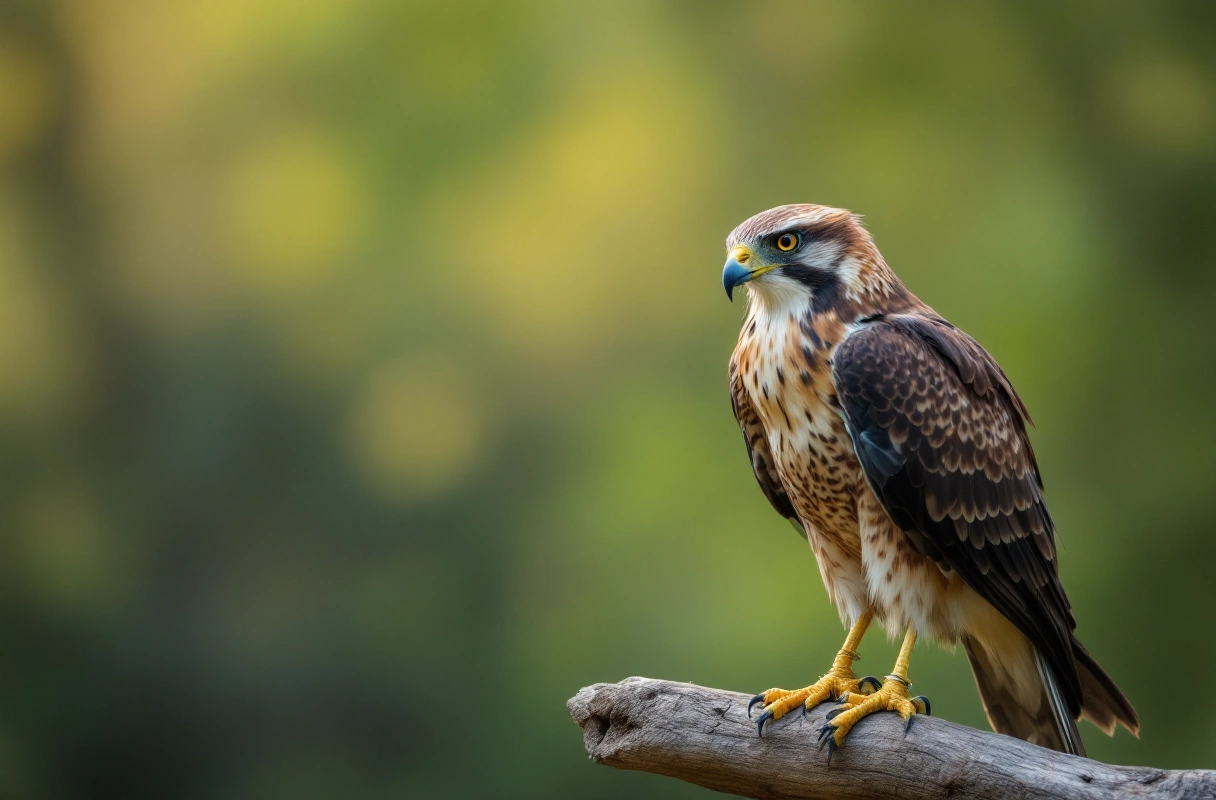
Birds of prey encompass a diverse group of raptors, including eagles, hawks, peregrine falcons, and owls. These birds are characterized by their keen eyesight, strong talons, and sharp beaks, which enable them to hunt and consume other animals. Each species exhibits unique adaptations that allow them to thrive in various habitats, from dense forests to open grasslands.
Understanding these characteristics helps highlight the importance of birds of prey, as their survival is closely linked to the health of their ecosystems.
Birds of prey serve as apex predators, playing a crucial role in maintaining the balance of their environments. By controlling populations of smaller animals, they help prevent overpopulation and the subsequent depletion of vegetation. This ecological function is vital for preserving biodiversity and ensuring the stability of food webs.
Moreover, raptors can serve as indicators of environmental health. A decline in raptor populations often signals broader ecological issues, such as habitat degradation or pollution. By monitoring these birds, conservationists can gain valuable insights into the overall state of ecosystems.

In recent years, numerous organizations and initiatives have emerged to protect birds of prey from the myriad threats they face. Understanding these efforts is essential for anyone interested in contributing to the conservation efforts for these incredible species.
One of the most effective strategies for conserving birds of prey involves habitat restoration and protection. This includes:
Legislation plays a crucial role in the conservation of birds of prey. Key legal protections include:
Educating the public about the importance of birds of prey and their conservation needs is vital. This includes:
Ongoing research and monitoring are essential for understanding the status of raptor populations and the effectiveness of conservation strategies. Key efforts include:
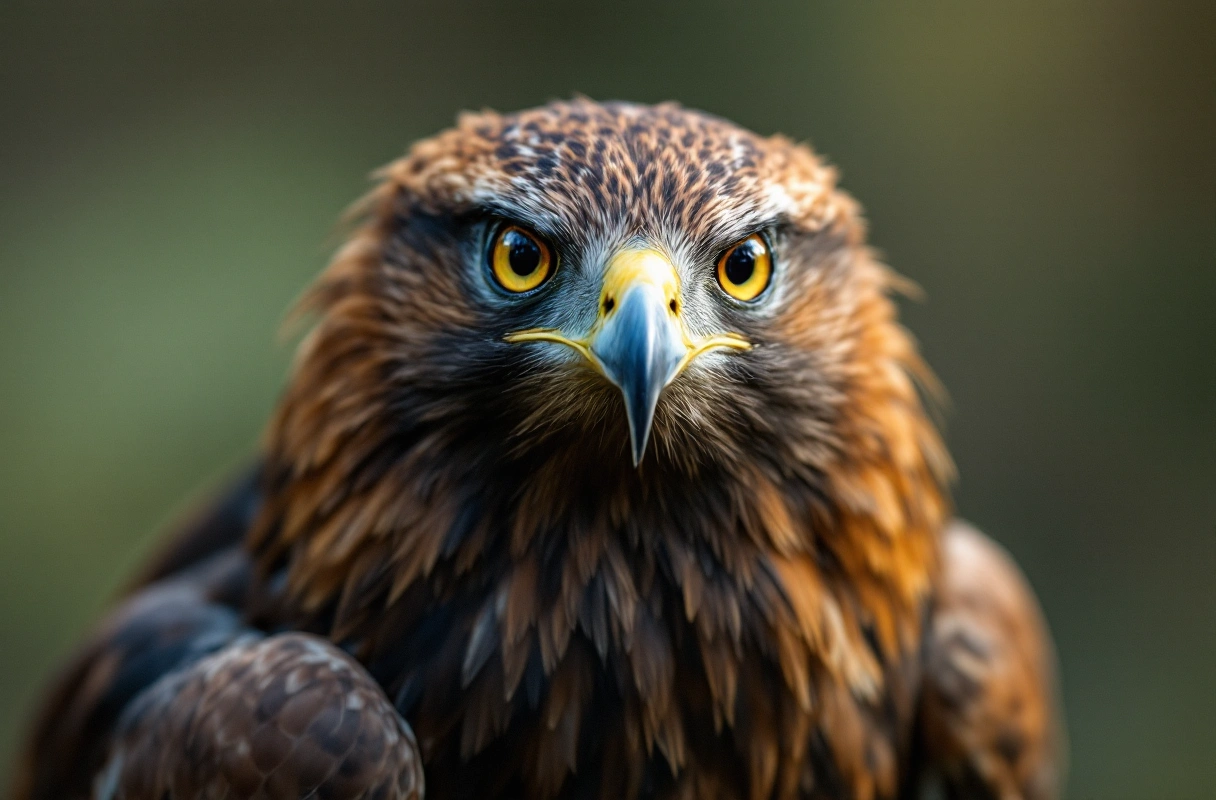
Despite the growing awareness of the importance of birds of prey, several misconceptions persist. Addressing these can enhance public understanding and support for conservation efforts.
While many species of birds of prey face significant threats and are indeed endangered, not all raptors are at risk. Some species, like the red-tailed hawk, are relatively stable and widespread. It is essential to focus conservation efforts on those species that need it most while recognizing the successes of others.
A common misconception is that raptors pose a significant threat to livestock. In reality, most raptors primarily hunt small mammals and birds. While they may occasionally target young livestock, the impact is often minimal compared to other predators. Educating farmers about the ecological benefits of raptors can help reduce conflicts and promote coexistence.
While some raptors, like peregrine falcons, have successfully adapted to urban environments, many species struggle with habitat loss and pollution. Urbanization can lead to decreased food availability and increased risks from vehicles and human activities. Conservation efforts should focus on preserving and restoring natural habitats to support all raptor species.
Every individual can play a role in the conservation of birds of prey. Here are several actionable steps you can take:
The conservation of birds of prey is not just about protecting individual species; it is about preserving the health of entire ecosystems. As apex predators, raptors play a critical role in maintaining the balance of nature. Their decline can have cascading effects that impact various species, including humans.
By understanding the essential facts about birds of prey and supporting current conservation efforts, we can contribute to a sustainable future for these magnificent creatures. Whether through habitat protection, education, or advocacy, each of us has the power to make a difference.
As we move forward, the need for continued efforts in raptor conservation remains paramount. The collaboration between conservation organizations, researchers, and the public can drive meaningful change. Communities that come together to support local raptor populations can create lasting impacts that benefit both wildlife and human populations.
At Banana Slug Club, we are dedicated to promoting conservation initiatives and fostering awareness about the significance of birds of prey. We encourage everyone to engage with local conservation efforts and participate in educational programs that highlight the critical role of raptors in our ecosystems.
To learn more about how you can get involved in supporting birds of prey conservation and to discover resources for further education, visit Banana Slug Club. Together, we can ensure a thriving future for these incredible raptors in the wild.
Get free resources, early access to new features and updates.
No spam. Just fun educational emails!


.svg)
.svg)