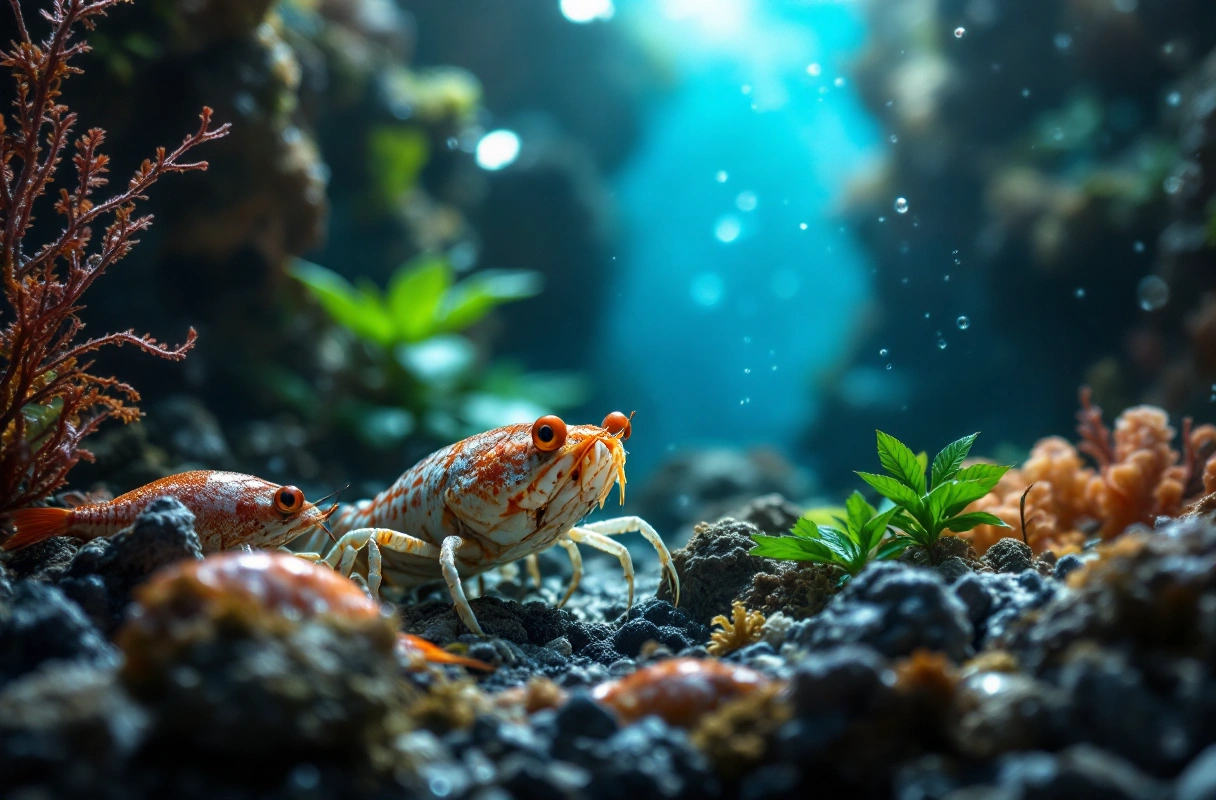
Crustaceans are an intriguing group of animals that capture the interest of marine enthusiasts and culinary aficionados alike. From shrimp and crabs to lobsters and crayfish, these creatures play a vital role in both ecosystems and human culture. Understanding crustaceans is not only essential for those interested in marine biology but also for anyone wanting to enjoy them in a culinary context or maintain them in aquariums. This comprehensive guide explores the best practices for beginners in handling, caring for, and appreciating crustaceans.
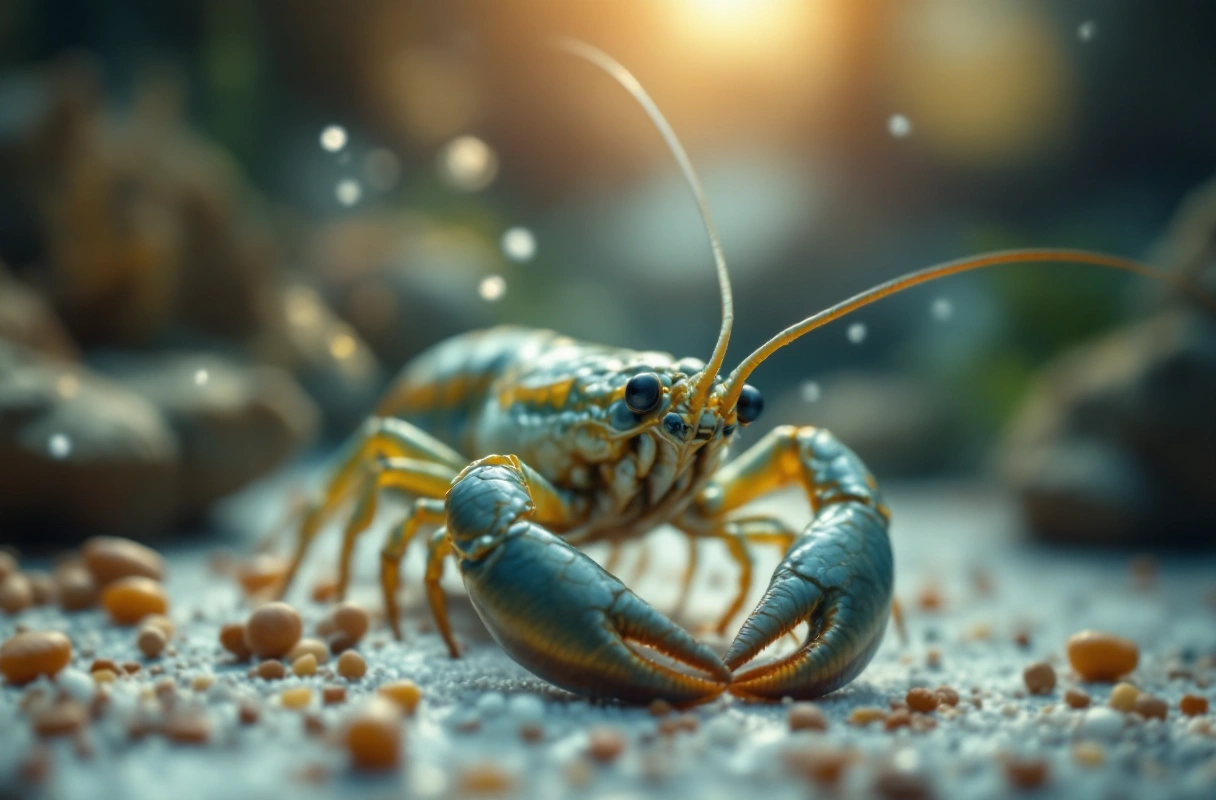
Crustaceans belong to the class Malacostraca, characterized by their hard exoskeletons and segmented bodies. They are primarily aquatic and can be found in oceans, freshwater, and even on land. The diversity of crustaceans is vast, with over 67,000 species cataloged, ranging from tiny copepods to giant Japanese spider crabs.
Understanding these fundamental characteristics is crucial for beginners, especially when it comes to proper care and habitat requirements.
There are numerous examples of crustaceans that beginners may encounter, each with its unique attributes. Some of the most common include:
Familiarizing oneself with these examples can enhance a beginner’s understanding of the diversity of crustaceans within the crustacean family.
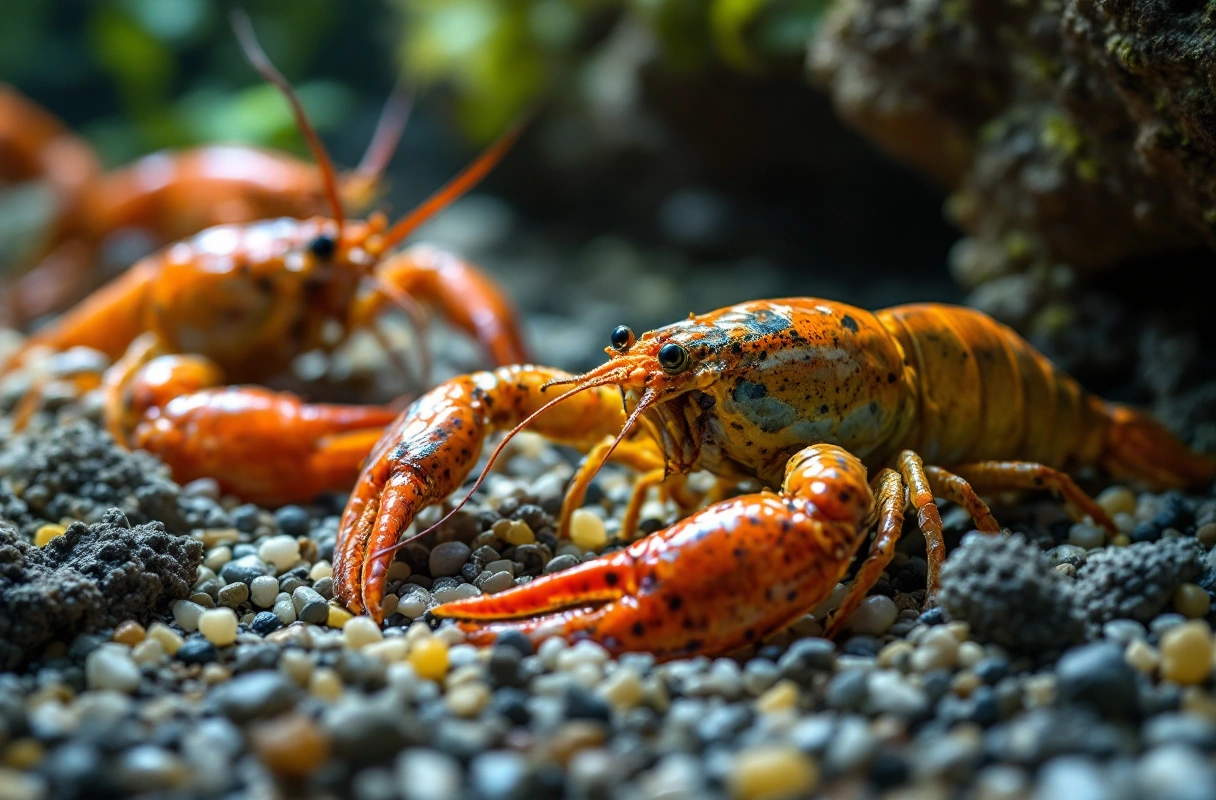
For those interested in keeping crustaceans, whether in a home aquarium or as part of a culinary endeavor, several best practices should be followed to ensure their health and sustainability.
Creating a suitable environment is paramount for crustaceans in captivity. Here are some essential steps to consider:
Proper nutrition is crucial for the health of crustaceans. Here are some feeding tips:
Understanding their dietary needs not only ensures healthy growth but also enhances their vibrant colors and activity levels.
When it comes to handling crustaceans, care must be taken to minimize stress and injury.
By following these handling practices, beginners can create a more harmonious environment for their crustaceans.
As with any endeavor, beginners in the world of crustaceans often make mistakes that can lead to poor outcomes. Here are some common pitfalls and how to avoid them:
One of the most frequent mistakes is neglecting water quality management. Crustaceans are particularly sensitive to fluctuations in water parameters. Beginners should invest in a good water testing kit to monitor pH, ammonia, nitrite, and nitrate levels consistently.
Different crustaceans have varying requirements regarding temperature, salinity, and diet. Failing to research the specific needs of the species being kept can lead to health issues. It is essential to understand the unique requirements of each crustacean to provide optimal care.
Overfeeding is a common issue among beginners. Not only does this lead to poor water quality due to decomposing food, but it can also result in health problems for the crustaceans. Adhere to recommended feeding guidelines and observe how much your crustaceans consume to adjust feeding practices accordingly.
Crustaceans are not only fascinating creatures in their natural habitat but also a staple in many culinary traditions around the world. Understanding how to properly prepare and cook crustaceans can enhance your culinary skills.
When preparing crustaceans, the following techniques are often employed:
By mastering these cooking techniques, beginners can enjoy delicious crustacean dishes that highlight the unique flavors of these marine animals.
As interest in crustaceans grows, so does the importance of sustainable practices to protect these species and their habitats.
When purchasing crustaceans, consumers should prioritize sustainably sourced options. Look for certifications such as the Marine Stewardship Council (MSC) label, which indicates responsible fishing practices.
Conservation efforts aimed at protecting crustacean habitats are crucial for their survival. Supporting organizations that advocate for marine conservation and engaging in responsible consumption can contribute to preserving these vital ecosystems.
Sharing knowledge about crustaceans and their ecological significance can foster a culture of conservation. Encourage friends and family to learn more about these creatures and the importance of sustainable practices in their use.
Incorporating conservation awareness into the appreciation of crustaceans not only benefits the species but also enriches the experience for enthusiasts and consumers alike.
Understanding and caring for crustaceans can be a rewarding endeavor, whether for aquarium hobbyists or culinary enthusiasts. By implementing best practices in care and preparation, beginners can ensure the health of these fascinating creatures while enjoying their unique flavors in various dishes.
For those eager to delve deeper into the world of crustaceans, the Banana Slug Club offers a wealth of resources and community support. Engaging with like-minded individuals can enhance your understanding and appreciation of these remarkable animals.
To learn more about crustaceans and to connect with others who share your passion, visit Banana Slug Club today. Your journey into the fascinating world of crustaceans is just beginning, and the community at Banana Slug Club is here to support you every step of the way.
Get free resources, early access to new features and updates.
No spam. Just fun educational emails!


.svg)
.svg)