Choosing the right pet is a significant decision that can affect your lifestyle, living space, and even your emotional well-being. Reptiles, in particular, have gained popularity as pets in recent years due to their unique care requirements and intriguing behaviors. This article will explore common reptiles, guiding you through their characteristics, care needs, and the considerations that can help you determine which reptile may be the best fit for your home. Additionally, we will delve into the top ten endangered reptile species and their conservation efforts, shedding light on the importance of protecting these fascinating creatures.
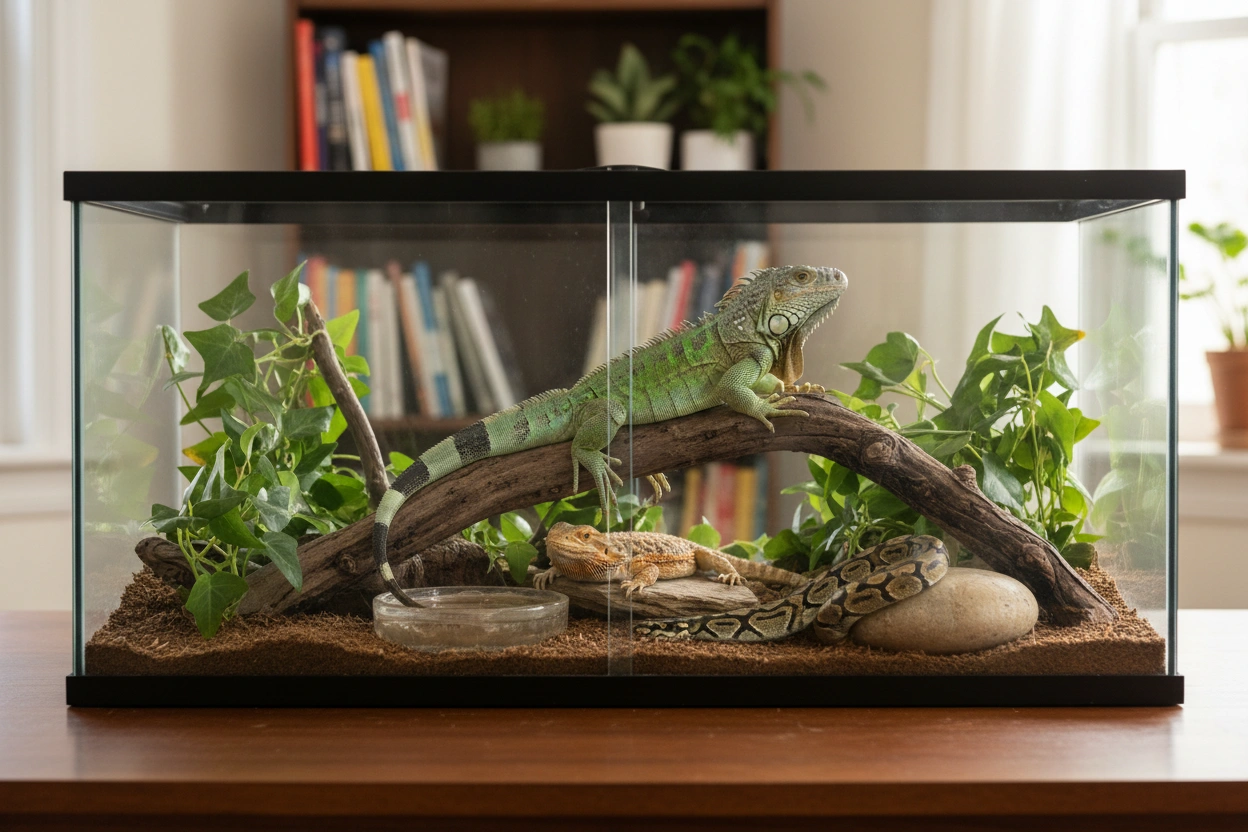
Reptiles are a diverse group of animals that include snakes, lizards, turtles, and more. Their unique characteristics set them apart from traditional pets like dogs and cats. Here are some key factors to consider when exploring common reptiles as potential pets.
Reptiles are often chosen for their distinctive appearance and behaviors. They tend to require less social interaction compared to mammals, which can be appealing for individuals who prefer a more low-maintenance pet. Furthermore, many reptiles have long lifespans, meaning they can be companions for many years.
Despite their growing popularity, misconceptions about reptiles can deter potential owners. One prevalent myth is that reptiles are cold, unfeeling creatures. In reality, many reptiles exhibit complex behaviors and personalities. Understanding these myths can help you make a more informed decision.
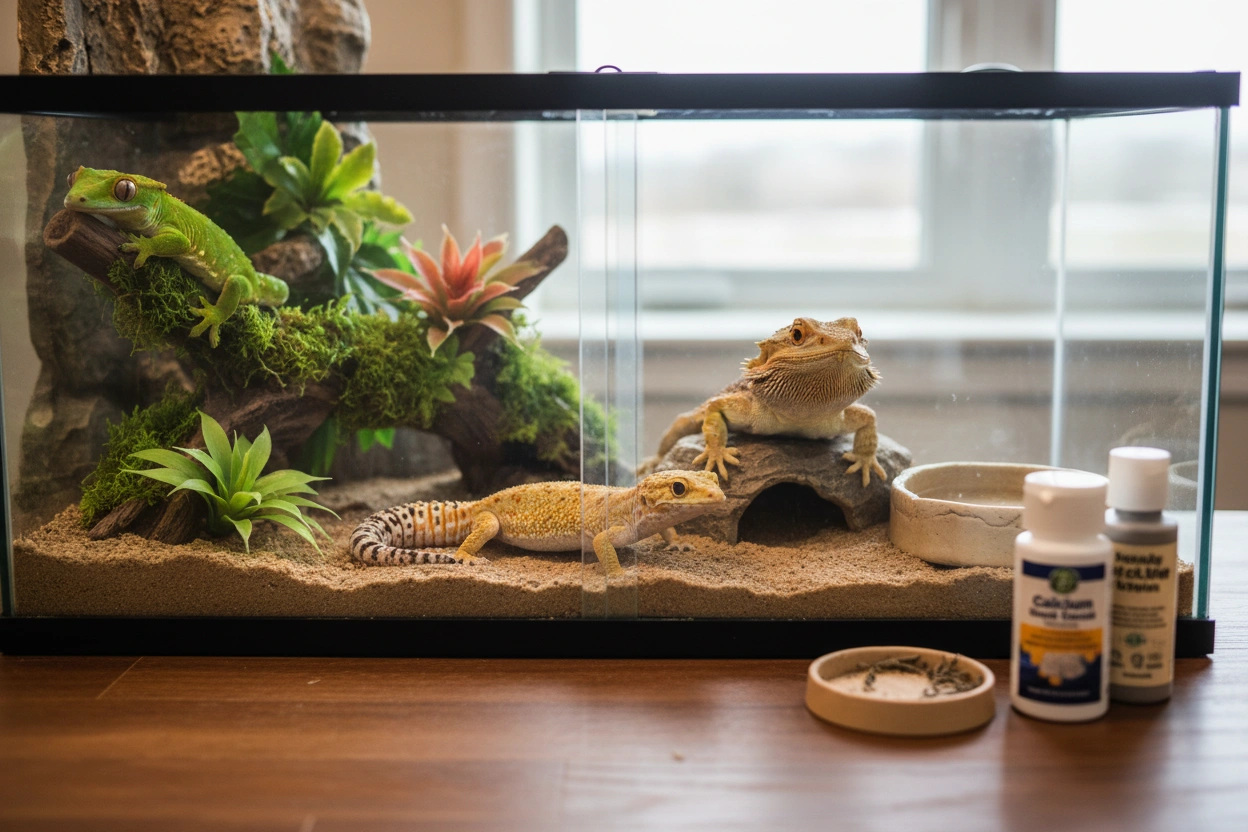
When selecting a reptile, it's essential to consider the species that best fits your lifestyle. Here are some of the most common reptiles kept as pets today.
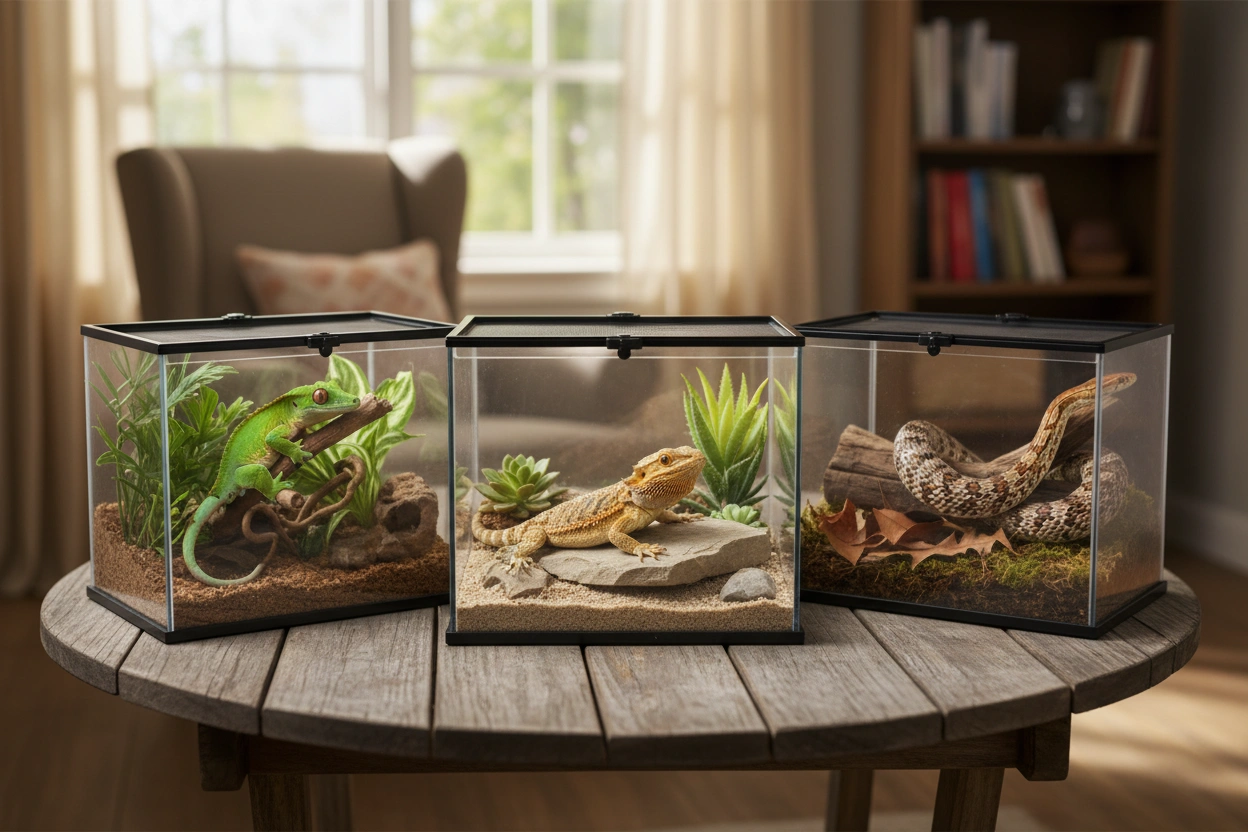
Bearded dragons are among the most popular pet lizards. They are known for their friendly nature and manageable size.
Leopard geckos are another excellent choice for beginners due to their docile temperament and ease of care.
Corn snakes are a popular choice for those interested in snakes. They are relatively easy to handle and care for.
Russian tortoises are favored for their longevity and unique personalities.
Ball pythons are known for their calm demeanor, making them great for novice snake owners.
Green anoles are small, colorful lizards that are easy to care for and fascinating to observe.
These turtles are popular for their friendly nature and adaptability to various environments.
Chameleons are known for their color-changing abilities and unique appearance.
Crested geckos are gaining popularity due to their friendly nature and minimal care requirements.
Uromastyx are lesser-known lizards that are herbivorous and have unique physical characteristics.

While many reptiles make excellent pets, it's crucial to recognize that numerous reptile species are facing extinction. Understanding these endangered reptiles can foster a greater appreciation for their conservation needs.
Hawksbill turtles are critically endangered due to illegal trade and habitat loss.
These large snakes are threatened by habitat destruction and hunting.
This critically endangered crocodilian is facing extinction due to habitat loss and pollution.
This species is critically endangered due to habitat destruction and hunting.
The radiated tortoise is threatened by poaching and habitat loss.
This sloth, while not a reptile, highlights the broader issue of habitat destruction that affects many species.
One of the world's rarest turtles, facing extinction due to habitat loss.
This snake is threatened by habitat loss and fragmentation.
This frog species is endangered due to habitat destruction and pollution.
While not a reptile, the conservation of this duck highlights the interconnectedness of ecosystems.
When considering which reptile to adopt, it's essential to evaluate your lifestyle, living space, and personal preferences. Here are some practical steps to guide you in making an informed decision.
The type of reptile you choose should align with your living space.
Understanding the care requirements of potential reptiles is crucial.
Reptiles can have long lifespans, so consider your long-term commitment.
As you explore the world of reptiles and consider adopting one as a pet, it's vital to understand the broader implications of reptile conservation. The plight of endangered reptile species emphasizes the responsibility pet owners have in ensuring that their choices contribute to the well-being of these creatures and their habitats.
By choosing to adopt responsibly and support conservation initiatives, you can play a part in protecting these fascinating animals. The Banana Slug Club is dedicated to promoting awareness about reptiles and their conservation needs, providing resources for responsible pet ownership, and encouraging involvement in conservation efforts.
If you are considering adding a reptile to your family, take the time to research thoroughly and make a choice that aligns with your lifestyle while also supporting the conservation of these incredible creatures. For more information on responsible reptile ownership and how you can contribute to conservation, visit Banana Slug Club.
Get free resources, early access to new features and updates.
No spam. Just fun educational emails!


.svg)
.svg)