Choosing the Best Pet Reptiles: A Comparison Guide for Beginners
Reptiles have become increasingly popular as pets, captivating enthusiasts with their unique characteristics and fascinating behaviors. For those considering bringing a reptile into their home, it is essential to understand the different types of reptiles, their needs, and how to choose the right one for your lifestyle. This comprehensive guide aims to inform beginners about the best pet reptiles, the common reptiles available, and the importance of conservation efforts for endangered species.
Understanding Reptiles as Pets
Reptiles are cold-blooded vertebrates that belong to the class Reptilia, which includes snakes, lizards, turtles, and crocodilians. Unlike mammals, reptiles rely on their environment to regulate their body temperature. This unique characteristic means that potential reptile owners must provide a suitable habitat that includes heat sources, humidity levels, and proper nutrition.
When considering a reptile as a pet, it is vital to research its specific needs, including dietary requirements, habitat, and social behavior. Many beginners mistakenly believe that reptiles are low-maintenance pets, but they require just as much care and attention as traditional pets like dogs and cats. Misunderstanding these requirements can lead to health issues for the reptile and frustration for the owner.
Common Misconceptions About Reptiles
- Reptiles are low-maintenance: While some reptiles may seem easier to care for than furry pets, they have specialized needs that require regular attention.
- All reptiles are friendly: Many reptiles prefer solitude and may not enjoy being handled. Understanding the temperament of a species is crucial before adopting.
- Reptiles do not bond with their owners: While reptiles may not form emotional bonds like dogs or cats, they can recognize their caregivers and may become accustomed to their presence.
Top 10 Pet Reptiles for Beginners
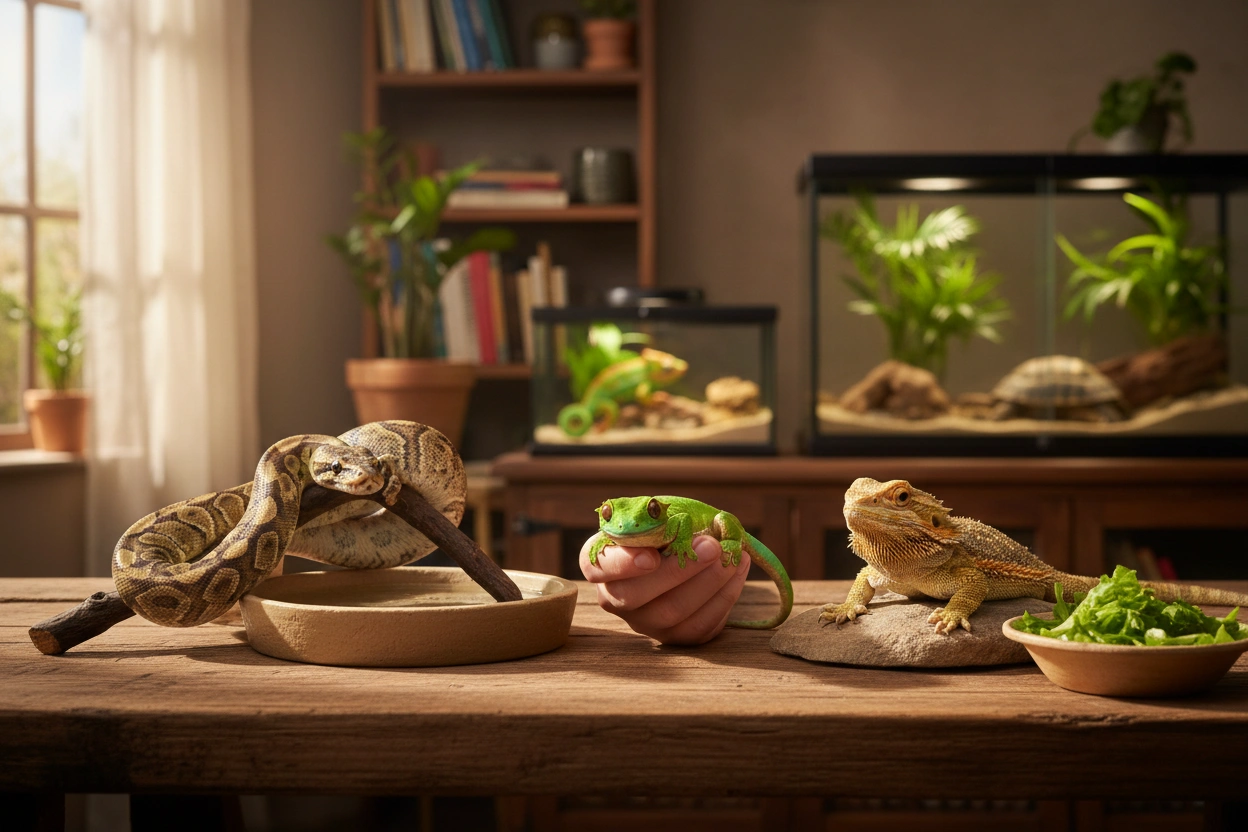
When selecting a pet reptile, several factors come into play, including space, budget, and the owner's experience level. Below is a list of ten reptiles that are commonly recommended for beginners due to their manageable care requirements and friendly dispositions.
Leopard Gecko
- These small, docile lizards are easy to care for and come in various colors. They thrive in terrariums and require minimal humidity, making them suitable for beginners.
Corn Snake
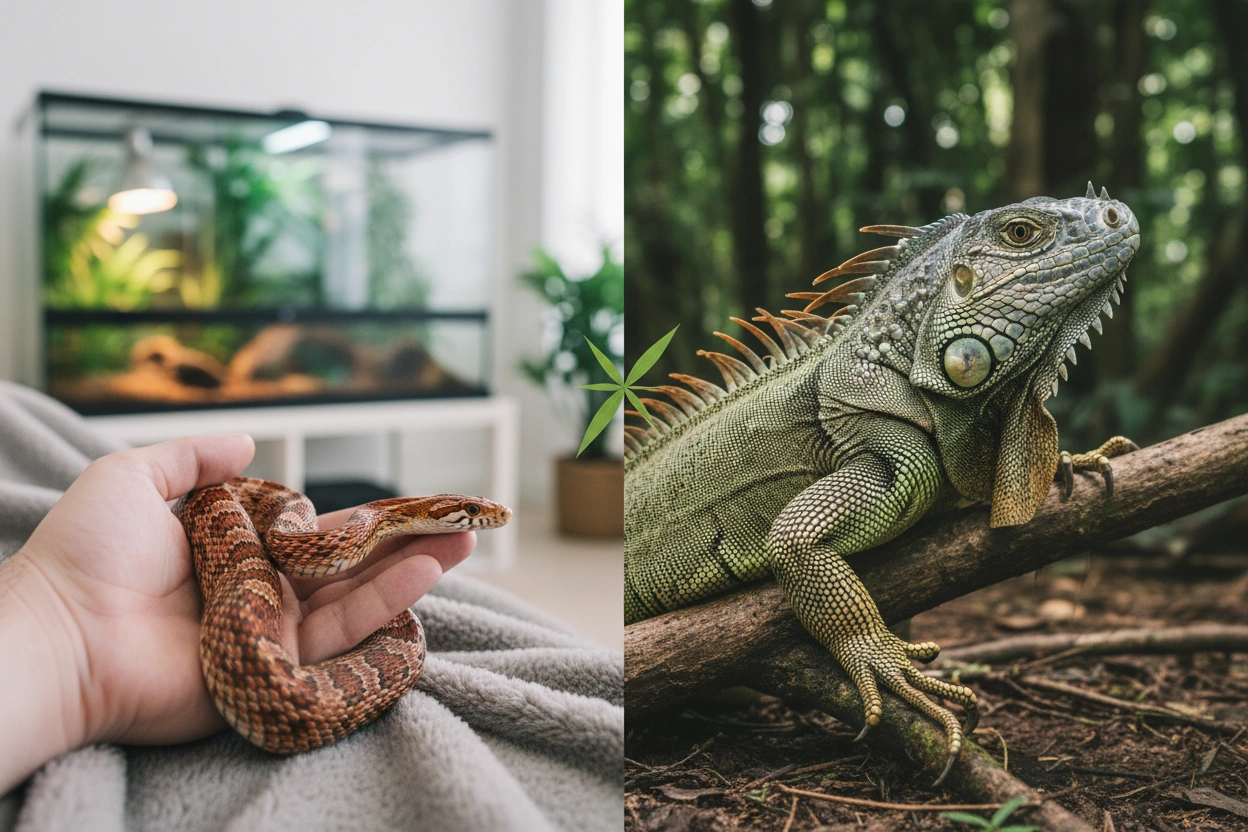
- Known for their gentle nature, corn snakes are relatively easy to handle and care for. They come in numerous color morphs and are an excellent choice for first-time snake owners.
Bearded Dragon
- Bearded dragons are social reptiles that enjoy interaction with their owners. They require a spacious habitat and a balanced diet of insects and vegetables.
Ball Python
- Ball pythons are known for their calm demeanor and manageable size. They have specific temperature and humidity needs but are generally easy to care for.
Red-Eared Slider
- This aquatic turtle is popular among beginners. They require a tank with both land and water areas, along with UVB lighting to stay healthy.
Russian Tortoise
- Russian tortoises are hardy and do well in outdoor enclosures. They have specific dietary needs, primarily consisting of leafy greens.
Blue-Tongue Skink
- These lizards are friendly and easy to handle. They require a varied diet, including fruits and vegetables, along with a warm habitat.
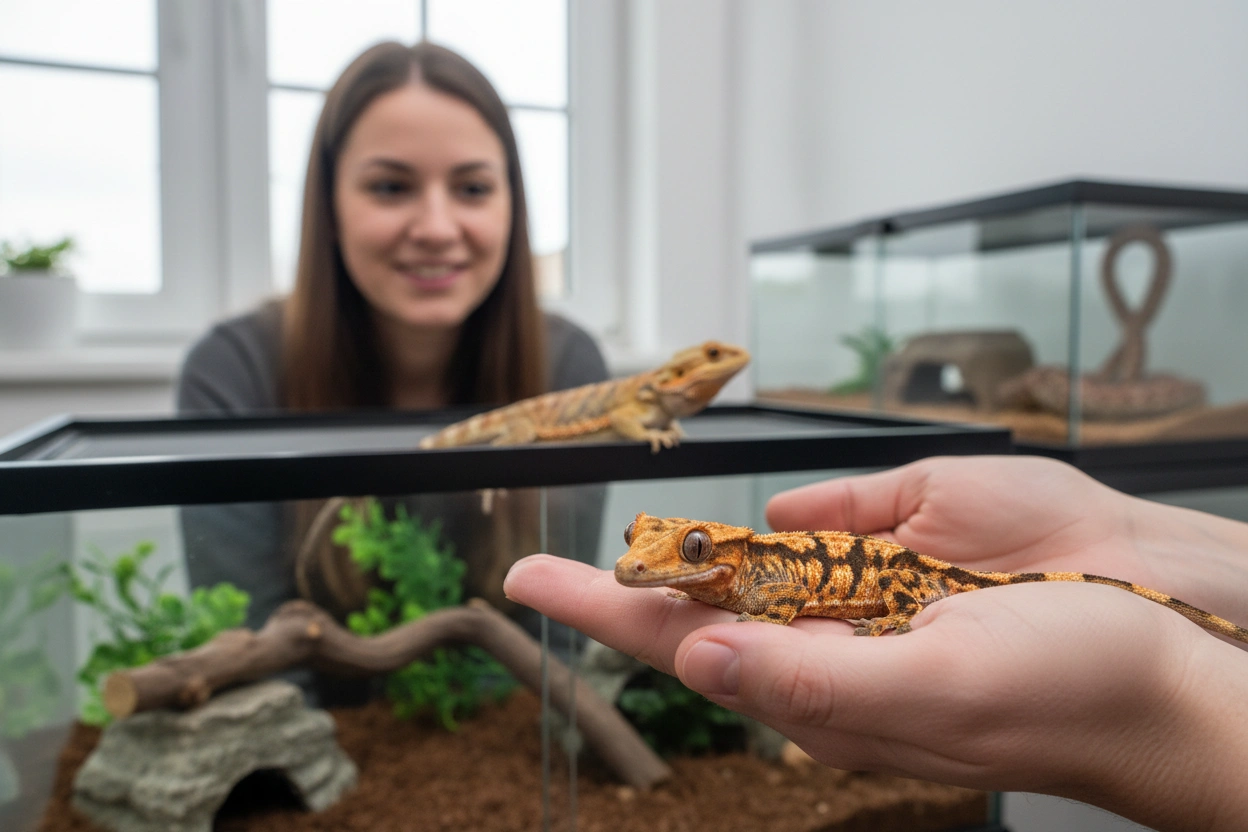
Crested Gecko
- Crested geckos are nocturnal and thrive in a humid environment. They are easy to care for and do not require special lighting.
Green Anole
- Green anoles are small lizards that adapt well to captivity. They require a plant-rich enclosure and do well with moderate humidity.
African Fat-Tailed Gecko
- Similar to leopard geckos, African fat-tailed geckos are easy to care for and can be quite friendly, making them suitable for beginners.
Essential Considerations Before Choosing a Reptile
Before committing to a pet reptile, consider the following factors to ensure you make an informed decision:
Space and Habitat Requirements
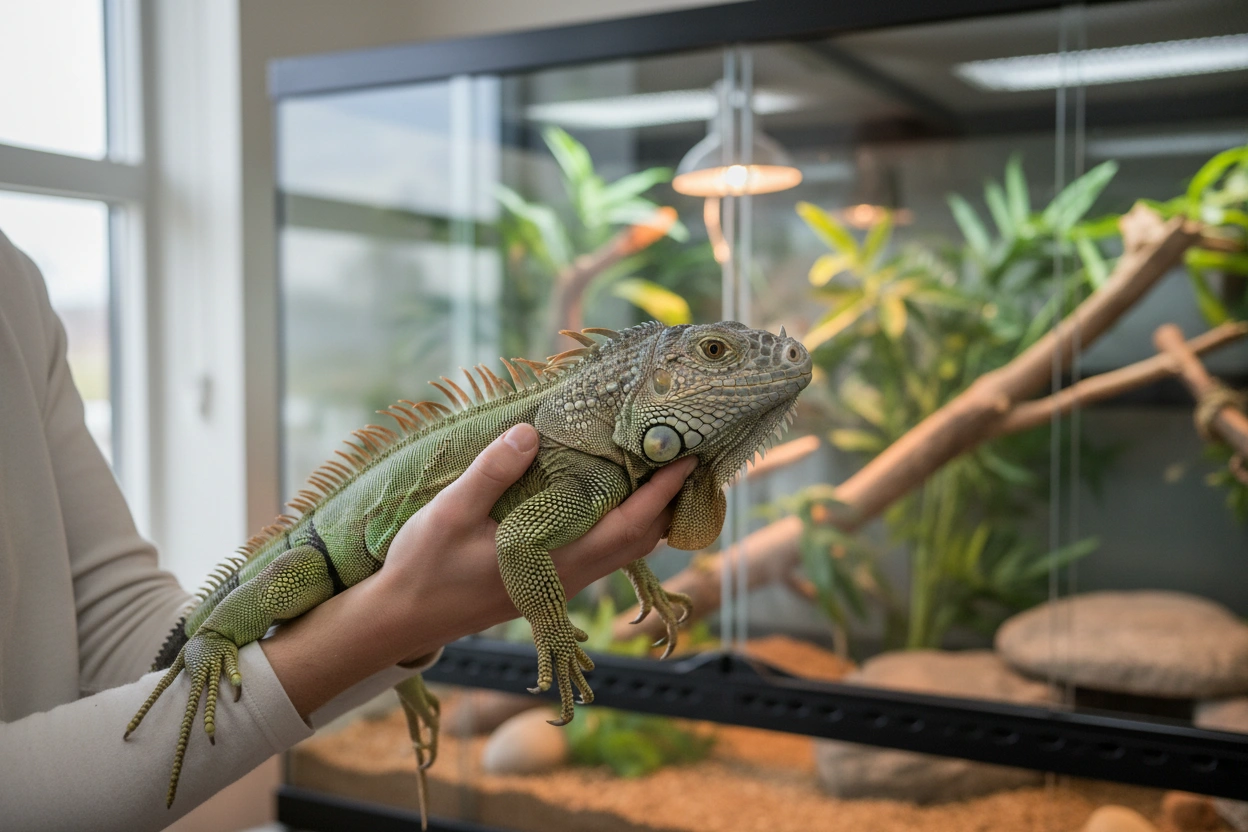
Reptiles vary significantly in size and habitat needs. Research the specific requirements for the reptile you are considering, including:
- Minimum tank size
- Heating and lighting needs
- Humidity levels
- Substrate and decorations
Diet and Nutrition
Understanding the dietary needs of your chosen reptile is crucial. Some may require live food, while others thrive on a diet of vegetables or pellets. Ensuring you can provide a balanced diet is essential for your reptile's health.
Lifespan and Commitment
Many reptiles have long lifespans, some exceeding 20 years. Be prepared for a long-term commitment and consider how your lifestyle may change over the years.
Legal Regulations
Certain reptiles may be subject to local laws and regulations. Research any restrictions on owning specific species in your area to avoid legal issues.
Top 10 Endangered Reptile Species and Their Conservation
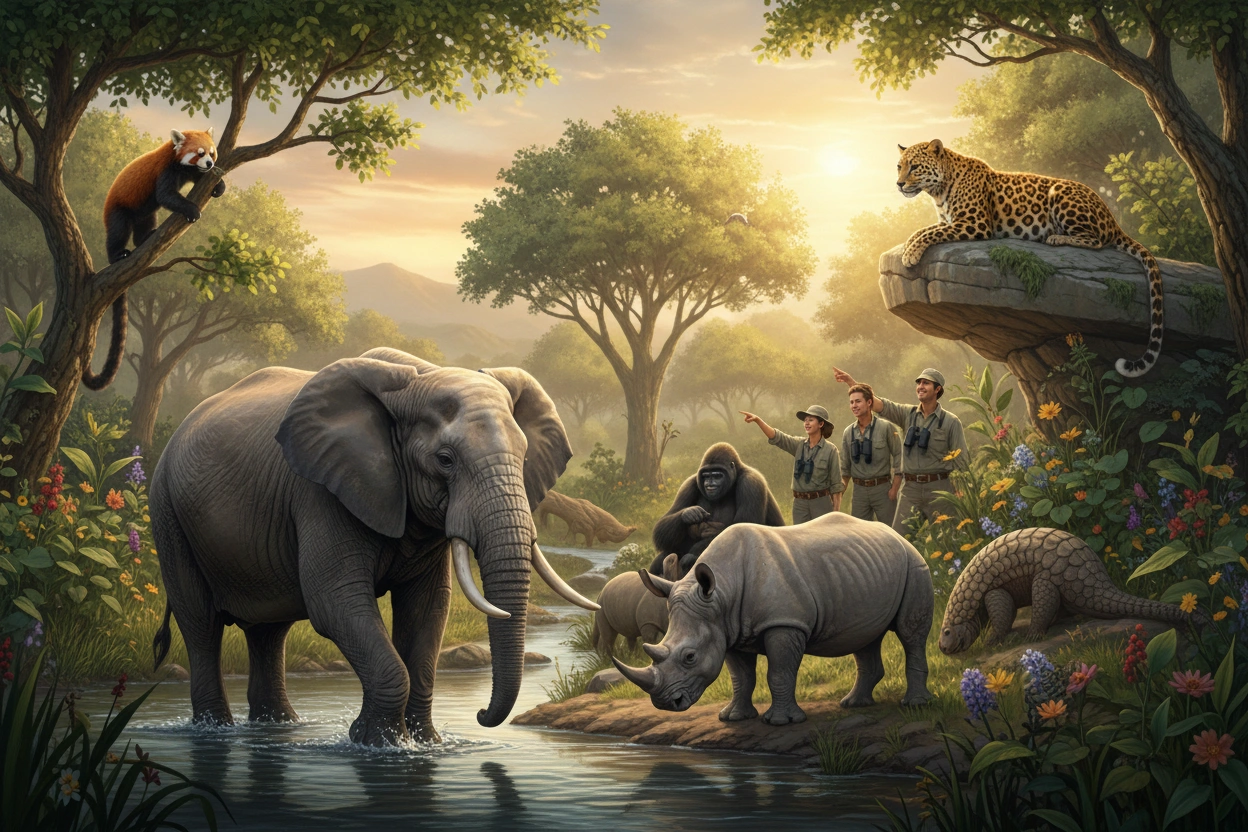
While many reptiles thrive in captivity, numerous species face extinction in the wild. Awareness of endangered reptiles and their conservation status is essential for fostering a responsible pet ownership culture.
Hawksbill Turtle
- Critically endangered due to habitat loss and illegal trade. Conservation efforts focus on protecting nesting sites and reducing bycatch.
Pangolin
- Although often associated with mammals, the pangolin's scales are mistakenly sought after in traditional medicine. Conservation initiatives aim to combat poaching and habitat destruction.
Gharial
- This crocodilian species is critically endangered, primarily due to habitat loss and fishing practices. Conservation programs focus on habitat restoration and breeding programs.
Aldabra Giant Tortoise
- Although currently stable, they face threats from climate change and habitat destruction. Conservation efforts emphasize habitat preservation.
California Red-Legged Frog
- This amphibian is endangered due to habitat loss and invasive species. Conservationists are working to restore natural habitats and control invasive populations.
Green Sea Turtle
- Threatened by habitat loss, poaching, and pollution. Conservation efforts include legal protections and habitat restoration.
Philippine Crocodile
- Critically endangered, mainly due to habitat destruction and hunting. Conservation programs focus on habitat protection and community education.
Iguana
- Various iguana species face threats from habitat loss and the pet trade. Conservation efforts include breeding programs and habitat protection.
Chinese Alligator
- Endangered due to habitat loss and pollution. Conservation initiatives focus on habitat restoration and captive breeding.
Sunda Pangolin
- Critically endangered due to illegal poaching for their scales. Conservation efforts target reducing demand and protecting their habitats.
The Importance of Conservation
Understanding the plight of endangered reptiles can help promote responsible pet ownership and encourage conservation efforts. By supporting organizations that work to protect these species, pet owners can make a positive impact on the environment.
Actionable Tips for New Reptile Owners
To ensure a successful experience as a new reptile owner, consider these essential tips:
- Research Thoroughly: Understand the specific needs of your chosen reptile species, including habitat, diet, and social behavior.
- Invest in Quality Supplies: Purchase high-quality enclosures, heating elements, and lighting to create a suitable environment for your reptile.
- Consult with Experts: Reach out to experienced reptile owners or veterinarians specializing in reptiles for guidance and support.
- Monitor Health Regularly: Keep an eye on your reptile's health and behavior. Early detection of issues can prevent serious health problems.
- Join Reptile Communities: Engage with local or online reptile communities to share experiences, gain insights, and find resources for care and support.
The Role of Banana Slug Club in Reptile Education
Understanding the intricacies of reptile care is vital for ensuring the health and well-being of these unique pets. At Banana Slug Club, we are dedicated to providing resources and support for both new and experienced reptile owners. Our commitment to education extends beyond pet care; we also advocate for the conservation of endangered reptile species.
By fostering awareness and understanding of reptiles, we aim to promote responsible pet ownership and encourage conservation efforts. As you embark on your journey to choose the best pet reptiles, remember that knowledge is key to success.
For more information on reptile care, conservation efforts, or to connect with fellow reptile enthusiasts, visit Banana Slug Club today. Together, we can ensure a brighter future for reptiles, both as pets and in the wild.



.svg)
.svg)