Birds of prey, also known as raptors, play a crucial role in maintaining ecological balance. These magnificent creatures, which include eagles, hawks, owls, and falcons, are not just symbols of power and freedom; they are essential components of their ecosystems. Their predatory behavior helps regulate populations of various species, ensuring that no single group dominates the food chain. Understanding the importance of these birds extends beyond mere admiration; it encompasses a commitment to preserving their habitats and recognizing their contributions to environmental health.
In recent years, the conversation surrounding birds of prey has evolved, especially concerning their rehabilitation and conservation efforts. As human activities continue to encroach upon their habitats, the need for dedicated rescue efforts has never been more pressing. This article will delve into the vital role that birds of prey play in ecological balance, explore their predatory behaviors, and provide insights into the rehabilitation efforts that ensure their survival.

Birds of prey occupy a unique position in the food web, functioning as both predators and scavengers. Their hunting habits and dietary preferences contribute significantly to the health of their ecosystems.
Understanding the behavior of predatory birds is essential for appreciating their ecological roles. These birds exhibit various hunting techniques and preferences that reflect their adaptability and specialization.
Hunting Strategies: Birds of prey employ different hunting strategies based on their species and the environment they inhabit. For instance, eagles often soar at high altitudes to spot prey from a distance, while hawks might use a more stealthy approach, gliding through tree canopies before making a swift dive.
Dietary Preferences: The diet of raptors varies widely. Some, like the peregrine falcon, primarily hunt other birds, while others, such as the red-tailed hawk, may consume small mammals and reptiles. This dietary diversity allows them to occupy various niches within their ecosystems, reducing competition for resources.
Territorial Behavior: Many birds of prey are territorial, defending their hunting grounds from other raptors. This behavior helps maintain population balance by preventing overcrowding and overexploitation of resources.
Birds of prey are integral to regulating populations of smaller animals. Their predation keeps the populations of rodents and other small mammals in check, which in turn affects plant life and overall ecosystem health.
Rodent Control: By preying on rodents, birds of prey help control their populations, preventing overgrazing of vegetation. This balance is vital for maintaining the health of grasslands and forests.
Biodiversity Support: The presence of raptors can indicate a healthy ecosystem. Their successful breeding and survival often correlate with the overall biodiversity of the area. Protecting these birds contributes to the conservation of various species within their habitats.
Nutrient Cycling: When birds of prey consume carrion or smaller prey, they contribute to nutrient cycling within ecosystems. Their droppings, rich in nitrogen, serve as fertilizers that enhance soil fertility.

The rehabilitation of birds of prey is a critical aspect of conservation efforts. As urbanization and habitat destruction continue to threaten these species, dedicated rescue organizations are stepping up to ensure their survival.
The rehabilitation process for injured or orphaned birds of prey involves several critical steps to ensure their successful return to the wild.
Assessment: Upon rescue, the first step is to assess the bird's health. Trained professionals examine for injuries, illness, or signs of stress.
Medical Treatment: If the bird requires medical attention, veterinarians specializing in avian care administer treatment. This may include surgery, medication, or rehabilitation for broken wings or other injuries.
Rehabilitation: Once stabilized, the bird undergoes rehabilitation, which may involve physical therapy to regain strength and flight capabilities. Rehabilitation centers often simulate natural conditions to prepare the birds for life in the wild.
Release: After thorough evaluation and successful rehabilitation, the bird is released back into its natural habitat. This process is closely monitored to ensure that the bird can adapt and thrive in the wild.
Several misconceptions surround birds of prey and their rehabilitation, which can hinder conservation efforts.
Myth: All Injured Birds Can Be Saved: While many birds can be rehabilitated, not all injuries are survivable. Some birds may face long-term disabilities that prevent them from being released back into the wild.
Myth: Feeding Wild Birds Is Beneficial: Feeding wild birds, particularly raptors, can disrupt their natural hunting instincts. It can lead to dependency on human-provided food, which is detrimental to their survival skills.
Myth: All Birds of Prey Are Dangerous: While raptors are powerful predators, they do not pose a threat to humans. They are generally wary of people and will avoid confrontation unless provoked.
Supporting birds of prey rehabilitation can take many forms, from volunteering at local wildlife centers to advocating for conservation policies.
Volunteer Opportunities: Many wildlife rehabilitation centers offer volunteer programs where individuals can assist with the care of birds, participate in educational programs, and help with fundraising efforts.
Educational Outreach: Promoting awareness about the importance of birds of prey through educational outreach can foster a greater appreciation for these species and encourage conservation efforts.
Advocacy: Supporting policies that protect habitats and promote wildlife conservation is crucial. Engaging with local conservation organizations can amplify efforts to safeguard the environments that these birds depend on.
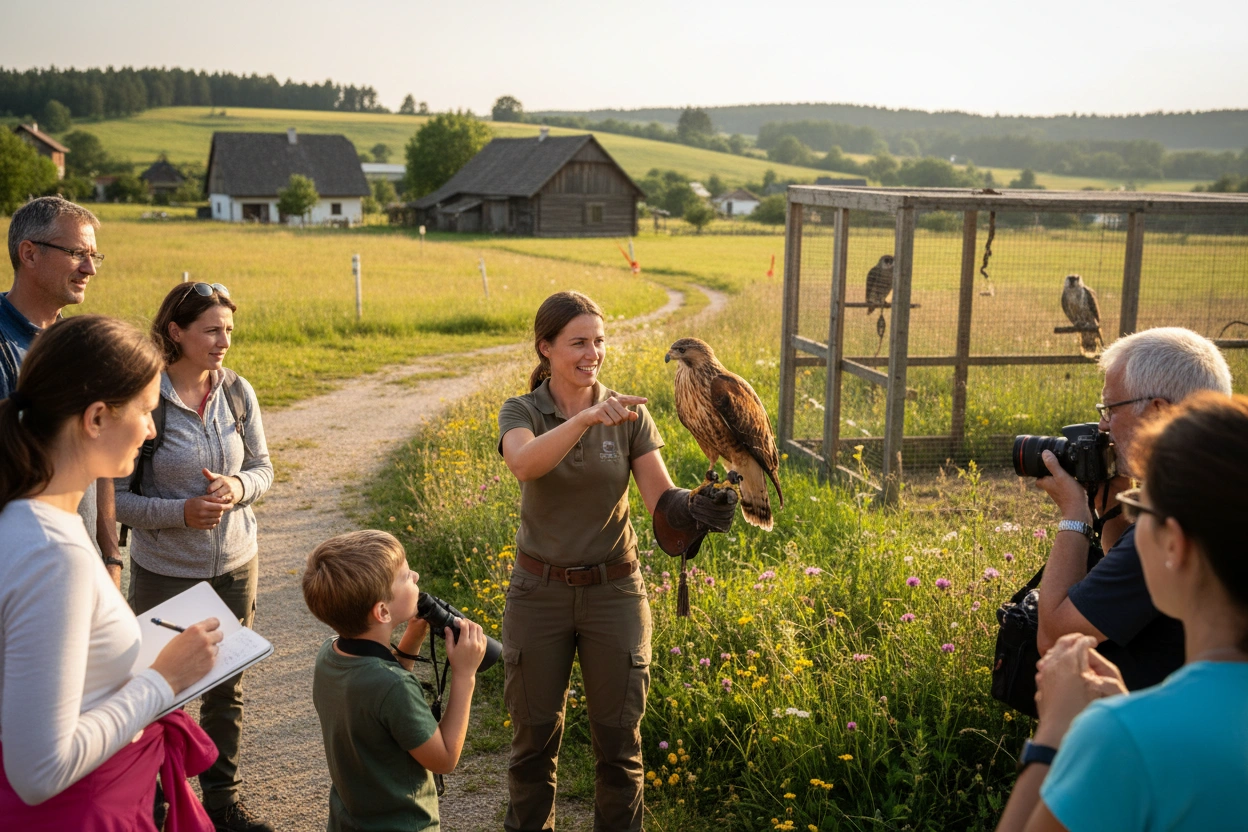
Birds of prey are not just wildlife; they are symbols of the ecosystems they inhabit and the communities that engage with them. Conservation efforts can thrive when communities come together to support these magnificent creatures.
Raising awareness about the importance of birds of prey and their ecological roles can lead to more robust conservation efforts. Community involvement can foster a sense of stewardship that ensures these birds thrive for generations to come.
Workshops and Events: Hosting workshops focused on birds of prey can educate the public about their behaviors, habitats, and the challenges they face. Engaging events, such as bird-watching outings or educational talks from experts, can attract diverse audiences.
Partnerships with Schools: Collaborating with local schools to incorporate wildlife education into the curriculum can inspire young minds to appreciate and protect birds of prey. Interactive projects, such as building birdhouses or conducting field studies, can enhance learning.
Social Media Campaigns: Utilizing social media platforms to share information about birds of prey, their rehabilitation, and conservation efforts can reach a broad audience. Engaging content, such as videos or infographics, can captivate attention and inspire action.
Organizations dedicated to wildlife rehabilitation and conservation play a crucial role in supporting birds of prey. Their efforts extend beyond rescue and rehabilitation, encompassing education, research, and advocacy.
Research Initiatives: Many organizations conduct research to monitor bird populations and health, which is essential for understanding the impacts of environmental changes.
Advocacy for Policy Change: Conservation organizations often lobby for policies that protect birds of prey and their habitats, ensuring that these majestic birds continue to thrive in their natural environments.
Public Engagement: Organizations frequently host events that encourage public participation in conservation efforts, from fundraising galas to community clean-up days in habitats where birds of prey reside.
Engaging with birds of prey and supporting their conservation is within reach for everyone. Here are actionable steps you can take to make a difference.
Support Local Rehabilitation Centers: Consider donating to or volunteering at local wildlife rehabilitation centers that focus on birds of prey. Your support can directly impact the care and recovery of these birds.
Participate in Citizen Science: Join citizen science projects that involve monitoring bird populations or habitats. Contributing your observations can aid in data collection for research and conservation initiatives.
Advocate for Environmental Protection: Get involved in local conservation efforts and advocate for policies that protect natural habitats. Your voice can make a significant difference in preserving the environments that support birds of prey.
Educate Others: Share what you learn about birds of prey with friends, family, and your community. Spreading awareness can inspire others to appreciate and protect these vital species.
Birds of prey serve as a reminder of the delicate balance within our ecosystems and the importance of conservation. Their predatory behavior regulates populations and supports biodiversity, while rehabilitation efforts ensure their survival amidst growing threats.
As we deepen our understanding of these incredible creatures, it becomes clear that their fate is intertwined with our actions. Organizations like the Banana Slug Club play a vital role in promoting awareness, education, and conservation efforts that benefit not only birds of prey but the broader ecological systems they inhabit.
By engaging with the community and supporting conservation initiatives, we can all contribute to the well-being of birds of prey and their habitats. Whether through volunteering, advocacy, or education, every effort counts.
For those looking to dive deeper into the world of birds of prey and learn how to get involved, visit the Banana Slug Club today to discover resources, events, and opportunities to make a meaningful impact in conservation.
Get free resources, early access to new features and updates.
No spam. Just fun educational emails!


.svg)
.svg)