Birds of prey, also known as raptors, are vital components of our ecosystems. Their role extends beyond mere predation; they are crucial for maintaining the balance within various habitats. Understanding these magnificent creatures provides insight into not only their behavior but also their significance in our natural world. This article delves into the intricate dynamics of birds of prey, focusing on their ecological importance, behavioral traits, and the impact of human activities on their populations.

Birds of prey serve as apex predators within their habitats, influencing the populations of other species and thereby maintaining ecological balance. Their predation helps control the populations of rodents and other small mammals, preventing overpopulation that could lead to habitat degradation. In a healthy ecosystem, raptors contribute to the food web, ensuring that energy flows efficiently from one trophic level to another.
The ecological benefits of birds of prey can be summarized as follows:
Population Control: By preying on rodents and other small animals, raptors help regulate these populations, which can otherwise explode and cause damage to crops and vegetation.
Biodiversity Maintenance: Raptors often target sick or weak individuals within prey populations, promoting the health and vigor of those species. This selective predation fosters biodiversity and resilience in ecosystems.
Indicator Species: Birds of prey are considered indicator species, meaning their health reflects the overall condition of the environment. A decline in raptor populations often signals broader ecological issues, such as habitat destruction or pollution.
Different species of raptors occupy various ecological niches, adapting to their environments in unique ways. For instance, the bald eagle thrives near water bodies, where it preys on fish, while the peregrine falcon is often found in open fields and forests, hunting small mammals. Understanding these roles is crucial for effective conservation strategies.
Forest Ecosystems: In forest habitats, owls and hawks play a critical role in controlling rodent populations, which can otherwise overwhelm the forest floor, leading to decreased plant diversity.
Grasslands: In grassland ecosystems, species such as the prairie falcon and the American kestrel help regulate the populations of insects and small mammals, which are essential for maintaining the health of these open environments.
Wetlands: Raptors like ospreys are integral to wetland ecosystems, where they help maintain fish populations and influence the health of aquatic habitats.

Understanding the behavior of birds of prey is essential for appreciating their role in the ecosystem. These birds exhibit fascinating hunting techniques, social structures, and migratory patterns that contribute to their ecological success.
Birds of prey are renowned for their hunting prowess, employing various techniques to capture their prey:
Soaring: Many raptors, such as the golden eagle, use thermal updrafts to soar high in the sky, allowing them to spot prey from great distances without expending much energy.
Pursuit: Species like the peregrine falcon are known for their incredible speed. They dive at astonishing rates to catch prey mid-air, showcasing their agility and precision.
Ambush: Some raptors, such as the great horned owl, rely on stealth and surprise. They often perch quietly, waiting for the right moment to strike.
Birds of prey can be solitary or social, depending on the species. Understanding their social behavior is vital for conservation efforts. For instance, some species, like the Harris's hawk, exhibit cooperative hunting behaviors, working in groups to catch prey more effectively. Communication among raptors can involve vocalizations, body language, and even visual displays, all of which are essential for mating rituals and territory establishment.
Many birds of prey are migratory, traveling long distances between breeding and wintering grounds. This migration is often triggered by seasonal changes in food availability and temperature. For example, the broad-winged hawk migrates in large flocks, often covering thousands of miles to reach warmer climates during the winter months. Understanding these patterns is crucial for habitat protection, as migratory routes often intersect with human developments.
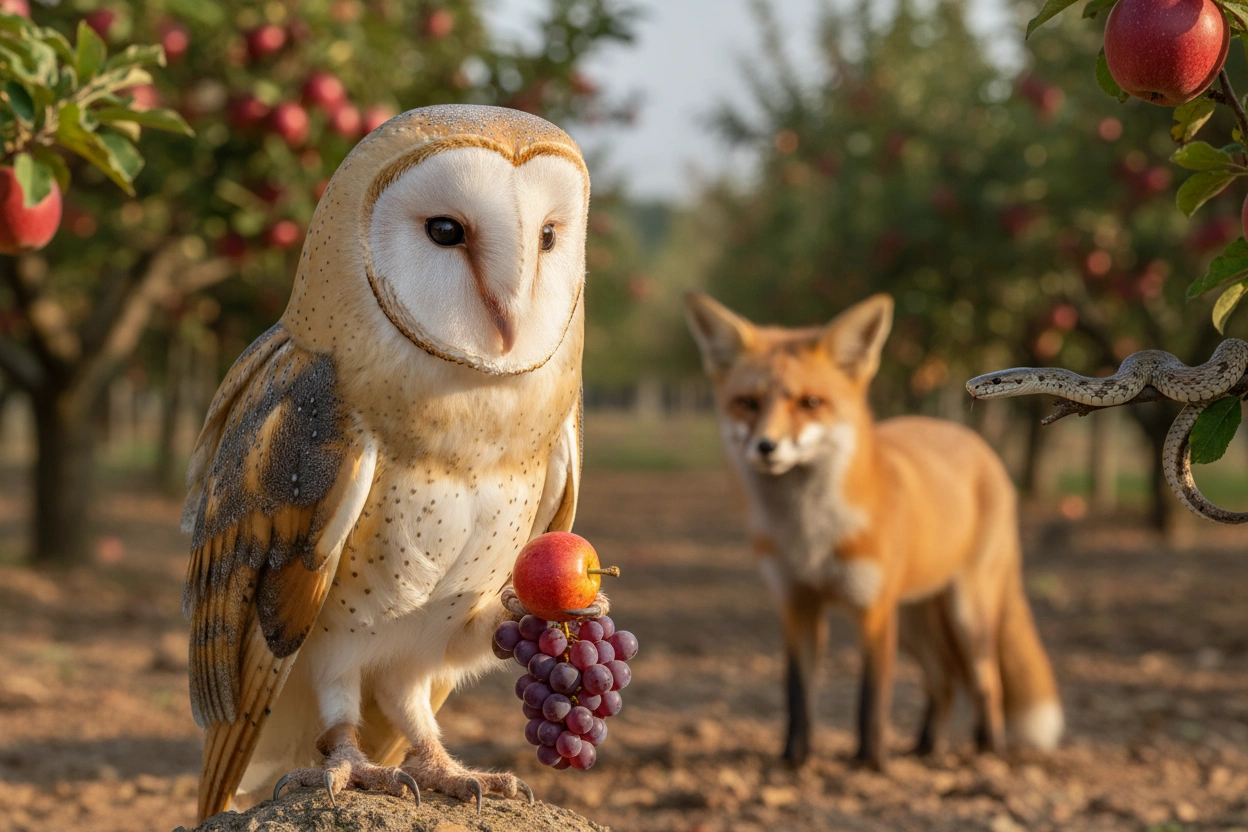
Despite their ecological significance, misconceptions about birds of prey abound. Addressing these misunderstandings is crucial for fostering a greater appreciation and ensuring their protection.
Many people view birds of prey as threats to pets or livestock. While it is true that raptors are predators, they generally do not pose a significant danger to larger animals. Most raptors prefer small mammals and birds as their primary food sources.
Another common misconception is that birds of prey can thrive regardless of human impact. In reality, habitat destruction, pesticide use, and climate change have profound effects on raptor populations. Conservation efforts are essential to mitigate these threats and protect these vital species.
Birds of prey encompass a diverse group of species, each with unique adaptations and behaviors. It is important to recognize the differences among species to understand their ecological roles and conservation needs better.
For those interested in observing these magnificent creatures in their natural habitat, birdwatching tours can provide a unique opportunity. Participating in organized tours allows enthusiasts to learn from knowledgeable guides and gain insights into the behavior and conservation of raptors.
Birdwatching tours offer numerous benefits, including:
Educational Opportunities: Guides often provide in-depth information about the species encountered, enhancing understanding and appreciation.
Conservation Awareness: Many tours emphasize the importance of conservation efforts, helping participants understand the challenges faced by raptors and the steps that can be taken to protect them.
Connection with Nature: Engaging with birds of prey in their natural habitat fosters a deeper connection with nature, encouraging participants to advocate for wildlife protection.
When selecting a birdwatching tour, consider the following factors:
Conserving birds of prey requires a collective effort from individuals, communities, and organizations. Several strategies can be employed to ensure these magnificent creatures thrive for future generations.
Engaging local communities in conservation efforts is essential. Initiatives can include:
Educational Programs: Workshops and seminars can raise awareness about the importance of raptors and their roles in ecosystems.
Habitat Restoration: Local groups can participate in habitat restoration projects, helping to improve the environments where raptors live and breed.
Numerous organizations focus on the protection and rehabilitation of birds of prey. Supporting these organizations through donations or volunteering can significantly impact conservation efforts. Many groups also offer resources for individuals interested in learning more about raptor conservation, including the Secretary Bird.
Birdwatchers play a crucial role in the conservation of birds of prey. Following ethical birdwatching practices ensures that raptors are not disturbed during nesting or hunting. Guidelines include:
Understanding the role of birds of prey in ecological balance is essential for fostering a greater appreciation for wildlife and the environment. Organizations such as the Banana Slug Club are committed to promoting awareness and conservation efforts aimed at protecting these magnificent birds.
Birds of prey are not merely fascinating creatures to observe; they are critical indicators of ecosystem health and biodiversity. Through education, responsible birdwatching, and active participation in conservation initiatives, we can help protect raptors and the delicate balance of nature they represent.
To learn more about the importance of birds of prey and how you can get involved, visit the Banana Slug Club. Whether you are an avid birdwatcher or simply interested in wildlife conservation, there are numerous ways to engage and make a difference. Contact Banana Slug Club today to discover how you can contribute to preserving our natural heritage.
Get free resources, early access to new features and updates.
No spam. Just fun educational emails!


.svg)
.svg)