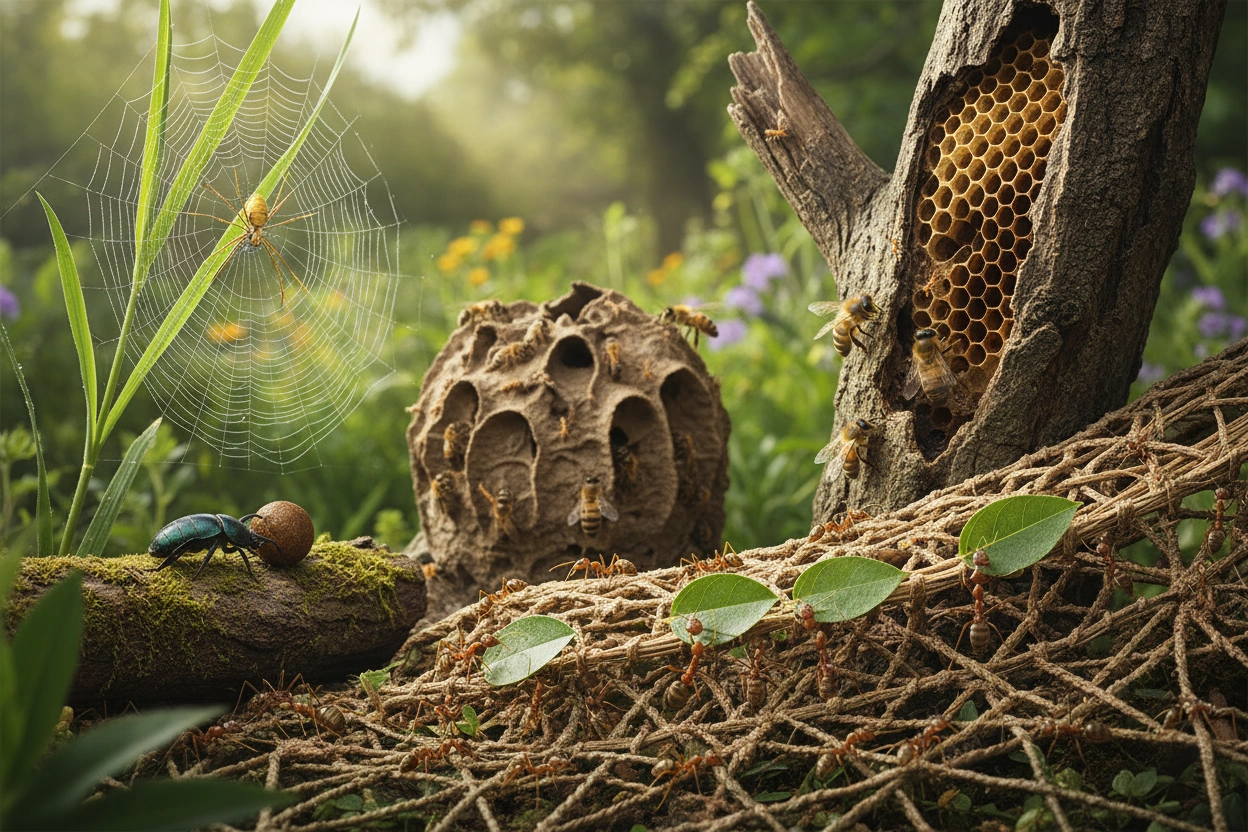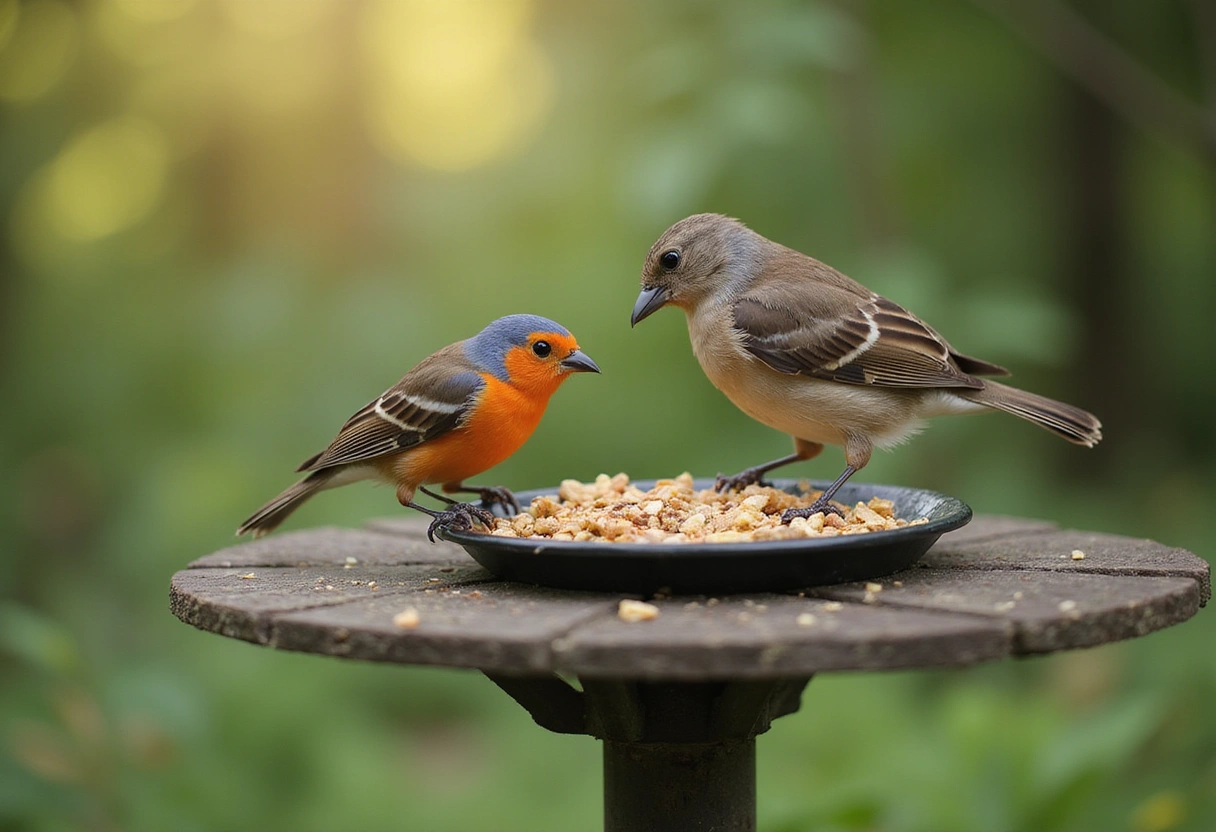
Bird watching is not only a delightful pastime but also an essential practice for understanding and supporting local ecosystems. As of 2025, many backyard enthusiasts are eager to learn more about bird facts, particularly how to attract various bird species and foster their well-being through proper feeding habits. In this comprehensive article, we will explore key bird facts, delve into bird species identification, and highlight the significance of bird conservation efforts in the current year.
Understanding the feeding habits of birds is crucial for creating a welcoming environment in your backyard. Different bird species have unique dietary preferences that influence their behavior and the types of feeders and food you should offer. Through this article, we aim to provide you with actionable insights, valuable information, and a deeper appreciation for our feathered friends.
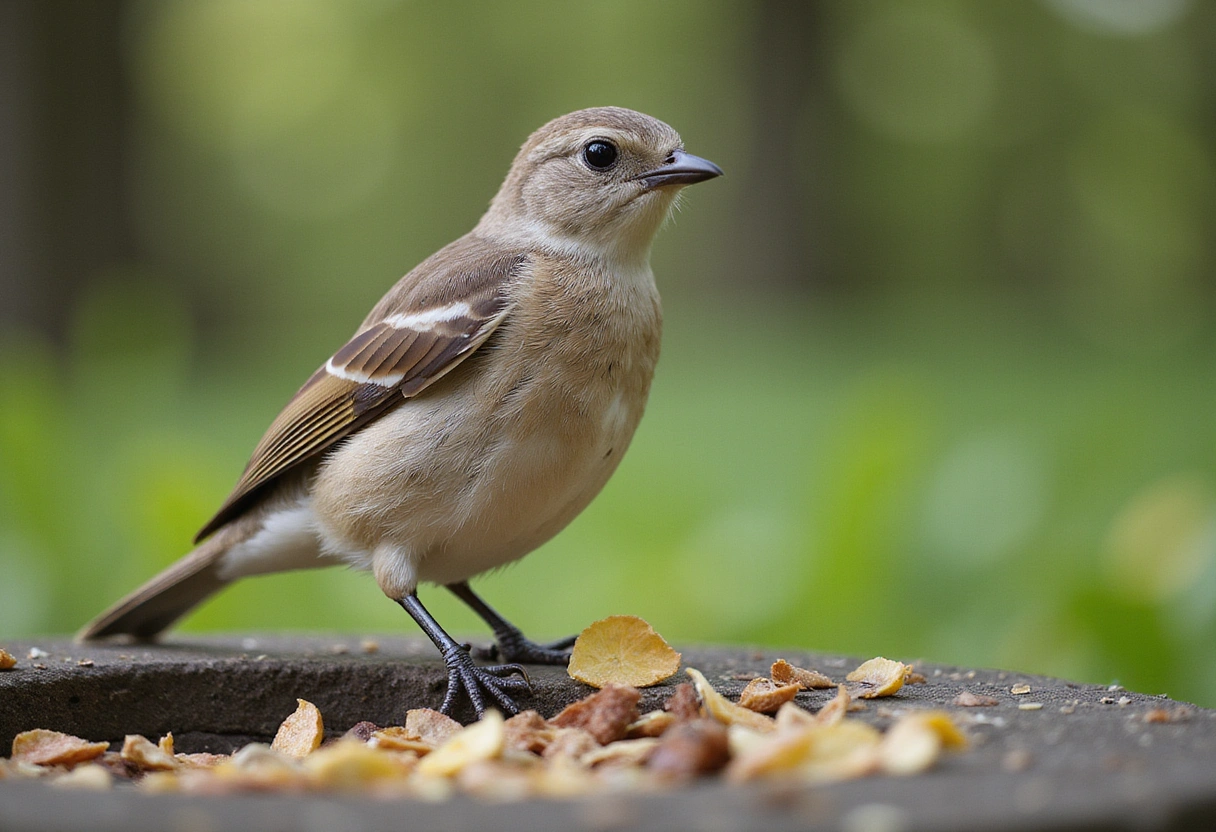
Feeding habits vary significantly among bird species, influenced by factors such as habitat, season, and food availability. To attract a diverse range of birds to your backyard, it is essential to tailor your feeding strategies to their specific needs.
Choosing the right bird feeder is a vital step in successfully attracting birds. Here are several types of feeders that cater to different feeding preferences:
By selecting the appropriate feeders, you can create a diverse feeding station that caters to multiple bird species.
Bird feeding habits change with the seasons, affecting their dietary needs. Here’s how to adapt your feeding strategies throughout the year:
By understanding the seasonal needs of birds, you can ensure that your backyard remains a reliable food source year-round.
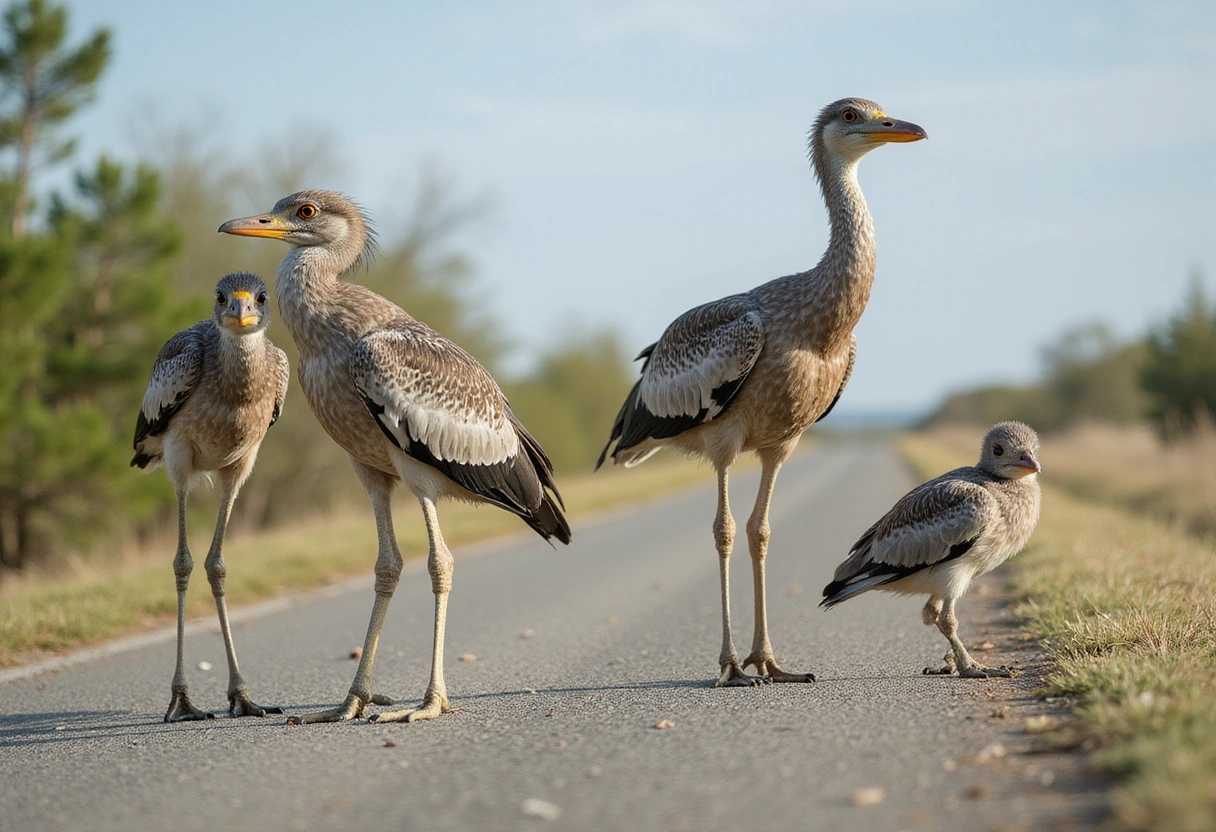
Identifying bird species in your backyard can enhance your birdwatching experience and help you tailor your feeding strategies. Here are some practical tips for bird species identification:
Knowing the most common bird species in your area will aid in identification. Here are a few birds you may encounter:
To enhance your bird identification skills, consider utilizing field guides or mobile apps. These resources often provide images, calls, and habitat information to help distinguish between similar species. Popular apps include:
By familiarizing yourself with common species and using identification tools, you can deepen your understanding of the birds visiting your backyard.

As we progress through 2025, bird conservation has become increasingly vital due to habitat loss, climate change, and human impact. Understanding the importance of support conservation efforts can empower backyard enthusiasts to make a difference.
Numerous factors threaten bird populations globally, including:
By being aware of these threats, you can take proactive measures to support conservation efforts in your community.
Backyard enthusiasts can play a significant role in bird conservation by implementing sustainable practices and supporting local initiatives. Here are several actionable steps:
By taking these steps, you can contribute to the conservation of bird species and help create a more sustainable environment for future generations.
Despite the joy of bird feeding, several misconceptions may hinder your efforts. Addressing these can improve your backyard birdwatching experience.
Many people assume that all birds have similar dietary preferences, but this is not the case. Different species have unique feeding habits that necessitate specific types of food. For example, nectar-feeding birds like hummingbirds require sugar water, while raptors rely on protein-rich diets consisting of rodents or other birds.
Some backyard enthusiasts worry that feeding birds will make them reliant on human-provided food. However, research indicates that supplemental feeding does not negatively impact birds' natural foraging instincts. Instead, it can provide essential resources during challenging seasons.
Not all bird feeders are created equal. Different feeders cater to specific bird species and feeding styles. Understanding the nuances of feeder types can enhance your success in attracting a diverse range of birds.
To maximize your backyard bird feeding experience, consider the following tips:
By following these tips, you can create a thriving environment for backyard birds and enjoy the wonders of birdwatching.
Bird conservation is not solely the responsibility of individuals; community involvement is crucial. Working together can amplify efforts and create a lasting impact.
Consider organizing or participating in local birdwatching events, clean-up days, or educational workshops. These initiatives can raise awareness about bird conservation and foster a sense of community among nature enthusiasts.
Partnering with local conservation organizations can provide resources and expertise for your conservation efforts. These organizations often offer educational materials, volunteer opportunities, and funding for community projects.
Birdwatching is a rewarding experience that connects individuals with nature and fosters a deeper appreciation for wildlife. By understanding bird facts, feeding habits, and the importance of conservation, backyard enthusiasts can play an essential role in supporting local ecosystems.
Encouraging children and young students to participate in birdwatching can spark a lifelong interest in nature and science. Provide them with simple identification guides, binoculars, and opportunities to observe birds in their natural habitat.
For those eager to learn more about fun facts about birds, consider exploring books, online courses, or local workshops. These resources can enhance your understanding and enjoyment of birdwatching.
In conclusion, understanding bird facts and their feeding habits is essential for creating a vibrant backyard habitat that supports local bird populations. As we navigate the challenges of 2025, the significance of vulture conservation efforts cannot be overstated. Through community engagement and individual actions, we can make a tangible difference in the lives of our feathered friends.
At Banana Slug Club, we are passionate about fostering a love for nature, science, and wildlife among nature enthusiasts, students, and children. Our resources and community initiatives aim to inspire curiosity and learning about the world around us.
If you are excited about diving deeper into the realm of bird facts and conservation, visit our website for more information, or contact us to learn how you can get involved. Together, we can create a brighter future for birds and enrich our understanding of the natural world.
Get free resources, early access to new features and updates.
No spam. Just fun educational emails!


.svg)
.svg)