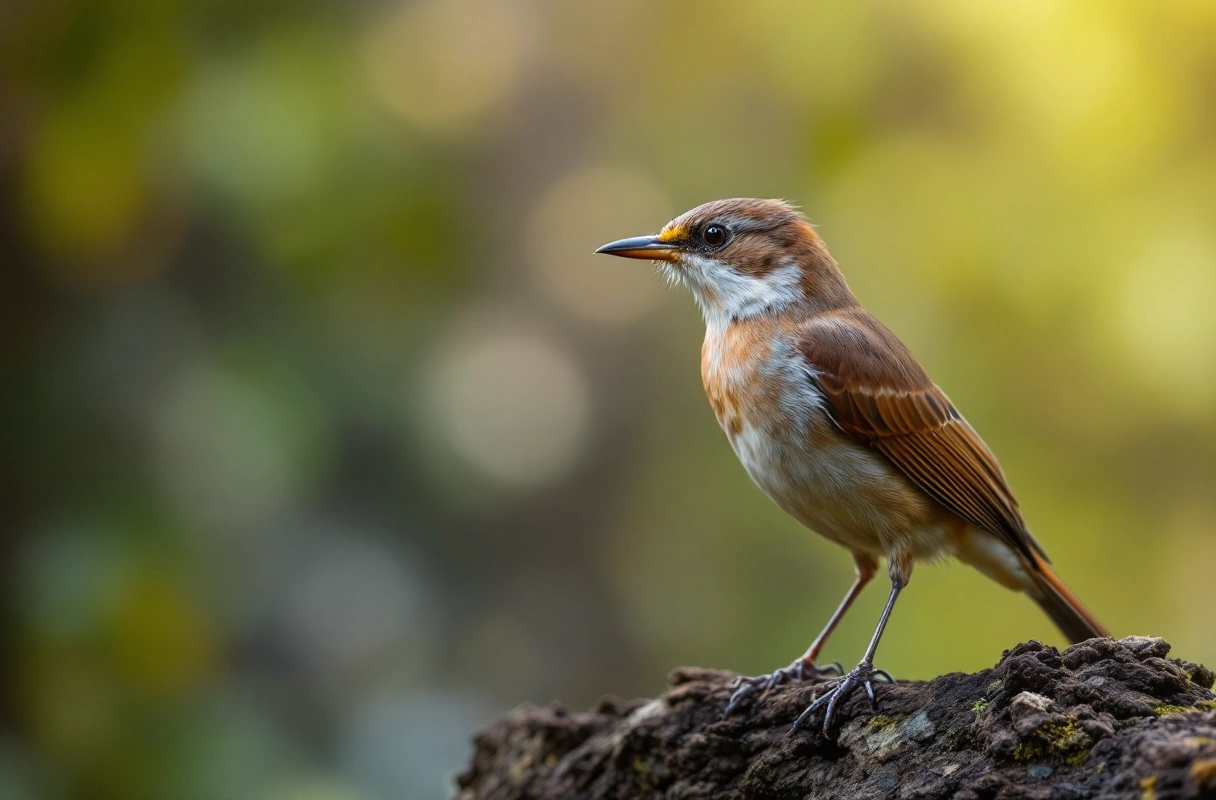
Birds are some of the most fascinating creatures on our planet, exhibiting a myriad of behaviors that intrigue both casual observers and avid ornithologists alike. From their intricate migration patterns to their unique mating rituals, bird facts can enhance our appreciation of these avian wonders. In this article, we will delve into common bird behaviors, exploring the reasons behind them and highlighting ten captivating migration patterns that showcase the incredible adaptability and resilience of birds.

Understanding bird facts is crucial not only for bird enthusiasts but also for anyone interested in wildlife conservation and ecological balance. Birds play vital roles in ecosystems, such as pollination, seed dispersal, and pest control. By studying their behaviors, we gain insights into the health of our environment and can make informed decisions to protect their habitats.
Moreover, many common misconceptions surround bird behaviors. For instance, it is a common belief that all birds migrate in a straight line, but in reality, many species take complex routes influenced by various factors such as weather, food availability, and predation risks. This article aims to clarify these misconceptions while providing actionable insights into these remarkable creatures that can enrich your understanding and appreciation of these remarkable creatures.

Birds exhibit a wide range of behaviors that serve various purposes, from foraging for food to establishing territories. Here are some of the most common behaviors observed in birds:
Foraging is a critical behavior for birds, involving the search for food. Different species have unique foraging techniques that reflect their ecological niches. For example, woodpeckers use their strong beaks to drill into trees for insects, while finches might use their specialized beaks to crack seeds.
Nesting is another essential behavior, as it directly relates to reproduction and the survival of young birds. Birds exhibit various nesting strategies, from building elaborate nests in trees to laying eggs on the ground. The choice of nesting location often depends on factors such as predation risk and environmental conditions.
Many bird species are territorial, especially during breeding seasons. They engage in behaviors such as singing, displaying, and even physical confrontations to defend their territories from intruders. This behavior ensures that they have access to necessary resources like food and nesting sites.
Migration is one of the most remarkable behaviors exhibited by birds. Many species travel thousands of miles between breeding and wintering grounds, navigating using environmental cues such as the sun, stars, and Earth's magnetic field. Understanding migration patterns can provide valuable insights into the challenges birds face in a changing environment.
Birds are social creatures, often forming flocks for protection and foraging efficiency. Social interactions among birds can include cooperative breeding, where individuals help raise the young of others, and complex communication through calls and body language.

Migration is a compelling aspect of bird behavior, characterized by long-distance travel to exploit seasonal resources. Here are ten fascinating migration patterns that highlight the incredible journeys undertaken by birds:
The Arctic Tern holds the record for the longest migration of any bird species. It travels approximately 71,000 kilometers (44,000 miles) annually from its breeding grounds in the Arctic to wintering areas in Antarctica. This remarkable journey is driven by the quest for abundant food resources.
Common Swifts are known for their exceptional flying abilities, spending most of their lives in the air. They migrate from Europe to Africa, covering around 13,000 kilometers (8,000 miles). These birds can even sleep while flying, showcasing their incredible adaptation to long journeys.
The Bar-tailed Godwit is famous for its non-stop flight across the Pacific Ocean. During migration, it travels over 12,000 kilometers (7,500 miles) from Alaska to New Zealand without stopping to feed or rest. This extraordinary endurance is a testament to the bird's remarkable physiological adaptations.
The Ruby-throated Hummingbird migrates between North America and Central America, covering about 5,000 kilometers (3,100 miles). These tiny birds undertake a non-stop flight across the Gulf of Mexico, demonstrating their incredible stamina and navigational skills.
The Whooping Crane migrates between its breeding grounds in Canada and wintering habitats in Texas. This migration covers approximately 4,800 kilometers (3,000 miles) and is crucial for the survival of this endangered species. Conservation efforts have been implemented to protect their migratory routes.
The Eastern Kingbird migrates from North America to Central America for the winter. This journey spans around 2,500 kilometers (1,500 miles) and involves navigating through various habitats, showcasing the adaptability of this species.
Snowy Owls exhibit a unique migration pattern characterized by irruptive migration, where they move southward in response to food scarcity. These owls can travel great distances from their Arctic breeding grounds to find suitable hunting grounds, demonstrating their adaptability in changing conditions.
American Robins are known for their migratory behavior, moving from their breeding grounds in North America to warmer regions in Central America during winter. They typically cover about 3,200 kilometers (2,000 miles) in their migration, relying on food sources along the way.
The Northern Wheatear is one of the first birds to migrate in spring, traveling from Africa to Europe. This journey spans over 3,200 kilometers (2,000 miles) and is crucial for their breeding cycle, as they arrive early to establish territories.
The Eurasian Curlew migrates between its breeding grounds in Europe and wintering areas in Africa and South Asia. This migration can exceed 6,000 kilometers (3,700 miles) and is influenced by environmental conditions, showcasing the bird's adaptability to changing climates.
While many people appreciate the beauty of bird migration, several misconceptions persist. Addressing these misconceptions can enhance our understanding of bird behaviors:
Not all bird species migrate. While many do, some, like sparrows and certain woodpeckers, remain in their habitats year-round. Understanding which species migrate and which do not is essential for effective conservation efforts.
While migratory behavior is largely instinctual, it is also influenced by environmental factors such as food availability, weather patterns, and habitat changes. Birds may alter their migration patterns based on these external cues, demonstrating adaptability rather than strict instinct.
Many people believe that birds migrate in a straight line. In reality, migration routes can be complex, often taking birds through various terrains and habitats. Factors such as wind patterns, food sources, and predators can significantly influence these routes.
As individuals, we can play a role in supporting bird migration and protecting their habitats. Here are some actionable steps to consider:
Plant Native Vegetation: Native plants provide essential food and shelter for migratory birds. Creating a bird-friendly garden can attract a variety of species.
Reduce Pesticide Use: Limiting the use of pesticides helps protect the insects that serve as food for birds during migration. This is especially important in areas along migratory routes.
Support Conservation Efforts: Get involved with local or national conservation organizations that work to protect migratory bird habitats. Your support can help preserve critical areas for these species.
Educate Others: Share your knowledge about bird migration and the importance of protecting their habitats. Education can lead to greater awareness and action within communities.
Participate in Citizen Science: Join initiatives that track bird populations and migration patterns. Your contributions can help researchers gather valuable data on bird behaviors and conservation needs.
Understanding bird behaviors and their behaviors is essential for fostering a deeper appreciation of wildlife. Organizations like the Banana Slug Club play a vital role in educating the public about bird conservation and the importance of protecting their habitats. By participating in local events, educational programs, and conservation initiatives, individuals can contribute to the preservation of bird species and their migratory routes.
The Banana Slug Club encourages everyone to engage with their local ecosystems, learn about the birds that inhabit them, and take action to support their survival. Whether you are a seasoned birdwatching or just starting your journey into the world of ornithology, there are numerous ways to get involved and make a difference.
Bird facts provide valuable insights into the behaviors and migratory patterns of these incredible creatures. By understanding their needs and challenges, we can better support their populations and contribute to a healthier environment. As we have explored, migration is a complex behavior influenced by various factors, and addressing misconceptions can lead to more effective conservation strategies.
To take action and learn more about how you can help protect birds and their habitats, visit the Banana Slug Club. Together, we can foster a deeper appreciation for our avian friends and ensure their survival for generations to come. Contact Banana Slug Club today to discover how you can get involved in bird conservation efforts.
Get free resources, early access to new features and updates.
No spam. Just fun educational emails!


.svg)
.svg)