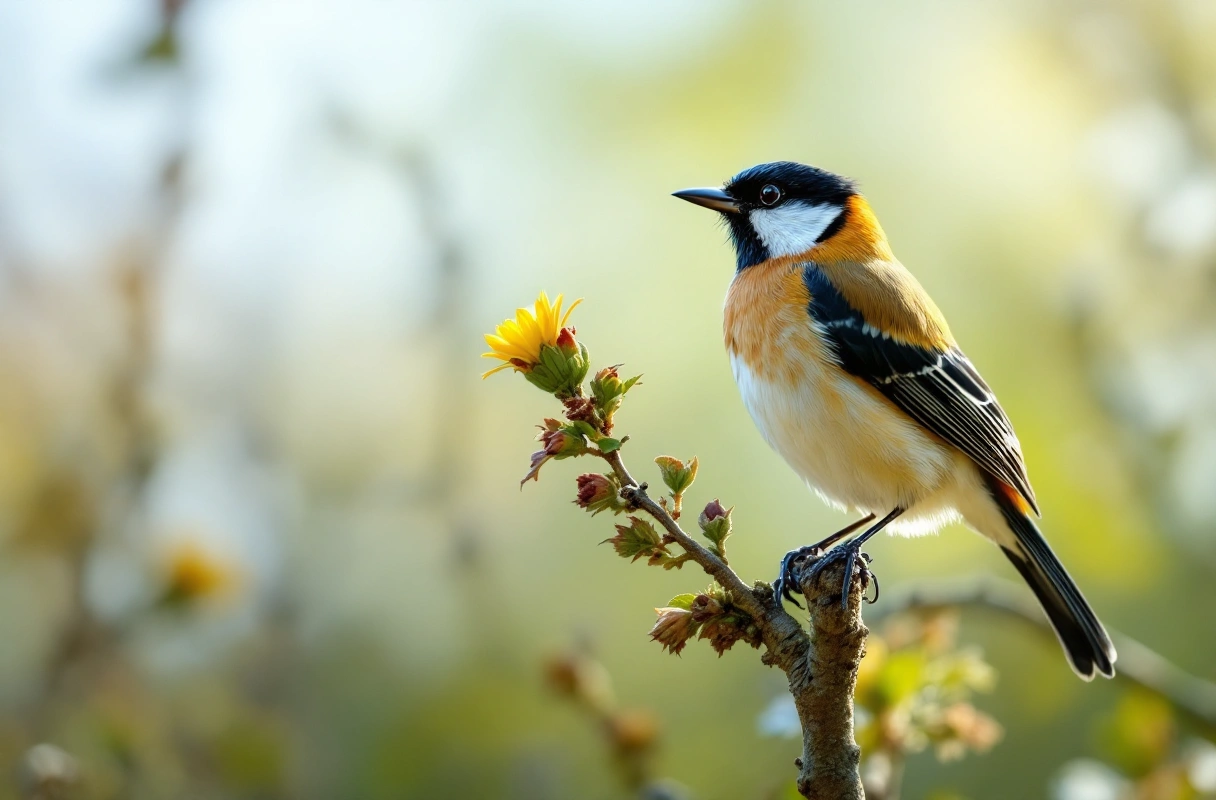
Birdwatching is an enriching hobby that connects enthusiasts with nature, offering a unique perspective on the avian world. For beginners, understanding essential bird facts is crucial for maximizing their experience at local birdwatching hotspots. This article will explore fascinating bird behaviors, migration patterns, and practical tips that will help novice birdwatchers appreciate and identify the many species they may encounter.

Bird facts encompass a variety of information about bird species, behaviors, habitats, and conservation efforts. For beginners, grasping these facts is not just about identification; it enhances the overall birdwatching experience.
Understanding bird facts is essential for several reasons. Firstly, it aids in the identification of various bird species. Each bird has unique characteristics, such as plumage color, size, and vocalizations, which are critical for recognition. Secondly, knowing about bird behaviors can greatly enhance the enjoyment of birdwatching. Observing how birds interact with their environment and each other provides deeper insights into their lives. Lastly, awareness of conservation issues and habitat needs fosters a responsible approach to birdwatching, allowing enthusiasts to contribute positively to wildlife preservation.
Birdwatchers can witness a variety of common bird behaviors, enriching their understanding of these creatures. Here are some behaviors to look out for:
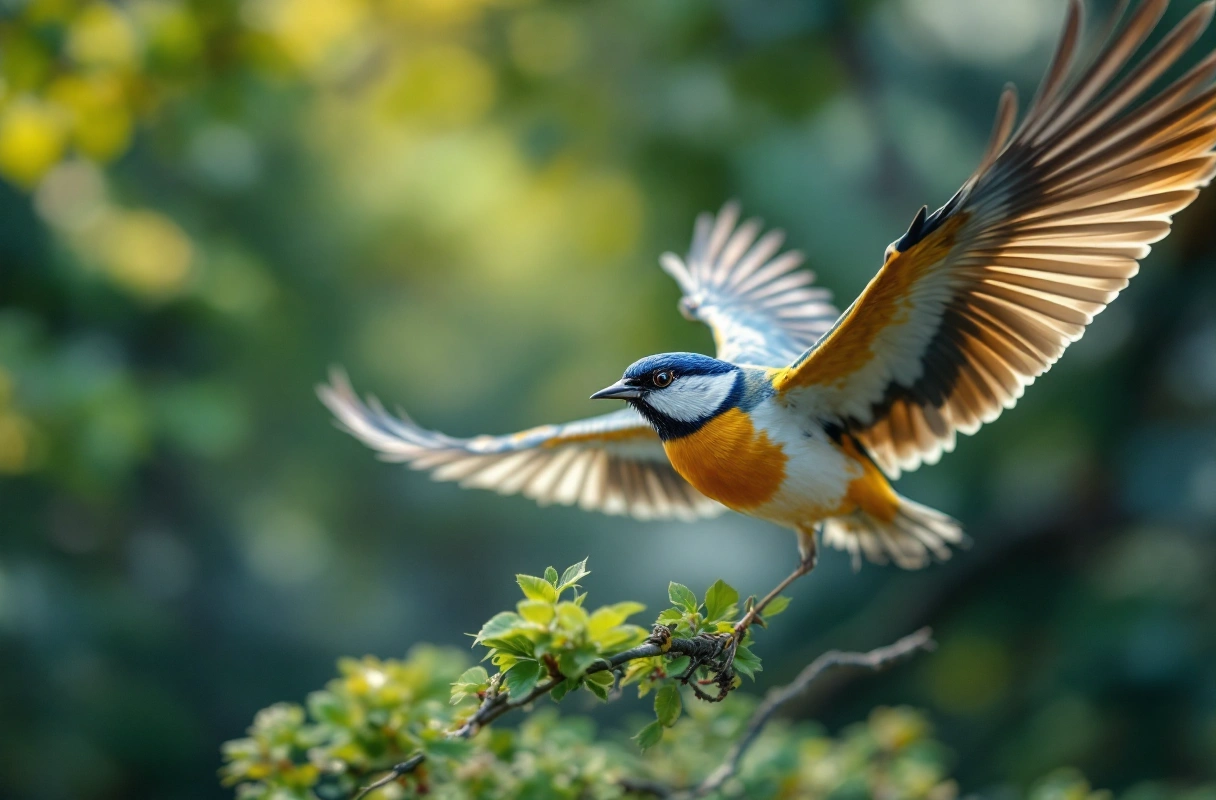
Migration is a remarkable phenomenon that showcases the resilience and adaptability of birds. Here are ten fascinating migration patterns that every beginner should be aware of:
The Arctic Tern's Epic Journey: The Arctic Tern holds the record for the longest migration of any animal, traveling approximately 44,000 miles annually from its breeding grounds in the Arctic to wintering areas in the Antarctic. This journey exemplifies the extreme endurance of migratory birds.
The Monarch of the Skies - The Bar-tailed Godwit: This shorebird migrates non-stop from Alaska to New Zealand, covering over 7,000 miles without resting. Their ability to fly for days on end is a testament to their extraordinary adaptations.
The Seasonal Travelers - Swallows: Swallows migrate in flocks, leaving their breeding grounds in North America for wintering spots in Central and South America. Their social behavior during migration is a remarkable sight.
The California Condor's Comeback: Once on the brink of extinction, California Condors have shown a remarkable recovery. These birds now migrate shorter distances, influenced by their conservation efforts and the availability of food sources.
The Red Knot's Race Against Time: This shorebird migrates from the Arctic to the southern tip of South America, stopping to refuel at specific locations along the way. Their timing is crucial for survival as they depend on abundant food sources during their stopovers.
The Incredible Journey of the Blackpoll Warbler: This small songbird migrates over 1,800 miles across the Atlantic Ocean in just a few days. Their ability to navigate using the stars is a fascinating aspect of their migration.
The Sociable Sandhill Crane: Sandhill Cranes gather in large numbers during migration, creating a spectacular sight. Their vocalizations and dance-like displays add a social dimension to their migratory behavior.
The Common Swift's Non-stop Flight: Common Swifts can spend almost their entire lives in the air, only landing to breed. Their migration involves long-distance flights across Europe and Africa.
The Great Migration of Geese: Various species of geese migrate in V formations, which allows them to conserve energy during long flights. Observing these formations is a highlight for many birdwatchers.
The Hummingbird's Long Journey: Some species of hummingbirds, such as the Ruby-throated Hummingbird, migrate across the Gulf of Mexico. Their small size and high metabolism make their journey particularly impressive.
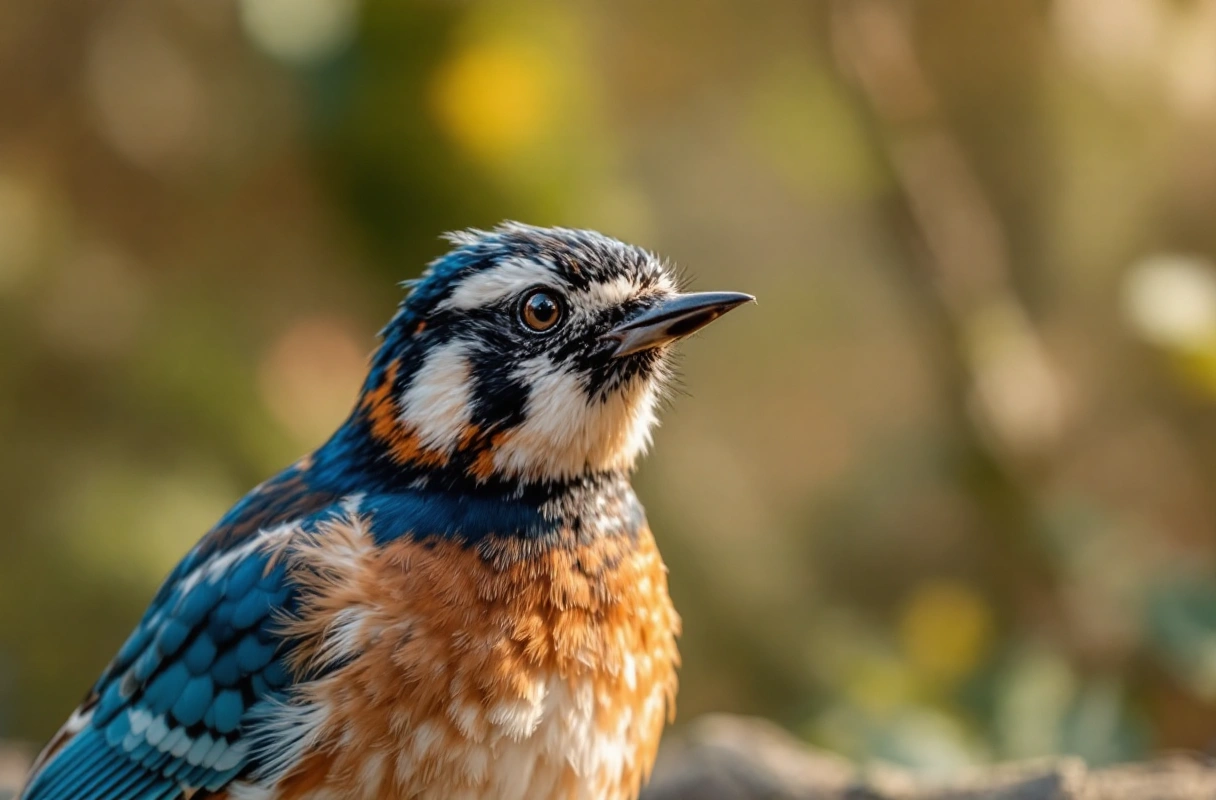
To fully enjoy birdwatching at local hotspots, beginners should consider several practical tips:
Choosing the right birdwatching location is crucial. Here are some tips for selecting hotspots:
Having the right equipment can enhance the birdwatching experience:
Birdwatching requires patience and respect for wildlife:
There are several misconceptions that can hinder the birdwatching experience. Understanding these can help beginners navigate the hobby more effectively.
Many believe that birdwatching is an activity reserved for experts. In reality, it is accessible to everyone. Beginners can start with basic identification and gradually expand their knowledge. Local clubs and online communities offer support and resources for newcomers.
While quality binoculars and field guides can enhance the experience, beginners do not need to invest heavily in equipment. Starting with a basic pair of binoculars and a free app can provide a fulfilling experience.
While many birds are most active during the early morning hours, various species exhibit activity throughout the day. Observing birds during different times can yield exciting discoveries.
As birdwatchers gain knowledge about bird facts, they also become more aware of conservation issues affecting avian populations. Understanding the challenges that birds face, such as habitat loss and climate change, is essential for fostering a responsible birdwatching community.
By sharing information about local birds and their needs, enthusiasts can advocate for conservation efforts in their communities. Whether participating in local clean-up initiatives or supporting habitat restoration projects, birdwatchers can play a vital role in protecting the species they admire.
Birdwatching not only enriches personal experiences but also contributes to a broader understanding of our ecosystem.
Bird facts are a gateway to appreciating the beauty and complexity of the avian world. With the right knowledge, tools, and attitude, beginners can embark on a fulfilling birdwatching journey that connects them to nature and inspires a passion for conservation.
If you’re looking to deepen your understanding of bird facts and enhance your birdwatching experience, the Banana Slug Club is here to help. Our resources and community are designed to support birdwatchers at all levels.
To learn more about local birdwatching opportunities and connect with fellow enthusiasts, visit Banana Slug Club today.
Get free resources, early access to new features and updates.
No spam. Just fun educational emails!


.svg)
.svg)